OPPO Find N5 User Experience
Sizometry Verdict
Editorial scores based on recurring themes across professional reviews, hands-on testing, and expert analysis.
Overall user experience
8.5
out of 10
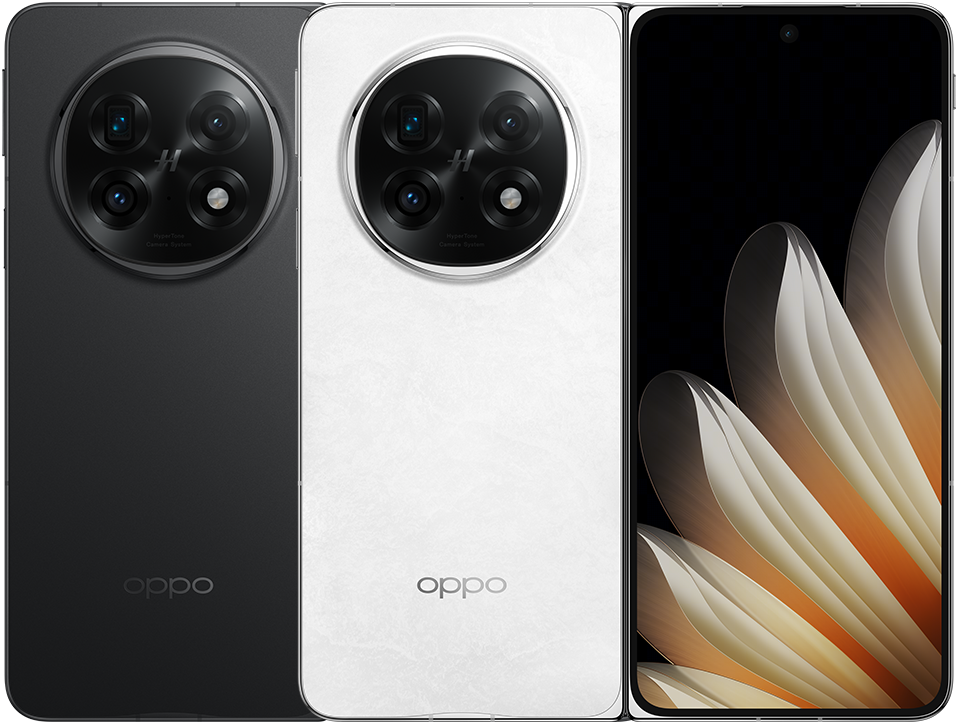
The thinnest book foldable of its generation — 4.21 mm open, 8.93 mm folded at 229 g, subtle crease, strong 5,600 mAh endurance, and fast 80 W/50 W charging on Snapdragon 8 Elite — held back by limited US/EU availability and thinner Western long-term owner data.
Category scores
Camera
7.5
Versatile Hasselblad-tuned rear system with foldable framing tricks; strong daylight output without Ultra-tier low-light supremacy.
Battery and charging
8.5
5,600 mAh cell earns consistent reviewer praise for mixed-day endurance with fast 80 W wired and 50 W wireless recovery.
Performance
8.0
Snapdragon 8 Elite flies in daily use; thin chassis warms under prolonged gaming and 4K capture like other profile-first foldables.
Handling and portability
7.5
Best-in-class folded thinness at 74.42 mm wide, though 160.87 mm height and inner 146.58 mm width still demand two-handed open use. 8.93 mm folded thickness leads the 2025 book-foldable category; still bulkier than compact slabs.
Build quality
8.5
Subtle crease, IPX8/IPX9 sealing, and titanium hinge narrative inspire more confidence than early foldable generations.
Value
8.0
The thinnest book foldable of its generation — 4.21 mm open, 8.93 mm folded at 229 g, subtle crease, strong 5,600 mAh endurance, and fast 80 W/50 W charging on Snapdragon 8 Elite — held back by limited US/EU availability and thinner Western long-term owner data.
Strengths
- Category-leading thinness at 4.21 mm open and 8.93 mm folded
- Strong battery endurance with 5,600 mAh and fast wired/wireless charging
- Subtle crease and Snapdragon 8 Elite responsive for productivity multitasking
Weaknesses
- Limited Western availability and mixed import-owner support confidence
- 229 g folded weight and tall footprint versus compact flagships
- ColorOS foldable ecosystem depth trails Samsung for global buyers
Best for
- Productivity and travel users in official markets who want inner-tablet utility with minimal bulk
- OPPO Find N upgraders seeking thinner carry and better crease
- Media readers and dual-app workers who rarely stress GPU thermals
Less suitable for
- US and EU buyers needing local warranty without import complexity
- Competitive gamers needing uncapped sustained performance in a thin chassis
- Ecosystem-first shoppers who prioritize Samsung accessory and software depth
Upgrade recommendation
Current device: OPPO Find N3 or Find N2
Recommendation: Strongly recommendedNotes: 8.93 mm fold, IPX8/IPX9, faster charging, and subtler crease address prior-generation bulk and hinge visibility.
Current device: Galaxy Z Fold6 or Z Fold7 owners
Recommendation: Depends on prioritiesNotes: Choose OPPO for thinness, crease, and charging; stay Samsung for ecosystem depth and Western support.
Current device: Large slab flagships (2–3 years old) in launch markets
Recommendation: Worth consideringNotes: 8.12-inch inner productivity and reading feel transformative when 8.93 mm folded carry is acceptable.
Current device: US/EU buyers without import experience
Recommendation: Probably unnecessaryNotes: Limited official availability and warranty uncertainty make Galaxy or waiting the safer path.
Current device: Gaming-first performance phones
Recommendation: Probably unnecessaryNotes: Thin-foldable thermals favor productivity over sustained mobile esports.
Bottom line
The OPPO Find N5 earns respect as the foldable where thinness finally feels like a daily-carry feature rather than a spec-sheet brag — 74.42 mm wide and 8.93 mm thick folded at 229 g, opening to 146.58 mm with a crease The Verge and Digital Trends describe as among the least distracting available, powered by Snapdragon 8 Elite and a 5,600 mAh battery that CNET and Android Central praise for strong endurance. Fast 80 W wired and 50 W wireless charging, plus IPX8/IPX9 sealing, round out a package productivity buyers in launch markets can rationalize. The clearest caveats are geographic: limited US and EU availability produces mixed Western owner reports on support and long-term ColorOS confidence, while 229 g and thin-chassis thermals still remind buyers this is a foldable compromise, not a slab replacement for everyone. Shoppers who live on inner-screen multitasking in Asia-Pacific official markets should audition the Find N5; Western buyers who need guaranteed local service should compare carefully with Samsung or wait for broader distribution.
See its real size next to another phone or tablet.
Open size comparisonOverview
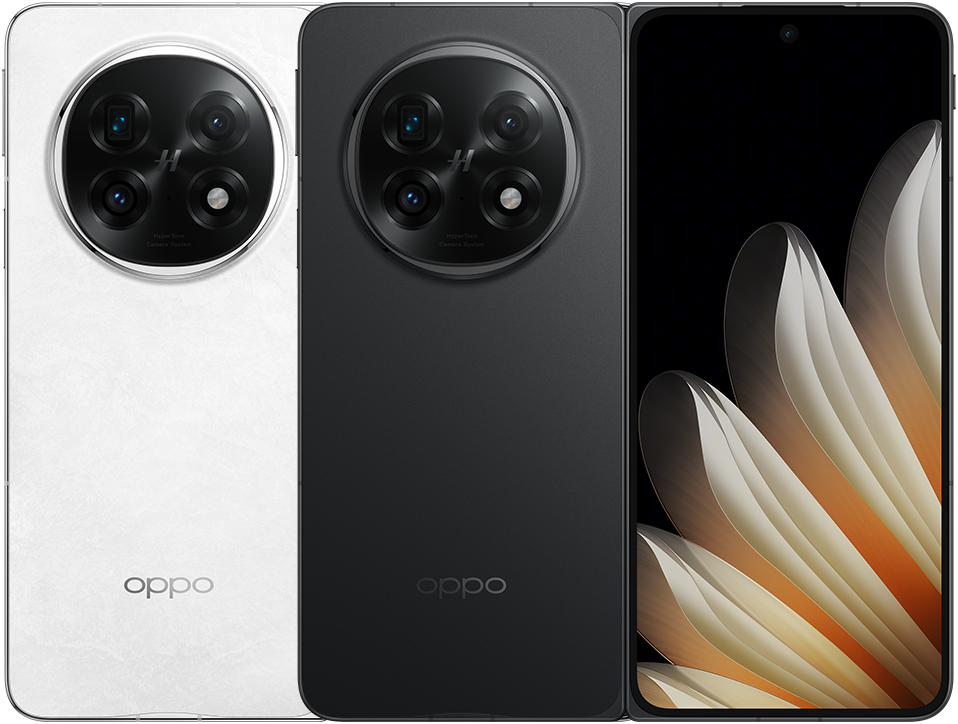
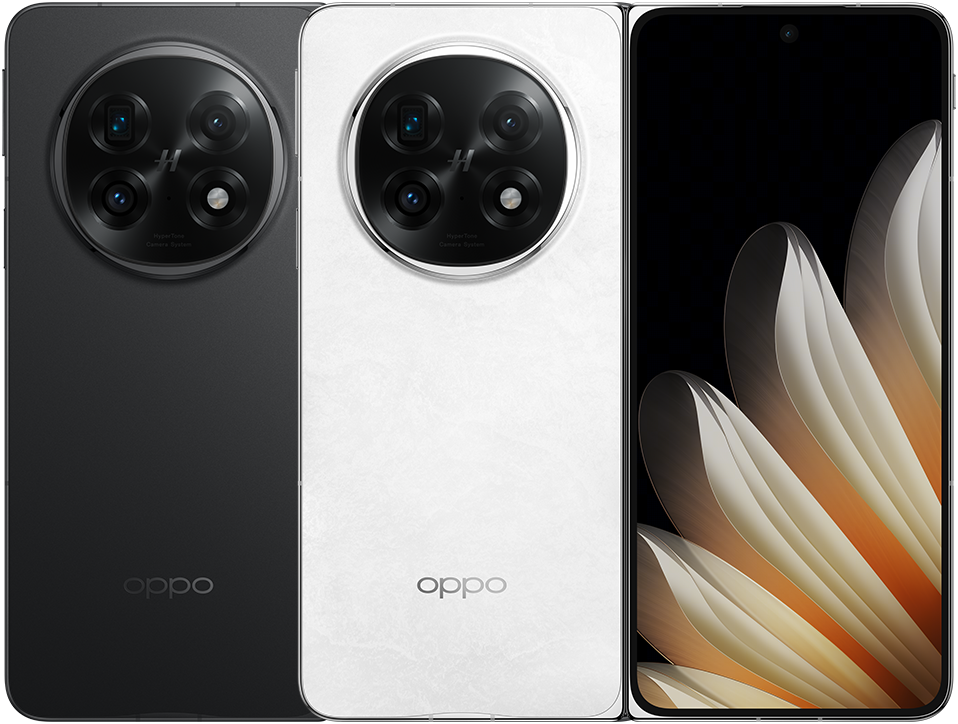
Across professional reviews from The Verge, Digital Trends, CNET, and Android Central — plus early owner discussions concentrated in Asia-Pacific launch markets — the OPPO Find N5 is widely regarded as the thinnest and most pocket-credible book-style foldable of its generation. Recurring reports frame it as a foldable that finally competes on slab-like folded carry: 74.42 mm wide, 160.87 mm tall, and 8.93 mm thick at 229 g folded, opening to 146.58 mm wide at just 4.21 mm unfolded thickness with an 8.12-inch inner OLED and 6.62-inch cover OLED. Praise clusters on crease subtlety, flagship Snapdragon 8 Elite responsiveness, and a 5,600 mAh battery that reviewers describe as comfortably above average for the category.
The most repeated criticism is not hinge failure but regional access. Limited US and EU availability means Western discourse skews toward import buyers, short-term review units, and cross-market comparison threads rather than dense long-term owner pools. That fragmentation produces mixed reports on ColorOS 15 foldable maturity, warranty support, and whether titanium hinge marketing translates into meaningfully different feel after six months — even as professional reviewers consistently celebrate thinness and daily carry.
Daily use
In daily use, the Find N5 is consistently described as fast and fluid on the 6.62-inch cover display for messaging, navigation, and quick camera launches, then deliberately better when opened for email, documents, and split-screen workflows on the 8.12-inch inner canvas. ColorOS 15 foldable continuity — app state across screens, floating windows, and drag-and-drop between panes — receives credit in Asia-Pacific owner accounts for reducing the open-close friction that plagued earlier OPPO Folds.
The inner panel's subtle crease is among the most praised hardware details in side-by-side foldable comparisons from The Verge and Digital Trends. Owners report noticing it in direct sunlight or when scrolling white backgrounds at shallow angles, then adapting within days — a different emotional curve than first-generation foldables where crease anxiety dominated early ownership. Brightness and color on both cover and inner OLED panels suit mixed indoor-outdoor routines in most professional and early-owner accounts.
Charging habits shift with 80 W wired and 50 W wireless recovery. Desk-and-nightstand owners describe the Find N5 as one of the faster-charging book foldables available, with the 5,600 mAh cell reducing midday anxiety during travel. Navigation plus streaming on the cover screen while topping up wirelessly appears in threads without the severe heat complaints some slab phones generate, though extended inner-screen gaming still warms the Snapdragon 8 Elite chassis.
Find N5
View the full specifications, dimensions, pricing, and related models.
Camera
Camera feedback centers on versatile flagship hardware with foldable-specific flexibility — using the 6.62-inch cover display as a viewfinder for rear selfies and tripod-free group shots appears in recurring owner tips from launch markets. Hasselblad-tuned color produces vivid, social-ready output in daylight; low-light performance is competitive though not class-leading versus the largest camera-centric slab Ultra flagships.
Inner-display framing for rear-camera shots earns praise from content creators who preview composition on the full 8.12-inch canvas. Video stabilization handles walking shots reasonably in daylight; extended 4K capture ties into thermal discussions when sessions run long on the thin chassis.
Battery and charging
Typical daily reports align with CNET and Digital Trends positive endurance framing — comfortable full-day mixed use on the 5,600 mAh cell with meaningful reserve for moderate inner-screen sessions. Lighter routines often end with 25–35 percent remaining; heavy inner-tablet days, navigation-plus-hotspot use, and cover-screen gaming more commonly land in the teens before bedtime.
80 W wired charging suits busy-day recovery; owners describe roughly half-hour top-ups from low charge as transformative versus older 40–65 W foldables. 50 W wireless charging reshapes desk habits — a subset runs wireless pads at work without the severe heat some slab owners report, though sustained gaming while charging still warms the thin chassis.
Performance
App launching and routine multitasking are consistently described as snappy on Snapdragon 8 Elite across cover and inner displays. Owners rarely report lag under normal workloads — switching between messaging, browser tabs, and floating windows feels flagship-grade in first-year accounts from Singapore and China launch regions.
Gaming feedback splits by session length. Short competitive rounds and mainstream titles at high settings feel excellent; extended sessions can warm the thin hinge region and produce mild frame dips in line with other profile-first foldables. Casual gamers rarely mention limits; mobile gamers cross-shopping ROG or iQOO hardware note thermal ceilings sooner.
Handling and portability
Folded at 74.42 mm wide, 160.87 mm tall, and 8.93 mm thick, the Find N5 is described as more one-hand-manageable on the cover display than thicker book foldables — yet it remains a tall, dense rectangle best suited to quick cover-screen tasks. Right-handed users report comfortable thumb reach across the lower 6.62-inch cover for messaging and feeds, with top corners still requiring a grip shift on the 160.87 mm height.
In standard men's jeans and most jacket pockets, owners and reviewers report acceptable fit for a foldable — 8.93 mm folded thickness slides in more easily than 10–12 mm predecessors and feels meaningfully slimmer than many Galaxy Z Fold carry profiles. The 74.42 mm width matches many large phones; folded stack height at 160.87 mm is what owners feel most in tight pockets.
For extended inner-display reading, document work, and video watching on the 8.12-inch canvas, owners describe comfortable multi-hour sessions when lap-supported or table-propped. The 4.21 mm open thickness and reduced crease distraction lower visual fatigue compared with earlier Folds where users constantly tracked hinge lines — a theme The Verge repeats in long-form review prose.
Build quality
IPX8 and IPX9 sealing combine with a titanium-reinforced hinge rated for repeated folding in accounts that feel more confident than early foldable years — splash and high-pressure water resistance for commute rain receives steady mention in Android Central and regional owner threads.
The subtle crease and tight hinge tolerance are among the most praised build details, framing the Find N5 as a maturation product rather than an experiment. Frame rigidity when partially folded for laptop mode is generally solid in desk-use reports; 4.21 mm open thinness does not read as fragile in early durability discourse.
Similar size devices
This summary is based on recurring reports from public discussions.