OnePlus Pad Go 2 User Experience
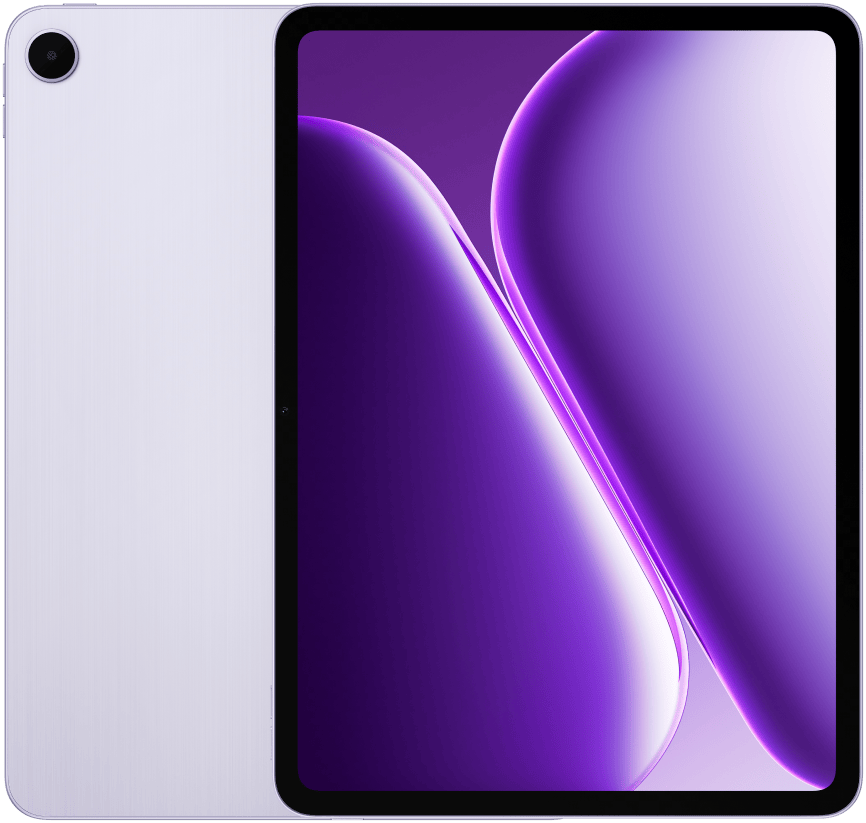
Sizometry Verdict
Editorial scores based on recurring themes across professional reviews, hands-on testing, and expert analysis.
Overall user experience
8.0
out of 10
An early India mid-tier OnePlus tablet with sharp 12.1-inch 2.8K 120 Hz panel, capable Dimensity 7300-Ultra, and first 5G plus microSD cellular option — tempered by face-unlock-only security, 33W charging cap, no launch keyboard, and thin long-term data.
Category scores
Camera
6.0
Utility scans and calls only.
Battery and charging
8.5
10050 mAh strong; 33W slower than Pad 3.
Performance
8.0
7300-Ultra handles daily and casual gaming well.
Handling and portability
6.0
597 g manageable briefly; not phone-like. Backpack tablet; 5G aids commute not pockets.
Build quality
7.5
6.8 mm metal feel above Lite; no IP.
Value
7.0
An early India mid-tier OnePlus tablet with sharp 12.1-inch 2.8K 120 Hz panel, capable Dimensity 7300-Ultra, and first 5G plus microSD cellular option — tempered by face-unlock-only security, 33W charging cap, no launch keyboard, and thin long-term data.
Strengths
- 2.8K 120 Hz 12.1-inch display
- 5G and microSD on cellular SKUs
- Dimensity 7300-Ultra gaming balance
- Open Canvas on OxygenOS 16
Weaknesses
- No fingerprint — face unlock only
- 33W charging despite 45W brick
- No official keyboard at launch
- Mixed reports from short ownership
Best for
- India 5G family and student buyers
- Lite upgraders wanting larger panel
- Casual gaming and streaming households
- Offline microSD media on cellular
Less suitable for
- Fingerprint-dependent desk workflows
- Keyboard-laptop replacement at launch
- Wi-Fi microSD expanders
- Pad 3-class charging speed seekers
Upgrade recommendation
Current device: OnePlus Pad Lite
Recommendation: Strongly recommendedNotes: Meaningful panel, chip, and 5G gains.
Current device: OnePlus Pad Go (gen 1)
Recommendation: Worth consideringNotes: Solid jump in display and connectivity.
Current device: OnePlus Pad Go 2
Recommendation: Probably unnecessaryNotes: Early ownership; wait for patches unless Pad 3 needs emerge.
Current device: OnePlus Pad 3
Recommendation: Depends on prioritiesNotes: Pad 3 wins silicon and 80W; Go 2 wins 5G India value.
Bottom line
Pad Go 2 looks like OnePlus's India family-tablet sweet spot on paper — buy cellular if you need 5G and microSD, accept face unlock, and treat keyboard rumors as unfinished business.
See its real size next to another phone or tablet.
Open size comparisonOverview
Since the December 18–24, 2025 India launch, early Pad Go 2 reports describe OnePlus's mid-tier sweet spot — a 12.1-inch tablet that steps up from Pad Lite without Pad 3 pricing. The 2.8K 120 Hz LCD, Dimensity 7300-Ultra, and 10050 mAh cell land in a 597 g, 6.8 mm chassis that owners frame as the family tablet for streaming, study, and commute LTE when buyers pick the 5G SKU.
Praise centers on panel sharpness for the class, surprisingly capable gaming on Dimensity 7300-Ultra, six-speaker output, and India-first 5G plus microSD on cellular models — a first for OnePlus tablets. Open Canvas on OxygenOS 16 earns early enthusiasm for side-by-side apps; Stylo support works though no official keyboard dock exists at launch. The bundled 45W brick with 33W tablet cap confuses some buyers but still beats Lite recovery times.
Daily use
Early daily use feels brisk for social, study, and streaming on Dimensity 7300-Ultra with OxygenOS 16. Chrome plus video side-by-side works in Open Canvas without Lite stutter; heavy gaming sessions warm the 6.8 mm back modestly. Friction includes face unlock failing in dim rooms, occasional split-screen resize glitches, and promotional tiles on first boot.
The 12.1-inch 2.8K panel is the standout daily upgrade over Lite — text crispness for PDFs and comics, 120 Hz scrolling smooth for feeds. Six speakers beat quad Lite output for couch viewing; peak brightness suits indoor and shaded patio use more than harsh noon outdoor reading.
5G cellular owners describe credible commute Netflix and maps without killing phone batteries — a workflow Pad Lite LTE approximates but Go 2 pairs with larger canvas. microSD on cellular SKUs delights offline download hoarders; Wi-Fi buyers lack expansion and must choose storage tiers carefully.
33W charging on 10050 mAh takes roughly 100–120 minutes to full despite 45W brick inclusion — faster than Lite, slower than Pad 3 80W. Moderate users finish days with 25% plus; gaming evenings want a bedside top-up. Owners who keep the 45W brick for phones still appreciate having a spare fast adapter in the box even when the tablet caps lower.
Pad Go 2
View the full specifications, dimensions, pricing, and related models.
Camera
Cameras remain utility features — document scans, video calls, and quick classroom capture. Early owners align expectations with mid-tier tablet reality; no imaging-led purchase stories appear yet.
8 MP front suits kitchen-counter and desk calls on the large screen. Rear sensor handles worksheet photos; low-light noise is predictable.
No fingerprint means camera-based face unlock is the primary biometric — unrelated to creative camera quality but shapes desk workflows when recognition fails.
Battery and charging
10050 mAh delivers full-day moderate use in early India accounts — streaming, browsing, notes, and commute LTE. Heavy 120 Hz gaming or bright-outdoor days want evening top-ups.
33W actual charging with 45W brick included confuses marketing but still beats Lite — roughly two hours to full. Pad 3 80W owners notice the gap immediately in same-household comparisons.
5G drain on trains is manageable with nightly charging; offline microSD content reduces streaming drain on flights for cellular buyers.
Performance
Dimensity 7300-Ultra feels like the right chip for Go 2 — smooth UI, credible BGMI and COD Mobile at high-medium settings, lighter than 8 Elite thermals. Split-screen research plus video stutters only under extreme loads in early threads.
Open Canvas on OxygenOS 16 shows promise with occasional resize bugs — software maturity defines long-term satisfaction more than silicon limits.
microSD read speeds satisfy offline video; internal UFS tiers should be chosen if app-heavy; Wi-Fi buyers lack card fallback.
Handling and portability
At roughly 185 mm wide, 268 mm tall, and 597 g, Pad Go 2 sits between Lite comfort and Pad 3 heft for brief portrait reading. Two-hand or forearm support remains the norm for active use; one-handed page flips work for short Kindle sessions.
Pad Go 2 is a backpack tablet — fits school bags and travel daypacks more willingly than 13-inch flagships but less than Lite in small totes. 597 g is felt on long walks; owners accept the trade for 12.1-inch panel.
Couch streaming and study sessions benefit from 12.1-inch area without Pad 3 lap top-heaviness. Owners describe 60–90 minute video comfort in landscape with knees propped; desk stands improve neck alignment for markup marathons.
Build quality
6.8 mm metal-leaning chassis communicates mid-premium positioning — sturdier feel than Lite, not as jewel-like as Pad 3 unibody. Cases still recommended for bag drops.
Speaker grilles and 120 Hz panel fit and finish earn early praise in unboxing threads. No IP rating — kitchen splash caution remains.
Face-unlock-only design is the main ergonomic compromise versus fingerprint on competitors. Stylo slot and cellular SIM tray build quality appear solid in first-month reports.
Similar size devices
This summary is based on recurring reports from public discussions.