OnePlus 12R User Experience
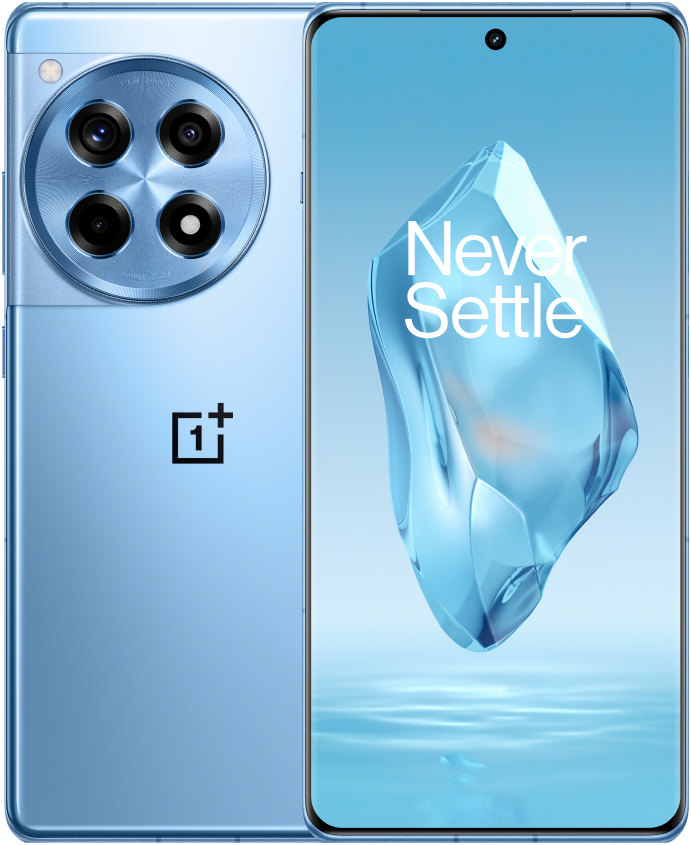
Sizometry Verdict
Editorial scores based on recurring themes across professional reviews, hands-on testing, and expert analysis.
Overall user experience
7.5
out of 10
A genuine value flagship built around a class-leading 6.78-inch 120Hz LTPO display, a still-capable Snapdragon 8 Gen 2, and the largest battery in OnePlus history — held back by weak secondary cameras, no wireless charging, only three years of major OS updates, and post-update lag reported by some long-term owners.
Category scores
Camera
6.5
The 50MP main sensor is genuinely strong for the price, but the ultrawide, macro, and missing telephoto trail true camera-focused rivals.
Battery and charging
9.0
5500mAh plus 100W charging is the phone's signature strength — routinely described as the best battery experience in its class.
Performance
8.0
Snapdragon 8 Gen 2 handles gaming and multitasking smoothly, though some owners report update-related slowdowns after two years.
Handling and portability
6.5
207 g and a large 6.78-inch curved-glass body are comfortable but noticeably heavier than lighter midrange rivals.
Build quality
7.0
Aluminum frame and Victus 2 glass feel premium; IP64 sealing trails the IP67/IP68 ratings of some competitors.
Value
8.5
Flagship display, chipset, and battery at a midrange price make this one of the strongest value propositions in its launch year.
Strengths
- 5500mAh battery with 100W wired charging — among the best in its class
- 6.78-inch 120Hz LTPO AMOLED display with flagship-level brightness
- Snapdragon 8 Gen 2 delivers smooth gaming and multitasking
- Premium-feeling aluminum frame and curved Victus 2 glass back
Weaknesses
- No wireless charging despite fast wired speeds
- Ultrawide and macro cameras trail the strong main sensor
- Only three years of major OS updates promised
- Later OxygenOS updates introduced lag and heat for some owners
Best for
- Buyers who want flagship display and battery without flagship pricing
- Gamers and heavy multitaskers prioritizing sustained performance
- Owners upgrading from older or budget Android phones
- Shoppers who can skip wireless charging and telephoto zoom
Less suitable for
- Photography-focused buyers who want strong ultrawide or zoom cameras
- Wireless-charging desk users who rely on Qi pads daily
- Buyers who prioritize long software update commitments
- Shoppers who need IP67/IP68-rated water resistance
Upgrade recommendation
Current device: OnePlus 9R, 10R, or older budget Android phones
Recommendation: Strongly recommendedNotes: The 120Hz LTPO display, Snapdragon 8 Gen 2, and 5500mAh battery are all clear, tangible upgrades over older midrange hardware.
Current device: OnePlus 11 or OnePlus 12 owners
Recommendation: Probably unnecessaryNotes: Moving down to the 12R trades away camera versatility and update longevity without a meaningful daily-use gain.
Current device: Google Pixel 8a or Galaxy A54/A55 shoppers
Recommendation: Depends on prioritiesNotes: The 12R wins on brightness, raw performance, and charging speed; Pixel and Galaxy rivals win on camera software and update length.
Current device: OnePlus 12R owners in 2026
Recommendation: Probably unnecessaryNotes: Unless update-related slowdowns or the missing telephoto lens have become persistent frustrations, the chipset and battery remain competitive.
Bottom line
The OnePlus 12R earns its 'flagship killer' reputation through a genuinely excellent 120Hz LTPO display, a still-strong Snapdragon 8 Gen 2, and the largest battery OnePlus has shipped, paired with fast 100W charging that owners consistently rank among the best in the midrange class. Its clearest trade-offs are weak secondary cameras, no wireless charging, and a shorter software update runway than Samsung or Google rivals — reasonable compromises for most buyers chasing display and battery performance well below flagship pricing.
See its real size next to another phone or tablet.
Open size comparisonOverview
Since its early 2024 launch, the OnePlus 12R has been widely discussed as the clearest 'flagship killer' revival in the OnePlus lineup — a 207 g handset built around a 6.78-inch 1.5K LTPO AMOLED display running at up to 120Hz, a Qualcomm Snapdragon 8 Gen 2 chipset carried over from the previous flagship generation, 8GB or 16GB of RAM, a 5500mAh battery with 100W SUPERVOOC wired charging, and a triple rear camera anchored by a 50MP OIS main sensor, all starting around $499.
The most repeated theme across reviews and owner threads is that the 12R delivers a genuinely flagship-grade display, chipset, and battery at a price hundreds of dollars below the standard OnePlus 12, with the trade-offs concentrated in secondary cameras, charging hardware, and the absence of wireless charging.
Daily use
In daily use, the OnePlus 12R is consistently described as fast and fluid, with the Snapdragon 8 Gen 2 and OxygenOS handling app switching, social feeds, and multitasking without the stutter some owners associate with true budget midrangers.
The 6.78-inch 120Hz LTPO AMOLED panel earns some of the strongest praise in the segment — reviewers repeatedly note that its peak brightness and color output rival phones costing far more, making it a standout for outdoor use and everyday scrolling.
OxygenOS draws mixed but generally positive commentary; long-standing fans note its near-stock feel and useful extras like an IR blaster for controlling TVs and air conditioners, while some owner threads flag that later OxygenOS 15 and OxygenOS 16 updates introduced UI lag, double-tap-to-wake delays, and increased heat during heavy tasks that were not present at launch.
The lack of wireless charging is a routine point of friction for owners coming from other midrange or flagship phones, though most reports frame the 100W wired charging speed as more than making up for it in daily convenience.
12R
View the full specifications, dimensions, pricing, and related models.
Camera
Camera feedback centers on a dependable 50MP OIS main sensor that reviewers and owners describe as sharp and well-processed in daylight and indoor conditions, helped by the Snapdragon 8 Gen 2's image-processing headroom — a clear strength relative to most phones in this price bracket.
The supporting 8MP ultrawide and 2MP macro cameras draw the most consistent criticism: both are described as noticeably softer and noisier than the main sensor, particularly in low light, and the absence of any telephoto lens means the 12R has no meaningful zoom beyond digital cropping. Some owner threads note that camera app stability and processing consistency dipped after later OxygenOS updates, with occasional lag when opening or exiting the camera app outdoors.
Battery and charging
The 5500mAh battery is the most consistently praised feature of the entire phone — larger than the standard OnePlus 12's cell and widely described as delivering a full day of heavy use or comfortably two days of lighter use, with several long-term owners calling it the best battery life they have experienced on a midrange phone.
100W SUPERVOOC wired charging (80W on some regional chargers) is described as a major daily convenience, with most owners reporting a full charge in roughly 26 to 30 minutes — fast enough that many stop thinking about battery anxiety entirely, even though the phone has no wireless charging option at all.
Performance
The Snapdragon 8 Gen 2 remains a strong point more than two years after launch, with reviewers and owners describing sustained smoothness in daily tasks and demanding games like Genshin Impact without major throttling, a clear step above true budget chipsets.
Some long-term owner threads describe a modest slowdown after multiple OxygenOS updates — reports of slower app loading, increased heat during heavy tasks, and occasional stutter compared with the phone's launch-day feel — though most owners still consider it a capable performer for gaming and multitasking well into 2026.
Handling and portability
At 75.3 mm wide, 163.3 mm tall, and 207 g, the OnePlus 12R sits toward the larger end of the midrange class — comparable in width to most 6.7-to-6.8-inch Android phones but noticeably heavier than lighter-weight rivals like the Pixel 8a.
The curved Gorilla Glass Victus 2 back and aluminum-alloy frame create a comfortable, rounded grip that owners describe as premium-feeling in the hand, though the curved glass edges are occasionally blamed for accidental touch registration along the screen's sides during one-handed use.
Reaching the top corners of the 6.78-inch display with one thumb requires an occasional grip shift for most hand sizes, and the phone's 207 g weight becomes noticeable during extended one-handed scrolling sessions compared with sub-190 g midrange alternatives.
Build quality
The aluminum-alloy frame and curved Gorilla Glass Victus 2 back combine for a build that feels notably more premium than its price suggests, and owners frequently mention that it holds up well to daily wear with only light scuffing over extended use.
IP64 water and dust resistance provides protection against splashes and dust but falls short of the IP67/IP68 sealing on pricier rivals, a trade-off most reviewers treat as acceptable given the price but note directly when comparing against the Pixel 7a/8a or Galaxy A54's higher-rated bodies.
Similar size devices
This summary is based on recurring reports from public discussions.