Motorola razr (2026) User Experience
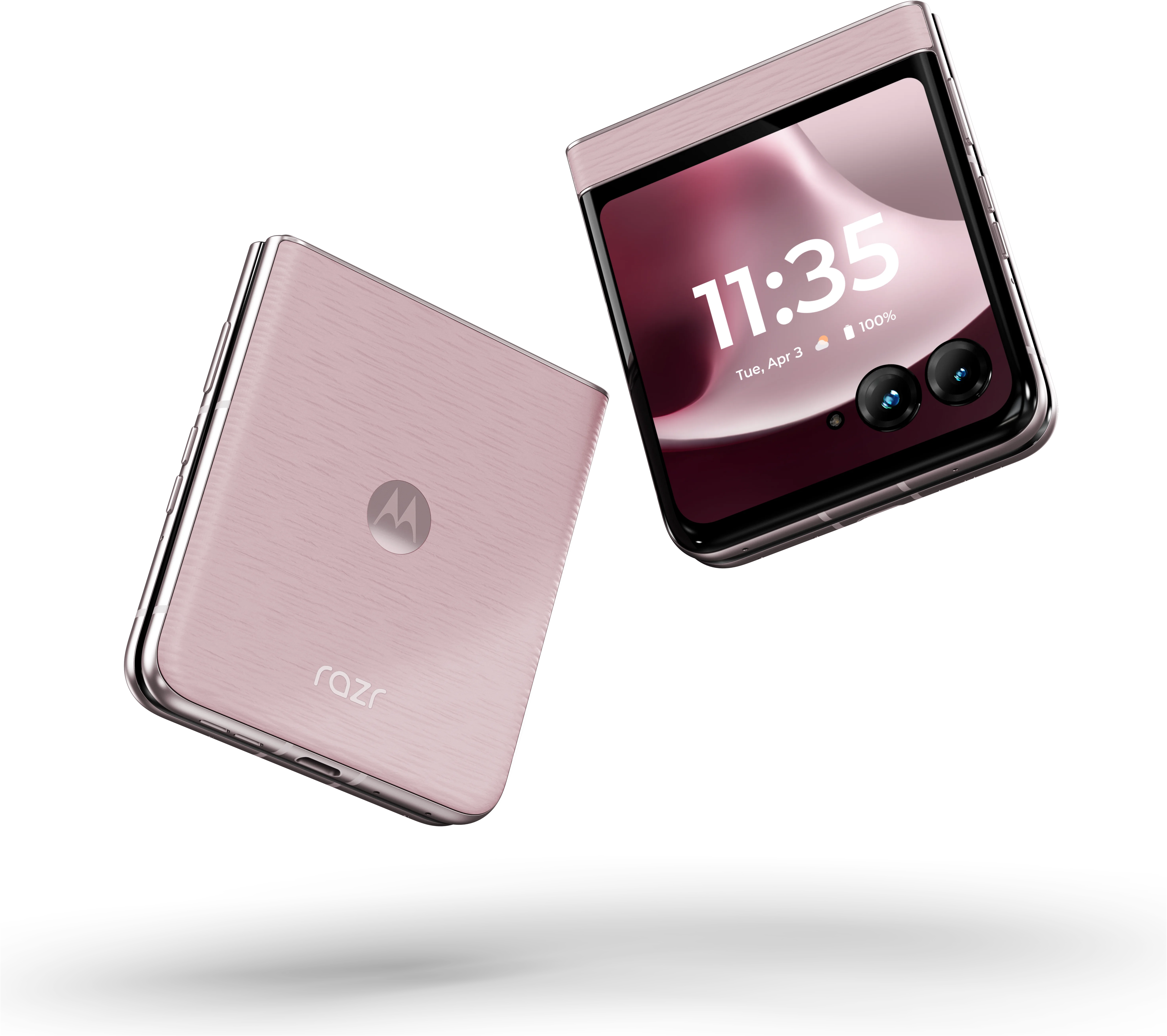
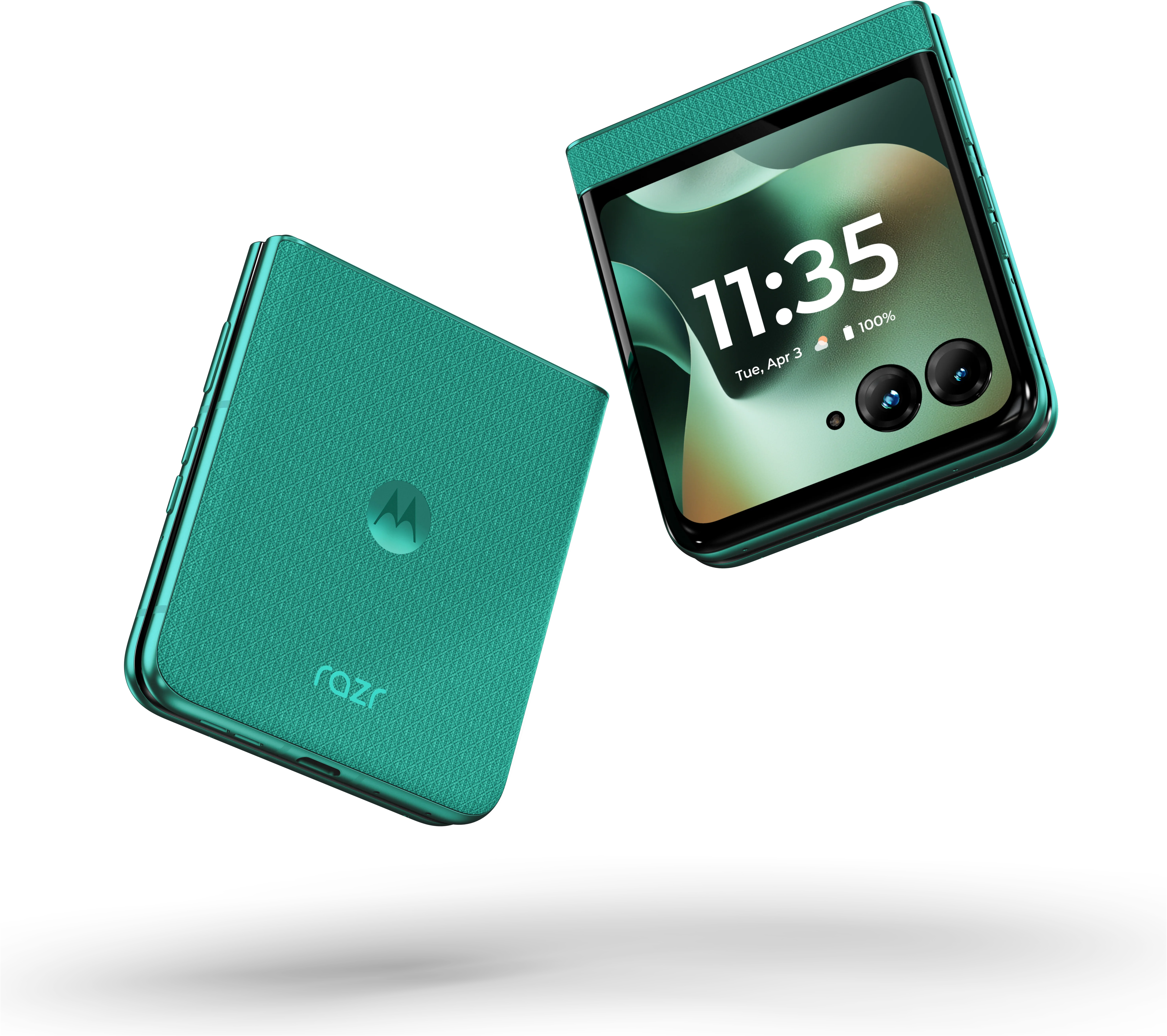
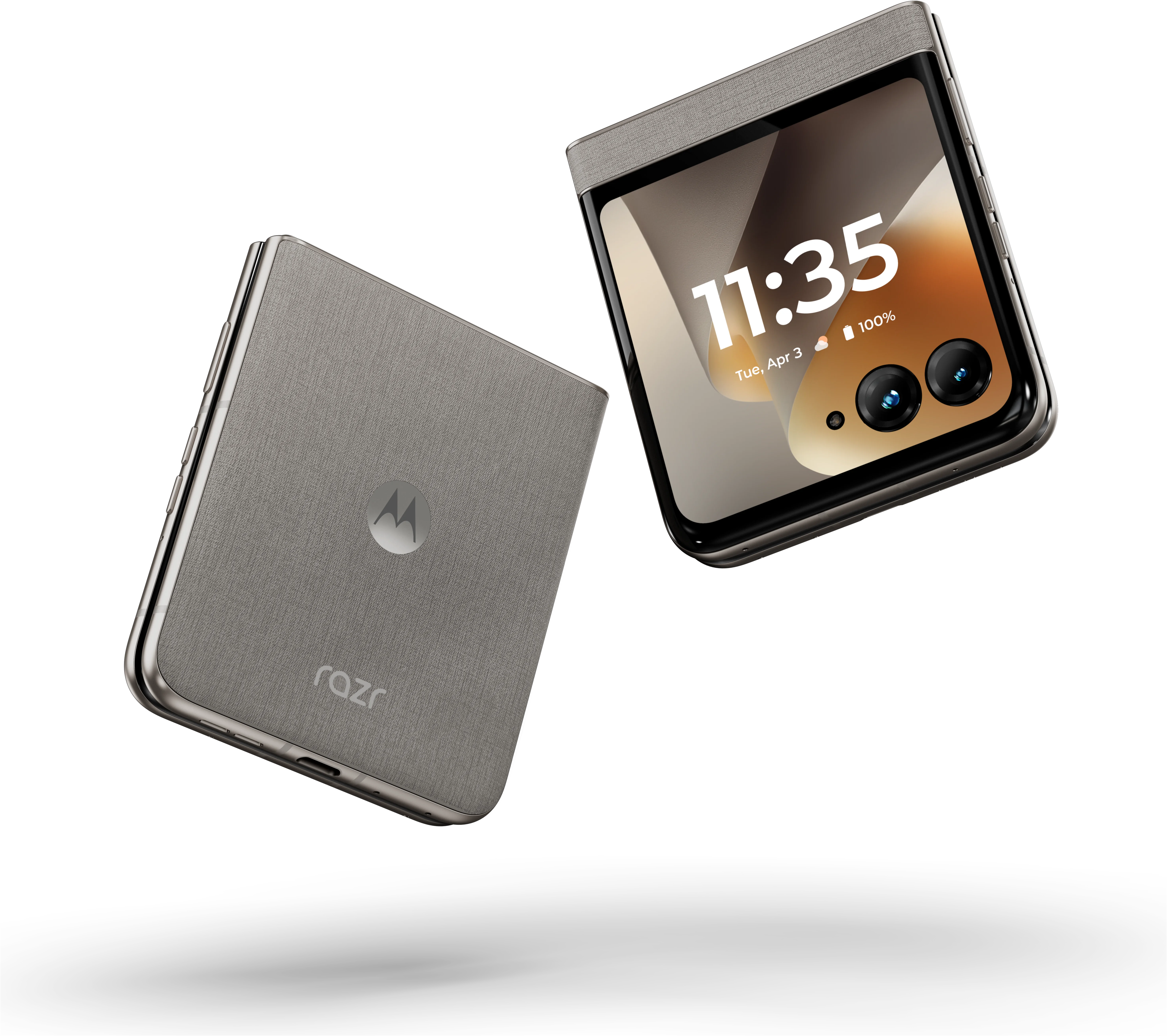
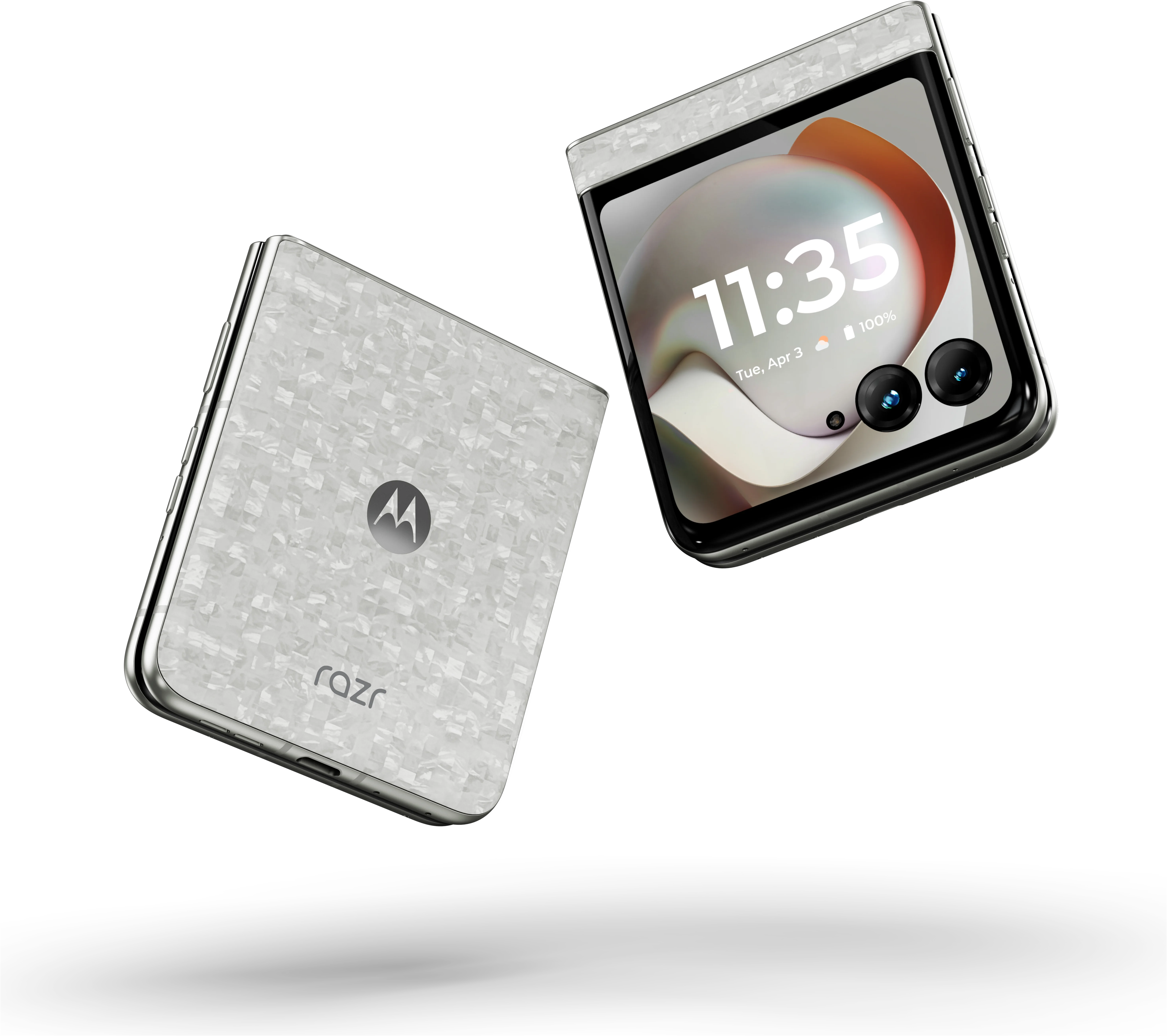
Sizometry Verdict
Editorial scores based on recurring themes across professional reviews, hands-on testing, and expert analysis.
Overall user experience
7.5
out of 10
A polished 2026 clamshell with pocket-friendly 188 g carry, mature cover-display workflows, Hello UI lightness, and flex-mode delight — held back by incremental upgrades, camera limits, and early-stage durability uncertainty.
Category scores
Camera
7.0
Flexible flex-mode shooting shines; image quality solid for social use but trails Ultra-tier telephoto and low-light rivals.
Battery and charging
7.5
Full-day moderate use in early reports; improved versus 2025 razr without class-leading foldable endurance.
Performance
7.5
Smooth daily use with mild warmth under gaming; not a benchmark leader.
Handling and portability
9.0
73.99 mm open width and 188 g weight among the best one-handed foldable ergonomics available.
Build quality
7.5
Tight hinge feel and premium materials for the tier; long-term foldable durability still emerging.
Value
7.5
Tight hinge feel and premium materials for the tier; long-term foldable durability still emerging.
Strengths
- Square folded footprint — exceptional pocket clamshell ergonomics
- Hello UI near-stock Android — lighter foldable software experience
- Flex-mode camera and compact 188 g carry
- Accessible razr entry versus razr+ and Galaxy Flip premiums
Weaknesses
- Camera and zoom not class-leading versus flagship slabs
- Software update tenure shorter than Samsung foldable promises
- Incremental upgrade from 2025 for existing razr owners
- Early ownership — long-term hinge data still limited
Best for
- Pocketability-first buyers wanting clamshell style
- Near-stock Android fans cross-shopping Galaxy Z Flip7
- First-time foldable users seeking accessible pricing
- Social shooters who love flex-mode framing
Less suitable for
- Camera-chart shoppers comparing Ultra telephoto results
- Owners who demand longest foldable OS support
- Power users needing unrestricted cover-screen apps
- Satisfied razr 2025 owners without hardware complaints
Upgrade recommendation
Current device: razr 2023 or 2024 owners
Recommendation: Strongly recommendedNotes: Cover display, battery, and hinge refinements address multi-generation pain points.
Current device: razr 2025 owners
Recommendation: Depends on prioritiesNotes: Meaningful but not revolutionary — worthwhile mainly if battery or cover brightness frustrated you.
Current device: Galaxy Z Flip5 or Flip6 owners
Recommendation: Worth consideringNotes: Hello UI lightness and pricing may appeal; Samsung wins ecosystem and updates.
Current device: Large slab flagship owners
Recommendation: Worth consideringNotes: Audition pocket fit and cover workflows — transformative if you will fold daily.
Current device: Camera-first flagship owners
Recommendation: Probably unnecessaryNotes: Compare razr+ or slab Ultra tiers before trading imaging for pocket form.
Bottom line
The Motorola razr (2026) earns respect as a style-first clamshell through its 88.08 mm folded pocket footprint, 188 g carry weight, mature cover-display habits, Hello UI's comparatively light software, and flex-mode camera flexibility.
See its real size next to another phone or tablet.
Open size comparisonOverview
Across professional reviews and early owner discussions since the May 2026 launch, the Motorola razr (2026) is often described as Motorola's most balanced clamshell foldable for buyers who want pocket-friendly flair without paying razr+ premiums.
Common praise centers on Hello UI's comparatively light touch versus Samsung and vivo foldable skins, a cover display mature enough for quick replies and navigation glances, and flex-mode shooting that still delights social users months after purchase.
Daily use
In daily use, the razr (2026) is usually described as snappy for messaging, social apps, and camera launches on either display.
The inner panel's tall aspect ratio suits scrolling feeds and chat threads, while the folded square becomes the default carry shape in pockets and small bags.
Flex modes integrate into daily life for video calls, hands-free timers, and group selfies. The hinge holds intermediate angles reliably in early accounts, and the 188 g chassis feels light enough for prolonged half-fold viewing without the wrist fatigue wider phones cause. Table-flat fully open use is less common than partial fold propping.
Outdoor visibility on both panels receives mixed-but-improving mentions relative to 2025. Peak brightness is adequate for sunny cover-screen glances in most reports, though sensitive users still prefer shade for extended inner-screen reading. Stereo speaker output is described as good for a foldable, not class-leading.
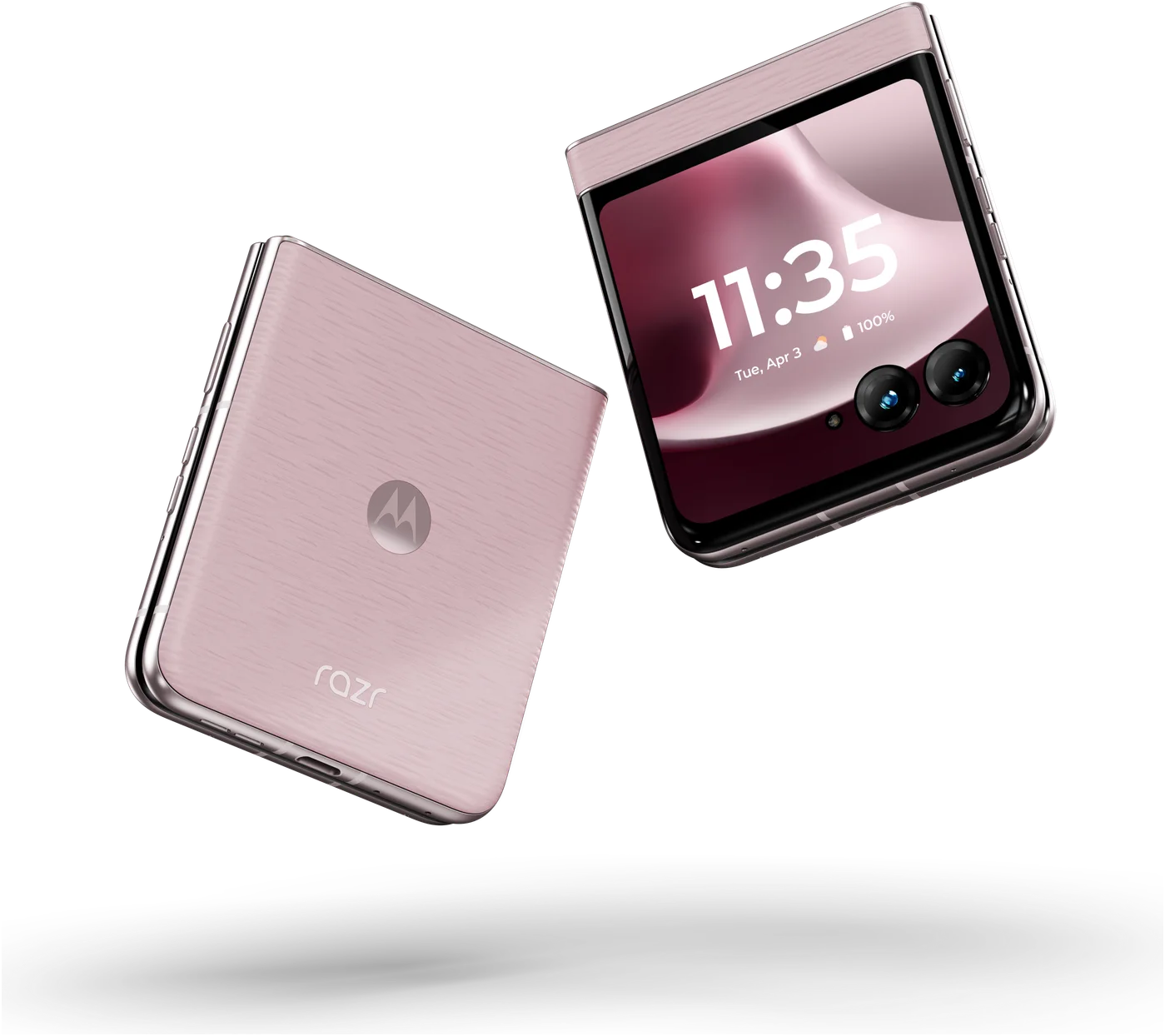
razr
View the full specifications, dimensions, pricing, and related models.
Camera
Camera feedback emphasizes flexibility across folded and open shooting rather than absolute image-quality leadership. Flex-mode group shots, cover-screen selfie framing, and quick rear-camera launches earn the strongest praise in professional and community threads. The system is described as dependable for social sharing and travel when expectations match a style-first foldable.
Low-light and zoom performance receive polite rather than ecstatic mentions. Owners comparing with Galaxy S26 or iPhone 17 Pro tiers notice processing and telephoto gaps; buyers who prioritize pocket form factor over camera charts report satisfaction.
Video capture suits everyday 4K clips with electronic stabilization. Creators wanting cinematic telephoto or extended 4K60 sessions must look elsewhere, though flex-mode vlogging without a stand earns genuine enthusiasm.
Battery and charging
Typical daily reports from early owners align around full-day endurance for moderate use with an evening top-up for heavy camera or navigation days.
Wired charging speed is described as competitive for the class — fast enough for overnight-optional habits but not the headline 80W+ numbers some Chinese flagships advertise.
The camera app under Hello UI is described as straightforward compared with Samsung's busier interface. Processing speed is fine for single shots; burst capture during flex transitions appears occasionally in early bug threads.
Performance
App launching and routine multitasking are usually described as smooth for flagship-class expectations on the 2026 razr chipset. Owners rarely report lag under normal workloads, though synthetic benchmarks trail dedicated gaming phones clearly.
Thermal behavior under sustained load produces mild warmth in some accounts — navigation plus gaming combos appear in threads but rarely dominate complaints for buyers who chose the razr for form factor over charts.
Handling and portability
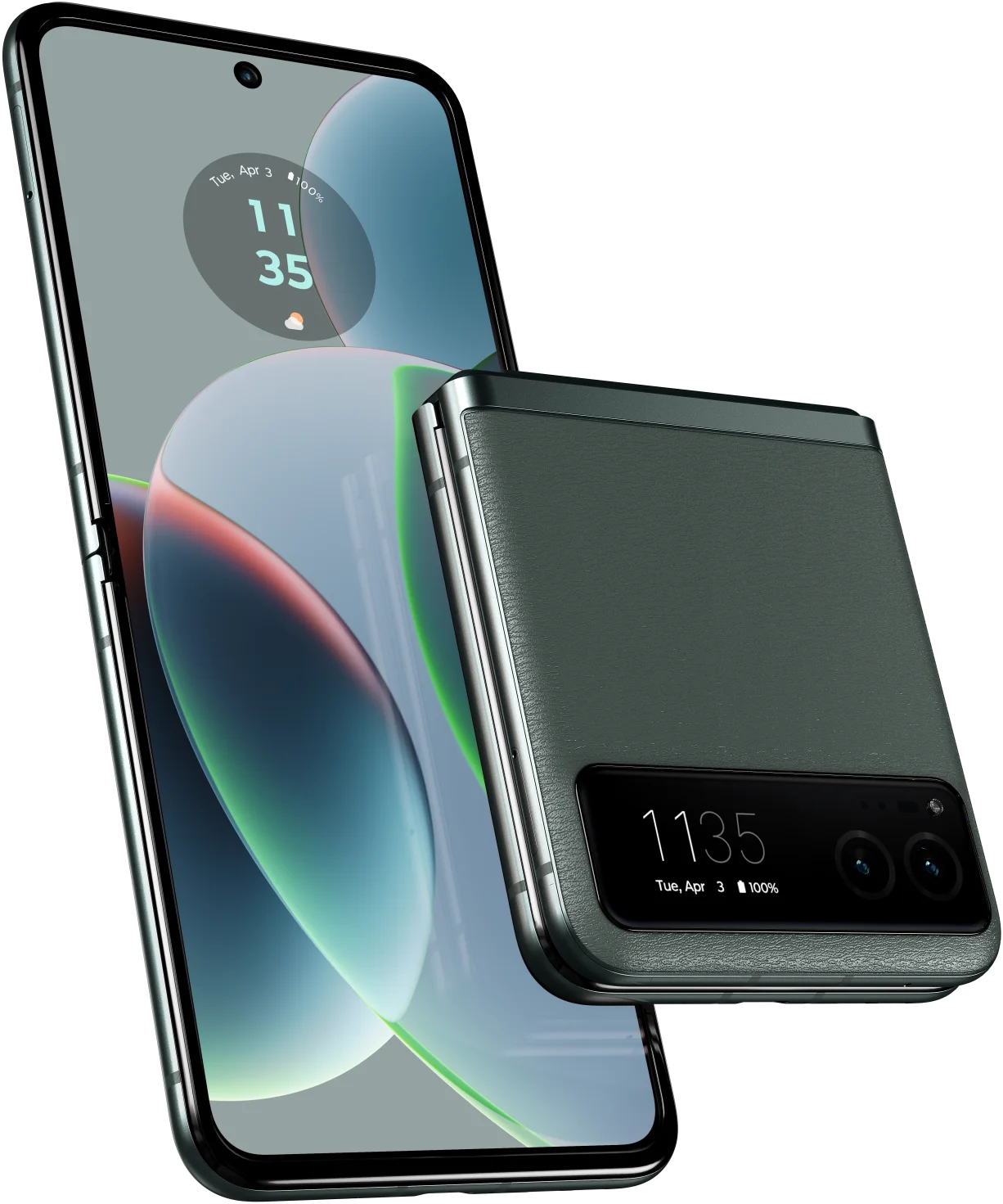
Opened at 73.99 mm wide, 171.3 mm tall, and 7.25 mm thick, the razr (2026) is among the more one-hand-friendly modern flagships when unfolded.
Folded to 88.08 mm tall, the device becomes a dense square that fits entirely in one palm for quick cover-screen interactions.
Reachability at the top of the inner display still requires hand shifting on the tall 171.3 mm canvas, as on all modern phones.
Build quality
Hinge feel and fold resistance receive broadly positive early mentions — a reassuring snap without excessive stiffness. Motorola's clamshell heritage shows in fit and finish that owners describe as tighter than first-generation Razr reboots, though long-term wear data are still accumulating.
IP rating varies by market; buyers should confirm regional sealing before assuming poolside confidence. The aluminum-and-glass construction feels premium for the tier without matching razr+ material upgrades.
Considering another Motorola razr (2026) model?
Similar size devices
This summary is based on recurring reports from public discussions.