Motorola Razr (2024) User Experience
Sizometry Verdict
Editorial scores based on recurring themes across professional reviews, hands-on testing, and expert analysis.
Overall user experience
7.5
out of 10
A genuinely capable budget flip phone that finally brings a real cover screen and a sturdier, more reliable hinge to a lower price tier, held back mainly by a lateral chipset choice and the absence of a telephoto lens found on the pricier Razr+.
Category scores
Camera
6.5
The 50MP main with OIS and 13MP ultrawide are competent for a budget flip phone but lack the telephoto versatility of the pricier Razr+.
Battery and charging
7.5
4200mAh comfortably covers a full day of moderate to heavy use, backed by reasonable 30W wired charging for the price tier.
Performance
6.5
The Dimensity 7300X with 8GB of RAM handles daily use adequately, though it is more lateral move than upgrade over the prior generation.
Handling and portability
8.0
188 g folded and a sturdier hinge that props itself up at various angles make this an easy, reliable flip phone to handle daily.
Build quality
7.5
The sturdier hinge and IPX8 water resistance are genuine improvements that feel impressive relative to this phone's budget price tier.
Value
8.0
Bringing a real cover screen and water resistance to a budget flip phone represents strong value for buyers new to the format.
Strengths
- Genuine cover screen at a budget price point, a first for this Razr tier
- Sturdier hinge that reliably props the phone up at various angles
- IPX8 water resistance that many pricier phones from other brands still lack
Weaknesses
- MediaTek Dimensity 7300X is a lateral move rather than a clear upgrade
- No telephoto lens, limiting zoom versatility compared with the pricier Razr+
- Cover screen at 3.6 inches is noticeably smaller than the Razr+'s 4-inch display
Best for
- Budget-conscious buyers who want a genuine cover screen without flagship pricing
- Owners who prioritize a sturdier, more reliable hinge
- Users who value water resistance and pocketable form
- First-time flip phone buyers looking for an accessible entry point
Less suitable for
- Buyers who specifically want the largest possible cover screen or a telephoto lens
- Users who prioritize peak chipset performance over budget-friendly pricing
- Photography-focused buyers who need zoom versatility for everyday shooting
- Owners of the previous Razr generation looking for a clear performance upgrade
Upgrade recommendation
Current device: Older budget flip phones or first-generation foldables
Recommendation: Strongly recommendedNotes: The added cover screen and sturdier hinge feel like meaningful, tangible improvements over earlier budget foldable designs.
Current device: Buyers who want the largest cover screen or a telephoto lens
Recommendation: Depends on prioritiesNotes: The pricier Razr+ offers a larger 4-inch cover screen and a telephoto lens this budget model lacks.
Current device: Previous-generation Razr owners
Recommendation: Depends on prioritiesNotes: The added cover screen and hinge improvements are real, but the chipset is more lateral move than upgrade over the prior generation.
Current device: Shoppers hesitant about flip-phone durability
Recommendation: Worth consideringNotes: The IPX8 rating gives this budget model water resistance that many pricier phones from other brands still lack.
Bottom line
The Motorola Razr (2024) succeeds as a genuinely capable budget flip phone by bringing a real cover screen and a sturdier, more reliable hinge to a lower price tier than the format has typically offered. Its clearest trade-offs are a chipset that is more lateral move than upgrade and the absence of a telephoto lens found on the pricier Razr+. Buyers upgrading from older budget flip phones or first-generation foldables see the clearest benefits; anyone chasing peak chipset performance or telephoto versatility should look toward the Razr+ instead.
See its real size next to another phone or tablet.
Open size comparisonOverview
Across professional reviews since its mid-2024 launch, the Motorola Razr (2024, sold internationally as the Razr 50) is generally treated as the flip phone that finally makes the format affordable without gutting the features that make it appealing, most notably the cover screen that was reserved for pricier models in earlier generations.
The most repeated theme is that adding a real cover screen at this price point is a meaningful category shift, paired with a sturdier hinge that reviewers say can prop the phone up at various angles on its own. The main trade-off is a MediaTek Dimensity 7300X chipset that is more of a lateral move than a clear upgrade over the previous generation's silicon.
Daily use
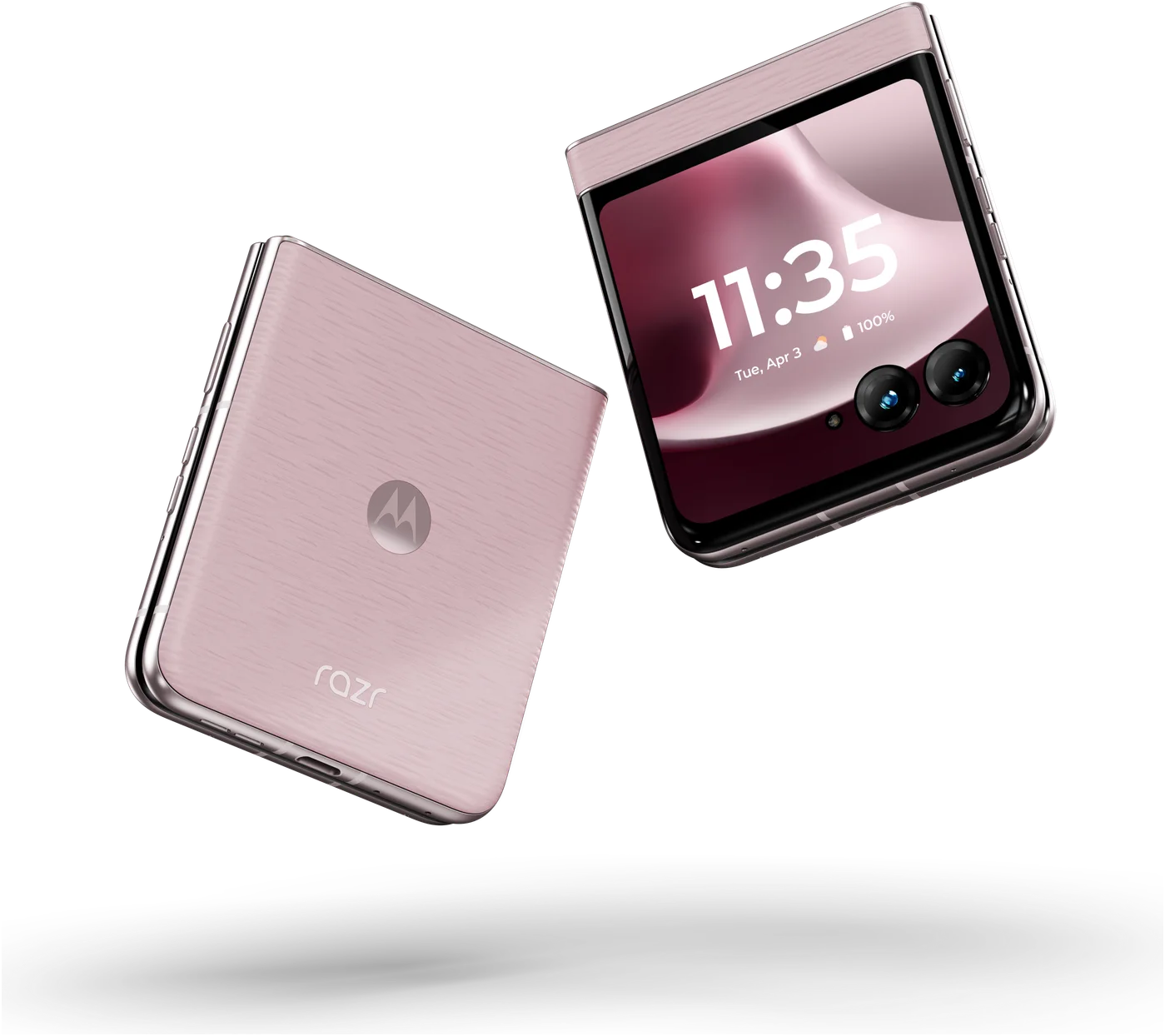
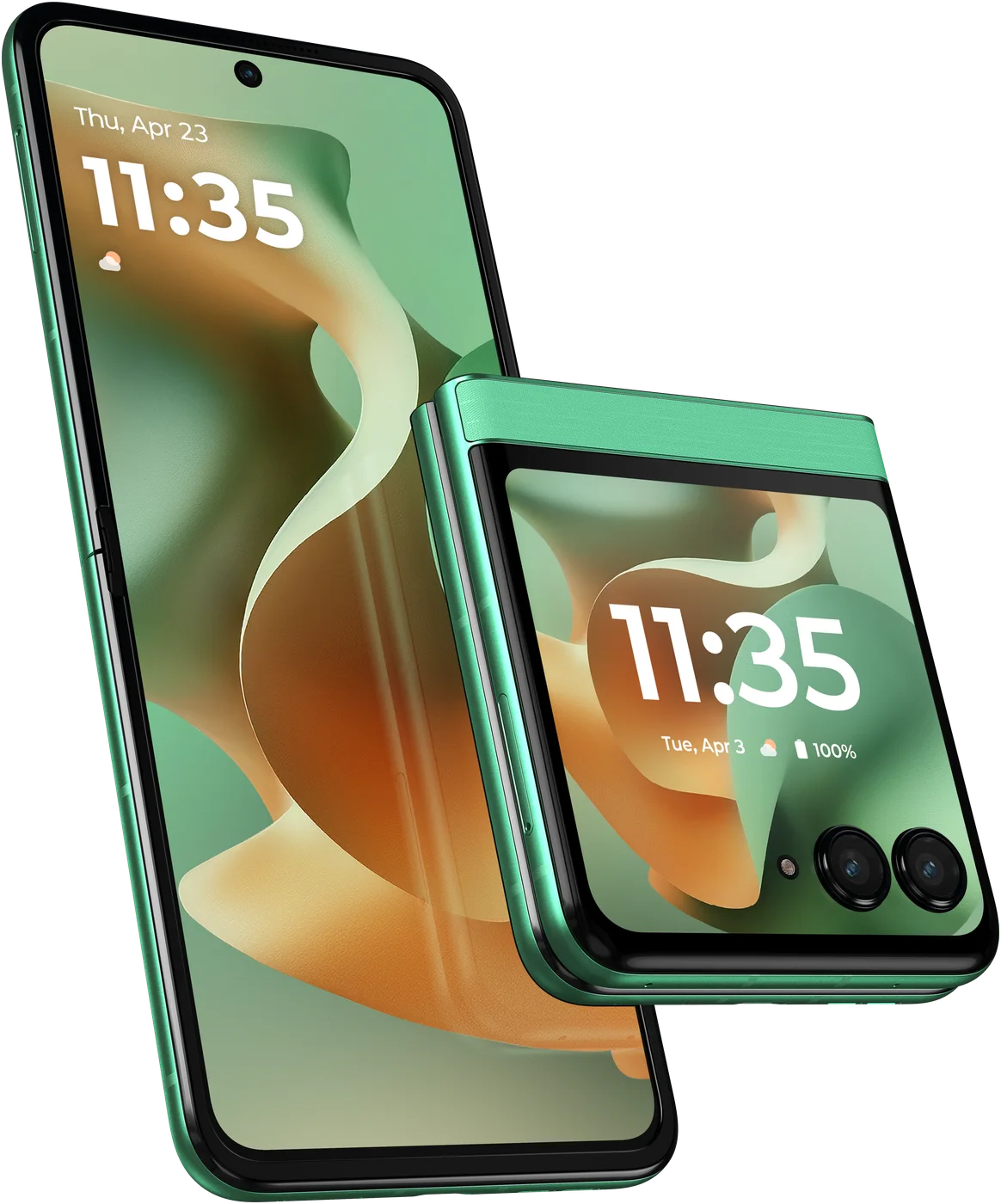
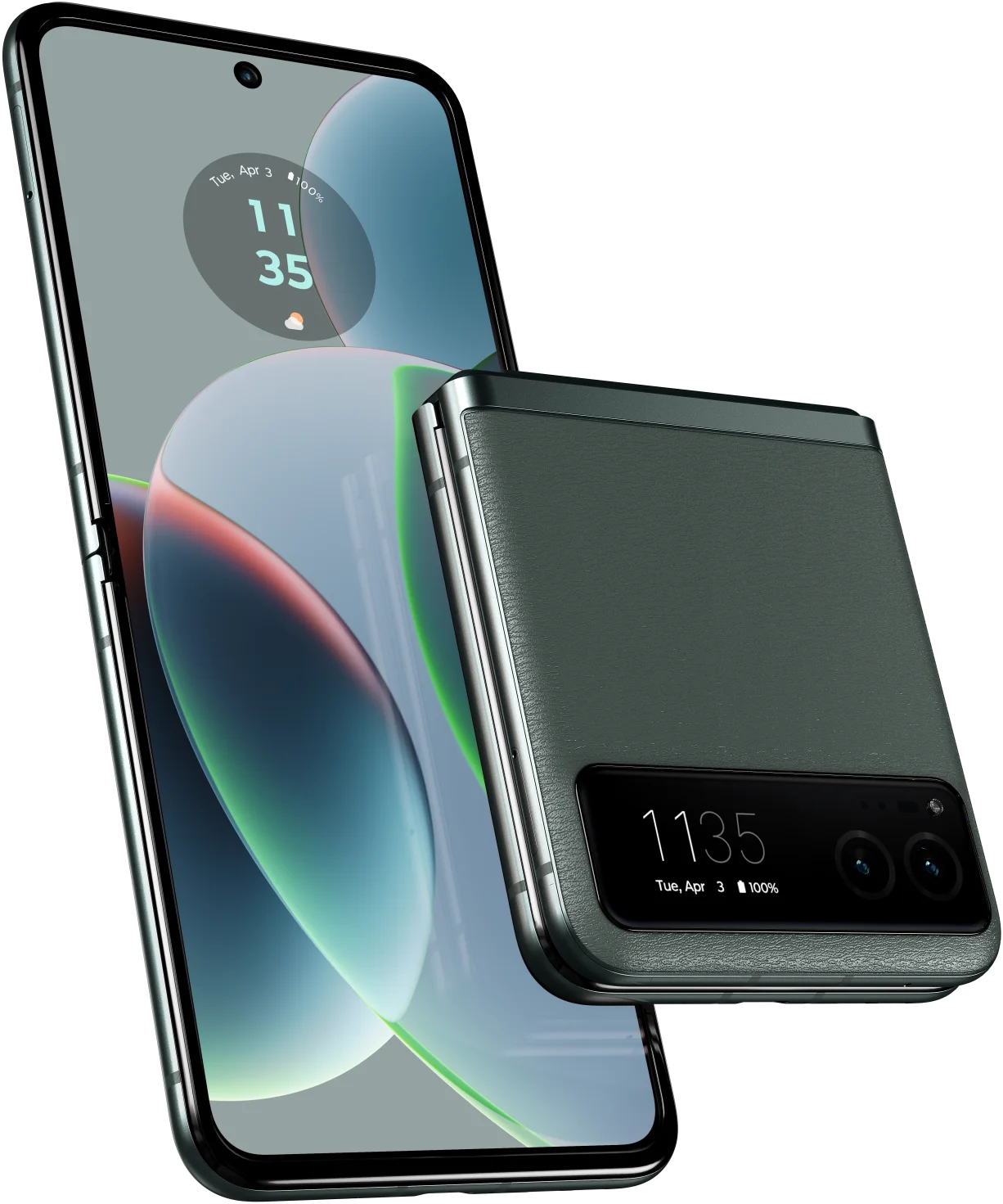
In daily use, the Razr (2024) is usually described as a genuinely fun and capable budget flip phone, with the 3.6-inch cover screen handling notifications, quick replies, and basic navigation without needing to unfold the device for every small task.
The Dimensity 7300X chipset with 8GB of RAM manages everyday apps, messaging, and light multitasking without notable stutter, though reviewers note it is not a performance upgrade over the prior Razr generation's processor.
IPX8 water resistance is a frequently cited relief at this price point, giving buyers confidence in rain or splash exposure that budget flip phones have historically lacked.
razr
View the full specifications, dimensions, pricing, and related models.
Camera
Camera feedback centers on a 50MP main sensor with OIS and a 13MP ultrawide, a setup reviewers describe as competent for a budget flip phone though clearly a step below the pricier Razr+'s dual-lens system with telephoto.
The drop from the previous generation's 64MP main sensor to 50MP is generally viewed as an inconsequential change in practice, with reviewers noting real-world photo quality remains similar for typical daylight and indoor shots.
Battery and charging
The 4200mAh battery is generally described as sufficient for a full day of moderate to heavy use, with reviewers noting the flip form factor and efficient chipset combine to avoid the battery anxiety that plagued some earlier budget foldables.
30W wired charging and 15W wireless charging are viewed as reasonable for the price tier, without complaints about charging speed relative to the phone's battery capacity and budget positioning.
Performance
The Dimensity 7300X occupies a solid midrange tier that reviewers describe as adequate for daily use, messaging, and casual apps, though not a meaningful upgrade over the chipset used in the prior Razr generation.
8GB of RAM and 256GB of storage provide reasonable headroom for typical multitasking, with reviewers noting no significant performance complaints for everyday smartphone use at this price point.
Handling and portability
Folded, the Razr (2024) measures 73.99 mm wide, 88.08 mm tall, and 15.85 mm thick at 188 g — compact and easy to operate one-handed, with the sturdier hinge making it simple to flip open with a flick of the wrist.
Unfolded, reviewers describe the 6.9-inch internal display as comfortable to hold for typical smartphone tasks, and the hinge's ability to hold the phone open at partial angles adds practical flexibility for hands-free viewing that many flip phones lack.
Build quality
The sturdier hinge is the standout build improvement, described by multiple reviewers as a genuine upgrade that lets the phone prop itself up at various angles and feels noticeably more solid than the mechanism in the previous Razr generation.
IPX8 water resistance combined with the folding design gives the Razr (2024) a build quality reviewers rate as impressive for its price tier, even if premium materials are understandably scaled back compared with the Razr+.
Considering another Motorola razr (2024) model?
Similar size devices
This summary is based on recurring reports from public discussions.