Motorola Edge 50 Pro User Experience
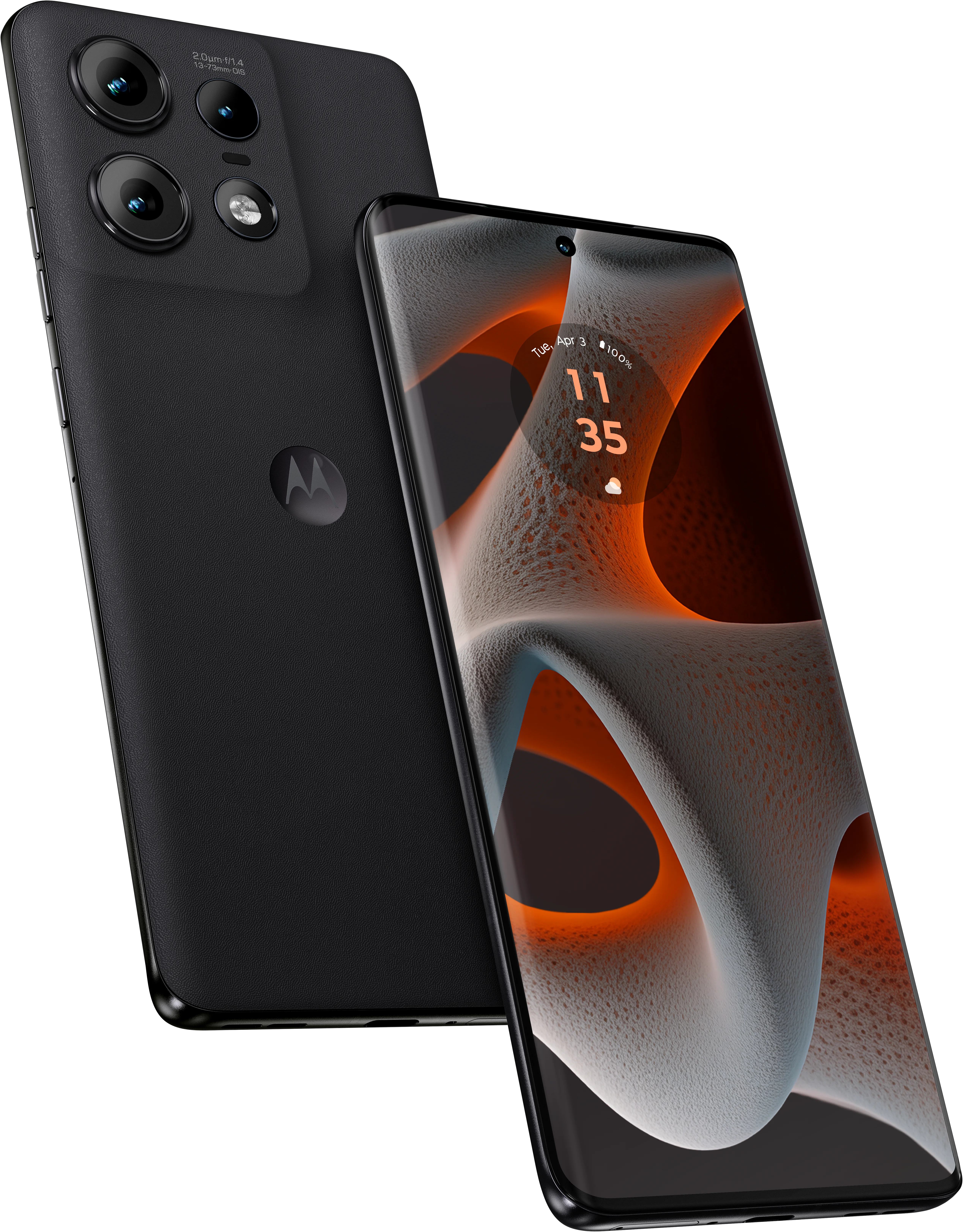
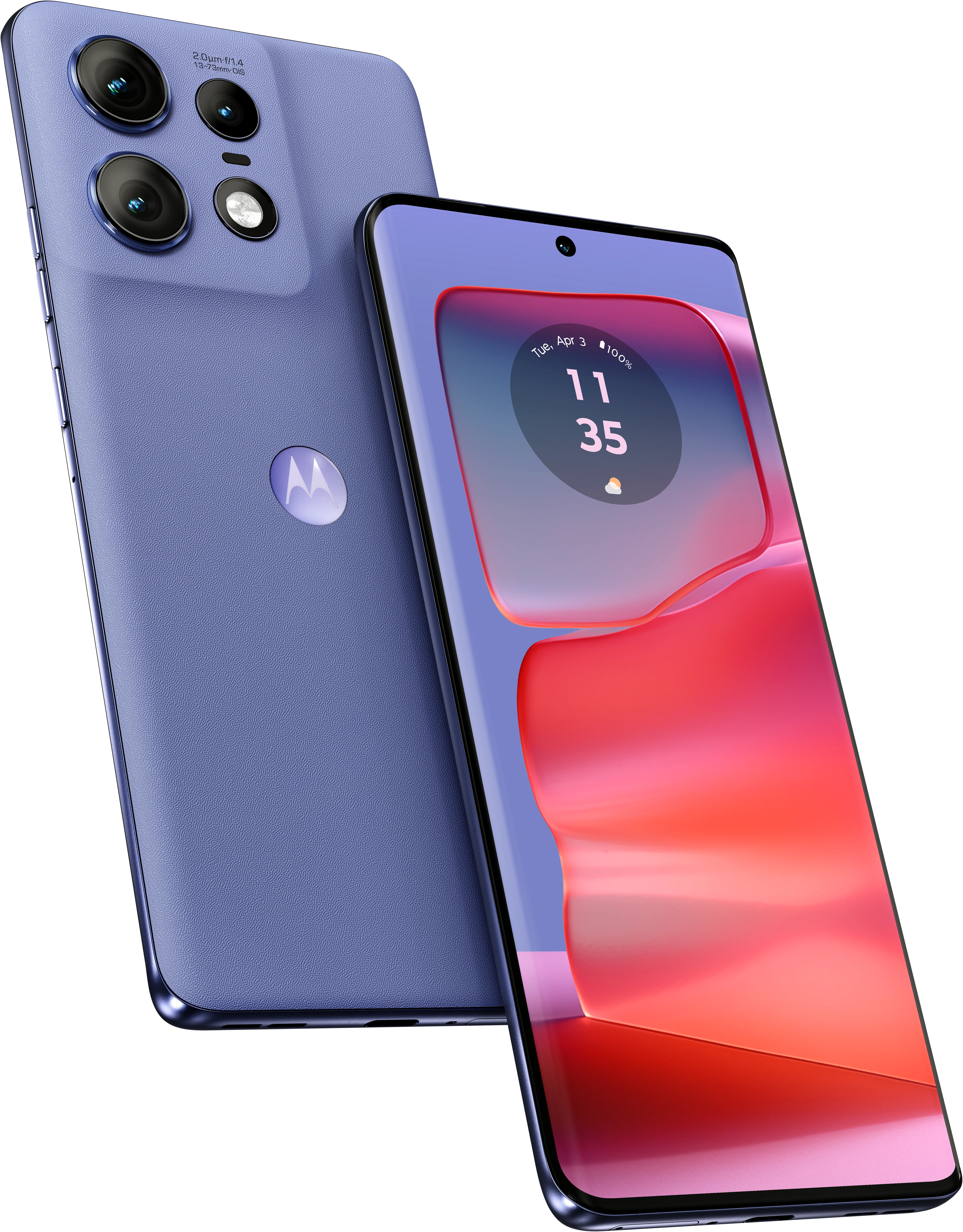
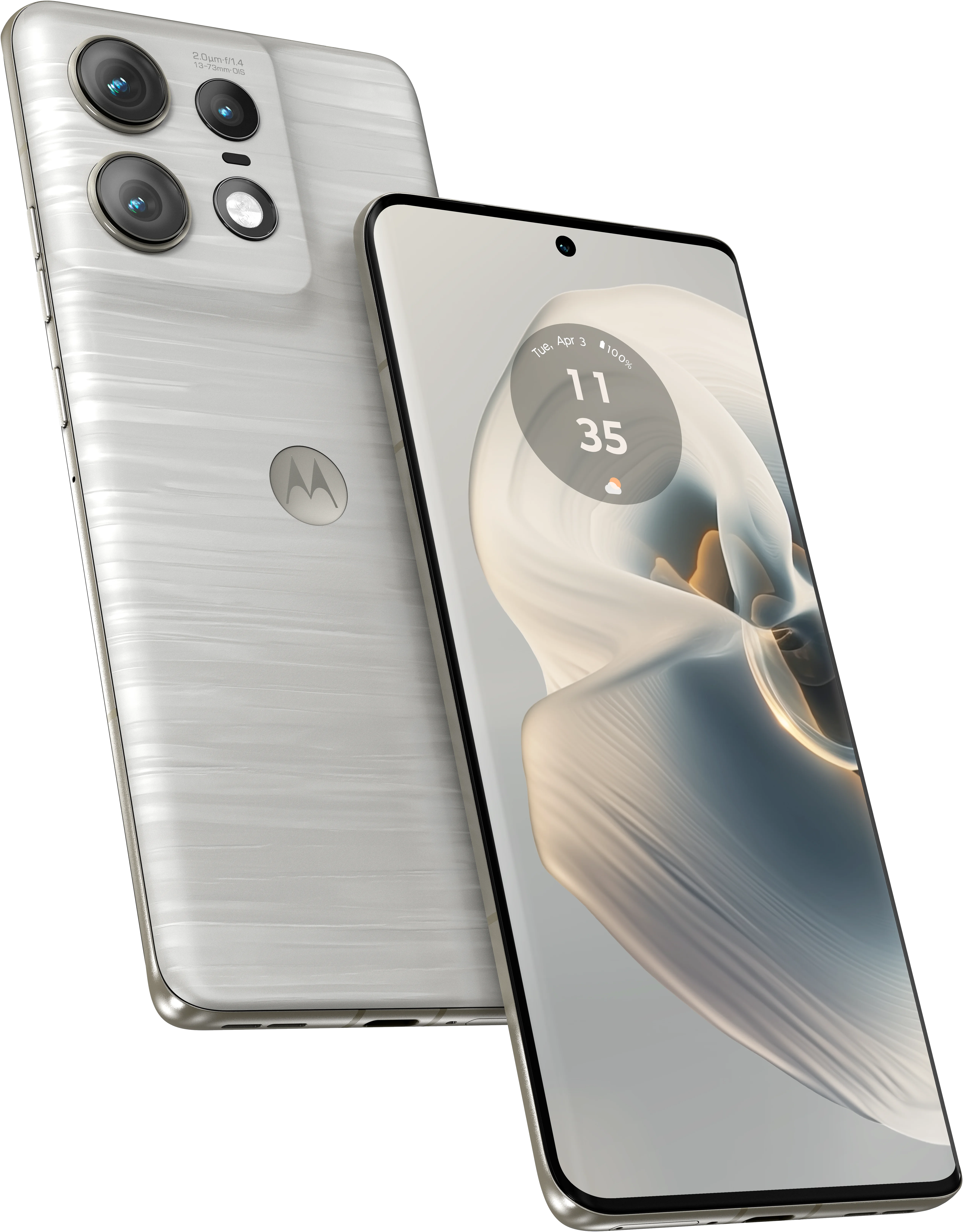
Sizometry Verdict
Editorial scores based on recurring themes across professional reviews, hands-on testing, and expert analysis.
Overall user experience
7.0
out of 10
A compact upper-midranger with a bright f/1.4 camera, a sharp 144Hz OLED display, and flagship-grade 125W charging bundled in the box — held back by a distinctly middling Snapdragon 7 Gen 3 chipset, slow camera processing, and only three years of OS updates.
Category scores
Camera
7.5
The f/1.4 main sensor and 3x telephoto impress optically, but shot-to-shot processing lags noticeably behind flagship-tier chipsets.
Battery and charging
7.0
4500mAh covers a typical day comfortably, and included 125W charging with 50W wireless makes recovery exceptionally fast.
Performance
6.0
The Snapdragon 7 Gen 3 handles daily tasks fine but drops frames in demanding games and feels like a step down from the prior Edge 40 Pro's flagship chip.
Handling and portability
8.0
186 g and a relatively compact frame make this one of the more pocket-friendly upper-midrange phones of 2024.
Build quality
8.0
IP68 sealing and a premium curved-glass design feel genuinely 'Pro' despite the midrange internals.
Value
7.0
A bundled 125W charger, wireless charging, and a strong camera at this price offset the chipset's middling reputation.
Strengths
- 125W charger included in the box with 50W wireless charging support
- Bright f/1.4 main camera with genuine 3x optical telephoto
- Compact, pocket-friendly IP68-rated build for an upper-midrange phone
Weaknesses
- Snapdragon 7 Gen 3 feels middling and a step down from the prior Edge 40 Pro's chipset
- Camera shot-to-shot processing can lag by a second or more
- Only three major Android upgrades promised at launch
Best for
- Buyers who want a compact upper-midrange phone with flagship-grade charging
- Photographers who value a bright main lens with real optical zoom
- Owners who prioritize IP68 sealing and premium build in a smaller size
- Shoppers who want a charger and fast wireless charging included
Less suitable for
- Gamers who need consistently smooth frame rates in demanding titles
- Buyers comparing directly against the flagship-chipset Edge 40 Pro
- Owners who want five-plus years of promised OS updates
- Photographers who need fast shot-to-shot camera processing
Upgrade recommendation
Current device: Two- to three-year-old midrange phones
Recommendation: Strongly recommendedNotes: The camera, display, and charging jump feels substantial even with a non-flagship Snapdragon 7 Gen 3 chipset.
Current device: Motorola Edge 40 Pro owners
Recommendation: Probably unnecessaryNotes: The prior flagship-chipset Edge 40 Pro may outperform the 50 Pro in raw processing despite this phone's camera and charging gains.
Current device: Buyers who need the fastest available gaming performance
Recommendation: Worth consideringNotes: The Edge 50 Ultra or true flagship phones better serve heavy gaming needs than the Pro's upper-midrange silicon.
Current device: Galaxy S23 FE shoppers
Recommendation: Depends on prioritiesNotes: Samsung offers a stronger chipset and longer update pledge; the Edge 50 Pro counters with faster charging and included accessories.
Bottom line
The Motorola Edge 50 Pro earns respect as a compact 2024 upper-midranger through a bright f/1.4 camera with real telephoto reach, a sharp 144Hz OLED display, and a bundled 125W charger that beats phones twice its price on recovery speed. Its clearest trade-offs are a distinctly middling Snapdragon 7 Gen 3 chipset, camera processing that can lag by a second or more, and only three years of promised OS updates. Buyers upgrading from older midrange phones see the clearest benefits; owners of the flagship-chipset Edge 40 Pro should weigh raw performance carefully before switching.
See its real size next to another phone or tablet.
Open size comparisonOverview
Across professional reviews since its April 2024 launch, the Motorola Edge 50 Pro is generally treated as an upper-midrange phone that looks and feels more expensive than its Snapdragon 7 Gen 3 chipset suggests. Reviewers consistently frame it as a device where display, camera hardware, and charging speed outpace raw processing power.
The most repeated theme is the tension between flagship-grade extras — a 125W charger bundled in the box, IP68 sealing, and a genuinely capable triple-camera system with an f/1.4 main lens — and a chipset several reviewers describe as the phone's clear weak point, since the Edge 40 Pro one generation earlier used a true flagship Snapdragon.
Daily use
In daily use, the Edge 50 Pro is usually described as snappy enough for messaging, browsing, and social apps, though reviewers note that demanding games can drop frames and that camera shot processing sometimes takes a noticeable beat longer than rivals.
The 6.67-inch 144Hz P-OLED display is a consistent highlight — sharp, fast, and rated up to 2000-2500 nits peak brightness by different sources, making it feel like a genuinely premium screen regardless of the chipset underneath.
Owners and reviewers alike single out the bundled 125W charger as a standout convenience most rivals at this price do not include, alongside 50W wireless charging that further separates the Pro from cheaper Edge 50 siblings.
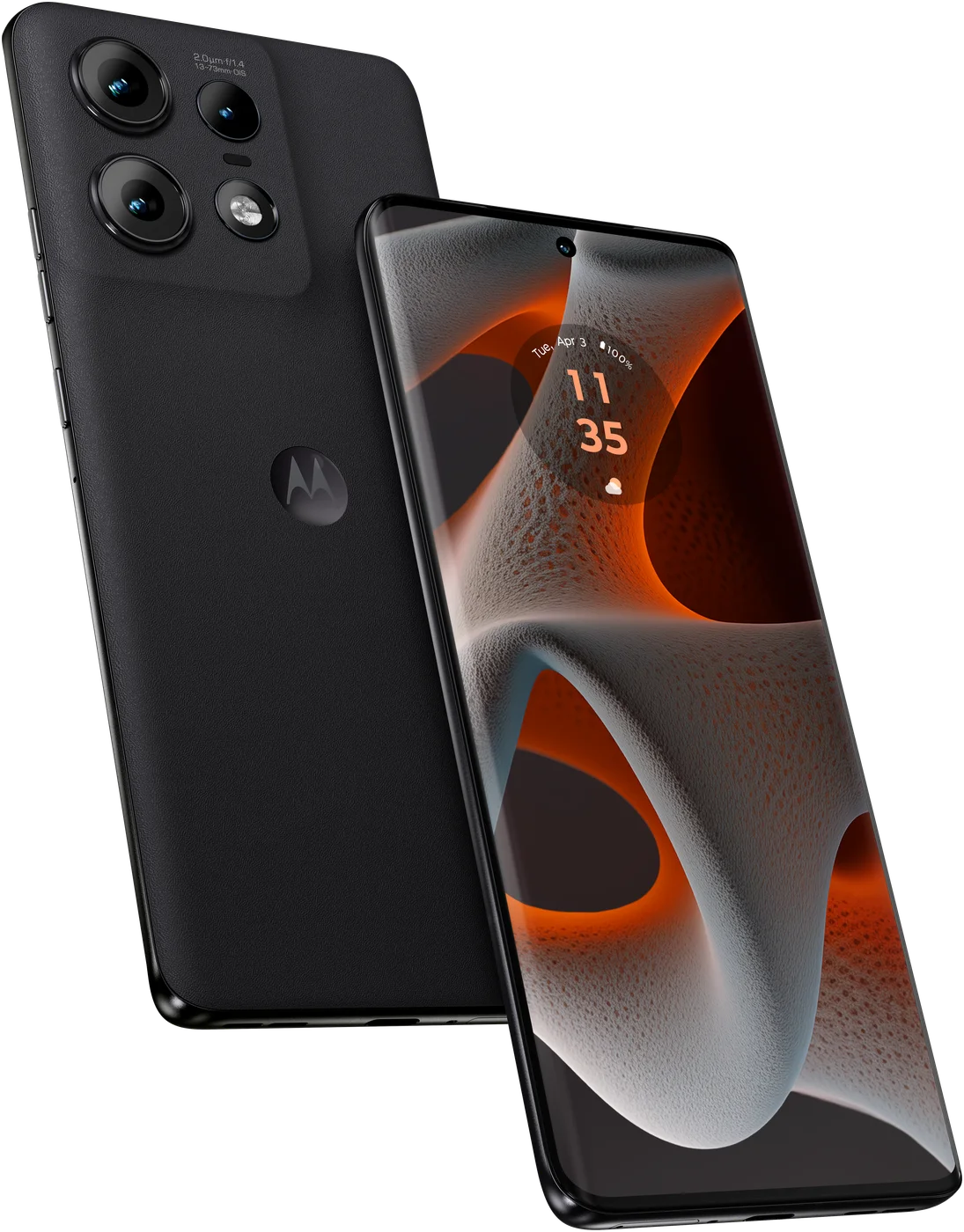
edge 50 pro
View the full specifications, dimensions, pricing, and related models.
Camera
Camera feedback centers on a genuinely capable triple-lens setup: the 50MP f/1.4 main sensor with OIS handles low light well thanks to its large aperture and sensor size, while the 10MP 3x telephoto and autofocus-equipped 13MP ultrawide round out a system reviewers describe as impressive for the price tier.
The main criticism is processing speed rather than image quality — several reviewers note that shot-to-shot processing can take a second or more, a limitation tied to the Snapdragon 7 Gen 3's more modest image signal processor compared with flagship chipsets.
Battery and charging
The 4500mAh battery is generally described as enough for a full day of average use, though it is not a standout in raw capacity compared with some rivals carrying larger cells.
125W wired charging — with the charger included in the box — is the headline strength, delivering a full charge in roughly 18-20 minutes in independent tests, among the fastest charging available at this price. 50W wireless charging and 10W reverse wireless charging add further convenience most competitors lack.
Performance
The Snapdragon 7 Gen 3 is consistently described as the phone's most middling component — swiping and everyday navigation feel snappy, but reviewers note dropped frames in demanding games and occasional app-loading delays.
Reviewers frequently draw a direct comparison with the previous-generation Edge 40 Pro, which used a genuine flagship Snapdragon chipset, framing the 50 Pro's move to upper-midrange silicon as a clear step down in raw power even as other specs improved.
Handling and portability
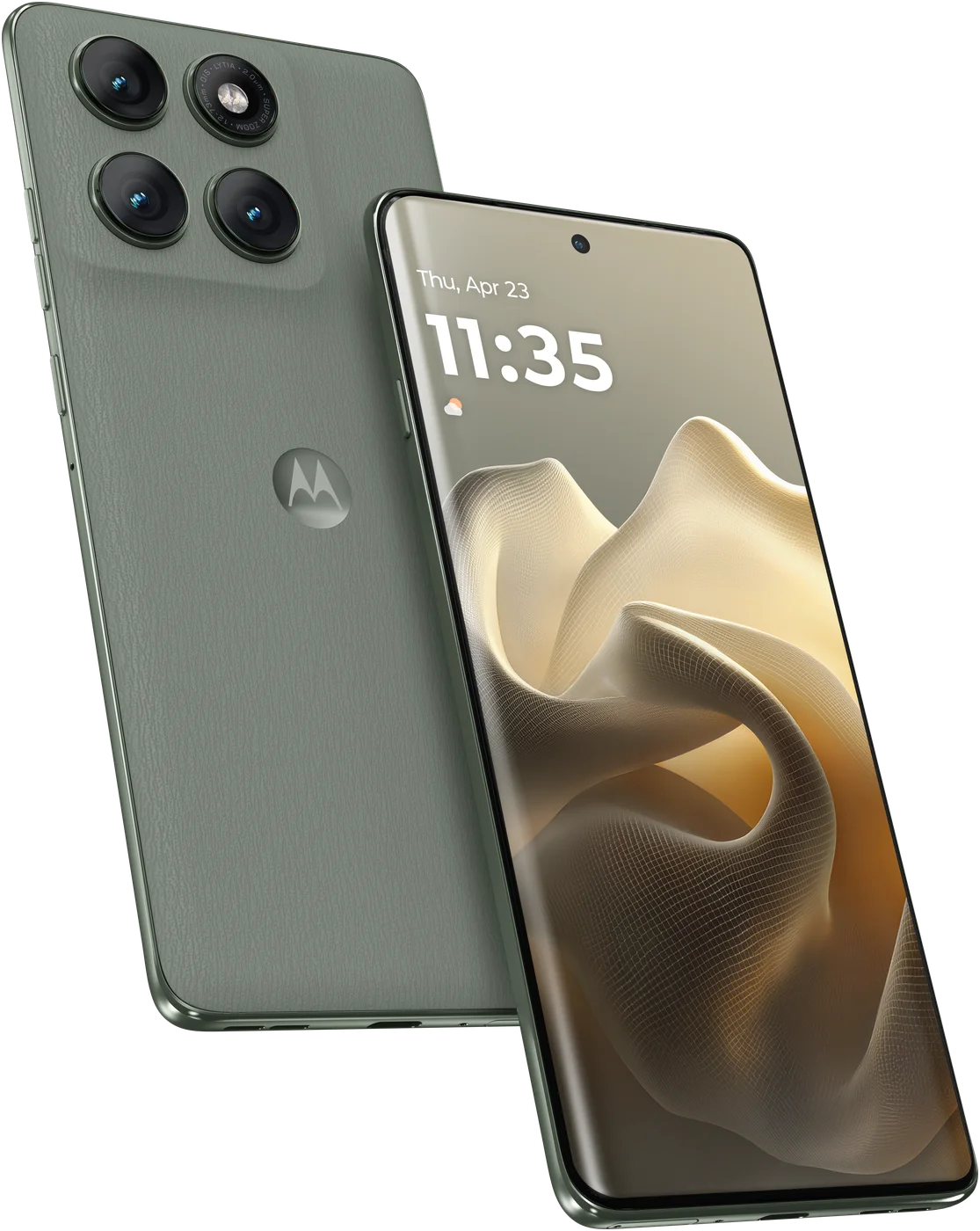
At 72.4 mm wide, 161.23 mm tall, and 186 g, the Edge 50 Pro is described by reviewers as relatively compact and pocket-friendly for an upper-midrange phone with this much camera and battery hardware packed in.
The curved display and IP68-rated aluminum-and-glass build combine for a grip that feels secure without excess bulk, and reviewers repeatedly note the size as one of the phone's more underrated strengths next to larger 2024 rivals.
Build quality
IP68 water and dust resistance in a relatively compact, well-built frame is repeatedly praised as befitting the 'Pro' name, and the curved-glass design feels premium in hand despite the midrange chipset inside.
Overall build quality reads as a genuine strength of the Edge 50 Pro — reviewers describe it as one of the more compact and pocket-friendly options among 2024's upper-midrange phones, without sacrificing sealing or material quality.
Similar size devices
This summary is based on recurring reports from public discussions.