Moto G 5G (2024) User Experience
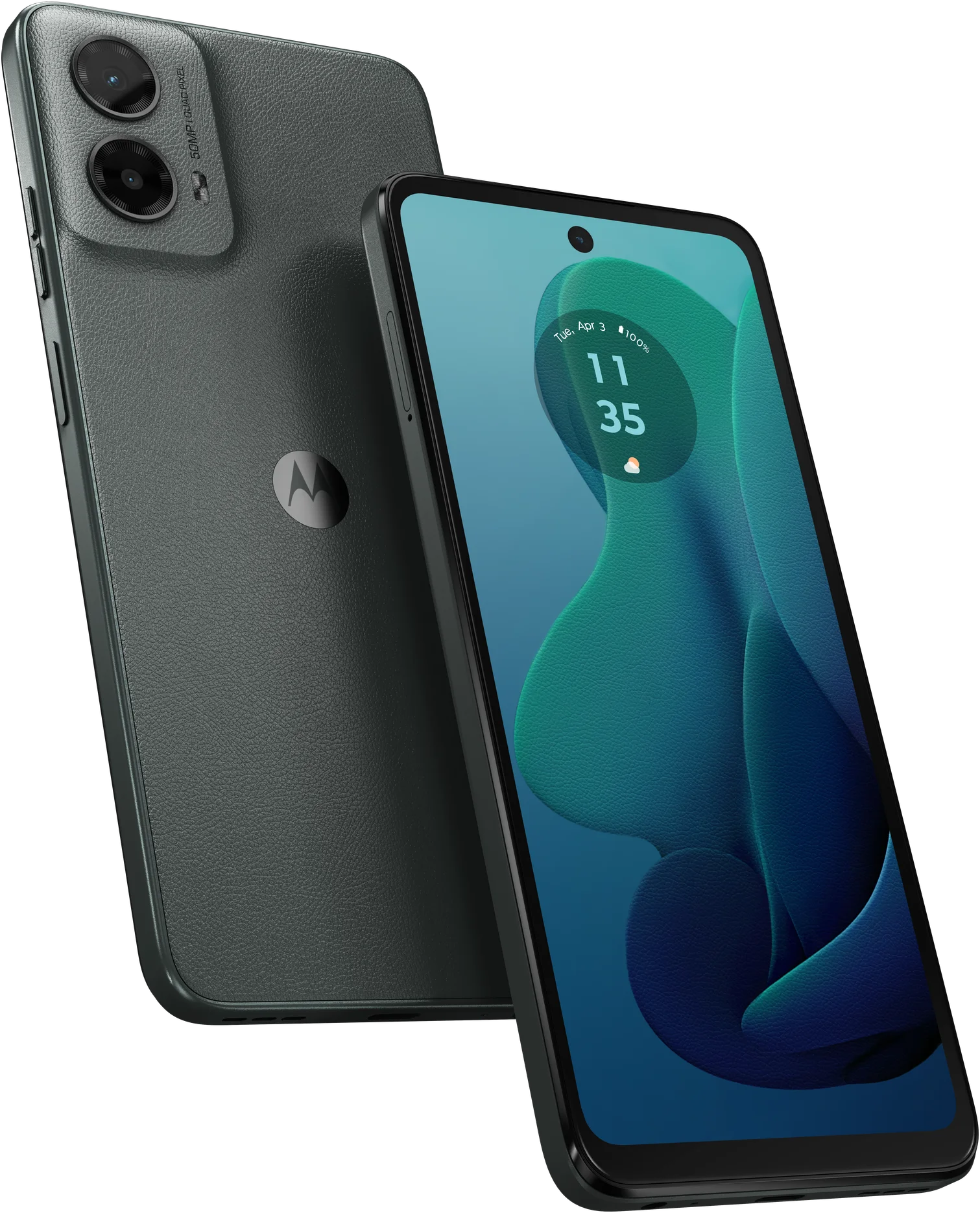
Sizometry Verdict
Editorial scores based on recurring themes across professional reviews, hands-on testing, and expert analysis.
Overall user experience
6.5
out of 10
A value-focused 5G phone that finally adds NFC support at an accessible price with excellent battery efficiency, balanced against the loss of the ultrawide camera and wireless charging found on the pricier Moto G Power. Review coverage for this specific model is thinner than for Motorola's higher-tier devices.
Category scores
Camera
5.5
The main sensor is competent in daylight, but the lack of an ultrawide lens limits versatility compared with the pricier Moto G Power.
Battery and charging
7.5
The 5000mAh battery delivers reliable full-day efficiency, though it drops the wireless charging found on the pricier Moto G Power.
Performance
5.5
The Snapdragon 4 Gen 1 handles light-to-moderate tasks adequately but is clearly not intended for demanding games or heavy multitasking.
Handling and portability
6.5
185g and standard dimensions make this a manageable phone for one-handed use without unusual reach issues.
Build quality
6.0
A plastic frame and back are adequate for the price tier, without standout durability features mentioned in available coverage.
Value
7.0
Affordable 5G connectivity with NFC support offers solid value, offset by the loss of camera versatility and wireless charging.
Strengths
- Finally adds NFC support at an accessible price, enabling contactless payments
- Excellent battery efficiency delivers reliable full-day life
- Affordable path to 5G connectivity for budget-conscious buyers
Weaknesses
- No ultrawide camera lens, unlike the pricier Moto G Power (2024)
- No wireless charging, unlike the pricier Moto G Power (2024)
- Snapdragon 4 Gen 1 is clearly positioned for light-to-moderate tasks
Best for
- Budget-conscious buyers who want affordable 5G connectivity with NFC
- Users who prioritize battery efficiency and contactless payment support
- Owners who mainly use their phone for messaging and browsing
- Shoppers comfortable trading camera versatility for a lower price
Less suitable for
- Photography enthusiasts who want an ultrawide lens option
- Users who want wireless charging convenience
- Mobile gamers who need consistent performance for demanding titles
- Buyers who want the sharpest possible display for the price
Upgrade recommendation
Current device: Older budget phones lacking NFC or 5G
Recommendation: Worth consideringNotes: The added connectivity offers meaningful, tangible value at an accessible price point.
Current device: Buyers who want an ultrawide camera or wireless charging
Recommendation: Depends on prioritiesNotes: The pricier Moto G Power (2024) includes both features this model omits to hit its lower price point.
Bottom line
The Moto G 5G (2024) offers a value-focused path to 5G connectivity, finally adding NFC support at an accessible price with excellent battery efficiency. Its clearest trade-offs are the loss of the ultrawide camera and wireless charging found on the pricier Moto G Power (2024). Review coverage for this specific model is thinner than for Motorola's higher-tier devices, so this assessment leans conservative and reflects the limited evidence available. Buyers who mainly want affordable 5G with NFC and strong battery efficiency should be well served; those wanting camera versatility or wireless charging should look toward the Moto G Power instead.
See its real size next to another phone or tablet.
Open size comparisonOverview
Review coverage for the Moto G 5G (2024) is noticeably thinner than for Motorola's more prominent midrange devices, with available assessments coming primarily from budget phone comparisons rather than dedicated long-term reviews.
The available picture is consistent, if less exhaustively documented: this is a value-focused 5G phone built around a Snapdragon 4 Gen 1, notable for finally adding NFC support at this price tier — a feature many budget phones have historically lacked. The trade-offs most frequently noted are the absence of an ultrawide camera and wireless charging, both present on the pricier Moto G Power (2024).
Daily use
In everyday use, available sources describe the Moto G 5G (2024) as capable of handling messaging, browsing, and social apps without major issues, with the Snapdragon 4 Gen 1 positioned as sufficient for light-to-moderate daily tasks.
The addition of NFC support is frequently cited as a meaningful practical upgrade, finally enabling contactless payments and quick device pairing that budget Motorola phones have often skipped in the past.
Motorola's near-stock Android software remains a consistent point of praise across the budget lineup, and available sources note it feels no less clean or responsive on this model than on pricier stablemates.
Given thinner review coverage for this specific model, day-to-day characterizations here reflect the general budget-phone pattern seen across available sources rather than exhaustive long-term testing.
moto g
View the full specifications, dimensions, pricing, and related models.
Camera
The camera system trades away the ultrawide lens found on the pricier Moto G Power (2024), leaving a main sensor that available sources describe as competent in daylight but limited in versatility compared with stablemates offering a wider field of view.
Low-light photography is generally described as adequate for casual use but not a strength, consistent with expectations for this price and positioning within Motorola's lineup.
The absence of an ultrawide lens is the most frequently cited camera limitation in available comparisons against the pricier Moto G Power (2024).
Battery and charging
The 5000mAh battery is consistently described as delivering excellent efficiency across the lineup, with available sources reporting reliable full-day battery life under typical use.
Unlike the pricier Moto G Power (2024), this model drops wireless charging, relying solely on wired charging — a trade-off available sources frame as reasonable given the phone's more accessible price point.
Given the thinner review pool for this specific model, exact endurance figures vary somewhat between sources, though the general pattern of solid battery efficiency holds consistently across available coverage.
Performance
The Snapdragon 4 Gen 1 occupies an entry-to-midrange tier that available sources describe as sufficient for messaging, light browsing, and casual apps, but clearly not intended for demanding games or heavy multitasking.
Given the thinner review pool for this specific model, performance characterizations here are drawn from a smaller set of sources than higher-profile Motorola devices typically receive.
Everyday multitasking with messaging, browsing, and light social apps generally stays smooth across most scenarios, with the chipset clearly prioritizing efficiency over maximum throughput.
Handling and portability
At 74.96 mm wide, 164.39 mm tall, and 8.23 mm thick, the Moto G 5G (2024) sits in a fairly standard size range for a budget phone, and available sources describe it as manageable for one-handed use.
The 185g weight is unremarkable for the category, and the plastic build is generally described as adequate for typical daily handling.
Build quality
The plastic frame and back are described as adequate for the price tier, without standout durability features mentioned in available coverage.
Given the thinner review coverage for this specific model, build quality assessments here are drawn from a smaller pool of sources than higher-tier Motorola devices typically receive.
In hand, the phone shares a similar design language with the Moto G Power (2024), though it forgoes that model's added protective certifications and larger battery housing.
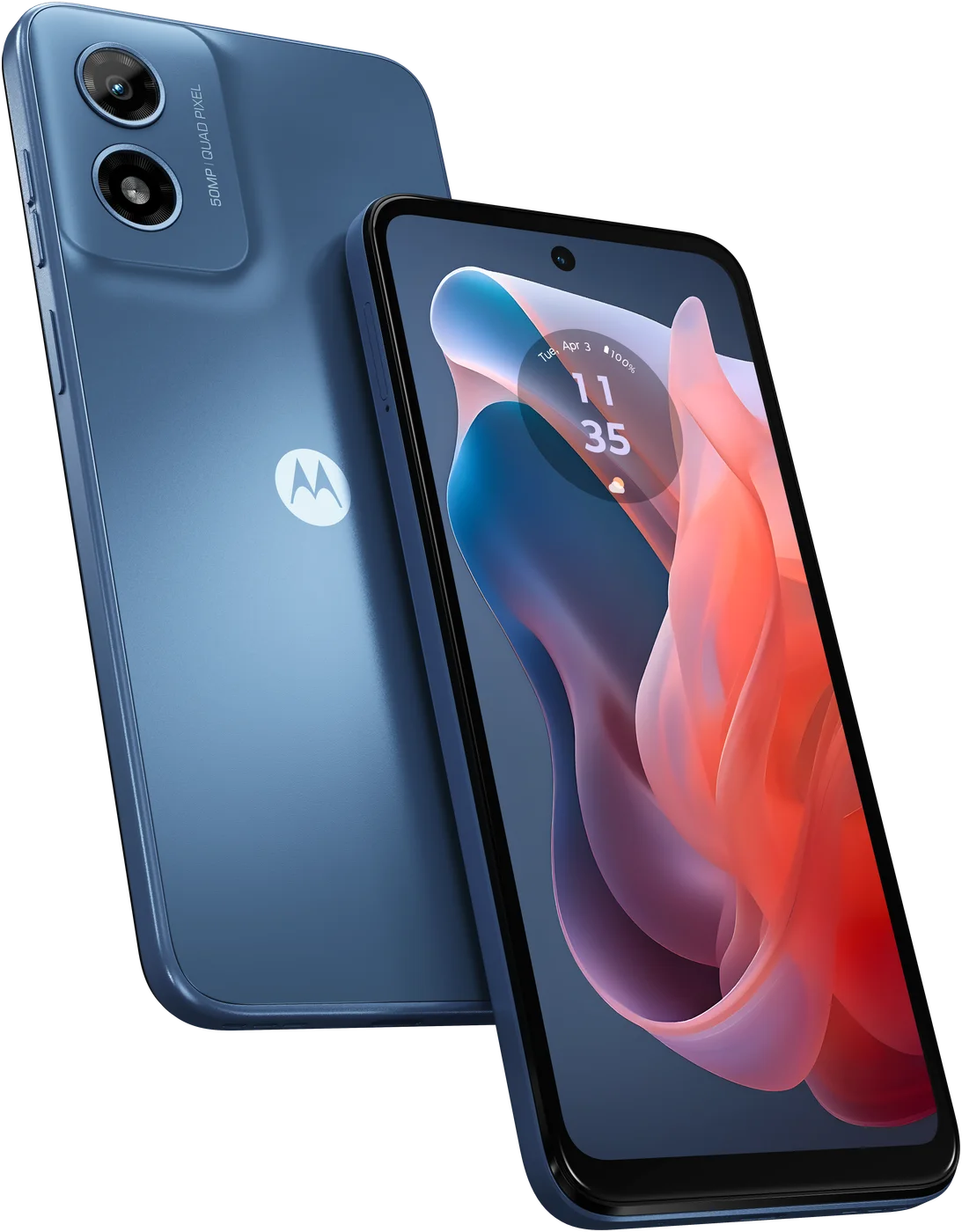
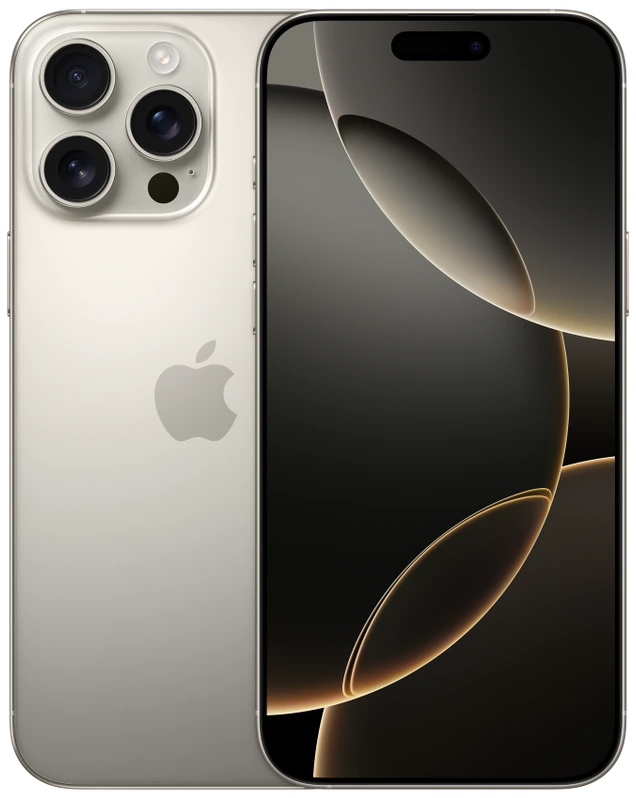
Similar size devices
This summary is based on recurring reports from public discussions.