iPhone 17e User Experience
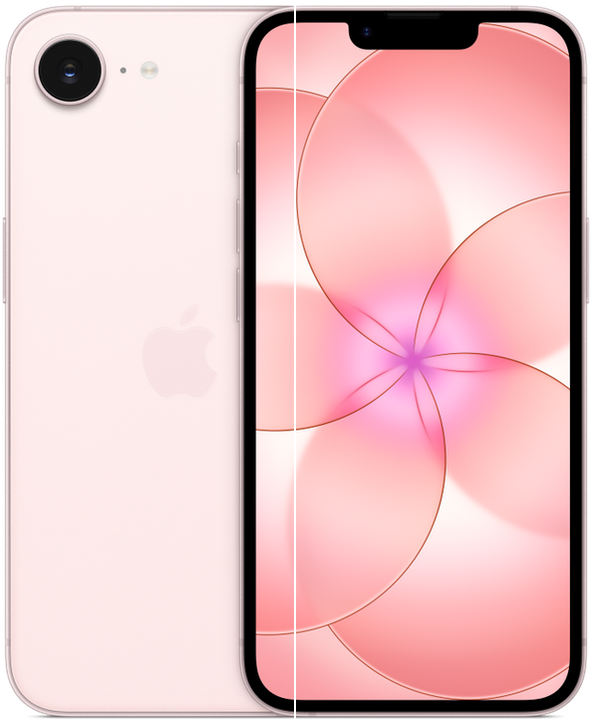
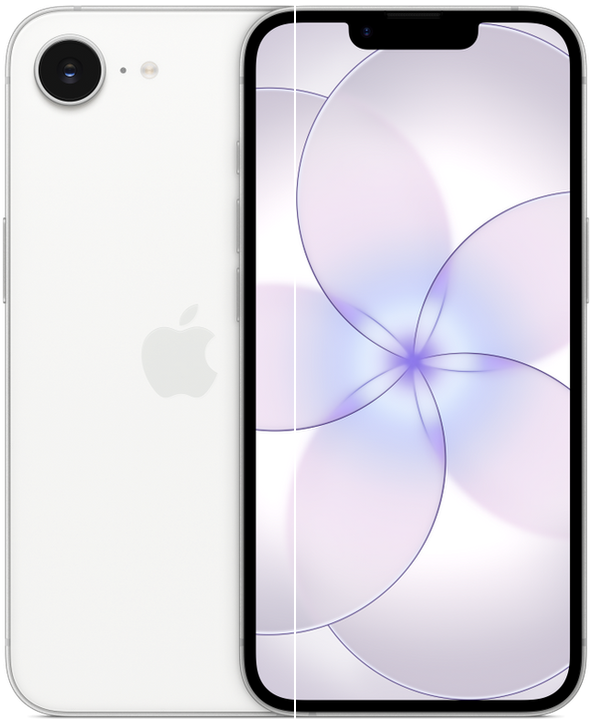
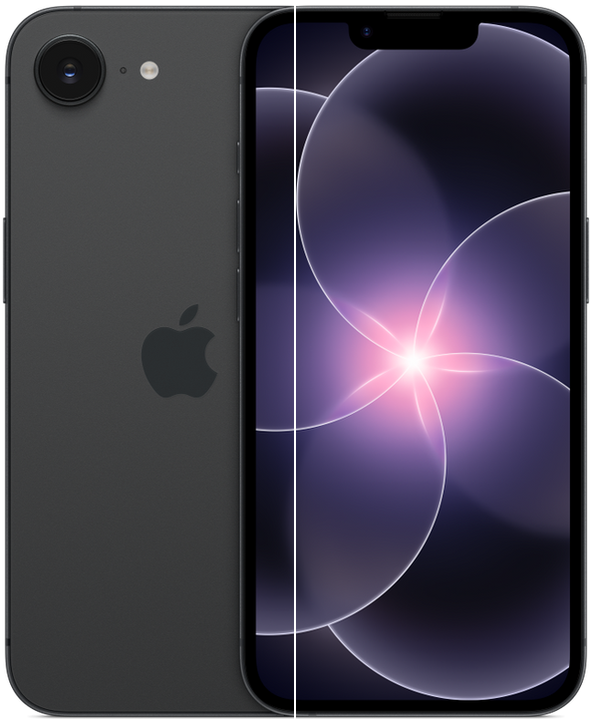
Sizometry Verdict
Editorial scores based on recurring themes across professional reviews, hands-on testing, and expert analysis.
Overall user experience
7.5
out of 10
A practical budget iPhone that fixes key 16e gaps with MagSafe and 256GB storage, while asking visible compromises on display and camera versatility.
Category scores
Camera
6.5
Adequate 48MP results for casual shooting, with single-lens limits on ultrawide and zoom versatility.
Battery and charging
7.5
Comfortable reported endurance for typical days, improved versus 16e and older iPhones, though not class-leading.
Performance
8.0
Fast routine use with occasional warmth under sustained load.
Handling and portability
8.5
Manageable daily carry with familiar reach and pocket trade-offs for the size class.
Build quality
7.5
Solid materials and familiar iPhone tolerances, with a dated notch-and-bezel presentation.
Value
7.5
Balanced capability for the price with deliberate omissions versus higher tiers.
Strengths
- MagSafe support versus the iPhone 16e
- 256GB base storage at $599
- A19 performance for everyday tasks
- Light, manageable size at 169 g
Weaknesses
- 60Hz display feels behind the iPhone 17
- Single rear camera limits framing options
- Notch design reads as older generation
- Slower 15W MagSafe than the standard iPhone 17
Best for
- iPhone 11–13 owners on a budget
- Cheapest new iPhone shoppers
- Casual photographers who value simplicity
- Users prioritizing MagSafe and storage over display
Less suitable for
- Flagship buyers expecting 120Hz and modern design
- Current iPhone 16e owners
- Users who need ultrawide or telephoto hardware
- Shoppers who can justify the iPhone 17 step up
Upgrade recommendation
Current device: iPhone 11, 12, or 13
Recommendation: Strongly recommendedNotes: A19 speed, MagSafe, 256GB base, and improved battery reports address multi-generation pain points.
Current device: iPhone 14 generation
Recommendation: Worth consideringNotes: Gains matter mainly if battery health, storage, or MagSafe accessories are daily frustrations.
Current device: iPhone 16e
Recommendation: Probably unnecessaryNotes: MagSafe and storage fixes are real, but many 16e owners see insufficient reason to switch so soon.
Current device: iPhone 15 or 16 standard
Recommendation: Probably unnecessaryNotes: Recent standard-model owners already have capable hardware; the 17e reads as lateral or downward on display.
Current device: Deciding between 17e and iPhone 17
Recommendation: Depends on prioritiesNotes: The iPhone 17 is widely seen as better value at +$200 when 120Hz, ultrawide, and faster MagSafe matter weekly.
Current device: Budget Android or very old phone
Recommendation: Worth consideringNotes: A sensible Apple ecosystem entry when price caps rule out the standard iPhone 17.
Bottom line
The iPhone 17e earns attention as Apple’s most approachable new iPhone, not as a flagship substitute. MagSafe restoration and 256GB base storage address the clearest complaints about the 16e, while the A19 chip and improved battery reports make it a rational upgrade path from iPhone 11 through 13. The compromises are visible: 60Hz display, notch-era design, a single rear camera, and slower magnetic charging than the iPhone 17. Early consensus suggests most buyers who can stretch the price gap should consider the standard iPhone 17 instead; the 17e fits shoppers with a firm budget who accept those trade-offs.
See its real size next to another phone or tablet.
Open size comparisonOverview
In reviews following its early 2026 launch, the iPhone 17e is widely framed as Apple’s most accessible new iPhone — a compromise phone that trades display polish and camera flexibility for a lower entry price while closing two long-standing “e” line gaps: MagSafe support and a 256GB storage floor.
This summary focuses on daily handling, endurance, camera limits, and who the device suits best — not benchmark rankings.
Daily use
In daily use, the iPhone 17e is described as responsive and predictable rather than flashy. App launches and camera readiness benefit from the A19 chip, and upgraders from older A-series devices often report clear speed gains. Scrolling remains locked to 60Hz — noticeable when switching from 120Hz iPhones or many Android peers.
Routine handoffs between messaging, maps, camera, and browser tabs are reported as reliable. Few threads cite crashes or systemic lag under normal workloads. Friction tends to involve display expectations or camera framing rather than core instability.
iOS 26 stability in notifications, widgets, and media playback receives quiet early feedback, though software intelligence features vary by region. The notch-based Face ID layout and absence of Action button or Always-On display mark the phone closer to older standard iPhones than the current iPhone 17 tier.
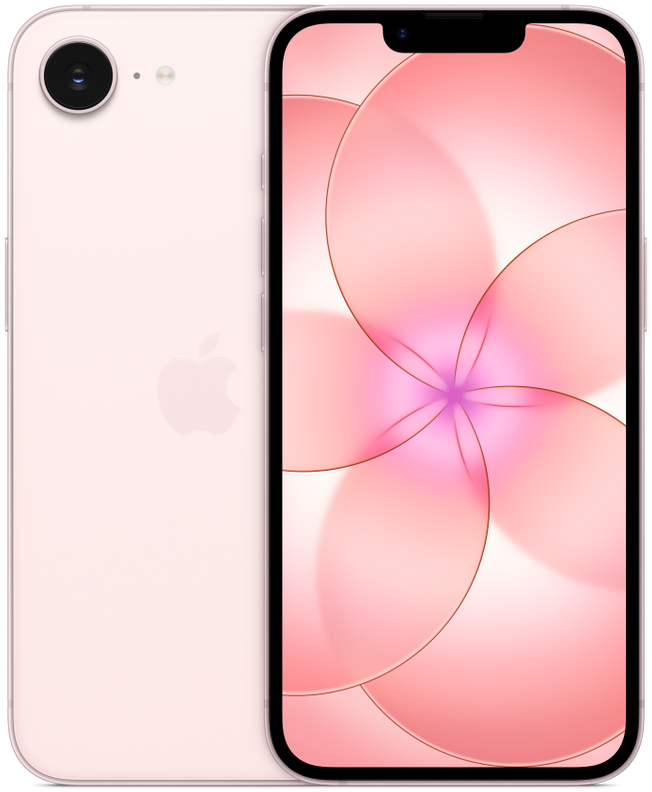
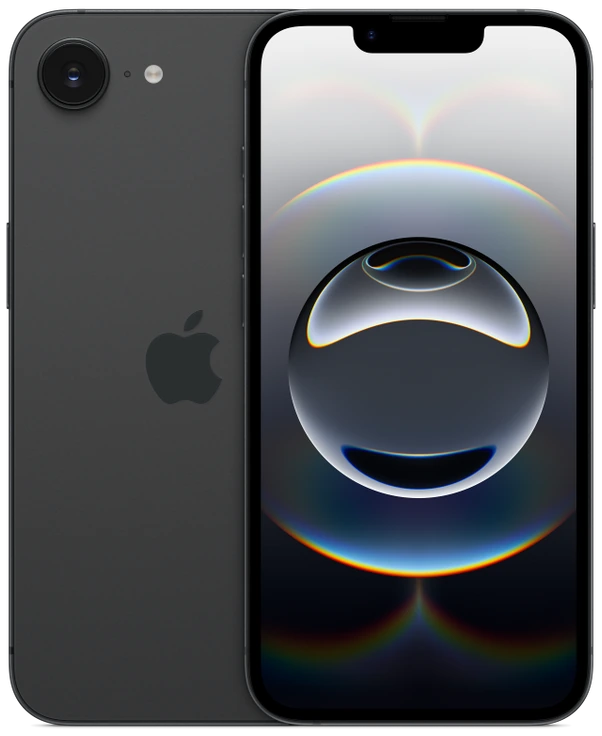
iPhone 17e
View the full specifications, dimensions, pricing, and related models.
Camera
Camera feedback centers on adequacy for casual use rather than versatility. The single 48MP rear sensor delivers reliable color and exposure for family photos and everyday scenes — dependable for social sharing, but narrower than dual-camera iPhones.
The absence of ultrawide is the most cited practical limit. Group shots in tight spaces and landscapes that need a wider field push owners toward digital workarounds. Reviewers comparing against the iPhone 17 treat the ultrawide gap as a daily-use difference, not only a spec-sheet one.
Battery and charging
Early daily reports align around comfortable all-day endurance for moderate use: messaging, social apps, navigation, and intermittent media. Many describe meaningful improvement versus the iPhone 16e and an easier day than iPhone 11 or 12 owners remember — though heavy streaming or GPS still often leads to a pre-bedtime top-up.
Wired charging is described in the roughly 20–25W range depending on source and cable. Wireless 15W MagSafe is widely considered acceptable overnight even when it trails the iPhone 17’s faster magnetic charging in timed tests.
Performance
App launching, camera processing, and routine multitasking are described as fast in early accounts, with little lag under normal workloads. The A19 with 8GB RAM handles current iOS without the compromise older budget iPhones sometimes developed.
Side-by-side with the iPhone 17, chip performance feels similar for everyday tasks while display refresh creates the more noticeable gap. Gaming feedback is positive for mainstream titles, though rarely a primary purchase reason here.
Handling and portability
At 71.5 mm wide and 146.7 mm tall, the iPhone 17e is slightly shorter than the standard iPhone 17 and lighter at 169 g. Early handling reports classify it as manageable for one-handed use, with reduced height helping thumb reach on the lower and middle display.
The flat-sided aluminum frame produces a secure grip without hand strain some report on heavier phones. Side controls remain within comfortable thumb range when gripped naturally — a detail owners switching from wider devices mention as a daily convenience.
The notch and thicker bezels reduce usable display area relative to newer designs, which can make top-of-screen reach feel more constrained in perception. Slim cases preserve thumb reach; bulky rugged cases can push the phone past comfortable one-thumb territory for smaller hands.
Build quality
The aluminum frame, glass back, and Ceramic Shield front feel solid for the weight class. Buttons maintain a precise, consistent feel in early handling reports.
Cosmetic impressions are more divided. Materials quality is rarely questioned, but the notch and thicker bezels are frequently described as dated versus the iPhone 17 and 2026 Android peers — a design-era perception rather than structural failure reports.
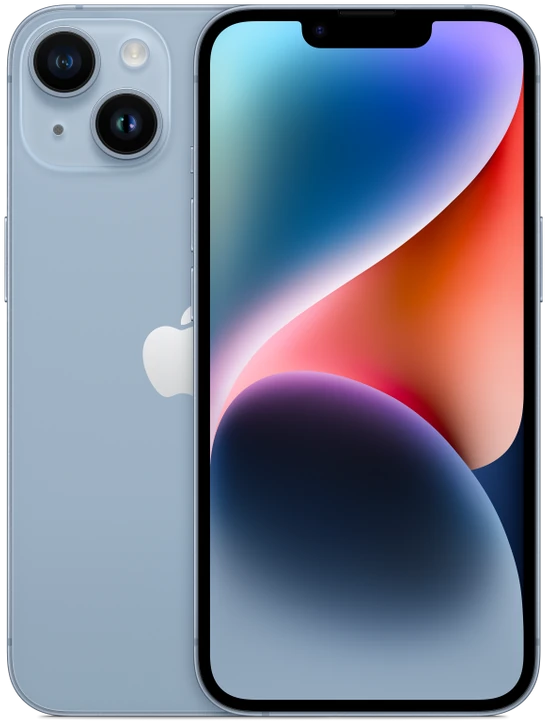
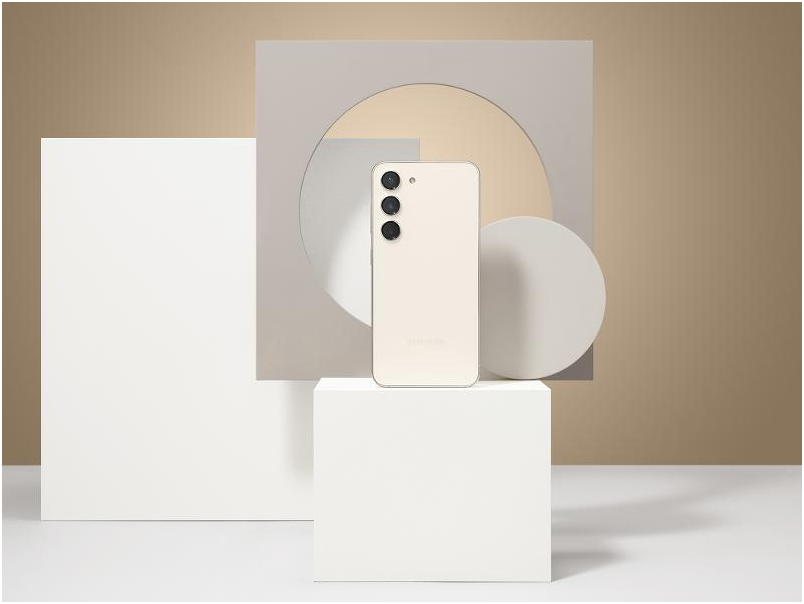
Similar size devices
This summary is based on recurring reports from public discussions.