iPhone 16e User Experience
Sizometry Verdict
Editorial scores based on recurring themes across professional reviews, hands-on testing, and expert analysis.
Overall user experience
7.0
out of 10
A capable budget iPhone with surprising battery endurance and modern A18 speed, weighed down by missing MagSafe and single-lens camera limits.
Category scores
Camera
6.5
Dependable 48MP results for casual shooting, with clear single-lens limits on ultrawide and zoom versatility.
Battery and charging
8.0
reports of strong all-day endurance, often matching or exceeding the standard iPhone 16 for moderate use.
Performance
8.0
Fast routine use with occasional warmth under sustained load.
Handling and portability
8.5
Manageable daily carry with familiar reach and pocket trade-offs for the size class.
Build quality
7.5
Solid materials and IP68 protection, with a dated notch-and-bezel presentation.
Value
7.5
Balanced capability for the price with deliberate omissions versus higher tiers.
Strengths
- Strong battery reports for a compact iPhone
- Light 167 g weight with excellent handling
- A18 performance for everyday tasks
- Lowest new iPhone entry price with current silicon
Weaknesses
- No native MagSafe support
- 60Hz display and notch-era front design
- Single rear camera limits framing options
- No ultrawideband for precision AirTag finding
Best for
- iPhone 11–13 owners on a tight budget
- Cable-first chargers without MagSafe ecosystems
- Casual photographers who value simplicity
- Shoppers prioritizing weight and battery over display polish
Less suitable for
- MagSafe accessory households
- Display enthusiasts expecting 120Hz
- Users who need ultrawide or telephoto hardware
- Shoppers who can justify the iPhone 16 step up
Upgrade recommendation
Current device: iPhone 11, 12, or SE generation
Recommendation: Strongly recommendedNotes: A18 speed, improved battery reports, and USB-C address multi-generation pain points at an accessible price.
Current device: iPhone 13 generation
Recommendation: Worth consideringNotes: Gains matter mainly if battery health, storage, or camera quality are daily frustrations.
Current device: iPhone 14 generation
Recommendation: Depends on prioritiesNotes: Dual-camera flexibility and MagSafe on the standard iPhone 16 may outweigh savings unless budget is firm.
Current device: Deciding between 16e and iPhone 16
Recommendation: Depends on prioritiesNotes: The iPhone 16 is widely seen as better value at +$200 when MagSafe, ultrawide, and Dynamic Island matter weekly.
Current device: iPhone 15 or 16 standard
Recommendation: Probably unnecessaryNotes: Recent standard-model owners already have capable hardware; the 16e reads as a lateral or downward move.
Current device: Budget Android or very old phone
Recommendation: Worth consideringNotes: A sensible Apple ecosystem entry when price caps rule out the standard iPhone 16.
Bottom line
The iPhone 16e earns its place as Apple’s most accessible new iPhone, not as a flagship substitute. A18 performance and unexpectedly strong battery reports make it a rational upgrade from aging hardware, while missing MagSafe, a 60Hz notch display, and a single rear camera define the compromises. Long-term accounts suggest buyers with MagSafe-heavy routines regret the omission more than they expect; cable-first owners who rarely frame ultrawide shots often find the phone quietly excellent for the price. Most shoppers who can stretch the gap should consider the iPhone 16 instead.
See its real size next to another phone or tablet.
Open size comparisonOverview
In reviews since its early 2025 launch, the iPhone 16e is widely framed as Apple’s most stripped-down current iPhone — a deliberate budget play that keeps modern A18 performance and strong battery reports while cutting MagSafe, ultrawideband, a second rear lens, and the visual polish of higher-tier models.
This summary focuses on daily handling, endurance, camera limits, and who the device suits best — not benchmark rankings.
Daily use
In daily use, the iPhone 16e is often described as fast and predictable rather than exciting. App launches, camera readiness, and routine multitasking benefit from the A18 chip with 8GB of RAM. Handoffs between messaging, maps, and media apps are reported as reliable, with few threads citing systemic lag under normal workloads.
The 6.1-inch OLED panel delivers sharp text and adequate outdoor legibility at up to 1,200 nits peak brightness — lower than the standard iPhone 16 range but sufficient for most outdoor reading in accounts. Indoors, color and contrast receive quietly positive mentions. Where friction appears, it clusters around 60Hz scroll feel when owners switch back and forth with high-refresh devices.
Display limitations extend beyond refresh rate. The notch-based Face ID layout and absence of Dynamic Island, Action button, and Always-On display mark the phone closer to older standard iPhones than the current iPhone 16 tier. Owners who valued glanceable lock-screen information on Pro hardware note the gap; many budget upgraders describe it as irrelevant to their workflow.
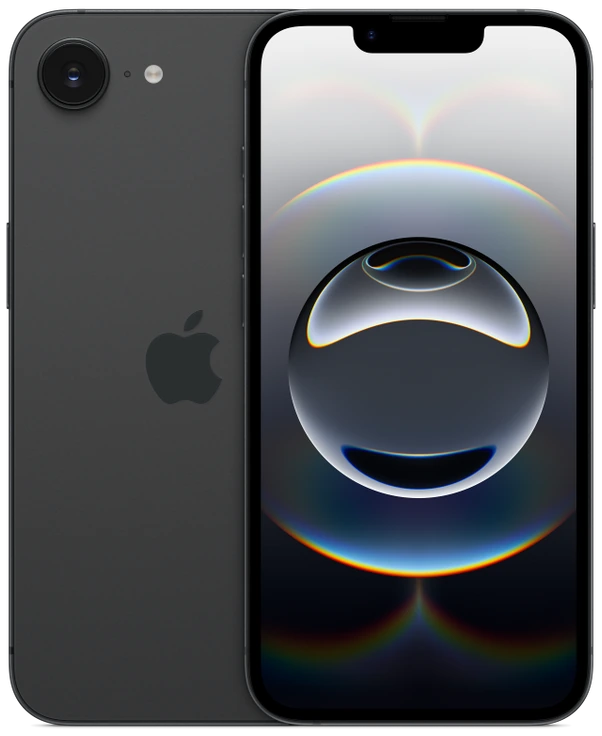
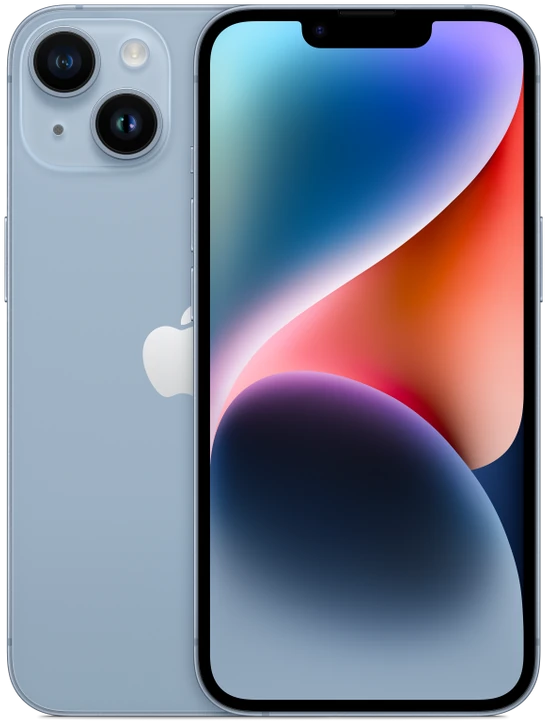
iPhone 16e
View the full specifications, dimensions, pricing, and related models.
Camera
Camera feedback centers on adequacy for casual use rather than versatility. The single 48MP rear sensor delivers reliable color and exposure for family photos and everyday scenes — dependable for social sharing, but narrower than dual-camera iPhones.
The absence of ultrawide is the most cited practical limit. Group shots in tight spaces and landscapes that need a wider field push owners toward digital workarounds or accepting tighter framing. Reviewers comparing against the iPhone 16 treat the ultrawide gap as a daily-use difference, not only a spec-sheet one.
Battery and charging
Typical daily reports align around comfortable all-day endurance for moderate use — messaging, social apps, navigation, and intermittent media. A recurring surprise in long-term threads is endurance that matches or exceeds the standard iPhone 16, with many owners describing easier days than they expected from a budget-positioned 6.1-inch phone.
Contributors to strong reports include the C1 modem’s efficiency, the locked 60Hz panel, and the absence of power-hungry display features. Heavy streaming, gaming, or prolonged GPS use still more commonly leads to a pre-bedtime top-up, but moderate users frequently finish typical days without urgency.
Performance
App launching, camera processing, and routine multitasking are often described as fast, with little reported lag under normal workloads. The A18 chip with 8GB of RAM handles current iOS without the compromise older budget iPhones sometimes developed in later years.
Gaming feedback is positive for mainstream titles, though rarely cited as a primary purchase reason. Sustained high-load sessions can warm the device, reported less often than on Pro hardware under the same stress.
Handling and portability
At 71.5 mm wide, 146.7 mm tall, and 167 g, the iPhone 16e is among the lightest current iPhones and consistently praised for one-handed manageability. The slightly shorter height than the standard iPhone 16 helps thumb reach on the lower and middle display during messaging, quick browsing, and transit use.
The flat-sided aluminum frame produces a secure grip without the hand strain some report on heavier Plus or Pro Max models. Side controls remain within comfortable thumb range for right-handed natural grips — a detail owners switching from wider devices mention as an immediate daily convenience.
The notch and thicker bezels reduce perceived usable display area relative to Dynamic Island designs, which can make top-of-screen reach feel more constrained in perception. Slim cases preserve thumb reach; bulky rugged cases can push the phone past comfortable one-thumb territory for smaller hands.
Build quality
The aluminum frame, glass back, and Ceramic Shield front combine into a device that feels solid for the weight class. Buttons maintain a precise, consistent feel in owner reports, with no widespread structural failure patterns across the first year.
Cosmetic impressions are more divided. Materials quality is rarely questioned, but the notch and thicker bezels are frequently described as dated versus the iPhone 16 and 2025 Android peers — a design-era perception rather than durability concern.
Similar size devices
This summary is based on recurring reports from public discussions.