iPhone 16 User Experience
Sizometry Verdict
Editorial scores based on recurring themes across professional reviews, hands-on testing, and expert analysis.
Overall user experience
8.0
out of 10
A compact, dependable standard iPhone with strong daily fundamentals, held back primarily by its 60Hz display and missing Pro-tier display features.
Category scores
Camera
7.5
Consistent color, exposure, and video for everyday shots; telephoto reach and Pro-level low light are clear gaps.
Battery and charging
8.0
Reliable all-day endurance for moderate use, though not class-leading in the lineup.
Performance
8.0
Fast routine use and photo processing on A18, with occasional warmth during prolonged gaming.
Handling and portability
9.0
Compact 6.1-inch footprint with excellent pocket fit and one-handed manageability among current iPhones.
Build quality
8.0
Solid materials and precise controls, with Camera Control as the main hardware debate.
Value
7.5
Strong fundamentals in a compact size, tempered by 60Hz and missing Pro display features at flagship-adjacent pricing.
Strengths
- Compact size with excellent one-handed handling
- Reliable all-day battery for typical use
- Consistent everyday camera and video quality
- Fast A18 performance with 8GB RAM
Weaknesses
- 60Hz display — the most repeated criticism at this price
- No Always-On display or telephoto lens
- Camera Control polarizes owners
- Incremental upgrade for recent iPhone 15 owners
Best for
- Buyers prioritizing compact handling and pocket fit
- Users satisfied with 60Hz or insensitive to refresh-rate differences
- Casual photographers who value consistency over zoom reach
- Upgraders from iPhone 12, 13, or older standard models
Less suitable for
- Display enthusiasts expecting 120Hz at flagship pricing
- Photography-focused users who need telephoto and Pro low light
- Recent iPhone 15 Pro owners seeking a lateral or upgrade move
- Buyers who want Always-On glanceable information
Upgrade recommendation
Current device: iPhone 12 or older
Recommendation: Strongly recommendedNotes: A18 speed, improved cameras with 2x fusion, and practical battery gains address multi-generation pain points.
Current device: iPhone 13 generation
Recommendation: Strongly recommendedNotes: Performance, camera flexibility, and Action button utility still feel meaningful compared with this era.
Current device: iPhone 14 generation (non-Pro)
Recommendation: Worth consideringNotes: Meaningful but not dramatic gains; strongest for owners who want USB-C era features and better endurance.
Current device: iPhone 15 generation
Recommendation: Probably unnecessaryNotes: Owners satisfied with current cameras and 60Hz displays rarely describe a must-upgrade case.
Current device: iPhone 14 Pro or 15 Pro
Recommendation: Depends on prioritiesNotes: Downgrades display refresh, Always-On, and telephoto unless compact size is the overriding priority.
Current device: Plus or Pro Max owners seeking smaller size
Recommendation: Worth consideringNotes: One-handed and pocket benefits frequently outweigh lost screen area for users overstretched by larger hardware.
Bottom line
The iPhone 16 earns its place through compact, comfortable daily use and dependable core performance rather than display leadership. Manageable size with consistent cameras and all-day battery for typical routines is the headline appeal; the 60Hz panel and missing Always-On display are the main trade-offs. Upgrade from iPhone 12 or 13 for the clearest benefit; weigh display priorities carefully if you already own a recent Pro or compare frequently with 120Hz phones.
See its real size next to another phone or tablet.
Open size comparisonOverview
The iPhone 16 is Apple’s compact 2024 standard model: A18 performance, a reliable dual-camera system, and a 6.1-inch footprint that stays among the easiest current iPhones to use one-handed — without Pro telephoto, 120Hz ProMotion, or Always-On display.
The 60Hz panel is the main debate at this price tier. This summary focuses on daily handling, pocket fit, camera limits, battery habits, and sensible upgrade timing — not benchmark rankings.
Daily use
App launches, messaging, navigation, and camera readiness feel fast with the A18 chip and 8GB of RAM. Routine switching between communication, maps, and media apps is reliable; friction, when it appears, tends to involve newer controls rather than core system tasks.
The 6.1-inch 60Hz OLED reaches strong outdoor brightness, which helps legibility in sunlight. Scroll feel is the main divider versus 120Hz phones — noticeable in side-by-side use, less so if you rarely compare.
The Action button helps once remapped to frequent shortcuts like camera, flashlight, or focus modes. Camera Control is more polarizing: some people use it daily for exposure tweaks; others find the placement awkward or disable it after the first weeks.
iOS 18 stability in notifications, Focus modes, and media playback is generally solid after the initial release cycle. Apple Intelligence availability varies by region and is rarely the main reason people choose this model over display or camera debates.
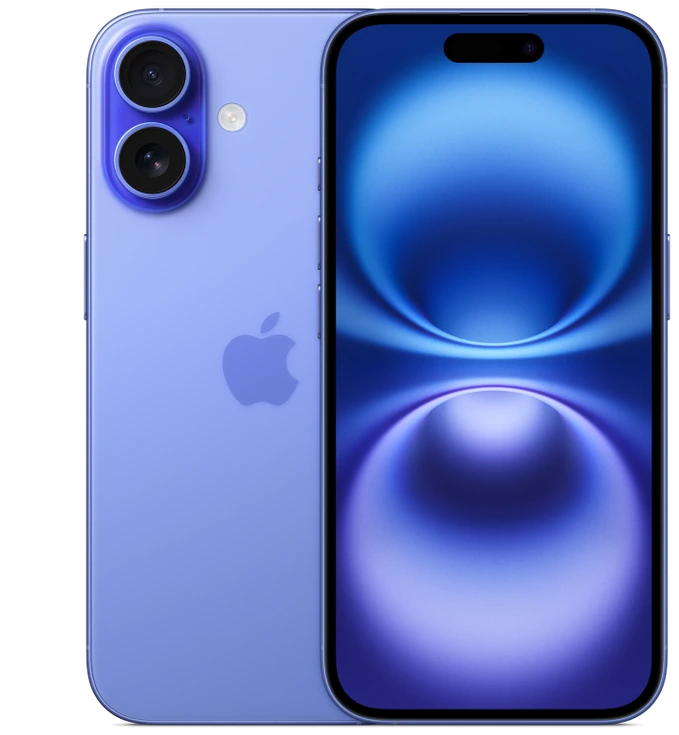
iPhone 16
View the full specifications, dimensions, pricing, and related models.
Camera
The dual rear system — 48MP fusion main with useful 2x crop plus ultrawide with macro — delivers reliable color, exposure, and stable video for family photos, travel, and social sharing. The 2x fusion mode helps portraits and medium-distance subjects in good light without reaching for heavy digital crop.
The clear limits are reach and low light versus Pro models. Without a dedicated telephoto, distant subjects need digital crop; night scenes show more noise than Pro comparisons. Everyday video remains a quiet strength for casual travel clips and family events.
Battery and charging
Moderate use — messaging, social apps, navigation, intermittent media — usually lasts a full day. Heavy streaming, gaming, or long GPS sessions more often need an evening top-up.
Within the iPhone 16 family, endurance sits below the Plus and Pro Max. Wired and wireless charging speeds are adequate rather than class-leading; brief midday top-ups help on heavy days without changing overnight charging habits.
Performance
Routine multitasking, camera processing, and app launches feel fast under normal workloads. Mainstream games run well; sustained high load can warm the phone and briefly affect comfort.
The A18 platform with 8GB RAM should stay responsive for several years of typical use. Background app retention remains reliable for ordinary multitasking and navigation-plus-messaging routines.
Handling and portability
At 71.6 × 147.6 mm and 170 g, the iPhone 16 is among the most manageable current standard iPhones for one-handed texting, browsing, and quick camera grabs. Top corners still need a grip shift; slim cases help, bulky ones hurt reach.
In typical men’s jeans and jacket pockets it fits more comfortably than Plus or Pro Max models. Shallow or women’s pockets remain awkward for any modern 6.1-inch phone.
Carry weight is light enough for all-day pocket use, and the modest camera bump creates fewer pressure points than Pro designs when stored screen-in.
Reading, browsing, and video for 30–60 minutes are comfortable at this weight. Extended gaming can warm the chassis modestly; some sensitive users notice 60Hz scroll fatigue during very long feed sessions.
Build quality
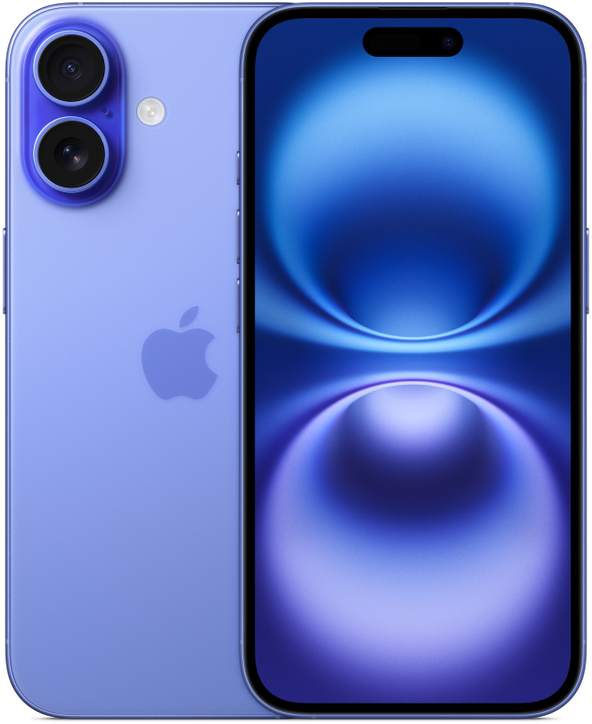
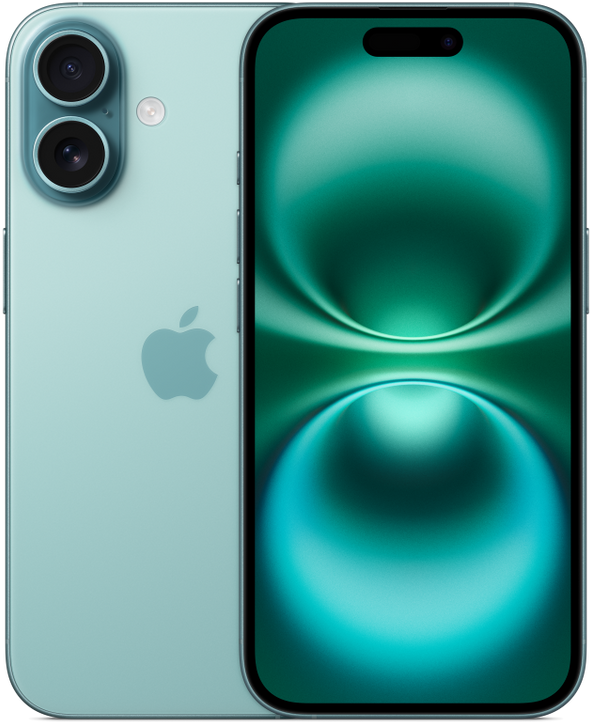
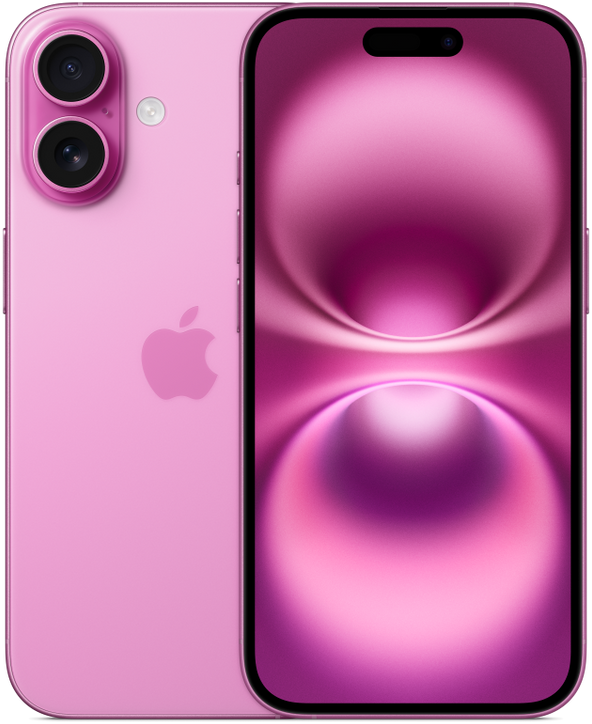
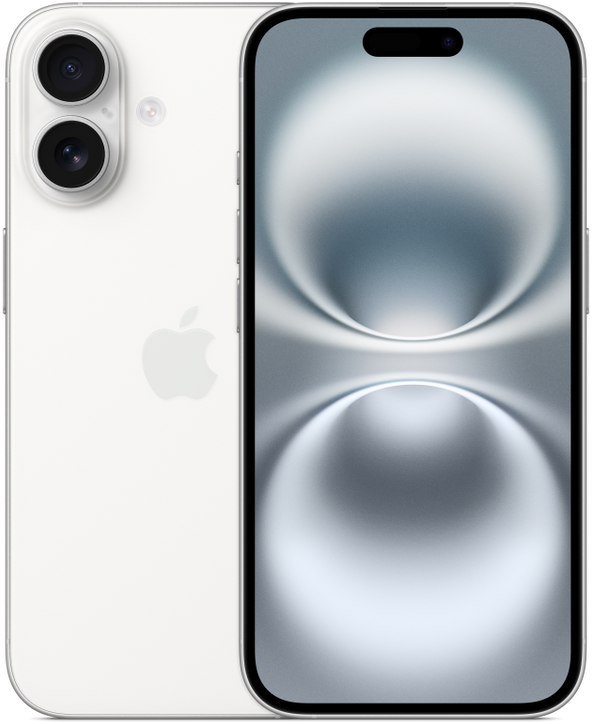
Aluminum frame, color-infused glass back, and Ceramic Shield front feel solid without Pro-tier mass. Buttons and the Action button keep a precise, consistent click once configured.
Case usage remains common for drop protection. Camera Control’s capacitive surface divides opinion — some appreciate the integration, others report accidental presses when gripping naturally. Color finishes receive steady aesthetic praise for bare-phone carry.
Considering another iPhone 16 model?
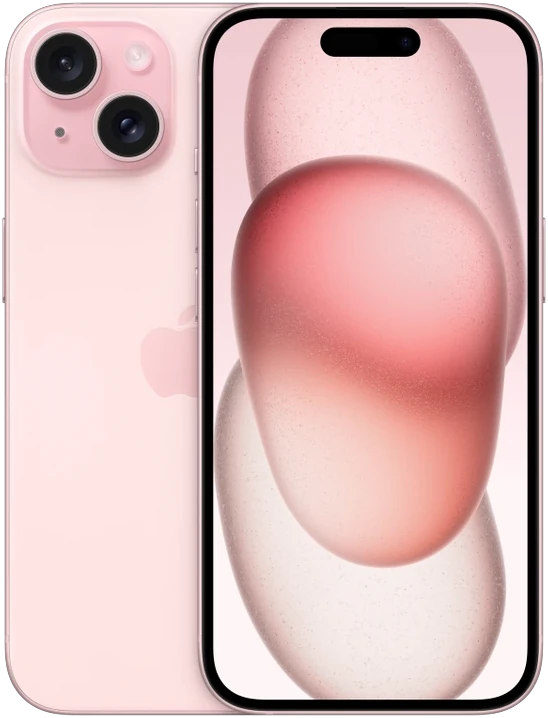
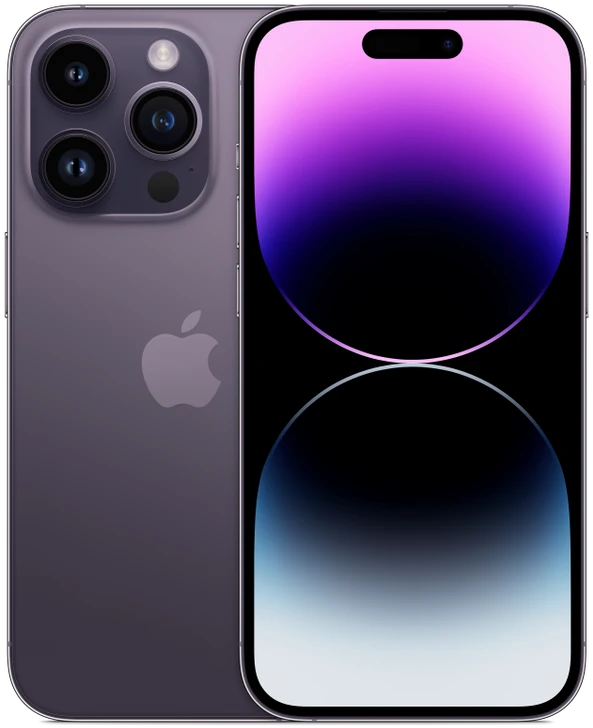
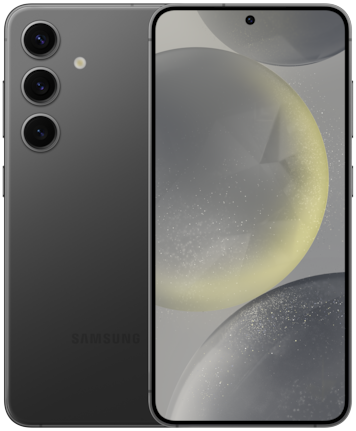
Similar size devices
This summary is based on recurring reports from public discussions.