HUAWEI Pura 80 Pro User Experience
Sizometry Verdict
Editorial scores based on recurring themes across professional reviews, hands-on testing, and expert analysis.
Overall user experience
8.0
out of 10
A Kirin 9020 imaging flagship at 76.1 mm with praised variable-aperture main camera and EMUI 15 global availability — held back by post-GMS ecosystem friction, export LTE SKUs, triangular island ergonomics, and telephoto extremes below Pura 80 Ultra.
Category scores
Camera
9.0
Variable-aperture main and strong telephoto earn top-tier praise for real-world low light; Ultra still wins extreme zoom.
Battery and charging
7.5
Moderate-use days comfortable; heavy 4K and sideload background load tighten margins on export LTE SKUs.
Performance
7.5
Kirin 9020 flies daily; warmth during long 4K and GBox overhead are the main caveats.
Handling and portability
7.5
76.1 mm workable for lower display but triangular island and 219 g push two-hand habits for top targets. Typical large-flagship pocket bulge from triangular island — tighter than nova 14 Pro, lighter carry than Ultra.
Build quality
8.5
Premium 8.3 mm Pura construction; island ergonomics and IP variance by SKU require confirmation.
Value
8.0
Competitive feature set and pricing for the target buyer, with clear trade-offs versus premium siblings.
Strengths
- Variable-aperture main camera with standout low-light and bokeh flexibility
- Kirin 9020 responsive for daily EMUI 15 and fast imaging workflows
- 219 g Pro tier lighter than Ultra while keeping flagship Pura lens stack
Weaknesses
- No official GMS and fragile sideload workarounds on global export units
- LTE-only many SKUs plus banking, Wear OS, and Android Auto gaps
- Triangular island ergonomics and periscope headroom below Pura 80 Ultra
Best for
- Imaging-first buyers choosing Pro over Ultra for weight and value
- Pura 70 Pro upgraders wanting variable aperture and Kirin 9020
- Travel photographers satisfied with Pro telephoto below Ultra extremes
Less suitable for
- GMS-dependent buyers who refuse unofficial workaround maintenance
- Global users needing native Google Pay, Wear OS, or Android Auto
- Extreme zoom shooters who should buy Pura 80 Ultra upstream
Upgrade recommendation
Current device: Pura 70 Pro owners who shoot low light weekly
Recommendation: Strongly recommendedNotes: Variable-aperture main, Kirin 9020, and improved HDR deliver meaningful imaging and speed gains in the same Pura lane.
Current device: Pura 80 Ultra owners
Recommendation: Probably unnecessaryNotes: Downgrading loses periscope reach and largest sensor stack unless 233.5 g mass is the primary pain.
Current device: nova 14 Pro imaging upgraders
Recommendation: Worth consideringNotes: Major camera and Kirin gains — audition 76.1 mm width and island ergonomics before leaving slim nova body.
Current device: Galaxy or iPhone converts outside China
Recommendation: Depends on prioritiesNotes: Camera impresses — validate AppGallery, banking, and wearables before leaving GMS.
Current device: Enterprise MDM or strict banking app users
Recommendation: Probably unnecessaryNotes: EMUI 15 non-GMS attestation limits remain structural regardless of Kirin 9020 speed.
Bottom line
The HUAWEI Pura 80 Pro earns respect as Huawei's rational imaging flagship for 2025 — 76.1 mm wide, 163 mm tall, 8.3 mm thick, and 219 g with Kirin 9020 daily responsiveness, a variable-aperture main camera praised for low-light flexibility, and EMUI 15 availability on export waves that many buyers can actually purchase. Reviewers and owners align on imaging as the headline win, especially versus nova 14 Pro and fixed-aperture predecessors; the honest trade-offs are ecosystem and tiering — no official GMS, AppGallery dependency, GBox sideload fragility, LTE export SKUs that surprise global shoppers, banking and Wear OS gaps, triangular island pocket snag, and telephoto extremes that still belong to Pura 80 Ultra. Shoppers who want Huawei's best balanced camera flagship should audition the Pura 80 Pro; shoppers who need native Google services, export 5G certainty, or stadium periscope reach should verify workflows and consider Ultra or non-Huawei alternatives upstream.
See its real size next to another phone or tablet.
Open size comparisonOverview
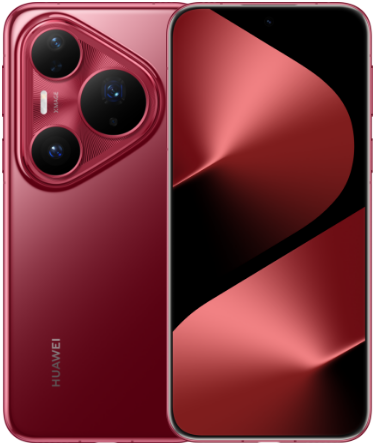
Across professional reviews and owner discussions since the June 2025 launch, the HUAWEI Pura 80 Pro is widely regarded as Huawei's imaging-focused global flagship sweet spot — a phone at 76.1 mm wide, 163 mm tall, 8.3 mm thick, and 219 g that pairs Kirin 9020 responsiveness with a variable-aperture main camera praised for low-light flexibility, while stopping short of Pura 80 Ultra's heavier 233.5 g mass and extreme periscope hardware. Recurring reports frame the Pro as the tier most export buyers can actually find on EMUI 15, with Malaysia and Singapore availability waves contrasting China-only Ultra positioning in many accounts.
The most repeated praise centers on camera hardware maturity and Kirin 9020 fluidity inside Huawei's software stack. Reviewers consistently highlight the variable-aperture main sensor's ability to trade depth of field for light gathering in restaurants, concerts, and night street scenes — a differentiator nova 14 Pro dual-fixed-aperture setups cannot match. DXOMARK-influenced threads and domestic camera forums describe output as among Huawei's strongest non-Ultra generations, with color science and HDR stability improved over Pura 70 Pro for owners who shoot daily rather than benchmark.
Daily use
In daily use, the Pura 80 Pro is consistently described as fast and fluid for routine flagship tasks on Kirin 9020 paired with EMUI 15 on global units — or HarmonyOS equivalents in China. App launches for Huawei-native and AppGallery-distributed tools feel immediate; friction concentrates in missing Google core apps and finance software that demands SafetyNet-class attestation unavailable without unofficial workaround layers.
The LTPO panel earns praise for outdoor legibility and smooth adaptive refresh. Display complaints appear far less often than AppGallery gap lists in export threads.
Camera workflows dominate daily satisfaction. Variable-aperture auto modes and telephoto reach produce travel output without a secondary camera — the Pro's most repeated retention driver when ecosystem limits are pre-accepted. Creators depending on Instagram or Google Drive describe extra sideload steps iPhone peers skip.
Pura 80 Pro
View the full specifications, dimensions, pricing, and related models.
Camera
Camera feedback is the Pura 80 Pro's dominant positive theme — variable-aperture main sensor flexibility, improved HDR stability, and telephoto reach earn consistent compliments in DXOMARK-influenced reviews and owner threads. Owners praise the ability to widen aperture in dim venues without switching to night mode extremes, producing natural bokeh and faster shutter speeds at concerts and dinners.
Low-light performance is the Pro's clearest advantage over nova 14 Pro and prior Pura 70 Pro fixed-aperture hardware. Variable aperture transitions feel intuitive in auto mode for most shooters; enthusiasts toggle manual aperture steps for street photography when they want subject isolation without portrait-mode artifacts.
Battery and charging
Typical daily reports align around comfortable moderate-use endurance — messaging, browsing, and moderate camera use often finish with 15–25 percent remaining on many SKUs, while heavy variable-aperture shooting, navigation plus hotspot, max-brightness outdoor viewfinder work, and long 4K sessions more commonly land in the teens before bedtime.
Battery comparison against Pura 80 Ultra is nuanced — similar cell class with Ultra's heavier ISP and periscope load sometimes favoring Pro endurance in owner anecdotes, though both tiers expect nightly charging for imaging-heavy days. Export LTE owners describe tighter margins than China 5G accounts when GBox background services run alongside navigation.
Performance
App launching and routine multitasking are consistently described as snappy on Kirin 9020 — among the most praised Huawei silicon generations for daily EMUI 15 responsiveness in export reviews. Camera ISP speed for burst RAW and variable-aperture recalculation feels flagship-grade; owners rarely report lag until they stress video encoding or run GBox-translated Google apps that add overhead unrelated to the chip.
Gaming feedback splits by title source. AppGallery-native titles run smoothly; imported games through GBox stutter more often. Notebookcheck documents Kirin 9020 warmth during sustained GPU load — acceptable for casual gamers.
Handling and portability
At 76.1 mm wide, 163 mm tall, and 219 g, the Pura 80 Pro occupies large-flagship ergonomics — narrower on paper than many Ultra rivals but still a two-hand phone for top targets. The 6.7-inch-class canvas allows comfortable thumb reach across the lower and middle display for messaging and quick browsing when the other hand is occupied.
In standard men's jeans and jacket pockets, owners report a typical fit for a 2026 imaging flagship — neither exceptionally compact nor uniquely troublesome until the triangular camera island enters the equation. At 163 mm tall, the Pura 80 Pro slides in similarly to other 6.7-inch-class devices, but the raised plateau creates a pronounced pocket bulge in slim trousers. Women's pocket compatibility remains an industry-wide pain point. The Pura 80 Pro's advantage is mainly its 76.1 mm width versus 78 mm Ultra rivals from other brands, not true pocket-phone status.
Holding the Pura 80 Pro for 30–60 minutes is comfortable for most users during reading and video, though 219 g becomes noticeable sooner than 207 g nova slabs. The large LTPO display suits extended feed scrolling and navigation, while rounded edges help cradle grips during commutes. Nighttime reading is generally comfortable with automatic brightness and dimming curves owners describe as mature on EMUI 15. High-refresh scrolling helps long social sessions; photographers still prefer reviewing shots on larger MatePad canvases for critical editing.
Build quality
Glass-and-aluminum construction at 8.3 mm produces a premium imaging flagship feel — tolerances and finish match Pura's design-forward triangular island aesthetic without Ultra-tier 233.5 g mass. Color options and textured backs split grip preference in case threads; the island is a style statement that doubles as an ergonomic compromise.
IP rating depends on regional SKU — confirm sealing before assuming outdoor confidence on par with international IP68 rivals. Without universal messaging, owners compare island durability and lens scratch anxiety cautiously against prior Pura 70 generations.
Considering another Pura 80 model?
Similar size devices
This summary is based on recurring reports from public discussions.