HONOR X9d User Experience
Sizometry Verdict
Editorial scores based on recurring themes across professional reviews, hands-on testing, and expert analysis.
Overall user experience
8.0
out of 10
A rugged midrange standout with legendary 8,300 mAh multi-day endurance, IP69K confidence, and rain-ready usability, held back by slow full charging, weak ultrawide imaging, no wireless charging, and gaming warmth on Snapdragon 6 Gen 4.
Category scores
Camera
6.5
108 MP main sensor reliable for daylight documentation, with ultrawide and night performance clearly trailing midrange expectations.
Battery and charging
9.5
Exceptional 8,300 mAh silicon-carbon endurance with comfortable multi-day moderate use, tempered by slow ~82-minute full charges on 66W hardware.
Performance
7.0
Smooth daily midrange use on Snapdragon 6 Gen 4 with noticeable gaming warmth during long sessions.
Handling and portability
6.5
Moderate 193 g weight helps, but 76.1 mm width and tall rugged footprint limit true one-handed comfort. Slim 7.76 mm profile aids pocket entry, though width, height, and common rugged cases remain large-phone compromises.
Build quality
9.0
IP66, IP68, and IP69K sealing plus 2.5 m drop resistance inspire outstanding rugged confidence at roughly $799.
Value
8.0
Competitive feature set and pricing for the target buyer, with clear trade-offs versus premium siblings.
Strengths
- Legendary 8,300 mAh silicon-carbon battery with true multi-day endurance
- IP69K and drop-resistance confidence for outdoor and worksite carry
- Heavy Rain Touch and 6,000-nit AMOLED outdoor usability
- Strong rugged value at roughly $799 without flagship pricing
Weaknesses
- Slow ~82-minute full charges despite 66W wired marketing
- Weak ultrawide and midrange night imaging behind the 108 MP main
- No wireless charging for desk and nightstand routines
- Gaming warmth on Snapdragon 6 Gen 4 during sustained play
Best for
- Battery-obsessed buyers who want multi-day freedom above all else
- Outdoor and worksite users prioritizing IP69K and rain-touch reliability
- Travelers and parents who need bright displays and rugged peace of mind
- Shoppers accepting camera and charging trade-offs for ~$799 endurance
Less suitable for
- Wireless-charging-dependent users with established pad routines
- Photography enthusiasts needing ultrawide parity and strong night modes
- Mobile gamers wanting cool sustained maximum-setting performance
- Compact-phone users sensitive to 76.1 mm width and tall ergonomics
Upgrade recommendation
Current device: HONOR X8, X9, or 5,000 mAh midrange Android
Recommendation: Strongly recommendedNotes: 8,300 mAh endurance, IP69K sealing, Heavy Rain Touch, and brighter outdoor panel address clear battery and durability upgrades.
Current device: Aging flagship with smaller battery
Recommendation: Worth consideringNotes: Runtime and ruggedness gains frequently outweigh imaging and charging trade-offs for moderate outdoor users.
Current device: Magic8 Pro or Galaxy S26
Recommendation: Depends on prioritiesNotes: X9d wins multi-day stamina and rugged value; flagships win cameras, wireless charging, and faster top-ups.
Current device: HONOR X9d (current)
Recommendation: Probably unnecessaryNotes: Long-term sentiment highlights sustained battery legend satisfaction; upgrade when imaging or charging patience becomes daily friction.
Current device: Galaxy A-series shopper
Recommendation: Worth consideringNotes: X9d battery and durability strengths appeal to value hunters; Samsung software polish remains the counterargument.
Bottom line
The HONOR X9d earns respect as a 2025 midrange outlier — a phone that leads with 8,300 mAh silicon-carbon legend status, IP69K rugged confidence, Heavy Rain Touch usability, and outdoor-friendly AMOLED brightness at roughly $799. Its strongest appeal is multi-day freedom and rain-ready daily carry without flagship spending. The dominant trade-offs in community discourse remain slow full charging near 82 minutes, a weak ultrawide behind the capable 108 MP main, no wireless charging, and gaming warmth on Snapdragon 6 Gen 4 during long sessions. Shoppers upgrading from smaller-battery midrange phones or older X-series devices gain the clearest benefits; those who live on wireless pads, demand imaging parity across lenses, or chase cool sustained gaming should compare carefully with Magic or Galaxy alternatives.
See its real size next to another phone or tablet.
Open size comparisonOverview
Across professional reviews and long-term owner discussions, the HONOR X9d is widely regarded as one of the most distinctive midrange phones of 2025 — a device that trades flagship chipset ambition and imaging breadth for silicon-carbon battery scale, military-grade durability marketing, and outdoor usability features rarely bundled at this price. Recurring reports frame it as a worry-free daily carry for construction sites, hiking weekends, parents at splash parks, and commuters who prioritize runtime over wireless pads or telephoto reach.
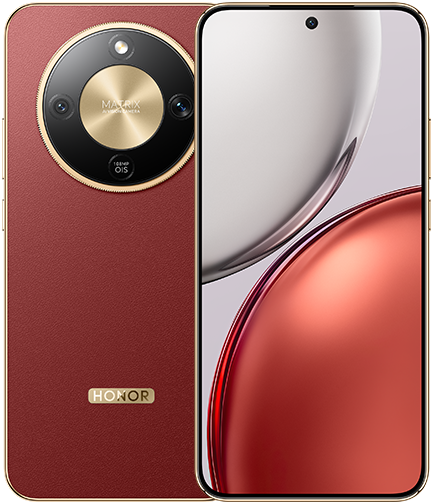
The most repeated praise centers on multi-day endurance and rugged confidence. At 76.1 mm wide, 161.9 mm tall, 7.76 mm thick, and 193 g, the X9d pairs a 6.79-inch AMOLED panel rated to 6,000 nits peak brightness with an 8,300 mAh silicon-carbon battery and IP66, IP68, and IP69K sealing plus advertised 2.5 m drop resistance. Owners consistently describe three-day light-use potential, fearless rain exposure, and wet-finger scrolling through Heavy Rain Touch — especially outdoor workers and travelers who treat battery and durability as non-negotiable purchase filters.
Daily use
In daily use, the HONOR X9d is consistently described as smooth and dependable for routine midrange tasks. App launches, messaging, navigation, and camera readiness benefit from Snapdragon 6 Gen 4 paired with sufficient RAM. Owners rarely report lag during social, productivity, and navigation workloads — friction clusters in charging patience and ultrawide disappointment rather than UI stutter.
The 6.79-inch AMOLED panel is a quiet daily strength. Outdoor peak brightness near 6,000 nits receives steady praise for job-site visibility, beach days, and bright-window reading where midrange panels usually struggle. Scrolling feels fluid for feeds and casual gaming; color and contrast suit mixed indoor-outdoor routines, with display complaints appearing far less often than charge-time or ultrawide themes.
Heavy Rain Touch earns genuine utility praise in owner threads — wet-finger taps during drizzle, kitchen splashes, and gloved-adjacent use cases that frustrate ordinary capacitive screens. MagicOS customization after initial cleanup integrates smoothly for owners who disable promotional shortcuts. Friction includes preinstalled HONOR services, occasional aggressive background limits until battery rules are customized, and learning-curve differences versus Samsung One UI.
X9d
View the full specifications, dimensions, pricing, and related models.
Camera
Camera feedback centers on main-sensor reliability rather than system-wide imaging ambition. The 108 MP primary earns praise for sharp daylight detail, predictable exposure, and natural-enough color for travel and social sharing — while the ultrawide consistently trails in resolution, dynamic range, and low-light matching, generating the most common imaging disappointment in owner threads.
Daylight performance on the main sensor earns the steadiest praise: accurate skin tones outdoors, good highlight control in bright job sites, and quick shutter response for casual portraits and documentation photos. The ultrawide aids tight interiors with visible edge distortion and noise after dusk — acceptable for utility snaps, weak for enthusiasts expecting flagship consistency.
Battery and charging
Typical reports align around legendary multi-day endurance and anxiety-free heavy days. Messaging, social apps, navigation, and intermittent media commonly leave 40–55 percent remaining after two moderate days; even heavy outdoor navigation and hotspot duty frequently finishes a full day above 20 percent — the defining X9d ownership theme.
The 8,300 mAh silicon-carbon cell is among the most celebrated hardware traits in 2025 midrange discourse. Owners describe a generational step above 5,000–6,000 mAh rivals and prior X-series phones, with camping weekends, festival days, and contractor shifts cited as scenarios where the X9d simply outlasts everything in the bag. Former compact or flagship users call the battery the primary reason they tolerate imaging and charging compromises.
Performance
App launching, camera processing, and everyday multitasking are consistently described as smooth for midrange expectations. Snapdragon 6 Gen 4 handles MagicOS, high-refresh scrolling, and split-screen light work without stutter that older X phones developed in later years.
Biometric unlock feels immediate for the class; app resume behaves reliably after battery rules are tuned; photo processing completes without meaningful delay for casual documentation. Owners sideloading alternative launchers report generally stable behavior, though HONOR camera and gallery apps remain best optimized.
Handling and portability
At 76.1 mm wide, 161.9 mm tall, and 193 g, the X9d occupies typical large-phone ergonomics — manageable for many right-handed users but wider than compact midrange models. The tall 6.79-inch canvas allows comfortable thumb reach across the lower and middle display for messaging and quick browsing when the other hand is occupied.
In standard men's jeans and jacket pockets, owners report a typical fit for a modern large-display rugged phone. At 161.9 mm tall, the X9d slides in similarly to other 6.7-inch-class devices — neither exceptionally compact nor uniquely bulky until a rugged case enters the equation. Women's pocket compatibility remains an industry-wide pain point. The X9d's advantage is mainly its relatively slim 7.76 mm profile versus older armored midrange phones, not true pocket-phone status.
Holding the X9d for 30–60 minutes is comfortable for most users during reading and video. The 193 g weight and slim profile reduce wrist fatigue versus older rugged bricks, while the large display suits extended feed scrolling and navigation marathons. Nighttime reading is generally comfortable with automatic brightness enabled. High-refresh scrolling helps long social sessions; some owners still prefer a tablet for extended ebooks or note-taking.
Build quality
IP66, IP68, and IP69K ratings plus advertised 2.5 m drop resistance deliver meaningful durability confidence that owners treat as the phone's core identity. The chassis feels purpose-built for outdoor and worksite carry — buttons maintain acceptable tactile feedback at 193 g, and the slim profile avoids the brick aesthetic of older rugged phones.
Display and rear glass follow familiar durability patterns with case-dependent drop survival; bare-phone owners appreciate lighter carry than true armored bricks, while forum debates note that no phone is invincible despite marketing drop claims.
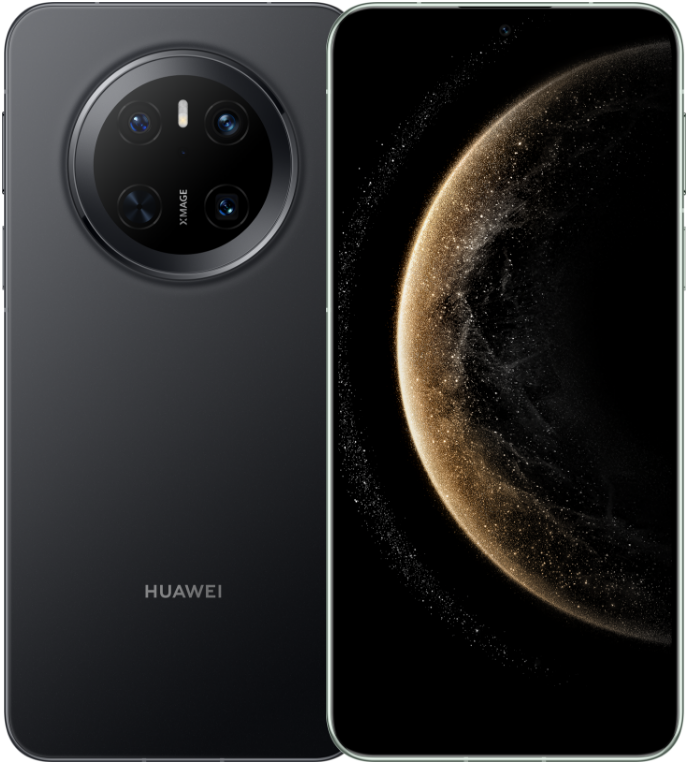
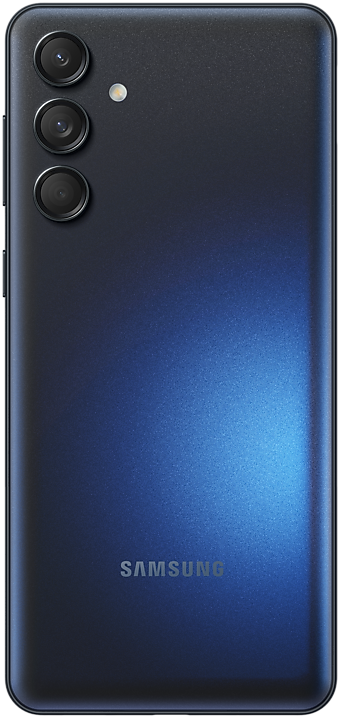
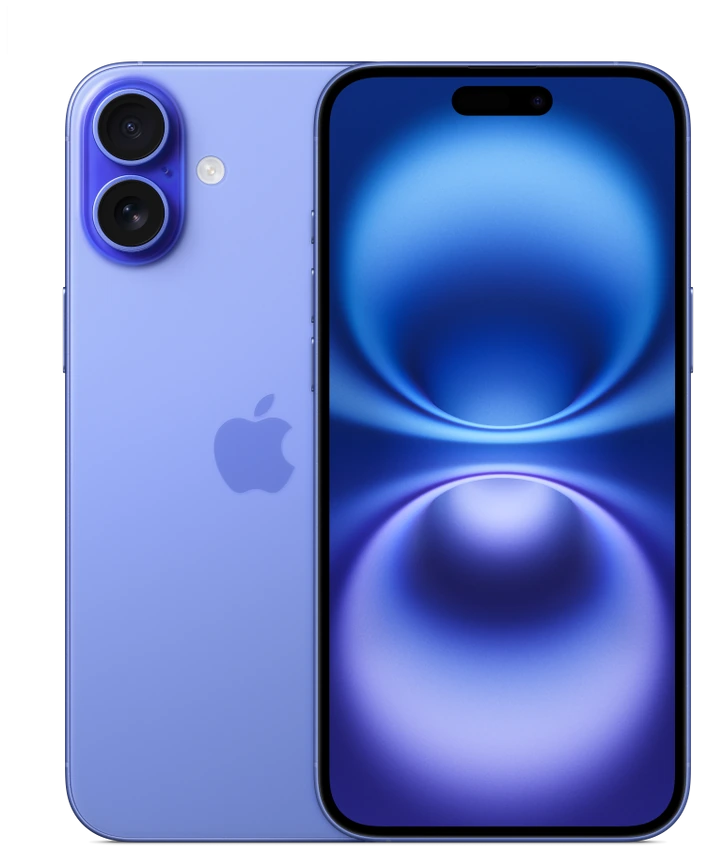
Similar size devices
This summary is based on recurring reports from public discussions.