Galaxy Z TriFold User Experience
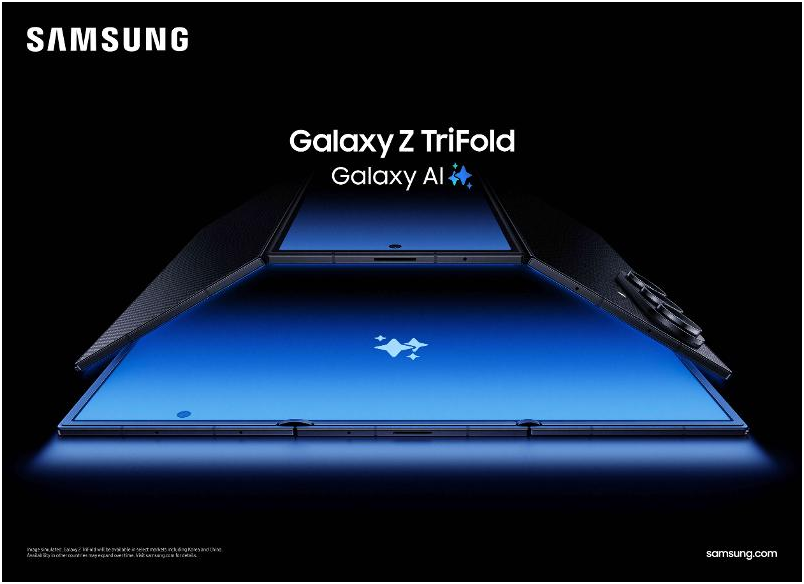
Sizometry Verdict
Editorial scores based on recurring themes across professional reviews, hands-on testing, and expert analysis.
Overall user experience
8.0
out of 10
A category-defining three-panel canvas and surprisingly strong battery meet punishing folded bulk, dual-hinge anxiety, and still-maturing software — an awe-inspiring ultra-premium niche device for bag-carrying multitaskers, not a daily-pocket Fold successor.
Category scores
Camera
7.0
Competent flagship-tier shooting with inner-display composition strengths; trails Ultra zoom and low-light in direct comparisons.
Battery and charging
8.0
5,600 mAh three-cell pack exceeds expectations for moderate mixed cover-and-open use; heavy three-panel days still need top-ups.
Performance
8.5
Snapdragon 8 Elite delivers flagship-smooth multitasking; software layout maturity trails hardware capability.
Handling and portability
6.5
Usable cover screen undermined by 309 g fatigue; fully open width is inherently two-handed.
Build quality
7.0
Premium fit and smooth dual hinges when new, tempered by high failure-surface anxiety and ultra-premium repair stakes.
Value
7.0
Competitive feature set and positioning for the price tier.
Strengths
- Three-panel ~10-inch inner canvas for true tablet-class multitasking
- Better-than-expected all-day battery for mixed cover-dominant routines
- Snapdragon 8 Elite flagship performance with multitasking headroom
- 6.5-inch cover screen keeps closed phone mode genuinely usable
Weaknesses
- 309 g and 12.9 mm folded — heaviest, thickest Samsung foldable carry profile
- Dual-hinge durability anxiety with isolated early failure reports
- Three-panel One UI workflows still feel first-generation
- $2,900 price with foldable risk math that excludes most buyers
Best for
- Travelers replacing phone plus tablet with one bag-carried object
- Desk-and-couch multitaskers who need three apps visible at once
- Ultra-premium early adopters tolerant of software and durability unknowns
- Power users who open the device for hours daily, not pocket glances
Less suitable for
- Fold7 owners seeking continued slim pocketable foldables
- One-handed commuters and pocket-centric daily carriers
- Durability-anxious buyers at ultra-premium price points
- Photography-first shoppers expecting Ultra-tier cameras
Upgrade recommendation
Current device: Phone plus tablet travelers
Recommendation: Worth consideringNotes: Consolidation wins if you already carry both daily and accept bag-based transport.
Current device: Z Fold7 owners
Recommendation: Depends on prioritiesNotes: Upgrade only if three-panel width solves desk-first workflows Fold7 cannot; pocket carry regresses.
Current device: Large slab productivity users
Recommendation: Depends on prioritiesNotes: Trial folded weight and thickness in store; TriFold rewards open use, not pocket habits.
Current device: First-time foldable buyers
Recommendation: Probably unnecessaryNotes: Book-style Fold hardware is the lower-risk on-ramp unless budget and risk tolerance are unlimited.
Current device: Galaxy S Ultra plus tablet owners
Recommendation: Probably unnecessaryNotes: Stay with separate devices unless three-panel hours weekly justify durability and cost trade-offs.
Current device: Ultra-premium multitask early adopters
Recommendation: Strongly recommendedNotes: The only phone delivering this canvas; accept niche software maturity and carry compromises.
Bottom line
The Galaxy Z TriFold is not the foldable most people should buy — it is the foldable Samsung built to prove a three-panel future. Fully open, it delivers a roughly 10-inch class canvas that early owners describe as the first phone that can credibly replace a small tablet for real work sessions, backed by Snapdragon 8 Elite speed and a 5,600 mAh battery that outlasts skeptics’ screen-area math. Folded, it punishes that vision with 309 g and 12.9 mm of dense hardware thicker than any slab and heavier than recent Folds, making pocket-centric daily carry a minority story. Dual hinges feel smooth when new but fuel durability anxiety doubled by crease count and ultra-premium repair stakes; three-panel software is promising yet visibly maturing. At $2,900, the TriFold suits bag-carrying road warriors and desk-first multitaskers who will open it for hours — not shoppers who want a refined pocket phone that occasionally becomes a tablet.
See its real size next to another phone or tablet.
Open size comparisonOverview
Early professional reviews and a small but vocal cohort of first adopters describe the Galaxy Z TriFold as Samsung’s most ambitious foldable statement yet — and its most polarizing. Where book-style Folds refined a familiar two-panel formula, the TriFold introduces a second hinge and a fully open canvas roughly 214.1 mm wide by 159.2 mm tall at 3.9 mm thick, delivering a three-panel experience that owners compare to carrying a compact tablet that can still collapse into phone mode. Folded dimensions of 75 mm wide, 159.2 mm tall, and 12.9 mm thick at 309 g tell a different story: this is not the slim pocketable Fold7 narrative. It is dense, heavy, and thicker than any conventional slab flagship when closed.
The editorial through-line across mixed early reports is a device that dazzles when fully unfurled and taxes patience when carried all day. The 6.5-inch cover screen provides a familiar phone-mode entry point — texting, navigation, quick camera access — but the TriFold’s identity lives on the inner expanse. Owners who bought it for laptop-replacement fantasies often describe the first week as revelatory: email beside a document beside a browser, video spanning the width of a small iPad, creative apps finally given horizontal room to breathe. Others report adjusting downward after the novelty fades, reverting to cover-screen-first habits because opening two hinges and finding a surface feels like a ceremony compared with a standard Fold.
Daily use
Daily rhythm on the TriFold typically bifurcates: cover-screen phone mode for transit, calls, and quick tasks; full tri-fold opening for desk blocks, hotel tables, and evening couch sessions. The 6.5-inch outer panel is wide enough in recurring descriptions to feel like a real smartphone rather than a compromise ticker. Yet many early owners admit they under-use the inner canvas on chaotic days because unfolding twice demands two hands, attention, and often a place to set the device.
Fully open, the roughly 10-inch class three-panel canvas is where the TriFold justifies its existence in positive reports. Side-by-side email and spreadsheet work, research with a notes pane, and landscape video that does not feel like a stretched phone are the workflows owners cite most. Samsung’s taskbar, split-screen presets, and edge-stashed windows help, but configuring three-app layouts takes experimentation, and not every app remembers panel positions after sleep.
Phone calls and messaging on the cover display are described as unremarkable in a good way — the TriFold does not fight basic smartphone duties. The friction returns when owners try to use the partially folded or fully open device one-handed in public; the width and weight make it a conspicuous, two-hand object in ways a Fold7 or slab phone is not.
Galaxy Z TriFold
View the full specifications, dimensions, pricing, and related models.
Camera
Early reports position the TriFold as competent, not class-leading — fine for travel and social sharing, not the primary purchase driver. Snapdragon 8 Elite processing helps, and the large inner display aids composition for group shots and documents.
Cover-screen selfies benefit from the usable 6.5-inch outer panel. Flex angles enable hands-free shots in theory, but dual-hinge geometry makes stable poses harder than on single-hinge Folds.
Battery and charging
Battery endurance is among the TriFold’s most pleasantly surprising themes in early mixed reports. A 5,600 mAh three-cell pack feeding an enormous combined display area might logically suggest mediocre longevity; instead, many owners describe full-day mixed use — cover screen dominant with two to three hours of open three-panel work — finishing with reserve charge. Efficiency from Snapdragon 8 Elite and panel management appear to offset surface area better than skeptics predicted.
Heavy inner-screen days tell a different story. All-day three-panel multitasking, brightness-max outdoor use, gaming, and hotspot duty push owners toward evening top-ups in recurring accounts.
Performance
Snapdragon 8 Elite performance receives consistently positive early marks. App launches, three-app multitasking resizes, camera processing, and display transitions are described as flagship-fast with little stutter under normal productivity loads. Owners who stress-test with simultaneous browser, office, and messaging stacks report headroom.
Software maturity lags hardware in several recurring critiques. Apps that do not support wide layouts letterbox or behave oddly when spanning panels; resume from sleep occasionally misplaces windows across hinge boundaries. Enthusiasts frame this as expected first-year tri-fold growing pains.
Handling and portability
Folded at 75 mm wide, 159.2 mm tall, and 12.9 mm thick, the TriFold is among the least one-hand-friendly flagship-class devices in early owner accounts. The 6.5-inch cover screen supports thumb-driven scrolling and messaging, but 309 g of dense hardware produces hand fatigue faster than a 215 g Fold7 or a typical 200 g slab.
Partially folded flex modes see limited praise for one-handed use because dual-hinge geometry creates unfamiliar angles. Most recurring guidance from early adopters is blunt: treat one-handed operation as cover-screen-only and brief.
Pocket fit is the TriFold’s most criticized physical trait in early mixed reports. At 12.9 mm folded, it is thicker than every mainstream slab flagship and substantially thicker than the 8.9 mm Z Fold7 — a regression owners notice immediately when sliding the device into the same jeans that accommodated a prior Fold.
Build quality
Premium materials and precise hinge alignment produce strong first-impression fit and finish. Closed, the TriFold feels dense, solid, and deliberately engineered.
Durability dominates build conversation: two hinges, two creases, and a wider panel multiply anxiety. Isolated early screen failures — rare but highly visible — amplify forum fear. Owners overwhelmingly use cases and treat opening motions carefully.
Considering another Galaxy Z TriFold model?
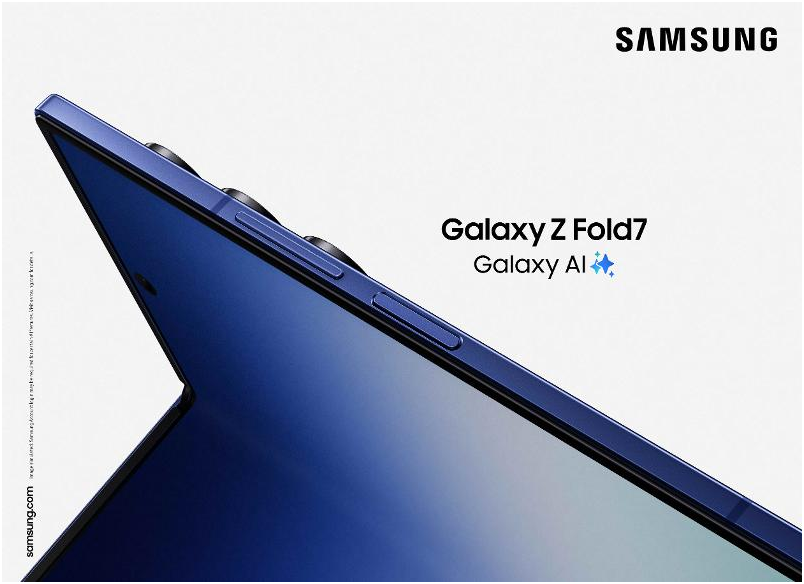
Similar size devices
This summary is based on recurring reports from public discussions.