Galaxy Z Flip7 User Experience
Sizometry Verdict
Editorial scores based on recurring themes across professional reviews, hands-on testing, and expert analysis.
Overall user experience
8.5
out of 10
The most polished Flip yet, with an edge-to-edge cover screen and pocket-friendly folding that still delights, held back for power users by cover app restrictions and occasional Exynos warmth under load.
Category scores
Camera
7.5
Solid everyday shooting with excellent flex-mode selfie flexibility, without Ultra-tier zoom or low light.
Battery and charging
7.5
Comfortable all-day endurance for moderate use, though heavy inner-screen days may need a top-up.
Performance
8.0
Fast routine flagship performance with occasional warmth under sustained Exynos 2500 load.
Handling and portability
9.0
Narrow open width and compact folded square among the best one-handed profiles in the 2025 flagship class.
Build quality
8.0
Premium hinge feel and edge-to-edge cover polish, with foldable durability trade-offs and case recommendations.
Value
8.0
Competitive feature set and positioning for the price tier.
Strengths
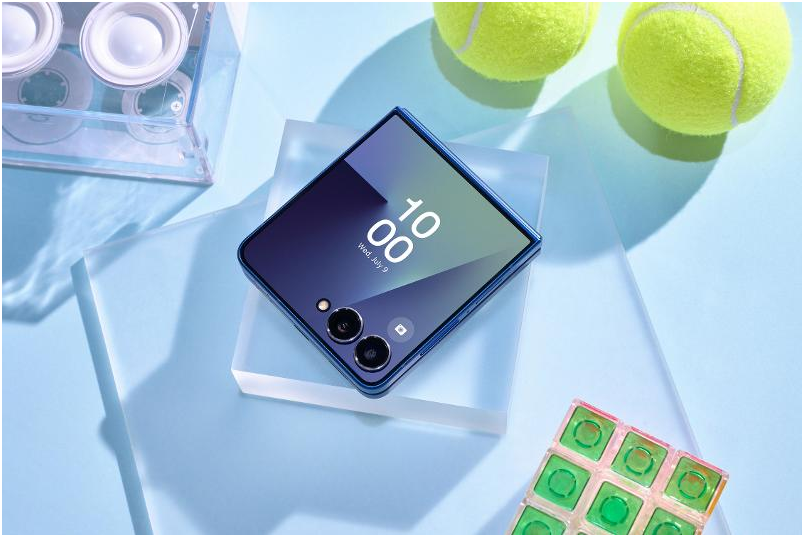
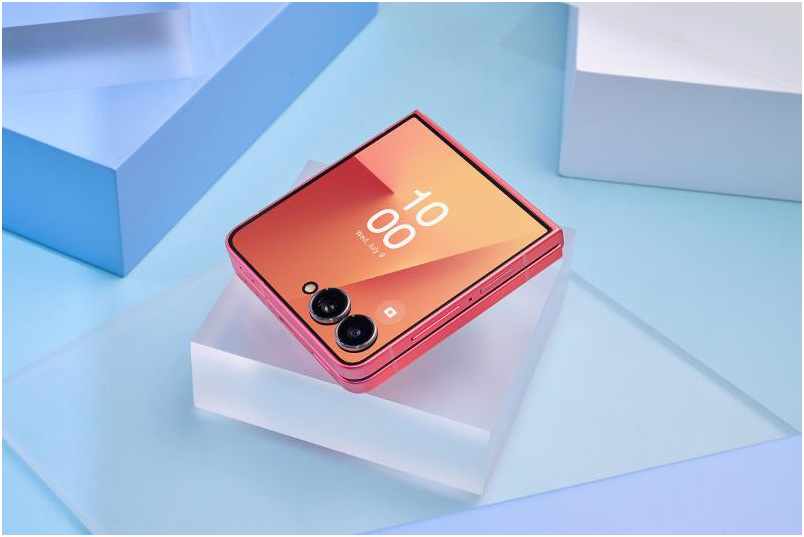
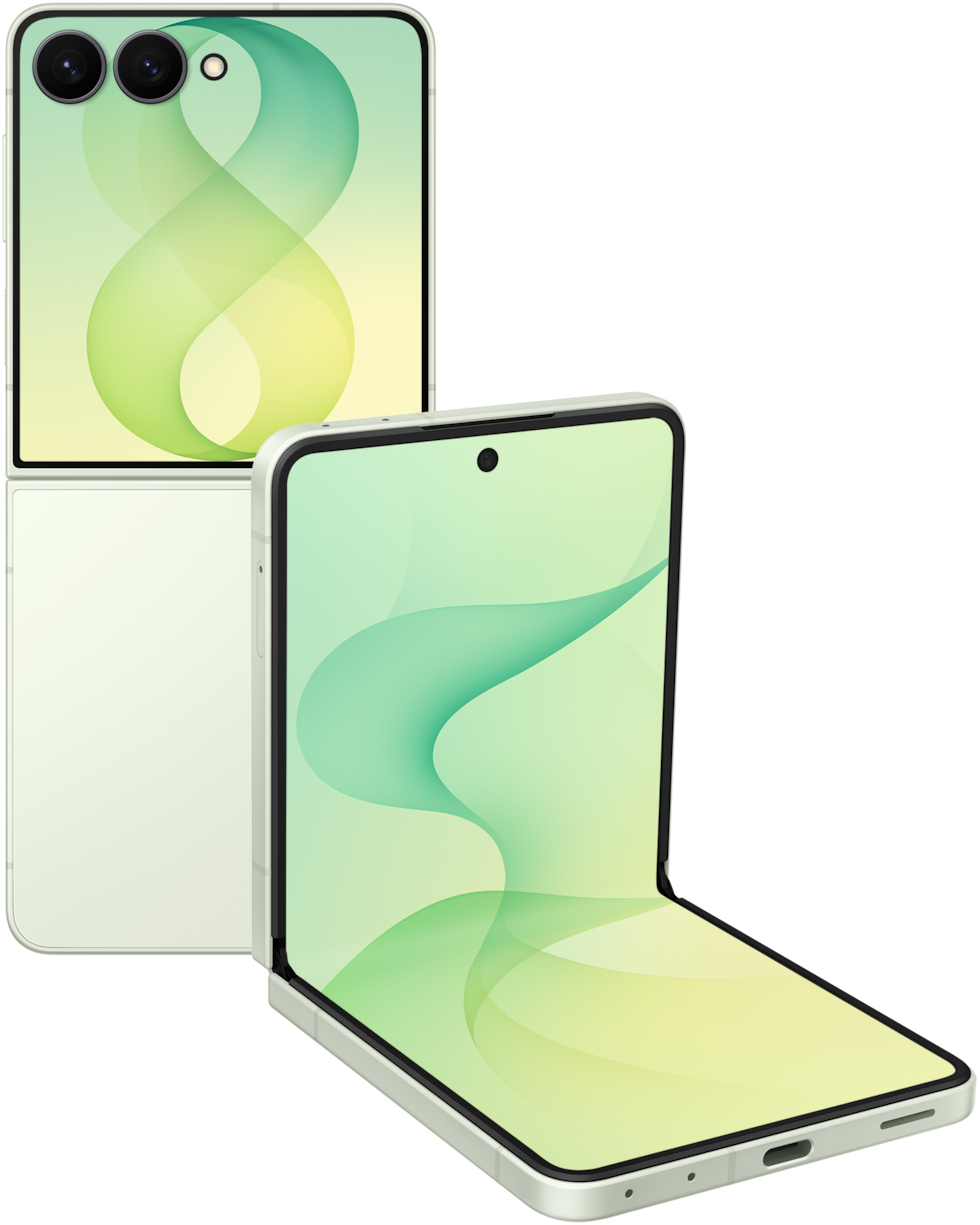
- Edge-to-edge 4.1-inch FlexWindow cover screen
- Exceptional folded pocket fit at 75.2 × 85.5 mm
- Wider 6.9-inch inner display improves typing comfort
- Excellent outdoor brightness around 2,600 nits
Weaknesses
- Cover app restrictions without workarounds
- Exynos 2500 warmth under sustained load in some reports
- Camera not Ultra-class in low light or zoom
- Foldable durability still trails slabs at premium pricing
Best for
- Pocket-fit prioritizers and compact-carry enthusiasts
- Selfie and flex-mode shooters
- Buyers who want fun folding style with daily practicality
- Upgraders from Flip4 or Flip5 seeking cover-screen maturity
Less suitable for
- Cover-screen power users needing unrestricted apps
- Photography-first buyers expecting Ultra cameras
- Heavy gamers sensitive to thermal comfort
- Battery-maximizing all-day inner-screen workers
Upgrade recommendation
Current device: Flip4 or Flip5
Recommendation: Strongly recommendedNotes: Edge-to-edge cover screen and improved inner typing address the biggest generational pain points.
Current device: Flip6
Recommendation: Worth consideringNotes: Meaningful cover upgrade and brightness gains; core camera and performance feel more incremental.
Current device: Large slab (Plus or Pro Max)
Recommendation: Worth consideringNotes: Pocket liberation frequently outweighs lost inner screen area for carry-frustrated owners.
Current device: Compact slab satisfied with camera
Recommendation: Depends on prioritiesNotes: Trade slab durability and camera reach for folding pocket fit and cover-screen style.
Current device: Cover-screen-only power users
Recommendation: Depends on prioritiesNotes: Verify Good Lock and app workaround tolerance before committing to Samsung’s cover restrictions.
Current device: Flip6 satisfied with current cover
Recommendation: Probably unnecessaryNotes: Generational step is polish unless edge-to-edge FlexWindow or brightness matter daily.
Bottom line
The Galaxy Z Flip7 delivers on the promise clamshell foldables have chased for years: a cover screen you can actually live on and a folded shape that disappears into pockets slabs cannot touch. The 4.1-inch edge-to-edge FlexWindow transforms quick interactions, while the wider 6.9-inch inner panel makes opened use feel less cramped than earlier Flips. Cover app restrictions and occasional Exynos warmth are the recurring caveats — manageable for most, frustrating for enthusiasts. Buyers who want pocket rocket practicality with genuine style and selfie flexibility will find Samsung’s most complete Flip yet; photography purists and unrestricted cover-screen power users should shop carefully.
See its real size next to another phone or tablet.
Open size comparisonOverview
Across professional reviews and long-term owner discussions, the Galaxy Z Flip7 is widely regarded as the most polished clamshell foldable Samsung has shipped — a pocket rocket that trades slab simplicity for a form factor owners still describe as genuinely fun months after purchase. Recurring reports center on the 4.1-inch edge-to-edge FlexWindow cover display as the generation’s defining upgrade, paired with a 6.9-inch inner panel in a wider aspect ratio that improves typing and media compared with earlier Flips.
Folded dimensions of 75.2 mm wide, 85.5 mm tall, and 13.7 mm thick at 188 g produce a square-ish carry profile that fits tight spaces slab phones cannot — jacket coin pockets, small handbags, and crowded commuter grips. The most repeated friction in public discourse is not hardware failure but software policy: cover-screen app restrictions without third-party workarounds like MultiStar limit how fully owners can live on the outer display. Thermal reports around the Exynos 2500 under sustained load appear in some regions but rarely dominate daily sentiment.
Daily use
In daily use, the Z Flip7 is consistently described as snappy for messaging, social apps, and camera launches on either display. The inner 6.9-inch panel’s wider aspect ratio reduces keyboard cramping versus narrower Flips, making email and chat sessions more comfortable during commutes and coffee breaks. Owners who type extensively still prefer the open phone for long messages but report fewer complaints about accidental key hits.
The 4.1-inch edge-to-edge cover screen transforms quick-interaction habits. Checking notifications, controlling playback, framing a selfie, and glancing at navigation no longer require opening the device in many routines — a workflow shift Flip5 owners describe as night-and-day. Restrictions on which apps may run full-screen on the cover remain the primary software frustration: banking apps, niche utilities, and some social clients still push users to unfold unless MultiStar or similar tools are configured.
Outdoor visibility is a quiet strength. The high peak brightness rating translates into readable cover and inner displays in direct sun according to recurring accounts, reducing the summertime squinting that dimmer panels cause. Indoors, color and contrast receive steady positive mentions for both screens.
Galaxy Z Flip7
View the full specifications, dimensions, pricing, and related models.
Camera
Camera feedback centers on flexibility and social reliability rather than professional reach. The rear system produces dependable color, exposure, and stabilization for family photos, travel snapshots, and short social video in everyday conditions. Owners rarely describe image quality as the primary purchase driver, but equally rarely cite cameras as a regret.
Flex-mode and cover-screen selfie workflows earn recurring praise. Framing self-portraits on the large cover display, propping the phone half-folded for group shots, and recording hands-free clips without a tripod address use cases slab owners solve with accessories. The fun factor of folding into camera poses still generates smiles in owner threads months after purchase.
Battery and charging
Typical daily reports align around comfortable all-day endurance for moderate mixed use: messaging, social apps, cover-screen glances, and intermittent media. Lighter routines often end with meaningful charge remaining; heavy inner-screen gaming, navigation, and extended video more commonly lead to a pre-bed top-up.
Flip form factor historically traded battery capacity for compactness; the Z Flip7 is described as improved versus earlier generations without matching large-slab runtime leaders. Owners who live on the cover screen for quick tasks report better endurance than those who keep the inner display open for hours.
Performance
App launching, camera processing, and routine multitasking are consistently described as fast for flagship expectations. The Exynos 2500 handles current One UI features without the sense of compromise older Flip chipsets occasionally showed in later software years.
Gaming feedback is positive for mainstream titles on the inner display, though sustained sessions can warm the device in some reports. Casual gamers rarely cite performance as a concern; enthusiasts pushing maximum settings note occasional thermal management.
Handling and portability
Opened at 75.2 mm wide, 165.1 mm tall, and 6.5 mm thick, the Z Flip7 is among the most one-hand-friendly modern flagships in owner discussions when unfolded. The narrow width allows comfortable thumb reach across the keyboard and lower display for messaging, a meaningful advantage over 76–78 mm slab flagships that push one-handed typing to its limits.
Folded to 85.5 mm tall, the device becomes a dense square that fits entirely in one palm for quick cover-screen interactions. Right-handed users describe flicking open with a thumb while walking as a learned motion that feels natural within days. The 188 g weight is light enough for extended single-hand cover use without the wrist fatigue wider phones cause.
Folded at 75.2 × 85.5 × 13.7 mm, the Z Flip7 is consistently described as the pocket superstar of Samsung’s 2025 lineup. The near-square folded footprint slides into jeans, shorts, and small jacket pockets in ways 160 mm-plus slab phones cannot, earning recurring praise from owners who switched specifically for carry convenience.
Build quality
The Z Flip7’s refined hinge, edge-to-edge cover glass, and tight folded closure produce a device that feels premium and intentional in long-term accounts. The folding action retains a satisfying snap that owners mention repeatedly as a tactile pleasure distinct from slab phones.
Durability anxiety follows all flip phones: inner display care, hinge dust concerns, and case usage appear in most ownership threads. Fewer catastrophic failure anecdotes circulate than in early Flip generations, but buyers still understand foldables demand more mindfulness than glass slabs.
Considering another Galaxy Z Flip7 model?
Similar size devices
This summary is based on recurring reports from public discussions.