Galaxy Tab A11 User Experience
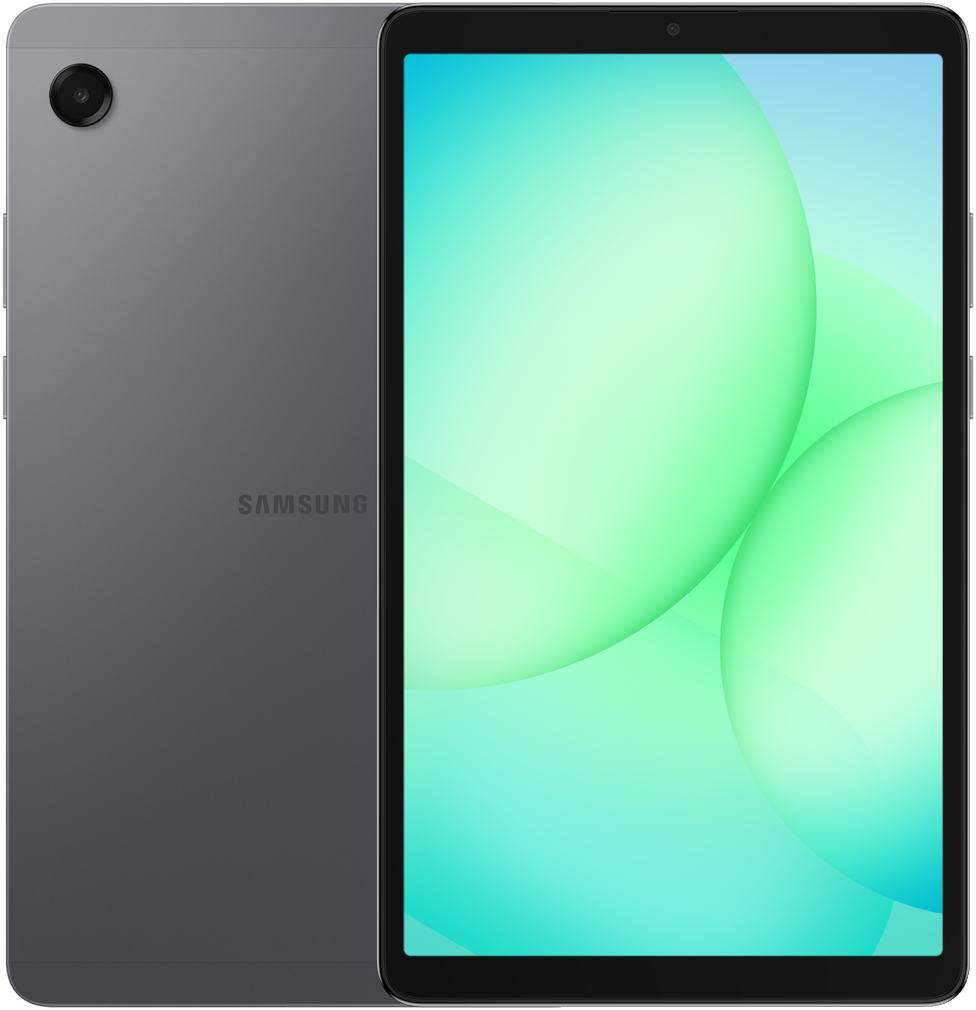
Sizometry Verdict
Editorial scores based on recurring themes across professional reviews, hands-on testing, and expert analysis.
Overall user experience
6.5
out of 10
A genuinely pocketable budget tablet with a welcome 90Hz upgrade and a rare seven-year update promise, held back by a low-resolution TFT panel, an aging Helio G99, slow 15W charging, and no stylus support at any price.
Category scores
Camera
6.0
Adequate document scanning and video calls for a budget tablet without imaging ambition.
Battery and charging
7.0
Comfortable light-use endurance on 5100mAh, held back by slow 15W charging with no included brick.
Performance
6.0
Acceptable for single-app use on the aging Helio G99; stutters under multitasking and heavier games.
Handling and portability
8.5
335 g and genuinely pocketable footprint — an unusual and standout strength among tablets.
Build quality
6.0
Appropriately budget plastic construction for the price; no water or dust resistance rating.
Value
7.0
Competitive feature set and positioning for the price tier.
Strengths
- Genuinely pocketable 335 g body fits large jacket and trouser pockets
- 90Hz refresh rate is a meaningful upgrade over the outgoing Tab A9
- Seven years of promised software updates rare at this price
Weaknesses
- Low-resolution TFT panel shows soft text and washed-out off-angle color
- Helio G99 stutters under multitasking; no S Pen support
- Slow 15W charging with no brick included
Best for
- Budget buyers wanting a pocketable screen upgrade over a phone
- Families buying a kids' or secondary media tablet
- Students with basic browsing and note-taking needs
- Buyers prioritizing Samsung's long update promise
Less suitable for
- Buyers wanting stylus support or AMOLED color
- Heavy multitaskers and mobile gamers
- Anyone comparing against the larger Galaxy Tab A11+
- Owners expecting fast charging speeds
Upgrade recommendation
Current device: Galaxy Tab A9 or older Tab A generation
Recommendation: Strongly recommendedNotes: 90Hz panel and seven-year updates address multi-year pain points at similar pricing.
Current device: Buyers wanting a bigger screen
Recommendation: Depends on prioritiesNotes: Galaxy Tab A11+ trades pocketability for a meaningfully bigger, faster experience.
Current device: Stylus or DeX-focused buyers
Recommendation: Probably unnecessaryNotes: Galaxy Tab S10 Lite or S10 FE target note-taking and multitasking far better.
Current device: Recent budget or mid-range tablets from other brands
Recommendation: Probably unnecessaryNotes: Limited incentive unless pocketable size or update length specifically matters.
Bottom line
The Galaxy Tab A11 earns its niche as one of the few genuinely pocketable Android tablets — a 335 g, 8.7-inch slab with a welcome 90Hz upgrade and seven years of promised updates that beats the outgoing Tab A9 comfortably. The tradeoffs are a soft low-resolution TFT panel, an aging Helio G99 that stutters under multitasking, no stylus support, and slow 15W charging without a brick. Buy it for pocketable browsing, streaming, and kids' use on a tight budget; look to the Tab A11+ for a bigger canvas or the Tab S10 Lite for stylus work.
See its real size next to another phone or tablet.
Open size comparisonOverview
Across recurring budget-tablet ownership reports, the Galaxy Tab A11 is widely regarded as Samsung's smallest, most pocketable slate — an 8.7-inch device positioned as an entry screen upgrade for students, kids, and secondary-device buyers rather than a productivity or creative tool. Recurring sentiment frames it as a compact media and browsing companion bought on tight budgets, with purchase logic shaped by street pricing well under mid-range tablets and frequent comparisons against the outgoing Galaxy Tab A9.
The most repeated praise centers on how small the Tab A11 feels relative to typical tablets. At 124.7 mm wide, 211 mm tall, 8 mm thick, and 335 g, several owners describe sliding the tablet into large jacket pockets or roomy cargo-style trousers — an unusual claim for a tablet and one reviewers cite as the defining differentiator versus ten-inch and eleven-inch Android slates. The jump to a 90Hz refresh rate over the outgoing A9's 60Hz panel earns consistent approval as a meaningful scrolling upgrade, and Samsung's promise of seven years of software updates draws repeated praise at this price tier.
Daily use
In daily use, the Galaxy Tab A11 is consistently described as adequate for light workloads: browsing, messaging apps, streaming video, e-books, and casual games sized for a budget chipset. The Helio G99 handles these basics without drama, though owners moving from newer phones notice app-switching lag and occasional stutter once several apps stack up in the background.
The 8.7-inch 800×1340 TFT panel draws mixed reaction. The 90Hz refresh rate is praised for smoother scrolling through social feeds and news apps, but the modest resolution shows soft text at close reading distances, and TFT viewing angles wash out color when the tablet tilts away from a direct line of sight — a recurring complaint versus higher-resolution rivals.
One UI on a small-screen tablet receives credit for familiar Samsung navigation, expandable microSD storage, a retained headphone jack, and stereo speakers with Dolby Atmos tuning that punch above the price for casual video and music. Friction includes preinstalled bloatware, no active stylus support at any configuration, and Galaxy AI features that land as marketing rather than daily utility on this chip.
Galaxy Tab A11
View the full specifications, dimensions, pricing, and related models.
Camera
Camera feedback centers on utility rather than photographic ambition. The 8MP rear sensor and 5MP front camera handle document scanning, homework photos, and video calls adequately for a budget tablet, and owners rarely expect more at this price.
Low-light performance trails phones noticeably, and neither sensor is marketed or used for creative photography. Video calls on the front camera are serviceable for family check-ins and remote classes, which covers the bulk of what buyers actually use the cameras for.
Battery and charging
Typical light-use days — browsing, streaming, messaging, and casual gaming — end with comfortable reserve on the 5100mAh cell, helped by the modest-resolution panel and efficient chipset. Owners running the tablet as a kids' device or bedside media player report multi-day standby with light daily use.
Fifteen-watt charging is among the most repeated criticisms, and Samsung does not include a charging brick in the box. A full charge takes noticeably longer than newer 25W-plus tablets, and owners who forget to plug in overnight feel the slow top-up speed the following morning.
Performance
App launches, browsing, and video playback feel acceptable for Tab A11 expectations on the Helio G99 — a chipset already several years into its lifecycle rather than a fresh budget silicon design. Light single-app use rarely stutters.
Multitasking exposes the chip's limits quickly: split-screen browsing beside video, several backgrounded apps, or heavier games introduce frame drops and reload delays. Owners with 4GB RAM configurations report tighter margins than 8GB variants, and neither variant is described as future-proof for demanding use.
Handling and portability
At 124.7 mm wide, 211 mm tall, 8 mm thick, and 335 g, the Galaxy Tab A11 is described as one of the easiest tablets to hold and operate one-handed — thumb reach spans most of the screen width, and the light body avoids the wrist strain owners report on larger eleven-inch Galaxy slabs.
Pocketability is a genuinely recurring theme for this specific tablet rather than an exaggeration. Multiple owners note the A11 fits large jacket pockets and roomy cargo or relaxed-fit trouser pockets where ten-inch and eleven-inch tablets never would, making it a viable no-bag carry option for short errands, commutes, or waiting rooms.
Sustained one-handed reading for an hour or more still fatigues wrists faster than a phone, and the tablet is most comfortable cradled or propped rather than held aloft for long stretches. Compared with the larger Galaxy Tab A11+, the standard A11 is the clear pick for owners who prioritize pocket and bag flexibility over screen real estate.
Build quality
At entry-level pricing, the A11 delivers a plastic-backed chassis, no water or dust resistance rating, and construction that feels appropriately budget rather than premium. Owners treat it as a low-stakes device for kids or casual carry rather than something requiring careful handling.
At 335 g and 8 mm thin, the body resists normal backpack and pocket wear without excessive flex. Buttons and the microSD tray feel adequate; the flat back simplifies budget case compatibility, though the plastic finish shows fingerprints and light scuffs over time.
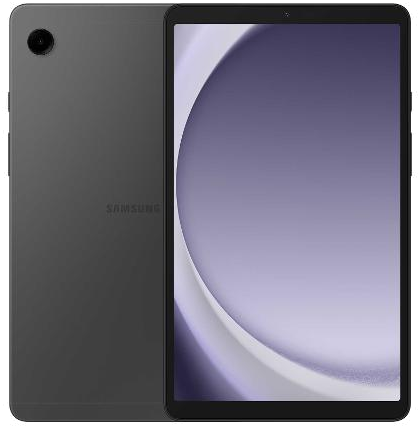
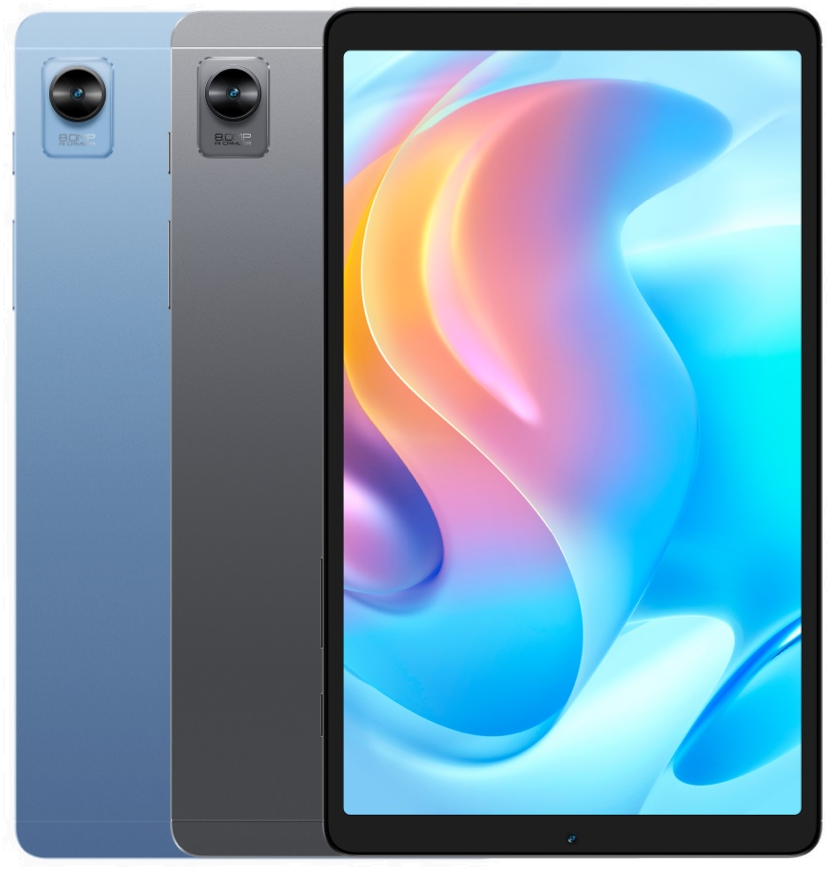
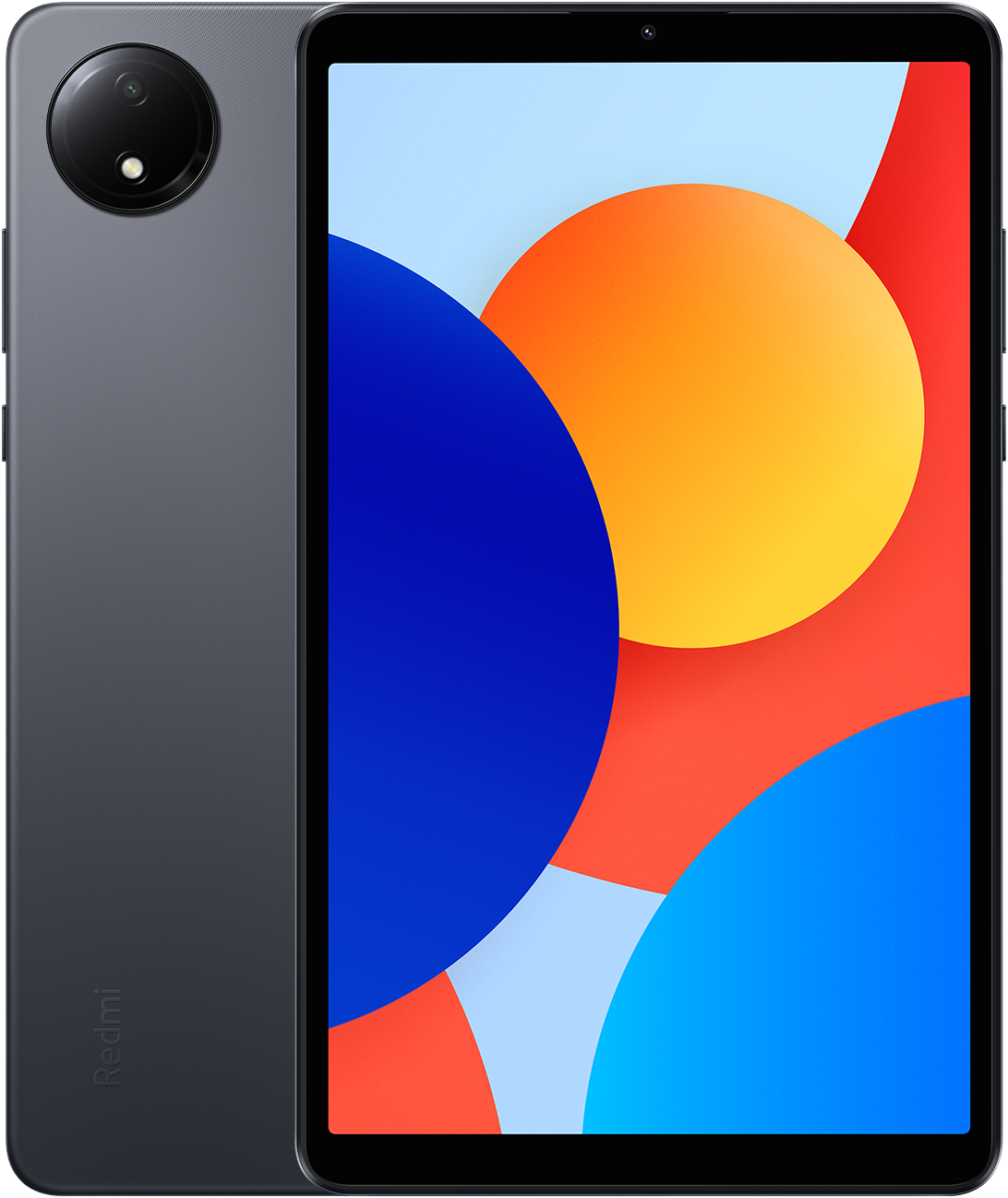
Similar size devices
This summary is based on recurring reports from public discussions.