Galaxy S25 Edge User Experience
Sizometry Verdict
Editorial scores based on recurring themes across professional reviews, hands-on testing, and expert analysis.
Overall user experience
7.5
out of 10
A beautifully thin and light flagship that delights in hand and pocket, defined in public sentiment by battery compromise, missing telephoto, slow charging, and thermal limits under sustained load.
Category scores
Camera
7.0
Capable 200MP main and ultrawide for everyday shots, with telephoto absence as a clear versatility gap.
Battery and charging
5.5
3900mAh pack is the dominant compromise — adequate for moderate use, insufficient for heavy routines without midday charging.
Performance
7.0
Flagship speed for routine tasks, with frame heat and battery drain under prolonged gaming and navigation.
Handling and portability
8.5
163 g and 5.8 mm profile make handling and portability among the best for a 6.7-inch Samsung flagship.
Build quality
8.0
Premium thin design feels special long-term, though thermal behavior reflects slim engineering limits.
Value
8.0
Competitive feature set and positioning for the price tier.
Strengths
- Ultra-thin 5.8 mm design at just 163 g
- Excellent pocketability and one-handed comfort
- Delightful in-hand feel versus heavy flagships
- Capable everyday main camera for daylight shooting
Weaknesses
- 3900mAh battery — biggest recurring owner criticism
- No telephoto and only 25W charging
- Frame heats during demanding use
- Premium price hard to justify for power users
Best for
- Moderate users who prioritize thinness over endurance
- Owners downsizing from heavy Ultra hardware
- Buyers who rarely need telephoto zoom
- Shoppers wanting 6.7-inch screen without Ultra weight
Less suitable for
- Heavy users needing reliable all-day battery
- Photographers who depend on optical telephoto
- Gamers seeking long cool sessions away from chargers
- Value buyers comparing specs per dollar with S25+
Upgrade recommendation
Current device: Galaxy S24 Ultra or S23 Ultra seeking ergonomics
Recommendation: Worth consideringNotes: Thinness and pocket relief can outweigh battery loss for moderate users consciously downsizing.
Current device: Galaxy S25 or S25+
Recommendation: Probably unnecessaryNotes: Lateral move trading battery and telephoto for slimness — rarely a strict upgrade.
Current device: Galaxy S24 or S25 (standard)
Recommendation: Depends on prioritiesNotes: Only compelling if thinness matters more than the standard model's better endurance.
Current device: Heavy mobile gamers or photographers
Recommendation: Probably unnecessaryNotes: Battery, heat, and missing telephoto conflict directly with those usage patterns.
Current device: iPhone Plus or Pro seeking thin Android flagship
Recommendation: Depends on prioritiesNotes: Physical delight is immediate; endurance adjustment determines long-term satisfaction.
Bottom line
The Galaxy S25 Edge earns admiration through exceptional thinness and light weight rather than through all-around flagship completeness. Its strongest appeal is ergonomic — a 6.7-inch phone that feels genuinely pocket-friendly and easy to hold for hours. The dominant trade-offs in community discourse remain the 3900mAh battery, absent telephoto, 25W charging, and frame warmth under load, amplified by a premium price that demands lifestyle alignment rather than spec-sheet leadership. Moderate users who charge often and rarely zoom may love it; heavy users and photography-focused buyers should treat the Galaxy S25 or S25+ as safer defaults.
See its real size next to another phone or tablet.
Open size comparisonOverview
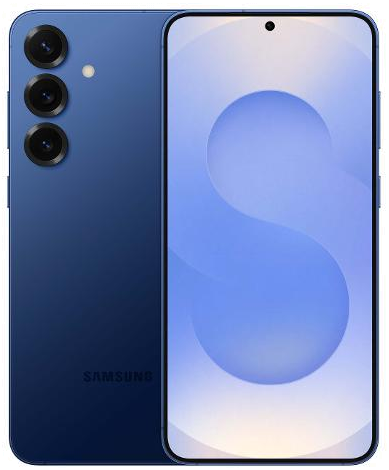
Across professional reviews and long-term owner discussions, the Galaxy S25 Edge is widely regarded as Samsung's most striking design experiment in the S25 generation — an ultra-thin 5.8 mm chassis at just 163 g wrapping a 6.7-inch display in a footprint that feels closer to compact phones than to traditional Ultra-class hardware. Recurring reports frame it as a lifestyle-oriented flagship that prioritizes in-hand delight and pocket-friendly thinness over maximum endurance and camera reach.
The most repeated criticism in public discourse is battery life. The 3900mAh cell is consistently described as the phone's defining compromise — adequate for light and moderate routines but roughly twenty percent behind the standard Galaxy S25 in recurring test comparisons, with heavy users commonly reporting midday top-ups. That trade-off sits at the center of value debates, especially against a controversial roughly $1,100 price tag for a device without telephoto optics and with 25W charging only.
Daily use
In daily use, the Galaxy S25 Edge is consistently described as fast and responsive for routine tasks when battery budget allows. App launches, messaging, navigation, and social browsing benefit from flagship-tier silicon, though owners more frequently monitor percentage drops than on larger-battery siblings. Light and moderate routines can feel effortless; heavy days introduce a background awareness of charging needs.
The 6.7-inch display receives strong praise for size-to-weight ratio — a large canvas that does not feel like a brick in hand. Peak brightness and color are described positively for outdoor use, though the panel lacks the anti-reflective Gorilla Armor treatment that Ultra owners celebrate, making glare management more situational in bright environments.
One UI 7 and One UI 8 receive credit for familiarity shared across the S25 family, with dependable routine behavior and no unique software instability tied to the Edge form factor.
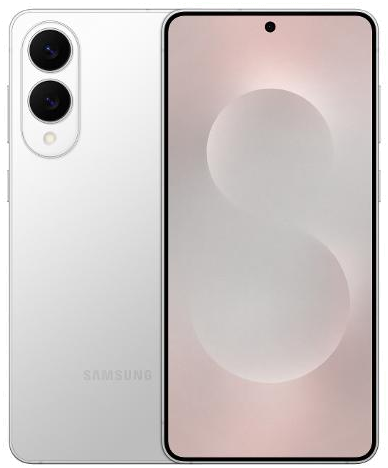
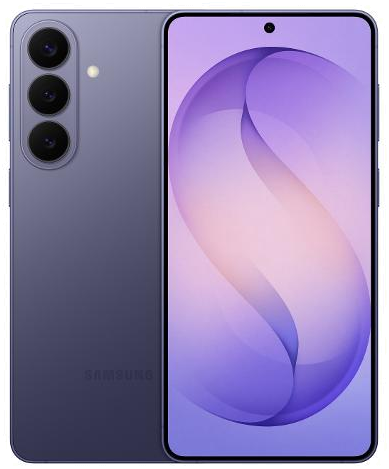
Galaxy S25 Edge
View the full specifications, dimensions, pricing, and related models.
Camera
Camera feedback centers on capable basics with clear reach limitations. The dual rear system — 200MP main plus ultrawide only, with no dedicated telephoto — is repeatedly praised for daylight detail, flexible crop from the high-resolution sensor, and reliable everyday color in casual shooting. Family photos, food scenes, and travel snapshots are described as dependable for non-enthusiast users.
The absence of telephoto optics is the most cited camera compromise. Owners who photograph distant subjects — concerts, sports, school events — commonly wish for optical zoom that the standard Galaxy S25 and S25 Ultra provide. Digital crop from the 200MP main helps in good light but does not replace periscope reach in dim venues.
Battery and charging
Typical daily reports split clearly by usage tier. Light routines — messaging, email, intermittent social browsing — often finish with acceptable charge remaining, though rarely with the comfortable margin standard S25 owners describe. Moderate mixed use frequently ends near bedtime with low percentages or a late-day top-up. Heavy streaming, gaming, GPS navigation, and camera days commonly require midday charging.
Recurring test comparisons place the 3900mAh pack roughly twenty percent behind the Galaxy S25 in endurance metrics, a gap owners describe as noticeable in real routines rather than theoretical. Long-term ownership threads increasingly raise degradation anxiety — smaller cells in thin phones historically inspire more concern about year-two and year-three capacity loss, even when first-year health reports remain acceptable.
Performance
App launching, camera processing, and routine multitasking are consistently described as fast when thermal and battery budgets allow. Flagship silicon handles current One UI features without the sense of computational compromise, though sustained workloads trigger warmth sooner than on thicker phones with more dissipation room.
Gaming feedback is positive for short to medium sessions on mainstream titles, with performance itself rarely the bottleneck. The limiting factor in owner reports is comfort and battery — heat at the thin metal frame and rapid percentage drops during graphically intense play.
Handling and portability
At 75.6 mm wide, 158.2 mm tall, 5.8 mm thick, and 163 g, the Galaxy S25 Edge is among the most consistently praised large-screen Samsung phones for one-handed manageability in owner discussions. The light weight and slim profile allow comfortable thumb reach across much of the display for messaging, quick browsing, and control adjustments when the other hand is occupied.
The thin chassis produces a card-like grip many owners find immediately satisfying versus 190 g-plus flagships. Side controls remain within comfortable thumb range for right-handed grips.
In standard men's jeans and most jacket pockets, owners report one of the most comfortable flagship fits in current Samsung lineups. At 158.2 mm tall and 5.8 mm thick, the Galaxy S25 Edge slides in with less bulk than nearly any comparable-screen rival and rarely creates the seated pressure that thicker phones produce.
Build quality
Premium materials and precise assembly combine into a device that feels intentionally crafted in owner reports. The 5.8 mm profile impresses at first touch and continues to register as special months later — a rarity in a category where phones often feel homogeneous after the honeymoon period.
Display durability follows familiar smartphone patterns: owners report surviving minor pocket abrasions, though thinness does not make glass invincible. Case usage splits the community — minimalists want to preserve visual slimness; pragmatists add thin protection knowing repairs on curved-edge flagships are costly.
Considering another Galaxy S25 model?
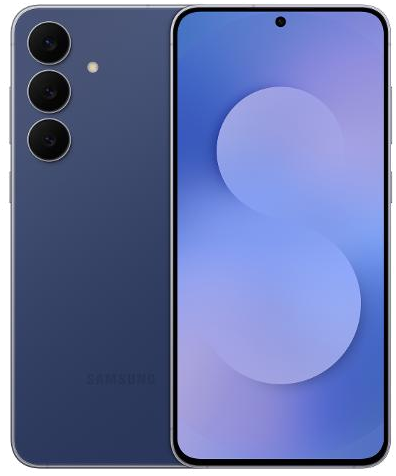
Similar size devices
This summary is based on recurring reports from public discussions.