Galaxy A57 5G User Experience
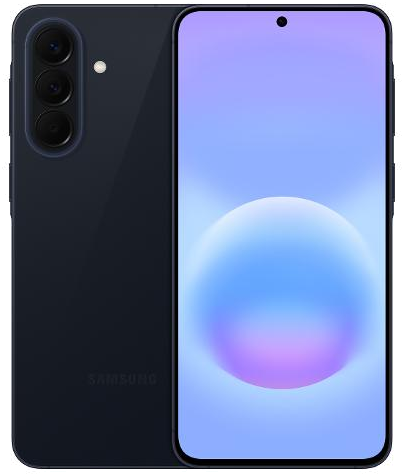

Sizometry Verdict
Editorial scores based on recurring themes across professional reviews, hands-on testing, and expert analysis.
Overall user experience
8.0
out of 10
The most refined 2026 Galaxy A phone for ergonomics and IP68 daily confidence, with strong Exynos 1680 performance and stereo media — held back by higher MSRP, plastic fingerprint-prone build, mixed early battery reports versus A56, and cameras that are solid rather than outstanding.
Category scores
Camera
7.5
Dependable daylight and acceptable low light with fast Exynos 1680 processing, but evolutionary rather than outstanding versus discounted Galaxy S models.
Battery and charging
7.5
5000mAh and 45W work well for most owners, though early threads include mixed endurance comparisons versus the A56.
Performance
8.0
Exynos 1680 delivers strong active-use speed with occasional idle-wake stutter noted in early One UI threads.
Handling and portability
8.5
Narrowest, lightest 2026 A-series dimensions at 76.8 mm and 179 g make it the trio's one-handed standout.
Build quality
7.5
IP68 and slim chassis impress, but plastic frame and glossy fingerprint magnet temper premium expectations.
Value
7.5
Competitive feature set and positioning for the price tier.
Strengths
- Slimmest, lightest 2026 A-series ergonomics with IP68 sealing
- Stereo Super AMOLED+ experience with Exynos 1680 snappiness
- 45W charging and six-year updates on the recommended midrange pick
Weaknesses
- Higher MSRP with plastic, fingerprint-prone materials versus aluminum A56 feel
- USB 2.0 and no wireless charging at this price tier
- Cameras and battery solid but not clearly class-leading in early discourse
Best for
- Buyers wanting the best-handling 2026 Galaxy A with IP68 and stereo audio
- Users upgrading aging A54/A55/A56 hardware for slimmer ergonomics
- Shoppers prioritizing weather sealing and pocket fit over flagship cameras
- Owners who value Exynos 1680 speed and 45W charging without Galaxy S cost
Less suitable for
- Deal hunters comparing against discounted A56 or Galaxy S flagships
- Owners who need aluminum build and minimal smudging
- Photography enthusiasts requiring flagship low-light and zoom
- Users sensitive to early battery variance reports versus A56
Upgrade recommendation
Current device: Galaxy A54, A55, or A56 generation
Recommendation: Worth consideringNotes: Slimmer IP68 body and Exynos 1680 are meaningful; weigh against higher price and plastic feel versus aluminum A56.
Current device: Galaxy A37 owners wanting IP68 and slimmer handling
Recommendation: Worth consideringNotes: Clear ergonomics and performance upgrade if $100 premium fits budget; A37 remains strong value otherwise.
Current device: Galaxy A27 owners needing stereo and 45W charging
Recommendation: Strongly recommendedNotes: Major daily-use upgrades in audio, charging, sealing, and performance over mono IP64 budget hardware.
Current device: Recent Galaxy S22 or S23 owners
Recommendation: Probably unnecessaryNotes: Sidegrade unless size, cost, and update longevity matter more than wireless charging and flagship cameras.
Current device: Shoppers comparing A57 with discounted Galaxy S models
Recommendation: Depends on prioritiesNotes: Choose A57 for slim IP68 ergonomics; choose discounted S-line for cameras, wireless charging, and premium materials.
Bottom line
The Galaxy A57 5G earns early recommendation status as Samsung's best-handling 2026 midrange phone through a slimmer 76.8 mm-wide, 179 g chassis, IP68 upgrade, stereo speakers, bright Super AMOLED+ panel, Exynos 1680 responsiveness, and 45W charging paired with six years of promised updates. Its strongest appeal is flagship-adjacent ergonomics and weather sealing without Galaxy S pricing. The dominant trade-offs in the first three months remain higher MSRP versus discounted A56 and Galaxy S rivals, plastic fingerprint-prone materials, USB 2.0 workflow limits, and cameras that are solid rather than outstanding alongside mixed battery comparisons versus the A56.
See its real size next to another phone or tablet.
Open size comparisonOverview
Across professional reviews and early owner discussions since the April 2026 launch, the Galaxy A57 5G is widely regarded as Samsung's most refined midrange pick in the 2026 A-series lineup — slimmer and lighter than the A56 it replaces, upgraded to IP68 sealing, and positioned as the default recommendation when shoppers want a large Super AMOLED+ panel, stereo speakers, and six years of promised updates without Galaxy S pricing. With roughly three months of community feedback available, recurring reports frame it as the lineup's handling and durability leader even when cameras and battery endurance generate more mixed sentiment than marketing suggests.
The most repeated criticisms cluster around value and feel rather than fundamental failures: a higher launch MSRP than the prior generation, a plastic frame and glossy back that attract fingerprints, USB 2.0 transfer limits, and scattered accounts of battery life trailing the A56 despite the same 5000mAh capacity and 45W charging headline. Camera feedback is consistently described as solid and dependable — improved processing on the Exynos 1680 — but rarely outstanding relative to discounted Galaxy S models.
Daily use
In daily use, the Galaxy A57 5G is consistently described as fast, fluid, and satisfying for routine tasks. App launches, messaging, navigation, and camera readiness benefit from the Exynos 1680 paired with One UI optimizations tuned for this tier. Owners rarely report meaningful lag during active use, with friction clustering instead around occasional resume delays after long idle periods and USB 2.0 annoyance when moving large video libraries off the phone.
The 6.7-inch 120Hz Super AMOLED+ panel is among the most praised hardware details alongside the slimmer chassis. Scrolling feels flagship-adjacent, HDR content looks vivid outdoors, and the hole-punch design completes a modern front profile. Stereo speakers elevate media and speakerphone calls noticeably above the A27 mono output and match the A37 stereo setup in owner comparisons, making casual Netflix and YouTube sessions a daily highlight rather than a headphone-only experience.
One UI receives credit for depth and a Galaxy AI subset where supported. Early ownership threads note that the A57's lighter weight makes prolonged one-handed browsing more pleasant than on the heavier A37 and A27, even when all three share similar screen real estate.
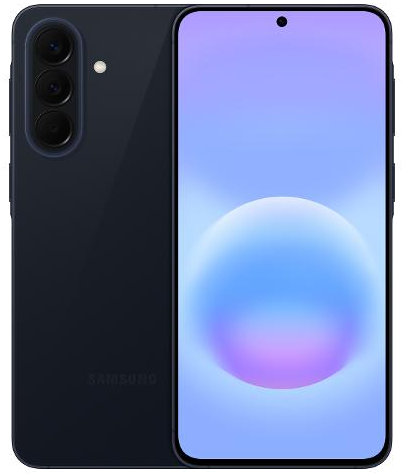
Galaxy A57
View the full specifications, dimensions, pricing, and related models.
Camera
Camera feedback centers on dependable, solid results rather than class-leading excitement. The rear system is repeatedly praised for predictable exposure, mature Samsung color science, and improved processing speed on the Exynos 1680 versus the A37 — daylight family photos, travel snapshots, and social sharing are described as reliably good without extensive editing.
Low-light performance receives mixed but generally positive mentions for the tier — better than the A37 and A27 in recurring comparisons, yet still clearly behind discounted Galaxy S models with larger sensors and more aggressive computational stacks. Owners who expected a revolutionary jump over the A56 sometimes describe the upgrade as evolutionary: sharper detail in good light, modest gains after sunset, not a new benchmark for midrange photography.
Battery and charging
Typical daily reports align around comfortable all-day endurance for moderate to heavy mixed use on the 5000mAh cell, though early ownership includes a notable split: many owners finish full days without urgency, while a recurring subset migrating from the A56 describes slightly faster drain under similar brightness and navigation habits. With only three months of community data, it is unclear whether that pattern reflects software tuning, panel efficiency differences, or sample variance.
45W wired charging supports confident daily energy management and matches the A37 pace while doubling the A27's 25W recovery. The absence of wireless charging disappoints buyers who owned Galaxy S phones with pad habits — a recurring omission in complaint lists rather than daily crises for wired-charging households.
Performance
App launching, camera processing, and routine multitasking are consistently described as fast on the Exynos 1680, with the A57 feeling like the performance anchor of the 2026 A lineup. Owners rarely report lag during active workloads, and photo bursts plus short clips process without meaningful delay in most recurring accounts — a clear step above the A37 in ISP responsiveness during mode switches.
Gaming feedback is positive for mainstream and mid-tier titles, with smoother sustained behavior than the A37 and A27 in side-by-side owner comparisons. High-load sessions can warm the device, but throttling anecdotes appear less prominent than on the Snapdragon 6 Gen 3 A27 in public threads.
Handling and portability
At 76.8 mm wide, 161.5 mm tall, and 179 g, the Galaxy A57 5G is the narrowest and lightest phone in the 2026 A-series trio. The 6.7-inch canvas allows comfortable thumb reach across the lower and middle display for messaging, quick browsing, and camera launch — a meaningful improvement over the 78.2 mm-wide A37 and A27 siblings for owners with smaller hands.
The 6.9 mm profile and reduced 179 g weight produce the most agile grip in the lineup — secure without the top-heavy sensation some owners felt on the 198 g A56. Side controls remain within comfortable thumb range for right-handed natural grips.
In standard men's jeans and most jacket pockets, owners report an especially comfortable fit for a modern large-screen phone, with the 161.5 mm height and 6.9 mm thickness sliding in more easily than the taller, thicker A27 and A37. The modest camera plateau creates fewer pressure points when stored screen-in than on some ultra-premium flagships.
Build quality
IP68 sealing, Gorilla Glass Victus+ front protection, stereo speakers, and the slimmest 6.9 mm / 179 g chassis combine into the most weather-resistant, pocket-friendly package in the 2026 A-series — even though the plastic frame and glossy glass back generate more mixed impressions than the aluminum A56 did.
Fingerprint attraction on the glossy rear is among the most repeated aesthetic complaints — owners describe constant smudging that pushes many toward cases for practical rather than drop-protection reasons. The plastic frame feels adequately rigid in early accounts, but lacks the premium cold-metal sensation aluminum loyalists remember from the A56.
Similar size devices


This summary is based on recurring reports from public discussions.