Galaxy A36 5G User Experience
Sizometry Verdict
Editorial scores based on recurring themes across professional reviews, hands-on testing, and expert analysis.
Overall user experience
7.5
out of 10
A capable midrange Galaxy with fast charging and a bright Victus+ display, tempered by missing microSD, weaker low-light cameras, and occasional smoothness and thermal surprises versus siblings.
Category scores
Camera
6.5
Solid daylight results for casual use, with low-light stills and selfies as recurring weak points versus the A56.
Battery and charging
8.0
5000mAh endurance is dependable for typical days, with 45W charging praised as a clear upgrade over the A26.
Performance
7.0
Snapdragon 6 Gen 3 handles daily tasks well but warmth and idle stutter appear more often than on the A26.
Handling and portability
7.5
Lighter and slimmer than the A26, though the widest chassis in the trio can stretch smaller hands.
Build quality
7.5
Victus+ and IP67 add confidence, with plastic back and missing premium frame keeping it below the A56.
Value
7.5
Competitive feature set and positioning for the price tier.
Strengths
- 45W charging and bright 2000-nit-class AMOLED
- Victus+ glass with IP67 in a slim 195 g body
- Dependable daylight photography for social use
Weaknesses
- No microSD expansion unlike the A26
- Low-light and selfie cameras disappoint many owners
- Occasional lag and warmth versus expectations
Best for
- Midrange buyers who want fast charging and a premium-feeling screen
- Users who never used microSD and prefer a slimmer phone than the A26
- Daylight casual photographers upgrading aging midrange hardware
- Shoppers balancing features against A56 pricing
Less suitable for
- Media archivers who require expandable storage
- Night and selfie photographers comparing with the A56
- Buyers seeking the most premium A-series build and cameras
- Users sensitive to thermal warmth during long sessions
Upgrade recommendation
Current device: Galaxy A32, A33, or A34 generation
Recommendation: Strongly recommendedNotes: 45W charging, brighter AMOLED, Victus+, and IP67 address midrange pain points from several-year-old hardware.
Current device: Galaxy A26 owners without microSD needs
Recommendation: Worth consideringNotes: Gains charging, brightness, and glass; loses expandable storage and may not feel smoother in every scenario.
Current device: Galaxy A56 shoppers on tight budget
Recommendation: Depends on prioritiesNotes: Save money if daylight cameras and plastic build suffice; pay up for aluminum frame and best A-series imaging.
Current device: Recent Galaxy S21 or S22 owners
Recommendation: Probably unnecessaryNotes: Sidegrade or downgrade unless cost reduction matters more than flagship cameras and materials.
Current device: Shoppers deciding between A36 and A26
Recommendation: Depends on prioritiesNotes: Choose A26 for microSD and value; choose A36 for 45W charging, Victus+, and brighter panel.
Bottom line
The Galaxy A36 5G occupies the contested middle of Samsung's 2025 A lineup — faster charging, tougher front glass, and a brighter AMOLED than the A26, packaged in the slimmest body of the trio. Its strongest appeal is modern screen and charging credentials for buyers who never needed microSD. The dominant trade-offs in community discourse remain the missing card slot, soft low-light and selfie performance, and occasional stutter or warmth that surprises those expecting a clear performance win over the budget sibling. Shoppers who prioritize photography and premium feel still hear the A56 recommended more often; those who need expandable storage should stay on the A26.
See its real size next to another phone or tablet.
Open size comparisonOverview
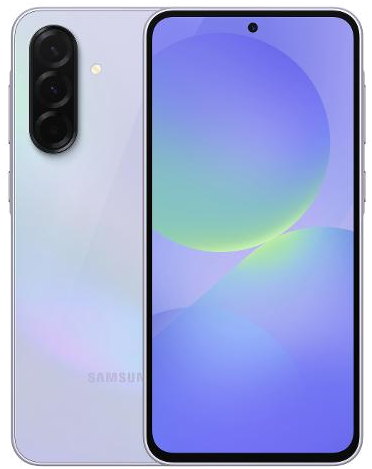
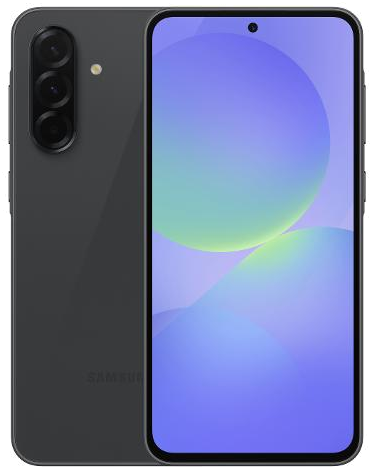
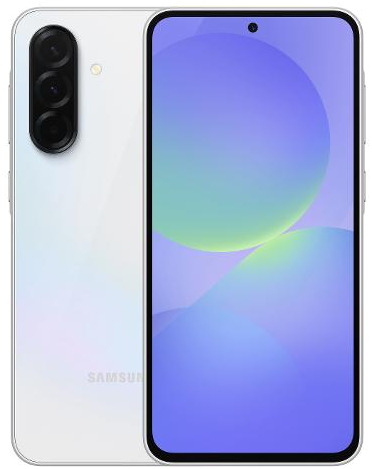
Across professional reviews and long-term owner discussions, the Galaxy A36 5G is widely regarded as a solid midrange Samsung phone that sits awkwardly between siblings — faster charging and tougher Gorilla Glass Victus+ than the budget A26, but without the aluminum frame, stereo speakers, or camera confidence of the A56. Recurring reports frame it as capable daily hardware with a few surprising friction points, especially occasional stutter compared with the cheaper A26 and thermal warmth during sustained use.
The most repeated criticism in public discourse is the removal of microSD expansion, which disappoints longtime Samsung buyers who treated expandable storage as a default advantage. Opinions split on whether internal storage tiers and cloud workflows compensate; many owners who never used a card adapt quickly, while media-heavy users frequently cite the omission as a reason to stay on the A26 or carry external drives. Camera limitations in low light and front-facing selfies appear nearly as often in complaint threads.
Daily use
In daily use, the Galaxy A36 5G is generally described as quick and familiar for routine tasks, though not uniformly smoother than every sibling. App launches, messaging, navigation, and social feeds run well on the Snapdragon 6 Gen 3 with One UI, but a subset of owners report occasional stutter when reopening apps after idle periods — a surprise given the A26's reputation for steadier basics at lower cost.
The 6.7-inch 120Hz AMOLED panel with up to 2000 nits peak brightness is a clear step up from the A26 in outdoor legibility and premium screen feel. Scrolling remains fluid, HDR content looks vivid, and hole-punch styling feels more modern than the A26 notch. Where friction appears, it clusters around heat buildup during navigation plus media sessions and camera disappointment in dim restaurants or evening selfies.
One UI receives credit for depth and customization, with limited Galaxy AI touches where supported. Idle-resume lag remains a comparison talking point rather than a universal daily blocker.
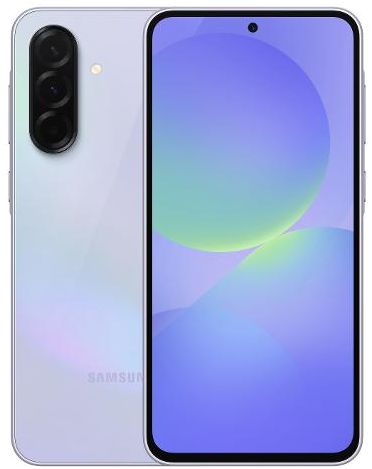
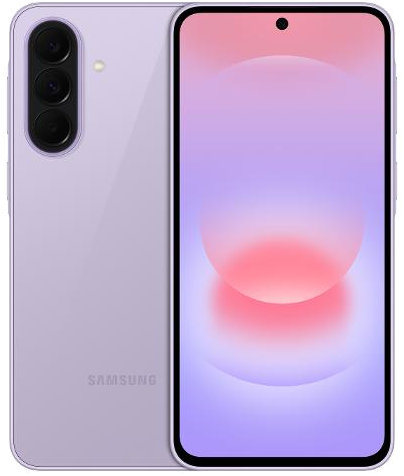
Galaxy A36
View the full specifications, dimensions, pricing, and related models.
Camera
Camera feedback centers on competent daylight performance and softer results when light drops. The rear system is repeatedly praised for predictable color, reasonable dynamic range outdoors, and social-ready snapshots in good conditions. Family outings, travel scenes, and quick street photography are described as fine for casual sharing without extensive editing.
Low-light stills and selfies are the clearest recurring weaknesses. Indoor restaurants, evening venues, and dim home lighting produce more noise, slower shutter feel, and less flattering front-camera detail in owner and review threads than many expected at this price. Night mode helps but rarely closes the gap with the A56 or flagship Galaxy cameras.
Battery and charging
Typical daily reports align around comfortable all-day endurance for moderate use on the 5000mAh cell: messaging, social apps, navigation, and intermittent media. Lighter routines often end with meaningful charge remaining; heavy 120Hz gaming, prolonged bright-outdoor use, or extended GPS days more commonly lead to an evening top-up. Thermal load during warm sessions can nudge consumption upward in some accounts.
45W wired charging is a clear quality-of-life upgrade over the A26 and matches the A56 pace. Owners praise faster midday recovery and shorter desk-top-up windows, making the A36 feel more modern in daily energy management even when total screen-on time parallels the budget sibling.
Performance
Routine app launching and multitasking are generally described as fast on the Snapdragon 6 Gen 3, though the occasional stutter-after-idle reports surprise reviewers who expected a clean win over the Exynos 1380 A26. Most owners still consider daily performance adequate; the complaints cluster in comparison articles and forums rather than as widespread defect narratives.
Gaming feedback is positive for mainstream titles at moderate settings, with the caveat that sustained sessions warm the phone and can produce mild throttling in demanding games. Casual gamers report satisfaction; enthusiasts comparing with the A56 note smoother sustained behavior on the higher-tier Exynos 1580 in side-by-side tests.
Handling and portability
At 78.2 mm wide, 162.9 mm tall, and 195 g, the Galaxy A36 5G is slightly wider than the A26 and A56 but marginally shorter and lighter than the entry model. The 6.7-inch canvas allows comfortable thumb reach across the lower and middle display for messaging and quick browsing, though the extra fraction of width can be felt during one-handed reach to the far edge on smaller hands.
The slimmer 7.4 mm profile and plastic-backed chassis produce a lighter in-hand feel than the A26 despite similar screen size. Side controls remain within comfortable thumb range for right-handed grips, and the hole-punch design frees more status-bar space than the A26 notch during one-handed glances.
In standard men's jeans and most jacket pockets, owners report a comfortable fit for a modern large-screen phone. At 162.9 mm tall, the A36 is slightly shorter than the A26, which some owners notice as an easier slide into front pockets, while the modest extra width is rarely cited as a daily problem unless paired with a bulky case.
Build quality
Gorilla Glass Victus+ on the front, IP67 sealing, and a plastic-backed chassis combine into a device that feels more durable on the display than the A26 while stopping short of the A56's aluminum frame premiumness. Buttons and the in-display fingerprint reader maintain consistent feedback in owner reports once enrolled.
Display durability receives more positive mentions than on budget rivals thanks to Victus+ marketing and early scratch-resistance anecdotes. Case usage remains common for drop protection, with bare-phone owners appreciating the slimmer grip and color options that receive occasional aesthetic praise.
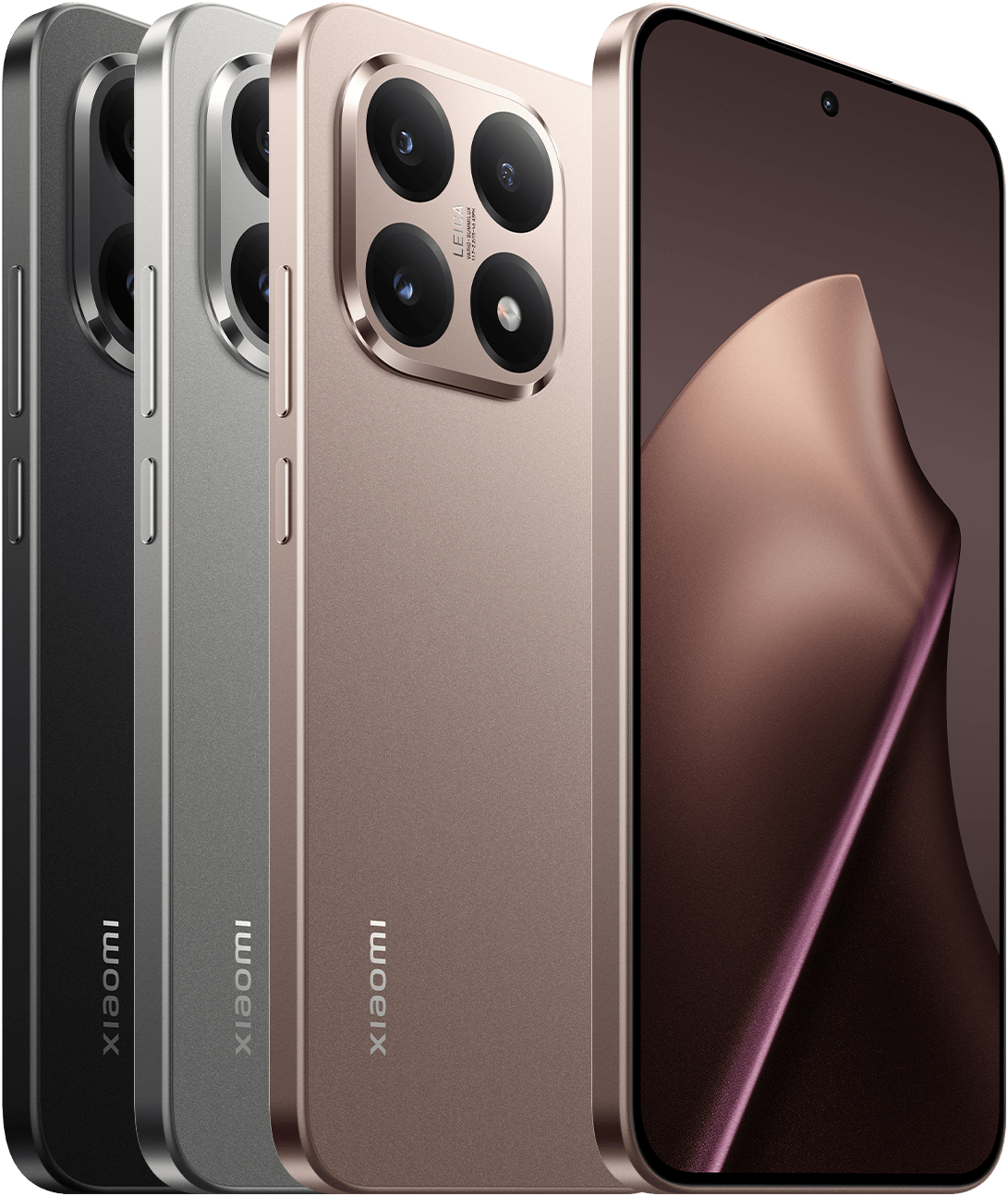
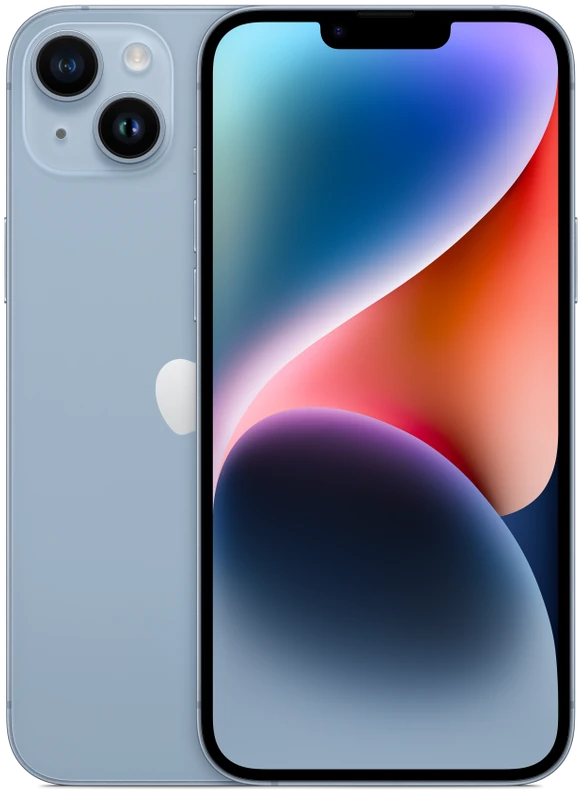
Similar size devices
This summary is based on recurring reports from public discussions.