Galaxy A17 5G User Experience
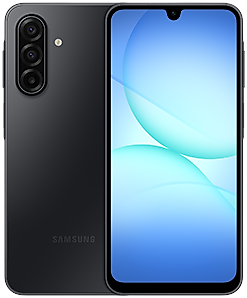
Sizometry Verdict
Editorial scores based on recurring themes across professional reviews, hands-on testing, and expert analysis.
Overall user experience
7.0
out of 10
An entry-level Galaxy with a standout Super AMOLED display and six-year updates for the price, held back in early ownership sentiment by Exynos 1330 sluggishness, tight base RAM, slow 25W charging, and an incremental step over the A16.
Category scores
Camera
6.5
OIS-backed 50MP daylight shots are a real upgrade over the A16, but low-light results and processing pace trail step-up A models clearly.
Battery and charging
7.5
5000mAh covers typical days well for moderate users, but 25W charging trails faster rivals in owner comparisons.
Performance
6.0
Exynos 1330 and 4GB RAM produce noticeable multitasking delays; higher-memory SKUs help but do not erase the gap to step-up chips.
Handling and portability
7.0
Manageable for a 6.7-inch phone at 192 g, though tall height still limits top-corner reach.
Build quality
7.0
Decent plastic build and reliable side fingerprint for the tier, without premium materials or water-resistance headline features.
Value
7.0
Competitive feature set and positioning for the price tier.
Strengths
- Super AMOLED 6.7-inch display at 90Hz — unusually strong near the $200 tier
- Six-year software update promise at entry pricing
- 50MP main camera with OIS upgrade over Galaxy A16
Weaknesses
- Exynos 1330 sluggishness and limiting 4GB RAM base
- 25W charging and mono speaker feel dated for the category
- Incremental upgrade over A16 frustrates value-focused buyers
Best for
- Budget buyers who want Samsung software longevity and a large AMOLED screen
- Light users upgrading from older LCD Galaxy or basic Android phones
- Shoppers who prioritize daylight camera stability with OIS over low-light ambition
- Owners willing to buy 6GB RAM or higher for smoother multitasking
Less suitable for
- Heavy multitaskers who need responsive UI with many apps open
- A16 owners unless pricing makes the OIS and update window compelling
- Media listeners who want stereo loudspeakers
- Photography-focused users who shoot frequently in dim environments
Upgrade recommendation
Current device: Very old Galaxy A or basic Android phones (LCD, short updates)
Recommendation: Strongly recommendedNotes: Super AMOLED, OIS camera, and six-year updates address multi-generation pain points at accessible pricing.
Current device: Galaxy A16 owners
Recommendation: Depends on prioritiesNotes: Meaningful only if OIS, panel brightness, or update positioning justify the price gap over a discounted A16.
Current device: Budget phones from other brands (2–3 years old)
Recommendation: Worth consideringNotes: Display quality and Samsung software longevity feel meaningful, but chip pace and RAM tier need careful evaluation.
Current device: Galaxy A26, A36, or A56 owners
Recommendation: Probably unnecessaryNotes: Stepping down removes faster charging, stronger performance, and better speakers without compelling gains.
Current device: Shoppers deciding between 4GB and 6GB A17 variants
Recommendation: Depends on prioritiesNotes: Choose 6GB minimum for multitasking comfort; 4GB suits only very light single-app routines.
Bottom line
The Galaxy A17 5G earns respect as Samsung's entry AMOLED value play through a large Super AMOLED panel, six-year updates, and OIS over the A16 near the $200 tier. Its appeal is screen quality and software longevity for light users. Dominant trade-offs remain Exynos 1330 sluggishness, tight 4GB RAM, 25W charging, mono speaker, and an incremental step over the A16. Upgraders from older LCD Galaxy phones gain the clearest benefits; A16 owners should compare deals; heavy multitaskers need 6GB RAM minimum or a step-up model.
See its real size next to another phone or tablet.
Open size comparisonOverview
Across early reviews and first-wave owner discussions, the Galaxy A17 5G is widely regarded as Samsung's most accessible 2025 A-series phone — a large-screen daily driver that trades processing headroom and charging ambition for a genuinely impressive Super AMOLED panel, six years of promised software support, and a price that often lands near the $200 tier. Recurring reports frame it as honest entry hardware, with sentiment shaped heavily by RAM configuration, tolerance for UI pauses, and whether buyers expected a bigger leap over the Galaxy A16.
The most repeated praise is the display: a 6.7-inch Super AMOLED panel at 90Hz with roughly 800 nits peak brightness, unusually strong for the price class. Where friction appears, it clusters around the Exynos 1330 and base 4GB RAM — adequate for light routines but less forgiving when several apps stay open or camera processing runs alongside navigation and messaging.
Daily use
In daily use, the Galaxy A17 5G is described as pleasant for routine tasks when expectations match entry-level hardware. Messaging, social feeds, maps, and browsing benefit from the large AMOLED canvas and 90Hz scrolling. Single-app workflows rarely lag, but handoffs between several active apps show pauses or brief reloads, especially on 4GB RAM.
The 6.7-inch Super AMOLED panel is among the most praised hardware details. Colors read vivid, text stays legible, and 90Hz feels like a clear upgrade over 60Hz budget phones. Daily friction clusters around the mono speaker, UI stutter after heavier sessions, and One UI feeling heavy on 4GB RAM.
One UI receives credit for familiarity, though widget density, background retention, and camera launch can feel less immediate than on midrange Galaxy phones. The 5000mAh battery supports all-day mixed use for many accounts; navigation-heavy days and gaming still push toward an evening top-up, while 25W pacing frustrates those who need midday recovery.
Galaxy A17
View the full specifications, dimensions, pricing, and related models.
Camera
Camera feedback centers on a meaningful daylight upgrade over the A16. The 50MP main sensor with OIS is praised for sharper handheld shots and more dependable walking video in good light. Family photos and casual portraits are good enough for social sharing at entry pricing.
Low-light performance remains the clearest limitation versus step-up Galaxy A phones. Indoor and evening scenes show more noise and softer detail; night mode helps modestly, but photography-focused owners steer toward the A26 or A36.
Battery and charging
Typical daily reports align around comfortable all-day endurance for moderate use on the 5000mAh cell. Lighter routines end with charge remaining; heavy gaming, bright scrolling, or extended GPS more commonly leads to a pre-bedtime top-up.
25W wired charging is a repeated compromise. Adequate for overnight habits, but slower than faster-charging rivals at similar prices. Moderate users finish most days without urgency; power users budget a brief evening charge.
Performance
Single-app workflows are acceptable for the price, but routine multitasking shows more friction than on step-up A models. The Exynos 1330 handles messaging and feeds in light use, yet several active apps together produce noticeable UI delays — especially on 4GB RAM.
Owners with 6GB or 8GB describe smoother transitions, though the chip trails A26 hardware when workloads stack up. Gaming is mixed: casual titles run at modest settings; sustained load warms the device and can throttle demanding games.
Handling and portability
At 77.9 mm wide, 164.4 mm tall, and 192 g, the Galaxy A17 5G sits in familiar large-phone territory. The 6.7-inch canvas allows comfortable thumb reach across the lower and middle display, though top-corner targets still require a grip shift on most hand sizes.
The plastic-backed chassis and 7.5 mm thickness produce a secure grip without premium heft. Side-mounted controls and the power key with integrated fingerprint reader remain within comfortable thumb range for right-handed grips.
In standard men's jeans and most jacket pockets, owners report a comfortable fit for a large-screen phone, though 164.4 mm height is taller than compact flagships. The A17 slides into pockets more easily than ultra-premium models with large camera islands but dominates shallow front pockets.
Build quality
The plastic-backed design and glass front feel practical for daily carry rather than premium. Buttons maintain consistent feel; the side fingerprint reader receives steady praise for speed once enrolled.
Build quality is decent for the price — better than cheapest generic alternatives, below aluminum-framed step-up models. Water resistance is not a headline feature on this tier.
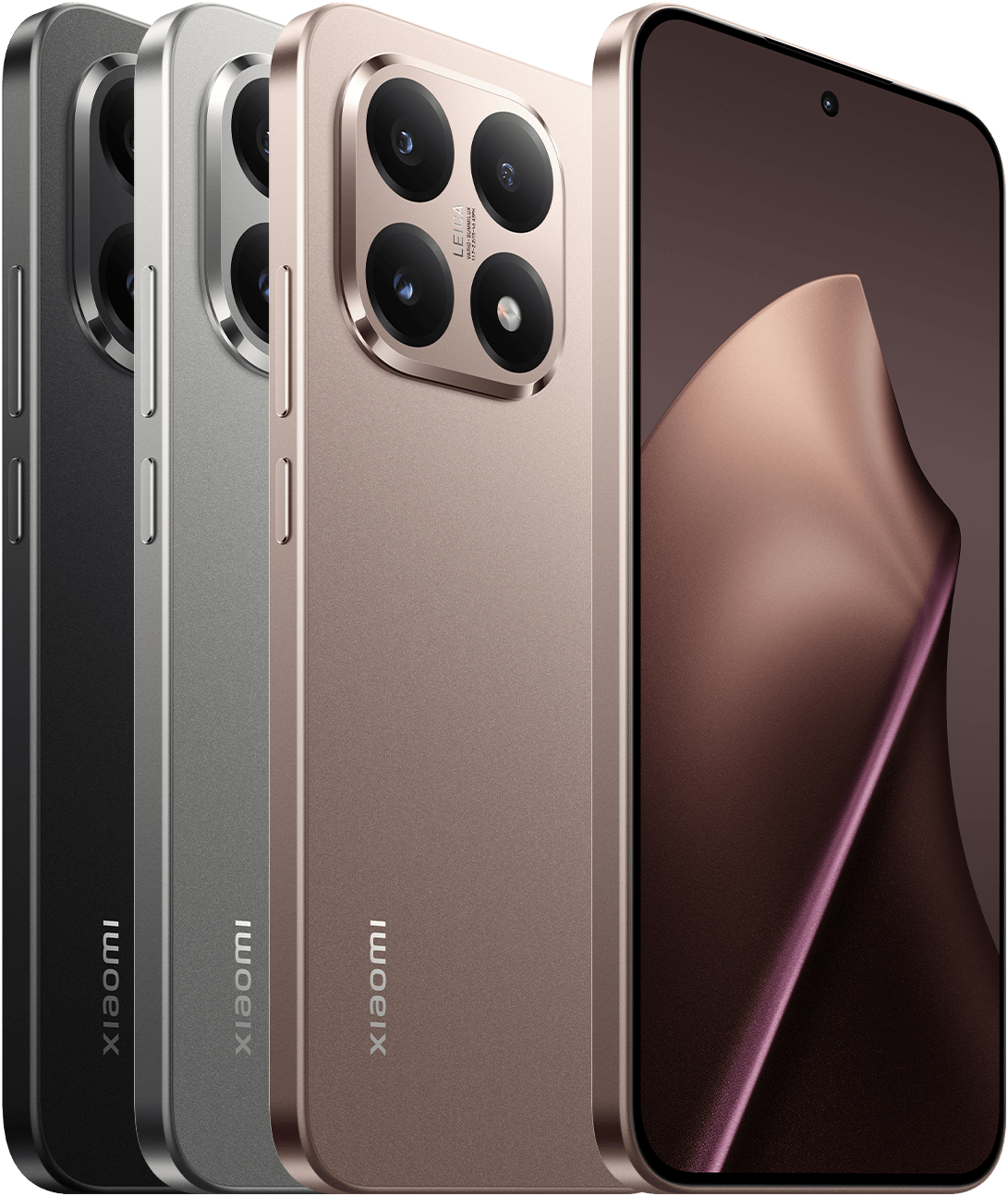
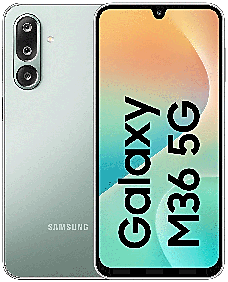
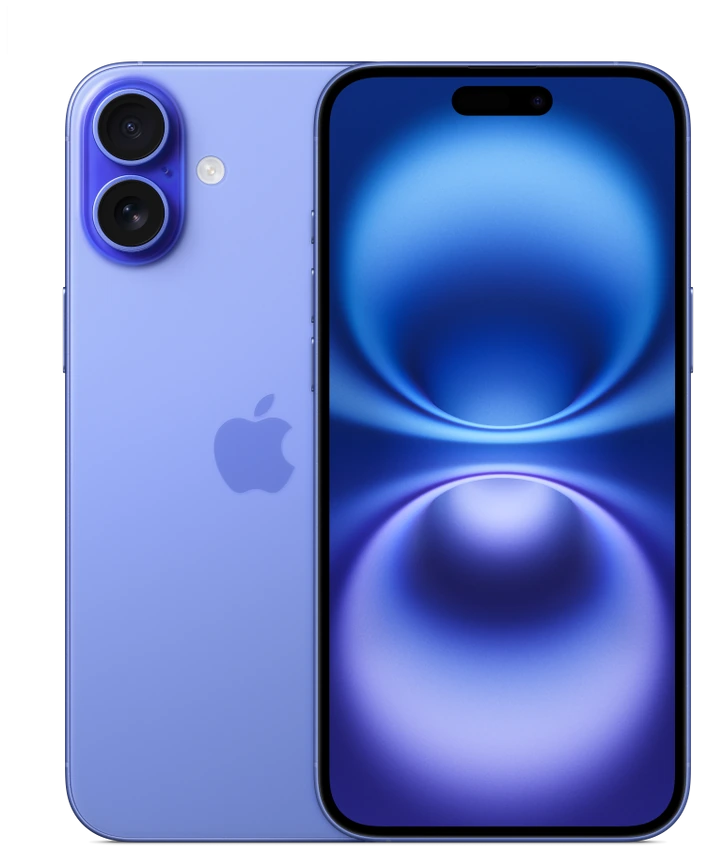
Similar size devices
This summary is based on recurring reports from public discussions.