Galaxy A07 User Experience
Sizometry Verdict
Editorial scores based on recurring themes across professional reviews, hands-on testing, and expert analysis.
Overall user experience
6.5
out of 10
An ultra-budget 4G Galaxy that gains real ground on its Helio G85-era predecessors through the Helio G99 chipset and 90Hz scrolling, held back by an HD+ LCD panel, mono speaker, slow 25W charging, and the absence of 5G.
Category scores
Camera
5.5
50MP daylight shots are acceptable for the price, but low-light results and the depth-only secondary sensor trail even modest step-up A-series phones.
Battery and charging
7.0
5000mAh comfortably covers moderate daily use, though 25W charging lags behind similarly priced 5G rivals.
Performance
6.0
Helio G99 is a clear, welcome step up from Helio G85, but heavier multitasking still exposes budget-tier limits.
Handling and portability
7.5
184 g and a 6.7-inch LCD panel make for comfortable one-handed carry, among the lighter phones in its screen class.
Build quality
6.5
IP54 sealing and microSD expansion are reasonable for the price; plastic construction feels practical rather than premium.
Value
7.0
Strong software-support commitment and a real chipset upgrade over prior A-series entries at an ultra-budget price.
Strengths
- Helio G99 chipset is a meaningful upgrade over the Helio G85 in the A05/A06 generation
- 90Hz LCD scrolling feels modern despite HD+ resolution
- Long software update pledge and microSD expansion at ultra-budget pricing
Weaknesses
- PLS LCD panel at HD+ resolution instead of AMOLED
- Mono speaker and 25W charging feel dated for the category
- No 5G connectivity limits long-term network relevance
Best for
- Ultra-budget buyers who do not need 5G and want Samsung update longevity
- A05 and A06 owners seeking a steadier Helio G99 chipset
- Light users who prioritize battery life over screen sharpness
- Buyers who want microSD expansion at the lowest Galaxy A price
Less suitable for
- Buyers who need 5G connectivity for future-proofing
- Shoppers who prioritize AMOLED contrast and sharper resolution
- Media listeners who want more than mono speaker output
- Photography-focused users who shoot frequently in low light
Upgrade recommendation
Current device: Galaxy A05, A06, or older basic Android phones
Recommendation: Worth consideringNotes: Helio G99 and 90Hz scrolling are tangible gains over Helio G85-era hardware, though the display remains LCD.
Current device: Buyers wanting 5G or AMOLED at similar size
Recommendation: Probably unnecessaryNotes: The Galaxy A17 better fits that need; the A07 is positioned as a 4G, LCD-based alternative rather than a substitute.
Current device: Galaxy A26, A36, or A56 owners
Recommendation: Probably unnecessaryNotes: Moving down trades away 5G, AMOLED, and stronger cameras without a meaningful price advantage in most markets.
Current device: Budget phones from other brands (2-3 years old)
Recommendation: Depends on prioritiesNotes: Software update length and the Helio G99 chipset are appealing, but confirm 5G is not a requirement first.
Bottom line
The Galaxy A07 earns its place as Samsung's most accessible 2025 A-series phone through a genuine Helio G99 chipset upgrade over the G85-era A05 and A06, a 90Hz LCD panel, and an unusually long update commitment for the price. Its clearest trade-offs are an HD+ LCD panel instead of AMOLED, a mono speaker, slow 25W charging, and no 5G connectivity. Buyers upgrading from older A05/A06-era hardware see the clearest benefits; anyone who needs 5G or wants an AMOLED screen should look to the Galaxy A17 instead.
See its real size next to another phone or tablet.
Open size comparisonOverview
Across early reviews and first owner discussions, the Galaxy A07 is generally treated as Samsung's most accessible 2025 A-series phone — a 4G-only device that trades 5G connectivity and an AMOLED panel for a MediaTek Helio G99 chipset, a 90Hz LCD display, and an unusually long update pledge for the price. Recurring commentary frames it as a meaningful step up from the Galaxy A06 rather than a device that competes with mid-tier A-series models.
The most repeated theme is the Helio G99 upgrade over the Helio G85 that powered the Galaxy A05 and A06 generation, which owners describe as noticeably steadier in daily use. Friction concentrates around the display technology: buyers expecting AMOLED at this size are often surprised to find a PLS LCD panel at HD+ resolution, a deliberate cost-cutting choice that separates the A07 from the pricier, 5G-capable Galaxy A17.
Daily use
In daily use, the Galaxy A07 is described as capable for routine tasks — messaging, social feeds, and browsing move along without much complaint, helped by the Helio G99's step up from the G85 that powered the prior A05 and A06 generation. The 90Hz refresh rate is frequently singled out as feeling more modern than fixed 60Hz budget rivals, even on a lower-resolution panel.
The 6.7-inch PLS LCD panel draws mixed reactions. Brightness and color are acceptable for outdoor use, but the HD+ resolution is repeatedly flagged as soft for text and fine detail compared with AMOLED panels on the Galaxy A17 at a similar shelf position. Owners who prioritize screen sharpness over price often note the trade-off directly.
One UI runs adequately on the Helio G99 platform for single-app routines, though heavier multitasking or several background apps can introduce pauses. The mono speaker and lack of 5G are recurring, if secondary, points in owner discussions — most buyers describe them as expected trade-offs rather than surprises.
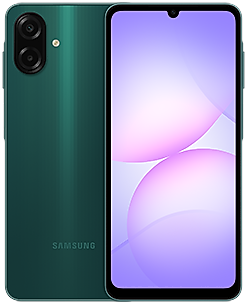
Galaxy A07
View the full specifications, dimensions, pricing, and related models.
Camera
Camera commentary centers on a competent daylight-only setup: the 50MP main sensor paired with a 2MP depth sensor produces acceptable detail and color for casual daytime photos and social sharing, without pretensions toward flagship processing.
Low-light performance is the most consistent complaint. Indoor and evening shots show clear noise and softer detail, and the 8MP selfie camera trails the main sensor in the same conditions. Buyers focused on photography are steered toward pricier, AMOLED-equipped A-series models rather than the A07.
Battery and charging
The 5000mAh battery is broadly described as sufficient for a full day of moderate use, helped by the HD+ resolution panel drawing less power than higher-resolution AMOLED screens on step-up models. Light users frequently report finishing the day with charge to spare.
25W wired charging is the recurring compromise — adequate for overnight charging habits but slower than many similarly priced 5G rivals. Owners who need a fast midday top-up describe the charging speed as the battery system's clearest limitation.
Performance
The Helio G99 is consistently framed as the Galaxy A07's headline internal upgrade, delivering steadier day-to-day performance than the Helio G85 that shipped in the Galaxy A05 and A06. Single-app use, messaging, and light browsing feel dependable for the price tier.
Heavier multitasking, several open apps, or casual gaming expose the platform's budget ceiling — noticeable pauses appear under sustained load, and demanding titles need reduced settings. Owners largely accept these limits given the phone's positioning well below mid-tier A-series pricing.
Handling and portability
At 77.4 mm wide, 167.4 mm tall, and 184 g, the Galaxy A07 sits in typical large-budget-phone territory. The 6.7-inch display allows comfortable thumb reach across the lower two-thirds of the screen, while top-corner icons and notification shades still require an occasional grip shift.
The plastic back and 7.6 mm profile keep the phone light relative to its screen size, and the side-mounted fingerprint reader sits within easy thumb reach for most right-handed grips. At 184 g, it is noticeably lighter than several 5G-capable rivals in the same screen class, which owners frequently cite as a comfort advantage during extended one-handed scrolling.
Build quality
The plastic-backed chassis and IP54 splash resistance are viewed as reasonable for an ultra-budget device, offering protection against light rain and dust without matching the water resistance of pricier Galaxy phones. The microSD slot is a repeated point of praise, giving budget buyers expandable storage that flagship-tier Samsung phones have long dropped.
Overall build feels practical rather than premium — buttons are consistent, and the frame does not creak under normal use. Owners describe it as sturdy enough for careful daily carry, with a case recommended for drop protection given the plastic construction.
Similar size devices
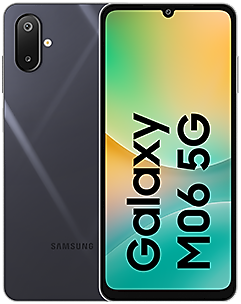
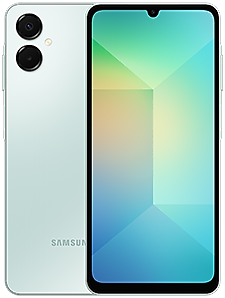
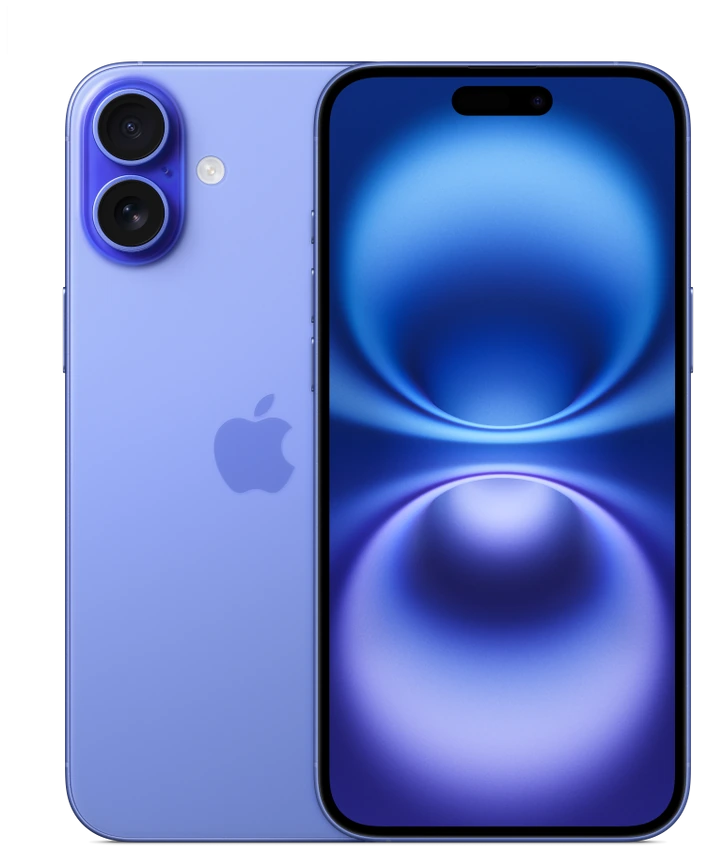
This summary is based on recurring reports from public discussions.