OPPO
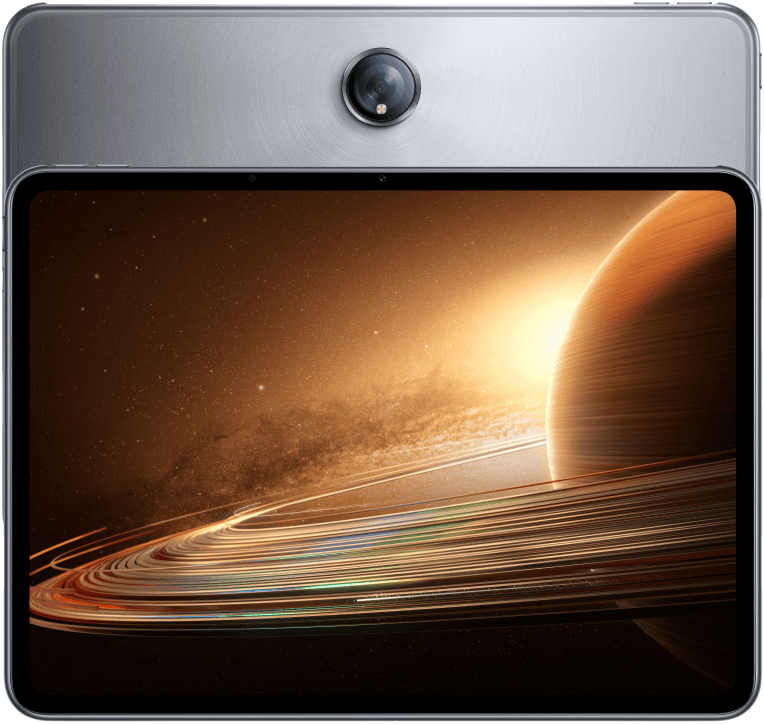
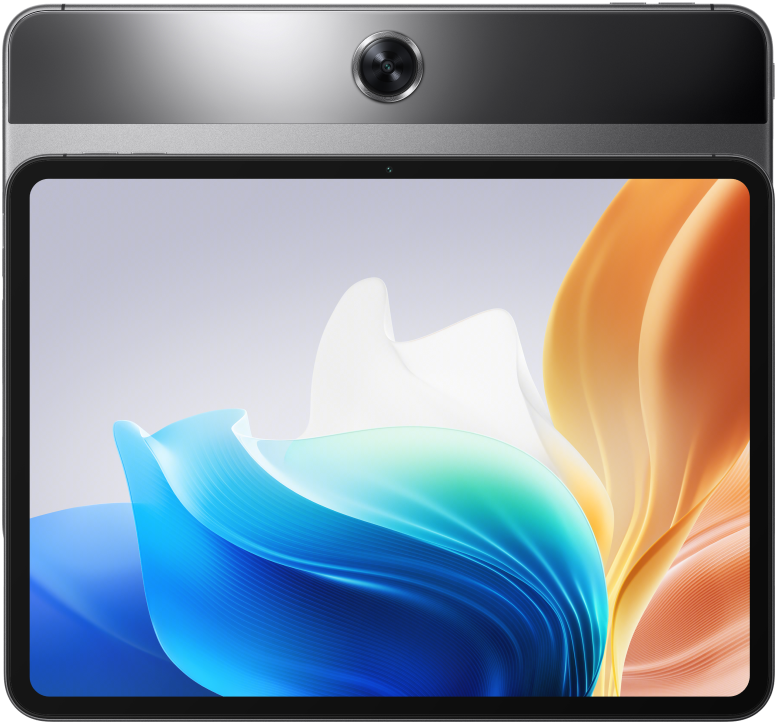
Pad 2 vs Pad Neo
Device summary
OPPO
Pad Neo
Full specifications
| Basic information | ||
|---|---|---|
| Release year | 2023 | 2024 |
| Starting price | — | — |
| Display size | — | — |
| Dimensions | 189.4 mm × 258.0 mm × 6.5 mm | 188.0 mm × 255.1 mm × 6.9 mm |
| Weight | 552 g | 538 g |
| Front material | — | — |
| Back material | — | — |
Basic information
Release year
- Pad 2
- 2023
- Pad Neo
- 2024
Starting price
- Pad 2
- —
- Pad Neo
- —
Display size
- Pad 2
- —
- Pad Neo
- —
Dimensions
- Pad 2
- 189.4 mm × 258.0 mm × 6.5 mm
- Pad Neo
- 188.0 mm × 255.1 mm × 6.9 mm
Weight
- Pad 2
- 552 g
- Pad Neo
- 538 g
Front material
- Pad 2
- —
- Pad Neo
- —
Back material
- Pad 2
- —
- Pad Neo
- —
Key differences
The most meaningful measured gaps in size and weight — not an overall winner.
Weight
Pad Neo
14 g lighter
Height
Pad 2
2.9 mm taller · minor difference
Width
Pad 2
1.3 mm wider · minor difference
Thickness
Pad 2
0.3 mm thinner · minor difference
User Experience Summary
Pad Neo
Strengths
- Distinctive 7:5 aspect ratio designed for book-like reading and split-screen multitasking
- Long-lasting 8,000mAh battery with roughly a full day of typical use
- Genuinely strong quad-speaker Dolby Atmos audio for the price
Compromises
- 8MP cameras produce grainy, lackluster low-light results
- No 3.5mm headphone jack despite otherwise strong audio hardware
- Helio G99 chipset shows its ceiling in demanding games