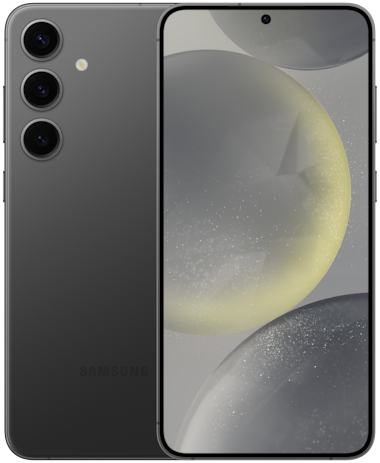
Samsung
Galaxy S24+ vs F5
Device summary

POCO
F5
Full specifications
| Basic information | ||
|---|---|---|
| Release year | 2024 | 2023 |
| Starting price | — | — |
| Display size | — | — |
| Dimensions | 75.9 mm × 158.5 mm × 7.7 mm | 75.0 mm × 161.1 mm × 7.9 mm |
| Weight | 196 g | 181 g |
| Front material | — | — |
| Back material | — | — |
Basic information
Release year
- Galaxy S24+
- 2024
- F5
- 2023
Starting price
- Galaxy S24+
- —
- F5
- —
Display size
- Galaxy S24+
- —
- F5
- —
Dimensions
- Galaxy S24+
- 75.9 mm × 158.5 mm × 7.7 mm
- F5
- 75.0 mm × 161.1 mm × 7.9 mm
Weight
- Galaxy S24+
- 196 g
- F5
- 181 g
Front material
- Galaxy S24+
- —
- F5
- —
Back material
- Galaxy S24+
- —
- F5
- —
Key differences
The most meaningful measured gaps in size and weight — not an overall winner.
Weight
F5
15 g lighter
Height
F5
2.6 mm taller · minor difference
Width
Galaxy S24+
1 mm wider · minor difference
Thickness
Galaxy S24+
0.2 mm thinner · minor difference
User Experience Summary
Galaxy S24+
Strengths
- Standout 4,900mAh battery that comfortably outlasts the base S24
- Roomy 6.7-inch 120Hz AMOLED display without Ultra bulk or pricing
- 45W charging reaches meaningful percentages quickly despite no included charger
Compromises
- Camera hardware unchanged for a third consecutive generation
- Low-light photos trail newer AI-imaging-focused rivals
- No S Pen or long telephoto reach, unlike the Ultra