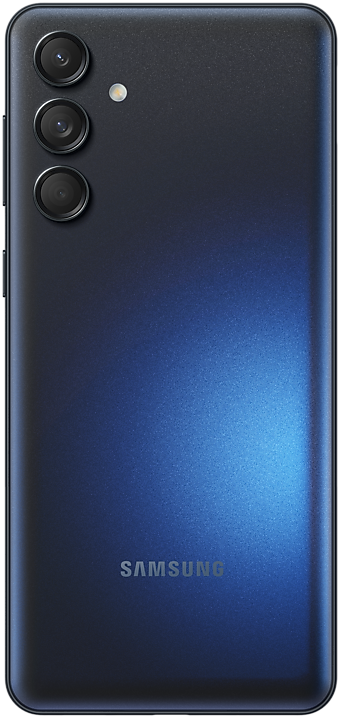
Samsung
Galaxy M55 vs Reno10 Pro
Device summary

OPPO
Reno10 Pro
Full specifications
| Basic information | ||
|---|---|---|
| Release year | 2024 | 2023 |
| Starting price | — | — |
| Display size | — | — |
| Dimensions | 76.5 mm × 163.9 mm × 7.8 mm | 74.2 mm × 162.3 mm × 7.9 mm |
| Weight | 180 g | 185 g |
| Front material | — | — |
| Back material | — | — |
Basic information
Release year
- Galaxy M55
- 2024
- Reno10 Pro
- 2023
Starting price
- Galaxy M55
- —
- Reno10 Pro
- —
Display size
- Galaxy M55
- —
- Reno10 Pro
- —
Dimensions
- Galaxy M55
- 76.5 mm × 163.9 mm × 7.8 mm
- Reno10 Pro
- 74.2 mm × 162.3 mm × 7.9 mm
Weight
- Galaxy M55
- 180 g
- Reno10 Pro
- 185 g
Front material
- Galaxy M55
- —
- Reno10 Pro
- —
Back material
- Galaxy M55
- —
- Reno10 Pro
- —
Key differences
The most meaningful measured gaps in size and weight — not an overall winner.
Width
Galaxy M55
2.3 mm wider
Height
Galaxy M55
1.6 mm taller · minor difference
Weight
Galaxy M55
5 g lighter · minor difference
Thickness
Very similar thickness
User Experience Summary
Galaxy M55
Strengths
- Vivid 120Hz Super AMOLED Plus display with punchy colors
- Dependable all-day battery life with 45W fast-charging support
- Stereo speakers and under-display fingerprint sensor uncommon at this price
Compromises
- Camera app is noticeably slow, especially for automatic night-mode shots
- Battery and camera resolution reduced compared with the previous M54
- Phone runs warm during extended gaming or camera app use