Insights
RUMOR
Rumor
Tamaño del iPhone Fold: dimensiones y pantallas esperadas
Tamaño del iPhone Fold con dimensiones esperadas, pantalla interior y exterior, grosor plegado y comparación con Galaxy Z Fold 8 — aún sin confirmar por Apple.
Quick Answer
• Expected outer display — ~5.5 inches — Strongly supported • Expected inner display — ~7.7–7.8 inches — Strongly supported • Expected unfolded thickness — ~4.5–4.8 mm — Plausible • Expected folded thickness — ~9.0–9.6 mm — Plausible • Expected form factor — book-style foldable, short and wide when closed — Strongly supported • Expected aspect ratio — tablet-like inner canvas nearer to a productivity plane than a tall phone — Plausible • Weight status — Not reliably known • Publication status — Unconfirmed; Apple has not published product name, dimensions, or weight
Expected iPhone Fold Dimensions
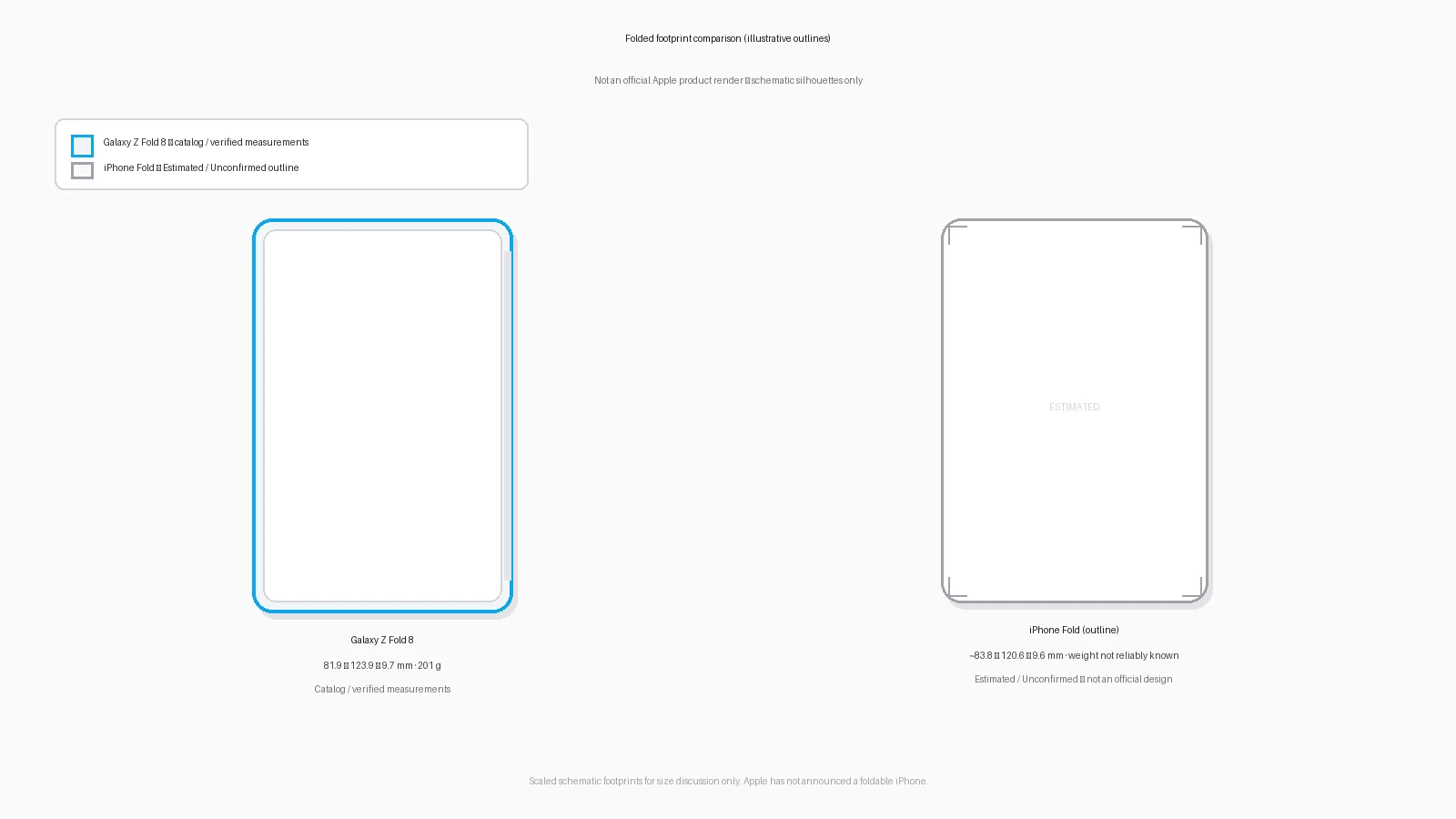
The most consistent iPhone Fold dimensions picture is a short-wide closed body that opens into a wider reading and multitasking plane. Sizometry’s working estimate for the rumored foldable iPhone — Estimated / Unconfirmed, not catalog-verified — is 83.8 × 120.6 × 9.6 mm folded and 167.6 × 120.6 × 4.8 mm unfolded. Treat every row below as Expected or Estimated until Apple publishes specs.
• Measurement — Current expectation — Confidence • Outer display — Expected ~5.5 inches — Strongly supported • Inner display — Expected ~7.7–7.8 inches — Strongly supported • Unfolded thickness — Expected ~4.5–4.8 mm — Plausible • Folded thickness — Expected ~9.0–9.6 mm — Plausible • Height — Estimated ~120.6 mm folded and unfolded — Plausible • Width when folded — Estimated ~83.8 mm — Plausible • Width when unfolded — Estimated ~167.6 mm — Plausible • Weight — Not reliably known • Inner aspect ratio — Expected tablet-like / near-productivity proportions — Plausible • Camera-inclusive maximum thickness — Too uncertain to publish • Exact bezel widths — No consistent estimate
Those figures describe a passport-like closed rectangle: shorter than a Pro Max slab, wider side to side, and thicker than a conventional iPhone before any case.
Explorar detalles del dispositivo
What the Screen Sizes Actually Mean
A 5.5-inch outer display and a 7.8-inch inner display are not two “phone sizes” on one scale. Diagonal length mixes height and width, so similar inch labels can feel unrelated once aspect ratio changes.
A tall, narrow cover wastes typing width even when the diagonal looks fine. A shorter, wider cover can feel more phone-like for messages and maps. A tablet-like inner canvas adds useful area for documents and split apps. Sizometry’s read: treat diagonals as labels, then judge closed width for phone habits and open proportions for multitasking.
Could It Feel Like a Small iPad?
In some tasks, yes. In others, no. A rumored near-tablet inner display can resemble a compact tablet for documents, email, two-column browsing, and side-by-side apps. Photos and tablet-aware games may also benefit from the wider canvas.
It will not feel like a small iPad for everything. 16:9 video can letterbox; vertical feeds may look less immersive; and a foldable panel still has hinge geometry a slab tablet never has. Documents and dual apps are the closest match.
Outer-Screen Usability
If the outer display lands near 5.5 inches on a short-wide body, one-handed cover use looks realistic for notifications, messaging, maps, and quick replies. Width matters more than the diagonal: a narrow cover forces cramped keyboards even when the inch count sounds fine.
That does not make the cover a full iPhone replacement. Many owners still unfold for long reading, dense web pages, and dual apps. If closed width is generous, typing stays comfortable; if Apple prioritizes a smaller brick, the keyboard may feel pinched. Sizometry’s expectation: the rumored cover is a real phone screen, not a secondary strip — but the product still asks you to unfold for the jobs that justify a hinge.
Folded and Unfolded Thickness
Thickness has to be split into two states. Unfolded thickness near 4.5–4.8 mm would make each open panel feel exceptionally thin — useful for tablet-mode comfort, but also where stiffness matters most.
Folded thickness near 9.0–9.6 mm is the daily pocket figure: hinge stack, two displays, and reinforcement. Body figures typically exclude camera protrusion and cases. Treat unfolded thinness as the wow number and folded thickness as the commute number.
Camera Bump and Real Maximum Thickness
Body thickness is not maximum carried thickness. Camera islands, hinge lips, and case lips decide what hits a desk or pocket seam.
Camera placement remains too unsettled to publish a camera-inclusive maximum depth. A rear module can make a closed phone rock on a table; a case may flatten that rock; hinge volume can create a thicker local zone than the average body figure. Comparing foldables by body thickness alone understates pocket bulk. Leave camera protrusion unknown until a shipping unit can be measured.
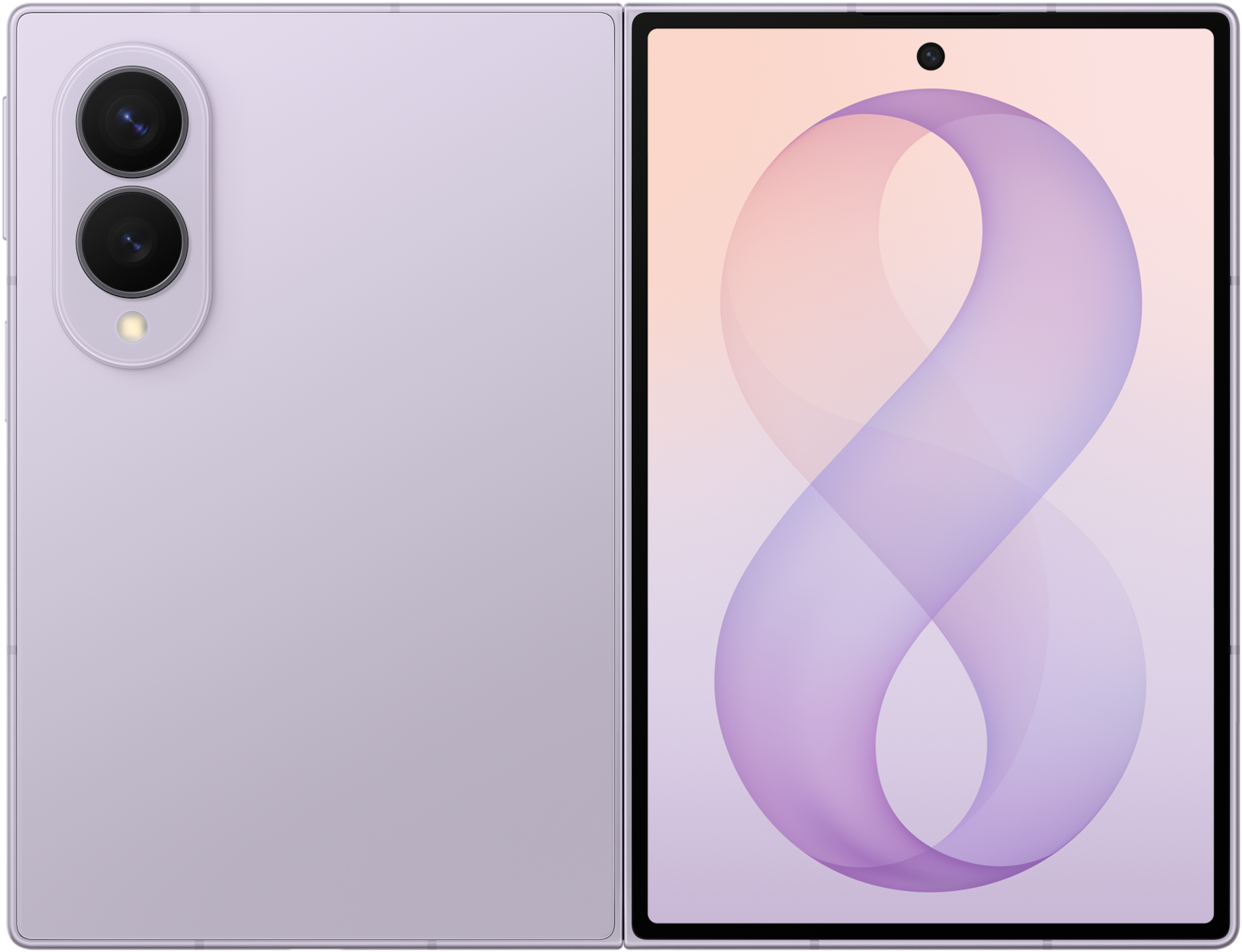
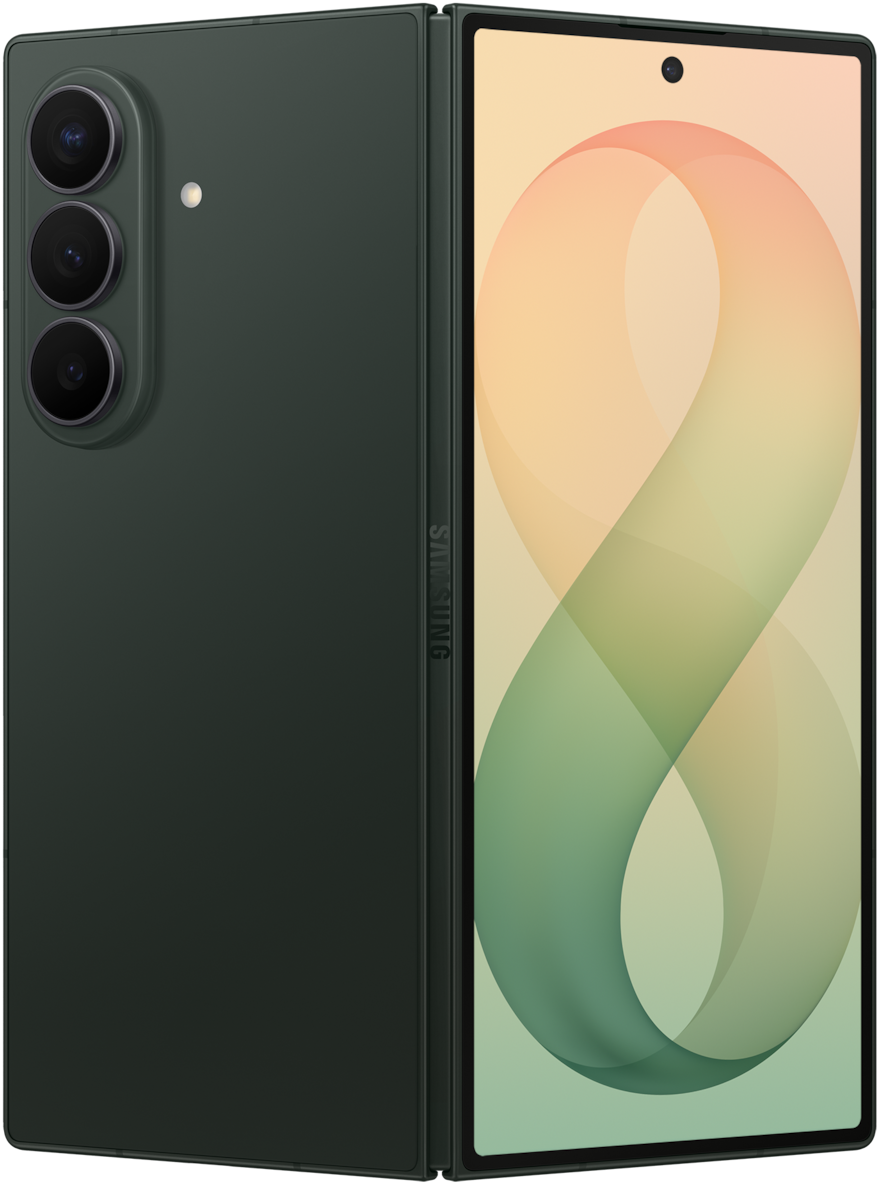
Abre iPhone Fold y Galaxy Z Fold8 juntos en la herramienta de comparación de tamaño de Sizometry.
Abrir comparación de tamañosiPhone Fold vs Galaxy Z Fold 8 Size
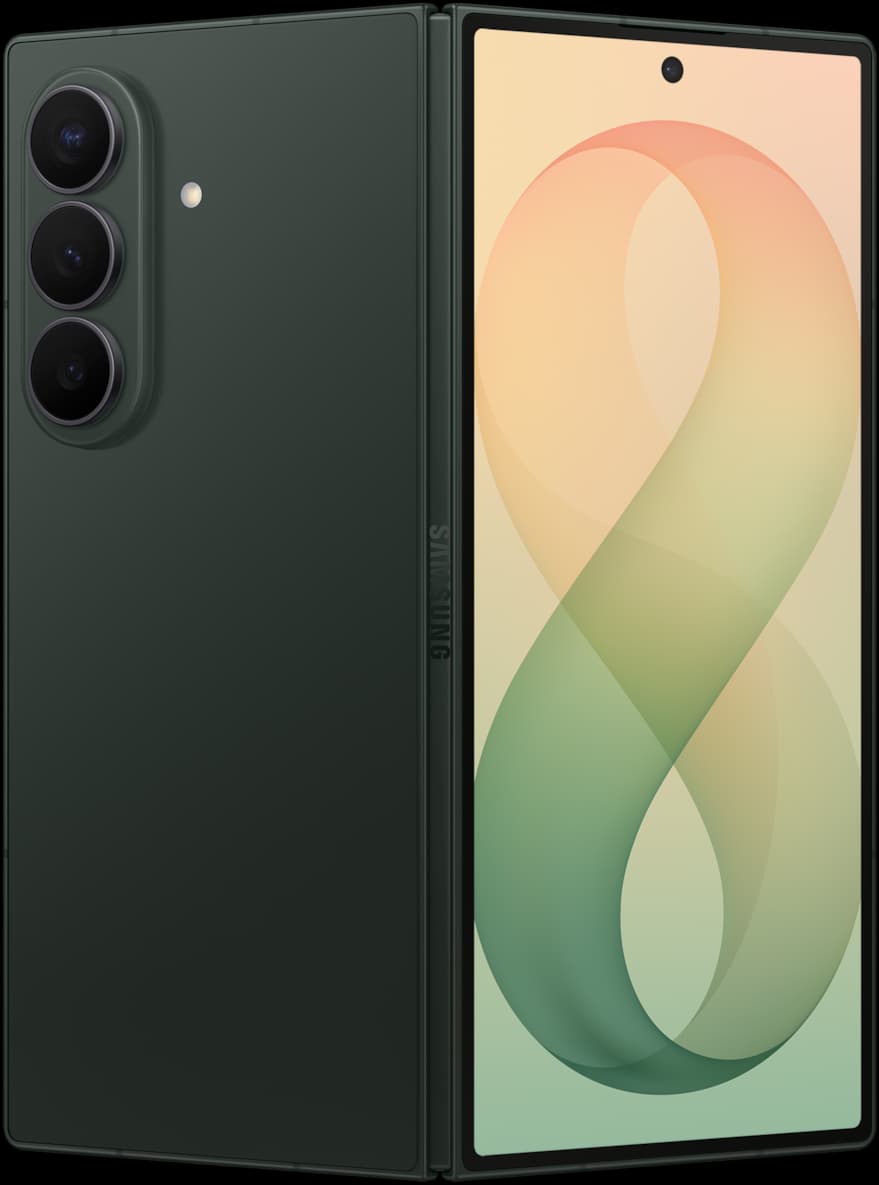
This comparison uses Sizometry catalog values for Galaxy Z Fold8 and Expected / Estimated values for the rumored iPhone Fold.
• Metric — iPhone Fold (Expected) — Galaxy Z Fold 8 (catalog) • Outer display — ~5.5 in — 5.5 in • Inner display — ~7.7–7.8 in — 7.6 in • Folded height — ~120.6 mm — 123.9 mm • Folded width — ~83.8 mm — 81.9 mm • Folded thickness — ~9.6 mm — 9.7 mm • Unfolded thickness — ~4.8 mm — 4.5 mm • Unfolded width — ~167.6 mm — 161.4 mm • Weight — Not reliably known — 201 g • Inner proportions — tablet-like productivity canvas — 7.6-inch short-wide main panel • Overall footprint — slightly shorter and wider closed; wider open — short-wide reference class
Neither phone is simply “smaller.” Fold 8 is a bit taller closed and has a catalog mass advantage at 201 g. The rumored iPhone Fold looks about 1.9 mm wider closed, about 3.3 mm shorter, and about 6.2 mm wider open if estimates hold. Pocketability currently favors Fold 8 on known mass. One-handed cover use looks plausible on both. Video and documents diverge by canvas shape more than by thickness tenths.
iPhone Fold vs Galaxy Z Fold 8 Ultra
Galaxy Z Fold8 Ultra is a different size grade: 72.8 × 158.4 × 8.9 mm folded, 143.2 × 158.4 × 4.1 mm unfolded, 215 g, with a 6.5-inch cover and 8.0-inch inner display. Against that tall book, a rumored short-wide iPhone Fold would likely feel shorter, wider when closed, and less like a conventional tall phone in the pocket. Ultra leans into a larger cover and taller stance; the rumored Apple shape leans into passport proportions and a wider open plane.
Comparison With a Regular iPhone
Against iPhone 17 Pro Max (163.4 × 78 × 8.75 mm, 233 g, 6.9-inch display), a rumored foldable closed near 120.6 × 83.8 × 9.6 mm would be much shorter, somewhat wider, and thicker before cases. Closed height drops by roughly 43 mm versus Pro Max, while folded width grows by about 6 mm and folded thickness by about 0.9 mm. Pocket height improves; side-to-side and front-to-back bulk do not. Weight cannot be ranked while Apple’s figure remains Not reliably known.
Against iPhone Air (156.2 × 74.7 × 5.64 mm, 165 g), the contrast is sharper: Air is the thin single-slab extreme, while a foldable closed near 9.5 mm trades that thinness for an inner workspace. Pro Max and Air keep one canvas; the rumored foldable asks for cover-first one-handed use, then two-handed open work. Closed height may shrink while thickness and width do not.
Why Aspect Ratio Matters More Than the Diagonal
Same diagonal, different area and different jobs. Stretch a 7.8-inch panel tall and you get a phone-like strip. Widen it toward a tablet-like plane and you get more useful width for PDFs, browsers, and two apps even when the inch label barely moves. Galaxy Z Fold 8’s catalog inner panel at 2448 × 1848 already shows how a short-wide main display trades vertical stretch for horizontal work space.
Near-tablet canvases usually help documents and multitasking, can letterbox 16:9 video, and may make vertical feeds feel less immersive. Tablet-aware layouts reward the geometry; stretched phone UIs waste the hinge. That is why Sizometry treats iPhone Fold aspect ratio as a first-order size variable — ahead of “7.8 versus 7.6” debates that ignore shape.
One-Handed Use and Pocketability
Pocketability is folded volume, not open thinness. Folded width near 84 mm, height near 121 mm, thickness near 9.5 mm, plus unknown mass and camera geometry, define front-pocket reality. Skinny jeans notice width and thickness first; jacket pockets forgive both more easily. Walking favors the cover; long reading favors unfolding.
Weight distribution, hinge position, and case thickness can overrule a flattering sheet. Judge the rumored foldable as a thick short phone that becomes a wide thin workspace — not as a device that is simultaneously pocket-invisible and tablet-large.
Weight Uncertainty
No official weight exists, and public expectations are not consistent enough for Sizometry to treat any gram figure as a working headline. Hinge hardware, dual displays, frame alloy, battery packaging, cameras, reinforcement, and sealing ambition all move the scale.
Do not assume Apple’s first foldable will undercut Galaxy Z Fold 8’s catalog 201 g. Balance can matter as much as the scale reading. Keep weight labeled Not reliably known until Apple publishes it.
Battery and Internal-Space Trade-Offs
Expected size shapes energy packaging even when capacity stays unpublished. A book chassis often splits cells across panels, while the hinge steals volume a slab could use for battery. A wide inner display can draw more power during long open sessions; cover-only use can save energy. Thin panels leave less room for cells and thermal mass.
Without an official capacity claim, inventing milliamp-hour figures would be guesswork. Mixed cover-and-inner days are plausible, but open-tablet habits will likely tax endurance more, and thinness goals will keep fighting battery volume.
Durability Implications of the Expected Size
Very thin open panels need stiffness, and hinges need to survive thousands of folds. Expected size shows where stress may concentrate; it does not prove whether execution clears the bar before independent testing.
Who Would Benefit From This Size?
Likely a strong fit if you find Pro Max height excessive, want a real cover plus a wide inner workspace, read documents often, multitask in two apps, or want one device that can stand in for a phone and a small tablet.
Likely a weak fit if you want the cover to finish almost every task, prefer Air-class thinness, rank battery life first, buy primarily for cameras, dislike thick closed phones, worry about foldable durability, or judge every premium phone by price-to-spec sheets.
Consulta la comparación completa de especificaciones de iPhone Fold frente a Galaxy Z Fold8.
Comparar iPhone Fold frente a Galaxy Z Fold8Sizometry Verdict
iPhone Fold size, as currently estimated, is not “a bigger iPhone” and not “a smaller Galaxy clone.” It is a short-wide book whose success depends on aspect ratio, folded width, and closed volume more than on winning a diagonal contest.
Sizometry’s size verdict: outer-screen success hinges on folded width; pocketability hinges on closed brick volume, case depth, and still-unknown camera protrusion — not sub-5 mm open thinness; a tablet-like inner canvas should help documents and multitasking more than vertical video; and the product wins only if it sits cleanly between a regular iPhone and a small iPad. Weight remains Not reliably known. Judge the rumor by geometry and use-case fit until Apple confirms numbers.
Frequently Asked Questions
How big will the iPhone Fold be? Current expectations suggest a short-wide book-style phone roughly near 83.8 × 120.6 × 9.6 mm folded and 167.6 × 120.6 × 4.8 mm unfolded on Sizometry’s working estimate. Apple has not confirmed final dimensions.
What are the expected iPhone Fold dimensions? The most consistent estimate places closed size in a passport-like rectangle and open size as a wider thin slab with stable height. Exact millimeters remain unconfirmed and subject to change.
How large will the iPhone Fold screen be? Expected outer display size is about 5.5 inches, and expected inner display size is about 7.7–7.8 inches. Those diagonals are strongly supported in current expectations, but official panel specs are still unpublished.
How thick will the iPhone Fold be when folded? Expected folded thickness sits near 9.0–9.6 mm before cases or camera protrusion. That closed stack is the practical pocket thickness figure, not the open-panel wow number.
How thin will the iPhone Fold be when open? Expected unfolded thickness is about 4.5–4.8 mm. That open thinness can feel dramatic in hand, but structural stiffness and durability still matter more than the headline millimeter.
Will the iPhone Fold be smaller than the Galaxy Z Fold 8? Not in every dimension. Fold 8 is a bit taller closed and lists 201 g in catalog. The rumored iPhone Fold looks a bit wider closed and wider open. Weight cannot be ranked while Apple’s figure remains Not reliably known.
Will the iPhone Fold feel like a small iPad? For documents, email, browsing, and dual apps, a tablet-like inner canvas could feel close. For vertical video, one-handed use, and pocket photography, it should still feel like a phone that opens. Task type decides the comparison.
Will the iPhone Fold fit in a pocket? A closed height near 121 mm should sit higher than a Pro Max slab, but folded width near 84 mm and thickness near 9.5 mm still make a noticeable brick in tight front pockets. Jacket pockets are more forgiving.
How much will the iPhone Fold weigh? Not reliably known. Do not treat placeholder gram figures as an official Apple weight.
Is iPhone Fold the official product name? No. Apple has not officially confirmed a product name. “iPhone Fold,” “foldable iPhone,” and similar labels are working terms for the rumored book-style device.
Esta información no ha sido confirmada por el fabricante.