Insights
RUMOR
Rumor
iPad mini 8 Display Rumors: OLED, 120Hz and Screen Upgrade Possibilities
Could the next iPad mini get OLED or 120Hz? Separates OLED, ProMotion, and jelly-scrolling questions from what Apple has confirmed on the shipping mini.
Apple has not announced the next iPad mini under the unofficial “iPad mini 8” name, and it has not confirmed OLED, 120Hz, or ProMotion for a successor. Current reporting may point toward OLED for the compact tablet, but no reliable public refresh-rate specification has been established.
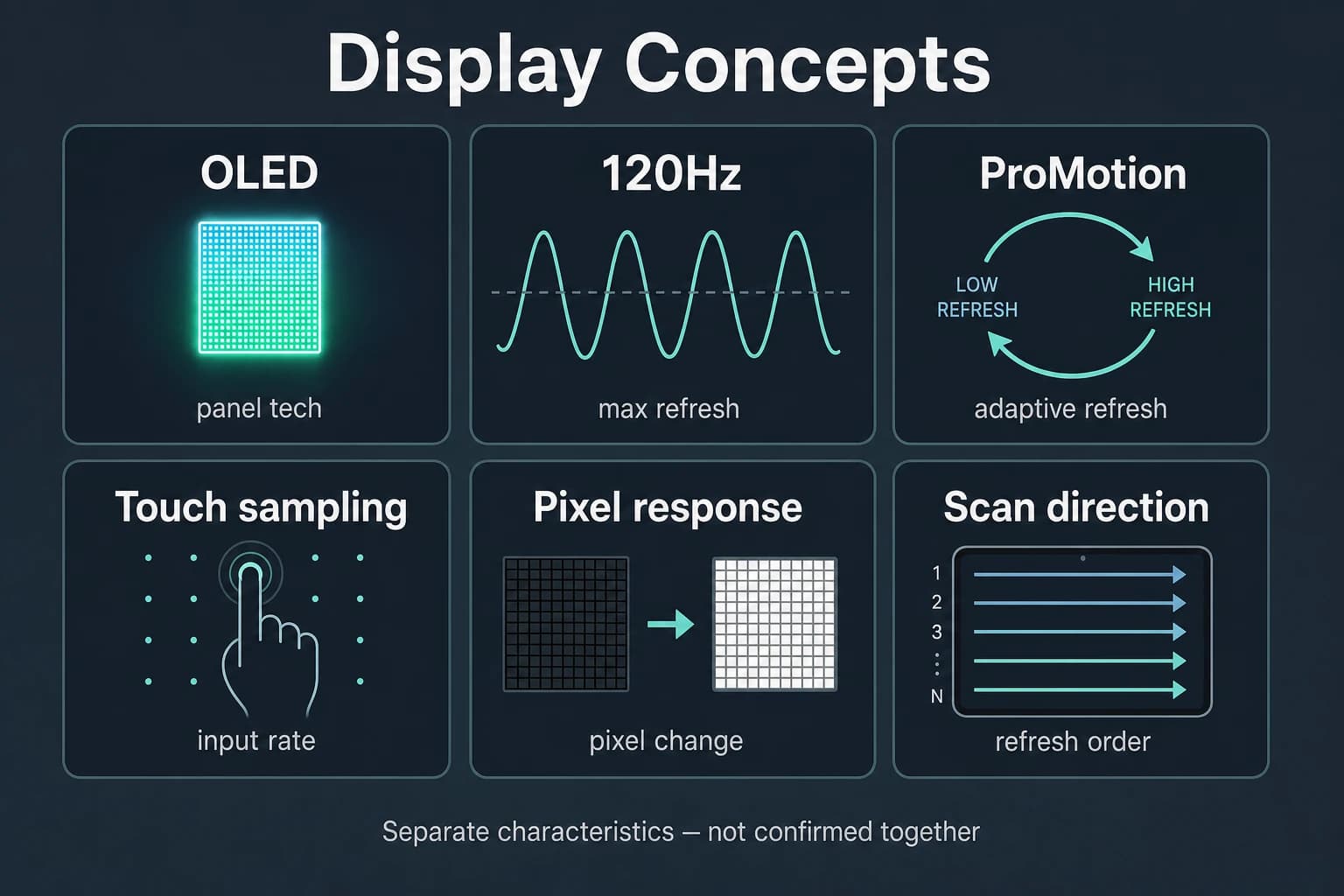
OLED is the panel technology. A 120Hz specification describes maximum refresh capability. ProMotion is Apple’s adaptive high-refresh implementation. None of those features automatically guarantees the others — touch sampling, pixel response, and scan direction are separate characteristics as well.
This article evaluates realistic display configurations and their practical consequences for contrast, motion, scrolling, Pencil use, reading, gaming, and product-tier separation. For shipping hardware, see the iPad mini (A17 Pro) and the iPad mini User Experience. Chassis questions belong in iPad mini 8 Size Rumors; timing in iPad mini 8 Release Date Rumors; endurance in iPad mini 8 Battery Rumors. Measurement conventions follow Sizometry’s methodology.
Concise Current Answer
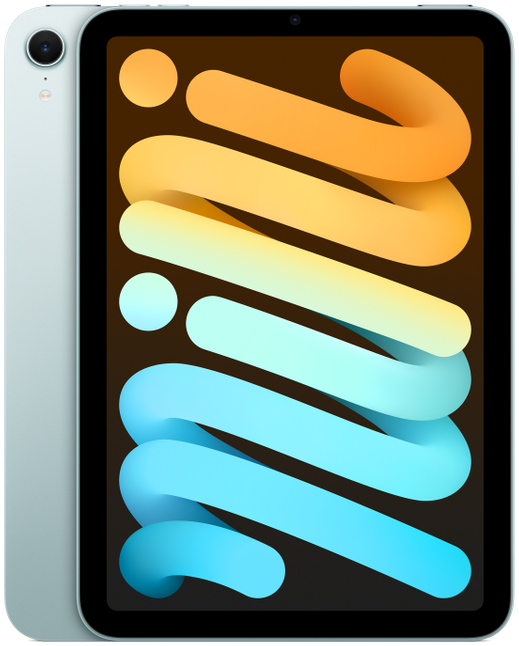
Official baseline: the shipping iPad mini (A17 Pro) uses an 8.3-inch Liquid Retina LED-backlit Multi-Touch IPS display with Apple’s published resolution, brightness, color, lamination, and Pencil features. Apple does not list ProMotion or a high-refresh specification for that model.
Reported direction: Reputable secondary coverage attributes the OLED direction, J510 code name, and a possible October 2026 window to Bloomberg reporting. Separate secondary coverage of display-industry analysis has also pointed toward OLED. No reliable public refresh-rate specification has been established.
Sizometry assessment: if OLED reporting proves accurate, contrast and black levels are the clearest likely gains. Motion smoothness, Pencil tracking, and jelly-scrolling behavior would still depend on separate refresh, timing, and scan-direction decisions.
What Apple Has Officially Confirmed
Apple has not officially confirmed the iPad mini 8 name, display technology, display size, refresh rate, ProMotion, adaptive refresh, brightness, resolution, panel supplier, PWM behavior, or any change to scrolling behavior. Until Apple publishes the product, every future-panel claim below is reporting, established display-engineering context, or editorial scenario.
Current Display Reporting
Claims about a future mini sit at different confidence levels. Repeating one attributed report across outlets is not independent confirmation.
Claim — Source level — Current status
• Future iPad mini may move to OLED — Secondary coverage attributing the claim to Bloomberg, plus secondary coverage of display-industry analysis — Reported, unconfirmed • J510 and possible October 2026 timing — Secondary coverage attributing the claims to Bloomberg — Reported, unconfirmed • Exact future diagonal — Mixed secondary notes; no Apple disclosure — Not established • Standard-refresh OLED possibility — Secondary speculation, not an established specification — Not established • ProMotion or 120Hz — No reliable public specification — Unknown • Supplier, PWM behavior and adaptive range — No Apple disclosure — Unknown
Secondary coverage attributes the OLED direction, J510 code name, and possible October 2026 timing to Bloomberg reporting associated with Mark Gurman in mid-2026. Separate secondary coverage of display-industry analysis has also pointed toward OLED, without establishing Apple’s final specification.
Hybrid OLED or LTPS details, exact supplier assignments, brightness figures, and PWM behavior remain unestablished.
Current iPad mini Display Characteristics
Apple’s official specifications describe an 8.3-inch Liquid Retina LED-backlit Multi-Touch IPS display: 2266-by-1488 at 326 ppi, wide color (P3), True Tone, fully laminated construction, antireflective coating, oleophobic coating, and 500 nits brightness. The same sheet lists Apple Pencil Pro, Apple Pencil (USB‑C), and Apple Pencil hover. Rounded corners mean actual viewable area is less than the rectangle diagonal. This is an LCD with LED backlighting — not a self-emissive panel. OLED, by contrast, emits light at the pixel level.
Characteristic — Current iPad mini — Practical relevance — Source
• Diagonal — 8.3 inches (rectangle method) — Compact reading canvas — Apple official specifications • Panel — Liquid Retina LED-backlit Multi-Touch IPS — Transmissive LCD with backlight — Apple official specifications • Resolution / density — 2266 × 1488 at 326 ppi — Sharp text at mini viewing distances — Apple official specifications • Brightness — 500 nits — Useful indoor baseline; outdoor limits also depend on reflections — Apple official specifications • Color / construction — P3, True Tone, laminated, antireflective, oleophobic — Color consistency and lower glare — Apple official specifications • Pencil — Pencil Pro, USB‑C Pencil, hover — Notes and drawing remain core jobs — Apple official specifications • ProMotion — Not listed by Apple — Apple makes no official high-refresh claim for the current model — Apple official specifications
Official specifications do not fully describe motion behavior. Refresh timing, scan orientation, touch pipeline, and software frame pacing sit outside the marketing list.
OLED Possibility
OLED would change black levels, contrast, and pixel-level light control relative to a conventional LCD backlight. Dark-scene media and night viewing benefit when individual pixels can dim or turn off. Pixel response can also differ from a transmissive stack, though the full assembly and packaging still determine thickness, structure, and any secondary space effects.
Power use remains content-dependent: darker interfaces may draw less, while white-heavy pages can still consume substantial energy. Text rendering still depends on resolution, subpixel layout, brightness policy, and reflections. Temporal-modulation behavior varies by panel and control method, so comfort conclusions wait on measurement of a shipping device.
LCD Improvement Possibility
Apple could improve the display without switching to OLED. Broad categories include optical improvements (reflections, brightness, uniformity), timing improvements (controller behavior and response characteristics), and packaging improvements (bezel and assembly changes). None is confirmed.
A continued LCD design could still improve the experience, but without a confirmed specification it is not possible to know whether Apple would prioritize brightness, reflections, timing, or packaging.
60Hz Versus 120Hz and ProMotion
Maximum refresh rate, actual application frame rate, adaptive refresh, rendering workload, touch latency, and pixel response are related but not identical.
A 120Hz ceiling allows more frequent image updates. Apps and games must provide frames to benefit fully; videos commonly remain at source frame rates such as 24, 30, or 60 fps. Higher refresh can increase display and GPU power use. Adaptive refresh can reduce unnecessary updates during static content. Raising the refresh ceiling does not by itself rewrite every stage of the touch or Pencil pipeline.
ProMotion is Apple’s branded adaptive high-refresh system when Apple chooses to apply that branding. ProMotion does not necessarily use the same refresh range or behavior across every Apple product. Fixed high-refresh behavior without broad adaptation appears only as an editorial scenario later — not as reported product intent.
On a compact tablet, higher refresh would matter most for feeds, browsing, supported games, Pencil stroke perception, and UI animation. Pricing and product-tier pressure rise if the mini approaches Pro display behavior.
Why OLED Does Not Automatically Mean 120Hz
The following distinctions are central to evaluating the rumors. OLED, refresh capability, and ProMotion combine only when Apple chooses to ship them together.
Characteristic — What it describes — What it does not guarantee
• OLED — Pixel-level emissive panel technology — 120Hz, ProMotion, higher brightness, or universal battery gains • 120Hz — A maximum display refresh capability — Adaptive refresh, matching app frame rates, or lower total latency • ProMotion — Apple’s adaptive high-refresh display system — OLED or identical refresh behavior across every Apple device • Touch sampling — How often input position is sampled — Matching display refresh or lower end-to-end latency by itself • Pixel response time — How quickly pixels change state — Higher refresh or better software frame pacing • Scan direction — The sequence used to update the display — A visible artifact in every orientation or workload
Jelly Scrolling: What It Is and What Could Change
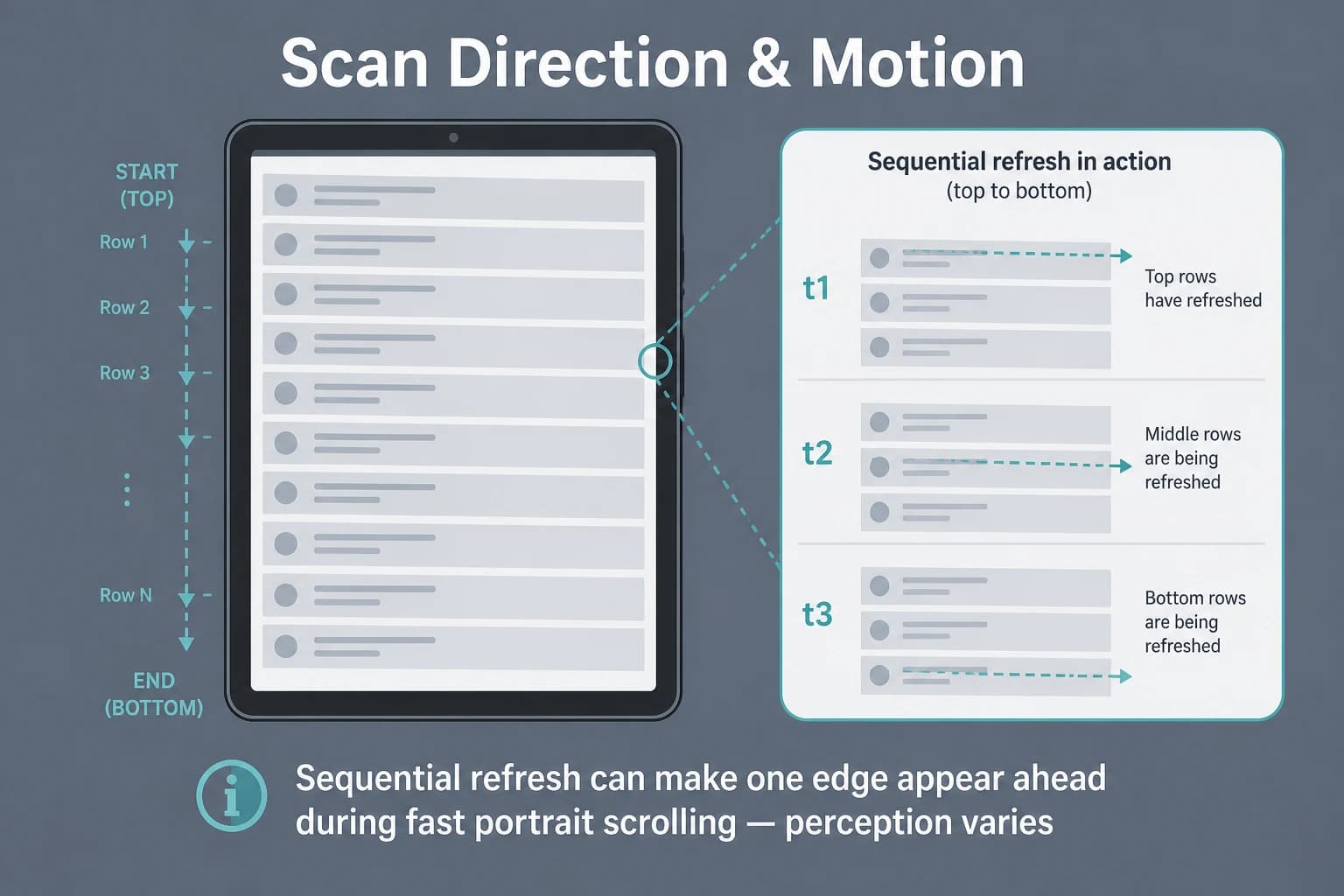
“Jelly scrolling” is a perceptual term commonly used when one side of moving content appears to update slightly ahead of the other. Displays update sequentially rather than all at once, so scan direction and device orientation affect visibility. Perception varies widely.
Refresh rate, panel orientation, pixel response, and display timing can change how noticeable the effect is. A higher refresh rate could make the effect less noticeable, but changing perceived asymmetry is not the same as proving it is absent in every orientation. OLED alone does not guarantee removal; only independent testing of the shipping device can establish behavior.
Display Size Possibilities
Apple could retain the current size, enlarge the visible area through narrower bezels, enlarge both screen and chassis, or slightly alter visible area through corner or border changes. Some secondary reporting has suggested a larger visible area, but no reliable final diagonal or chassis dimensions have been established. Chassis growth, bezel reduction, and one-handed trade-offs are covered in iPad mini 8 Size Rumors.
Brightness, Contrast, Black Levels, and Outdoor Use
Sustained brightness, peak brightness, reflections, contrast, coating performance, and heat-related limits all shape outdoor reading. A peak nit number alone does not determine outdoor usability. The current mini’s published 500-nit figure is a useful indoor baseline; no reliable future brightness figure has been established.
LCD backlighting lights a zone even when content wants black; OLED can turn pixels down per element. That helps dark-mode reading, night viewing, movies, subtitles, dark game HUDs, and letterbox bars without automatically improving every reading workload.
PWM and Eye-Comfort Considerations
Some OLED brightness-control implementations use temporal modulation. Behavior varies by panel, brightness level, and control method, and individual sensitivity varies. Any meaningful assessment of a future iPad mini would require measurement of the shipping device. This is not a medical claim.
Battery Implications
Display power depends on panel technology, brightness, content type, refresh rate, and adaptive behavior. OLED power use is content-dependent: white-heavy pages can still draw substantial power, while darker interfaces may use less. High refresh can increase display and rendering demand; adaptive refresh can reduce unnecessary updates. Screen brightness often dominates display consumption. Broader endurance analysis continues in iPad mini 8 Battery Rumors.
Apple Pencil and Touch-Latency Implications
Perceived ink tracking depends on a chain: Pencil or touch sampling, operating-system input processing, app rendering, frame production, display refresh, and pixel transition. Raising display refresh can improve perceived stroke tracking while leaving other latency stages unchanged. No reliable exact latency figure has been established for a future model.
Gaming
On a compact landscape grip, supported frame rates, GPU workload, touch response, battery impact, and thermal behavior matter more than panel branding. Not every title can sustain high frame rates even when a display can refresh faster, so gaming gains remain workload-specific.
Reading and Comics
Portrait scrolling, text clarity, contrast, dark mode, and closer viewing distance define most reading and comics sessions. Deeper blacks can help comic artwork and night reading, while type quality still depends on resolution, subpixel layout, brightness policy, and reflections.
Video
Black levels, letterboxing, source frame rates, subtitle visibility, brightness, and reflections shape video more than diagonal marketing alone. Future HDR support and brightness limits remain unknown until Apple publishes the specifications.
Comparison With Relevant Official Tablets
Apple could limit display upgrades to preserve mini pricing, separation from iPad Air and iPad Pro, battery targets, yield, and component availability. Full adaptive high-refresh OLED would shrink the gap with the iPad Pro 11-inch (M5). A refined LCD or standard-refresh OLED would keep clearer tiering against the iPad Air 11-inch (M4). No future price has been established.
Device — Panel technology — Display size — High-refresh status — Published brightness — Product role — Source
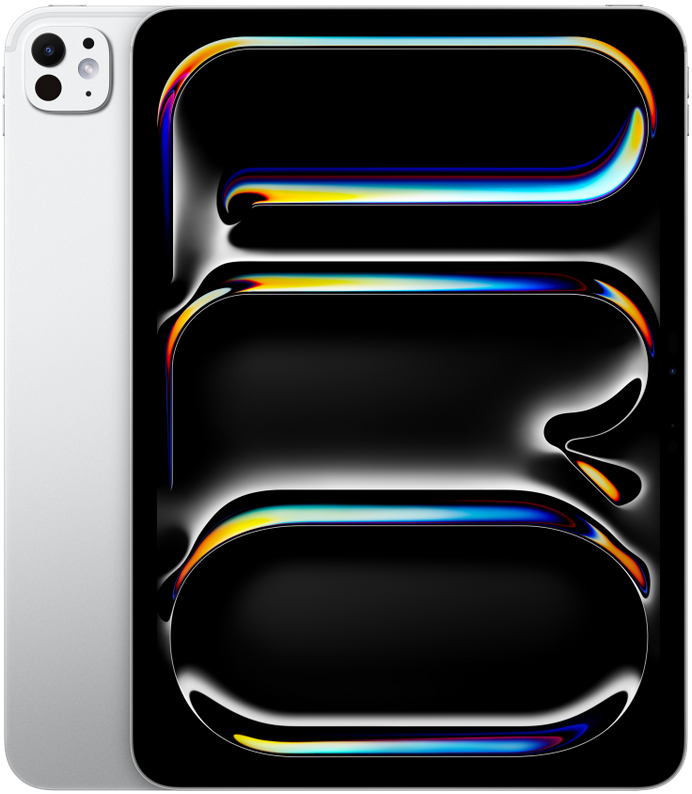
• iPad mini (A17 Pro) — Liquid Retina LED-backlit IPS — 8.3 in (rectangle method) — Not listed with ProMotion — 500 nits — Compact companion — Apple official specifications • iPad Air 11-inch (M4) — Liquid Retina LED-backlit IPS — 11 in (10.86 in rectangular measurement) — Not listed with ProMotion — 500 nits — Mid-size everyday iPad — Apple official specifications • iPad Pro 11-inch (M5) — Ultra Retina XDR tandem OLED — 11-inch class — ProMotion 10Hz–120Hz — SDR 1000 nits max; XDR 1000 nits max full screen, 1600 nits peak (HDR) — Premium creative tablet — Apple official specifications
Apple’s marketed “11-inch” Air diagonal uses the familiar product name while the rectangular measurement is 10.86 inches; rounded corners reduce actual viewable area on all three devices.
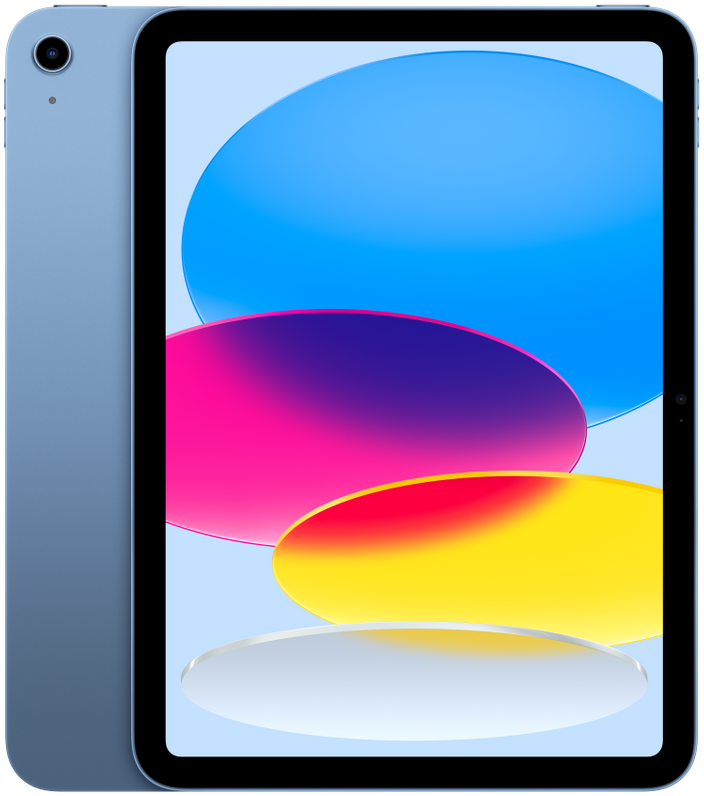
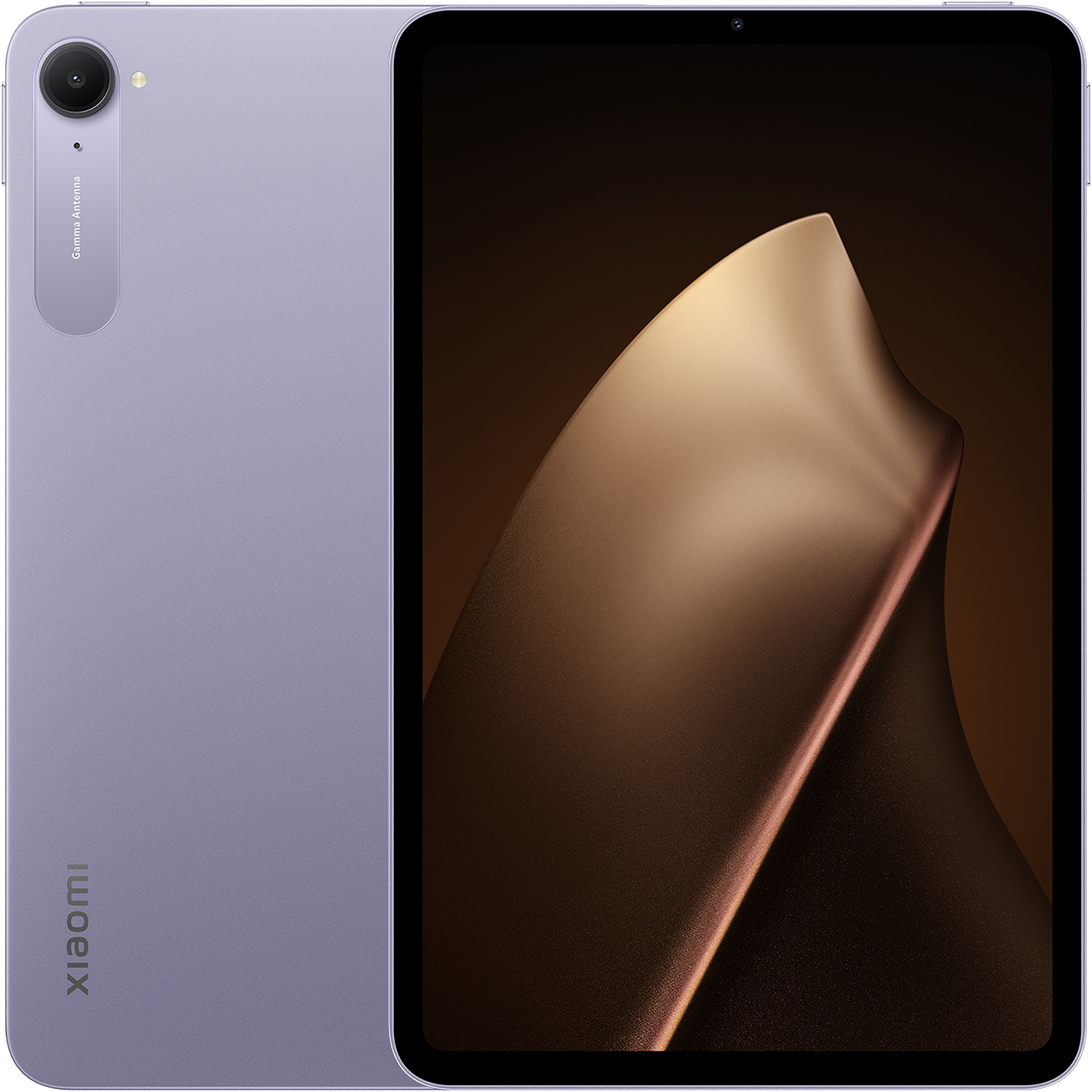
Use iPad mini vs iPad Pro 11-inch (M5), iPad Air 11-inch (M4) vs iPad mini, iPad mini vs iPad (A16), and iPad mini vs Xiaomi Pad Mini for confirmed size and portability context.
Explorar detalles del dispositivo
Abre iPad mini A17 Pro y iPad A16 juntos en la herramienta de comparación de tamaño de Sizometry.
Abrir comparación de tamañosSizometry Display Scenarios
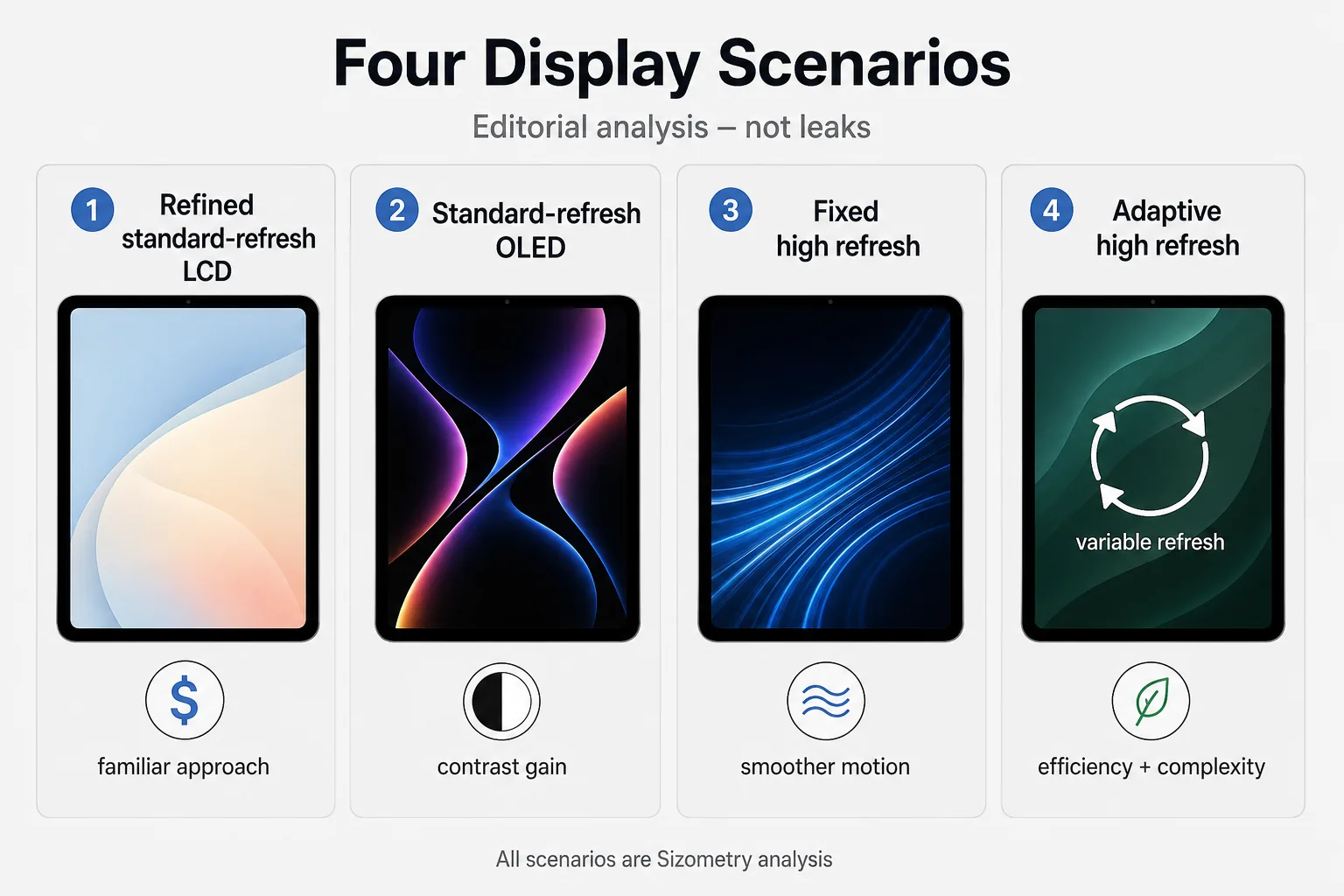
These are analytical configurations, not leaks or predictions.
Scenario — Panel type — Refresh behavior — Main benefit — Main compromise — Status
• 1 Refined standard-refresh LCD — Improved LCD possible — Familiar refresh class — Lowest redesign risk; possible optical or timing gains — Limited motion improvement; preserves tier separation — Editorial analysis • 2 Standard-refresh OLED — OLED — No automatic high-refresh claim — Black levels and dark-media contrast — No automatic motion upgrade; possible temporal-modulation considerations — Editorial analysis • 3 Fixed high-refresh display — OLED or LCD in principle — High refresh without broad adaptation — Smoother motion and stronger Pencil perception — More rendering and display demand; positioning pressure — Editorial analysis • 4 Adaptive high-refresh display — Panel independent in principle — Variable high refresh; ProMotion only if Apple brands it — Strongest motion experience with potential static-content efficiency — Controller complexity; overlap with premium iPad positioning — Editorial analysis
A standard-refresh OLED configuration would offer a clear contrast upgrade while preserving greater separation from the iPad Pro. An adaptive high-refresh configuration would deliver the strongest motion experience but would narrow that product-tier distinction. These are product-positioning scenarios, not evidence of Apple’s final configuration.
Analytical Summary
Confirmed: Current iPad mini display specifications only.
Reported: Secondary coverage attributes the OLED direction, J510 code name, and possible October 2026 timing to Bloomberg reporting. Separate secondary coverage of display-industry analysis also points toward OLED.
Unknown: Refresh rate, ProMotion, final size, brightness, PWM behavior, supplier, adaptive range, and scrolling behavior.
Sizometry view: Contrast and black levels are the clearest potential OLED benefits. Motion, touch response, and scrolling behavior require separate evidence.
Frequently Asked Questions
Has Apple confirmed the iPad mini 8 display? No. Apple has not announced a product under that unofficial name or published display technology, size, refresh rate, or ProMotion details for a next-generation mini.
Will the next iPad mini have OLED? Secondary coverage attributes an OLED direction to Bloomberg reporting, and separate secondary coverage of display-industry analysis has also pointed toward OLED, but it remains unconfirmed. OLED would not by itself confirm 120Hz or ProMotion.
Will the iPad mini 8 support 120Hz? No reliable public refresh-rate specification has been established.
Is OLED the same as ProMotion? No. OLED is panel technology; ProMotion is Apple’s adaptive high-refresh implementation. They combine only when Apple ships both together.
Could the next model reduce jelly scrolling? Apple has not confirmed any change. Different scan timing, orientation, or refresh behavior could affect how noticeable it is, but only testing of the shipping device could establish the result.
Would OLED automatically improve battery life? Not automatically. Dark content can help; white-heavy pages, high brightness, and high refresh can erase that advantage. See iPad mini 8 Battery Rumors.
Could the screen become larger without a much larger body? Possibly through narrower bezels, but no reliable final diagonal or chassis dimensions have been established. See iPad mini 8 Size Rumors.
Should display-focused buyers wait? Wait if contrast or motion is why the current iPad mini (A17 Pro) feels insufficient. Buy now if the current model’s compact size, display quality, and Pencil support already meet your needs and you do not want to wait for unconfirmed panel changes.
Conclusion
Apple has not confirmed the next iPad mini’s panel technology, refresh rate, or display size. Secondary coverage attributes an OLED direction to Bloomberg and display-industry reporting, but OLED alone would not establish 120Hz, ProMotion, or different scrolling behavior. Contrast, motion, touch response, and scan timing should remain separate questions until Apple publishes the specifications and independent testing measures the retail device.
Esta información no ha sido confirmada por el fabricante.