Insights
GUÍA
Confirmado
Galaxy Z Fold 8 vs Fold 8 Ultra: comparación completa
Compara Galaxy Z Fold8 y Galaxy Z Fold8 Ultra en diseño, dimensiones, pantallas, cámaras, batería, durabilidad, Galaxy AI y compromisos cotidianos.
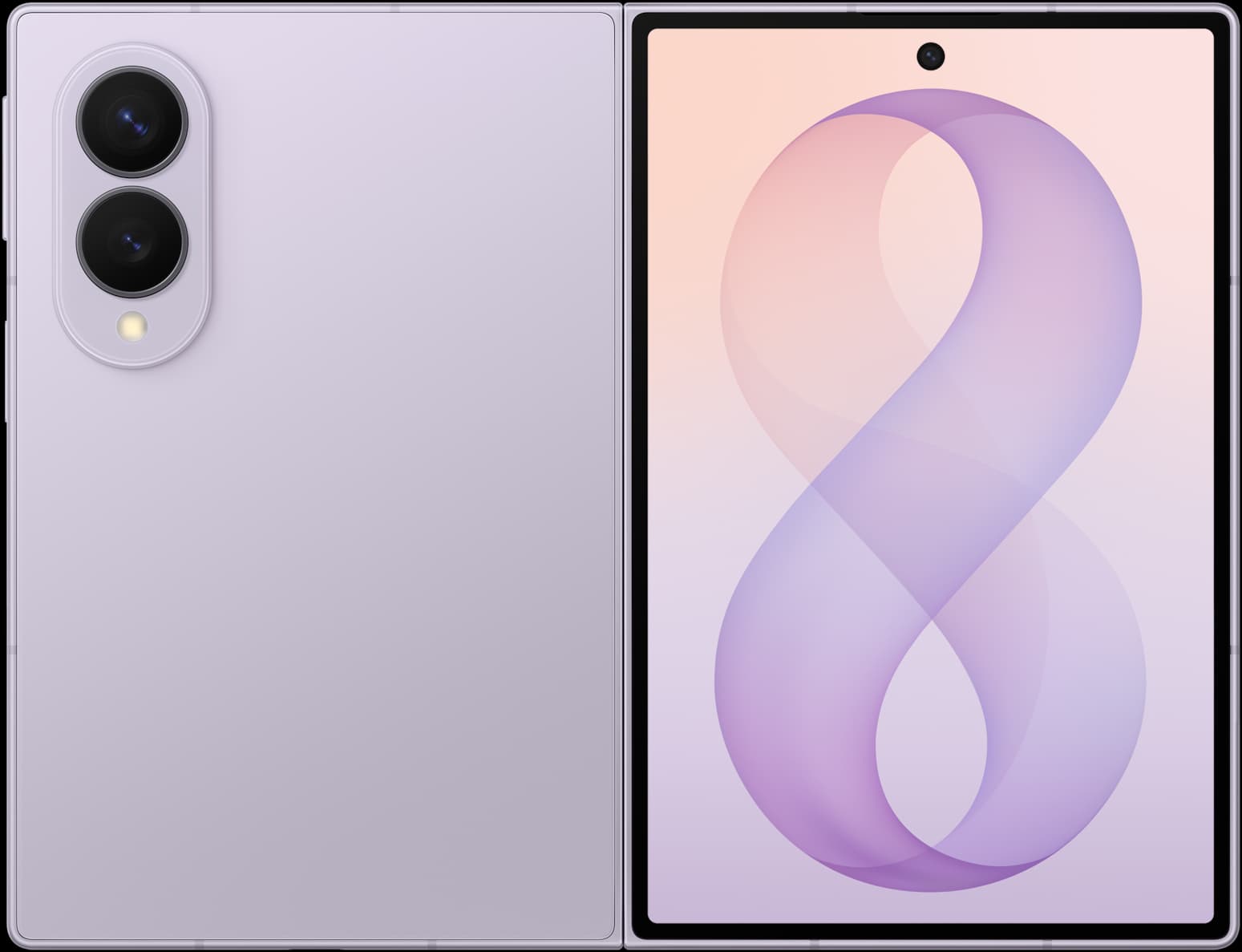
Overview: two Fold experiences, not one trim level
The clearest way to read this pair is as a form-factor choice, not a simple “base versus premium” ladder.
• Galaxy Z Fold8 — Samsung’s lightest Galaxy Z Fold yet at 201 g, with a shorter folded body, a wider 5.5-inch cover display, and a 7.6-inch 4:3 main display aimed at everyday immersion • Galaxy Z Fold8 Ultra — the taller Ultra foldable with an 8.0-inch main display, a 6.5-inch cover display, a 5,000 mAh battery, and a triple rear camera system led by a 200 MP main sensor
Both run Snapdragon 8 Elite Gen 5 for Galaxy, ship with Android 17 and One UI 9, and use Samsung’s Flex Titanium display structure with IP48 resistance. The decision comes down to shape, cover-screen habits, camera needs, and how much unfolded workspace you want.
Explorar detalles del dispositivo
Design and dimensions
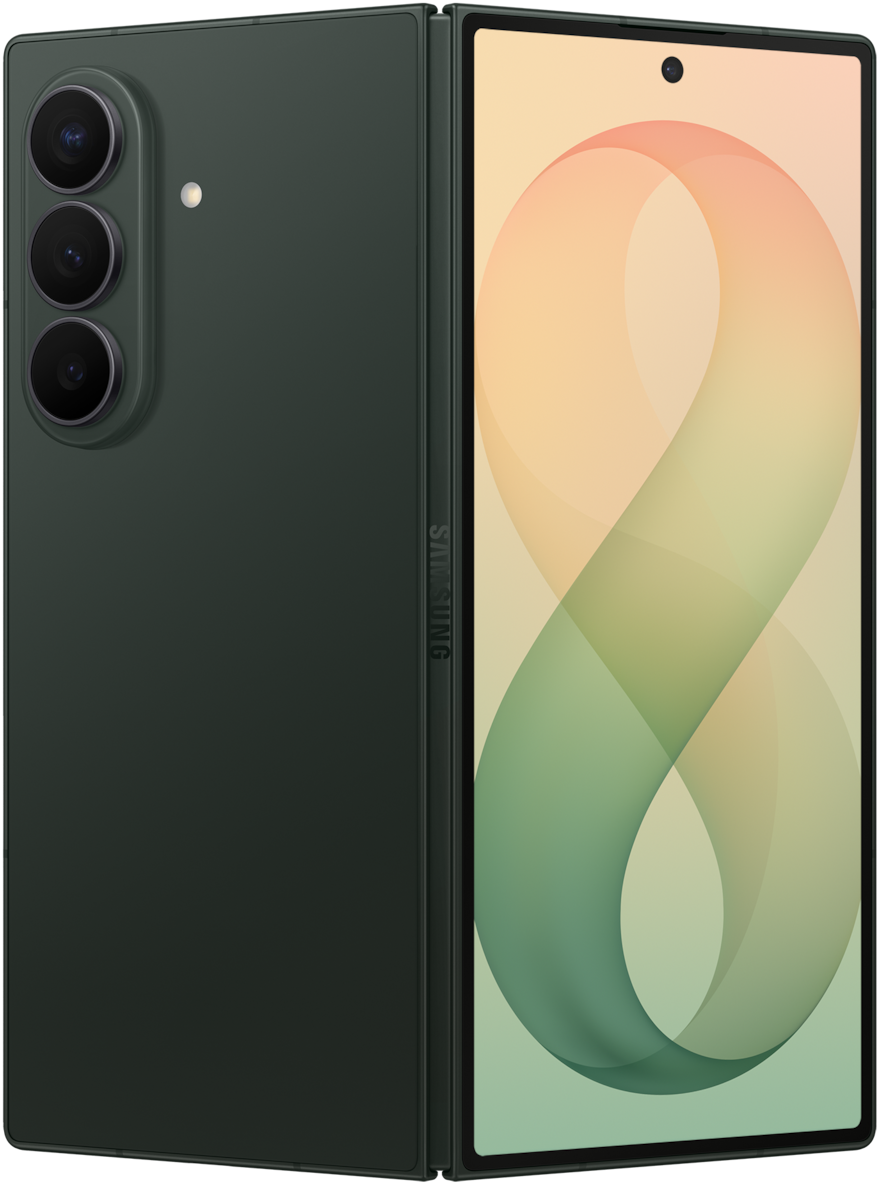
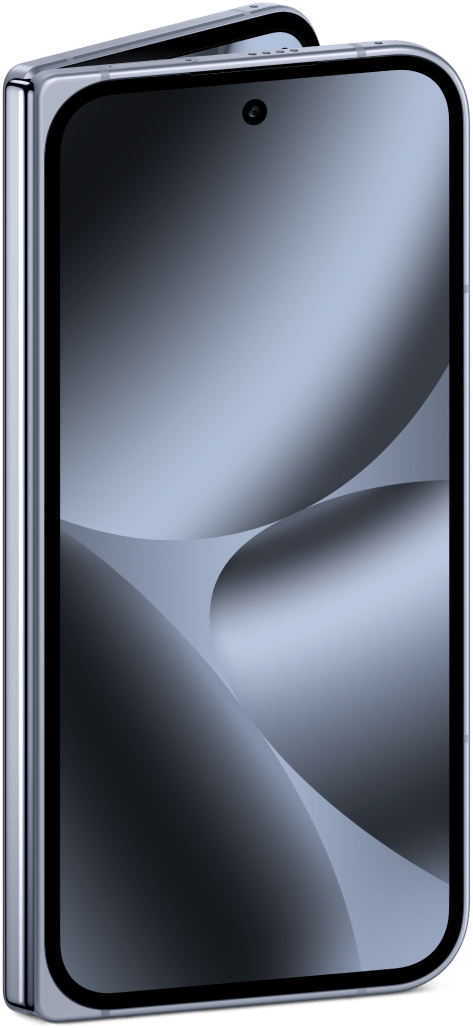
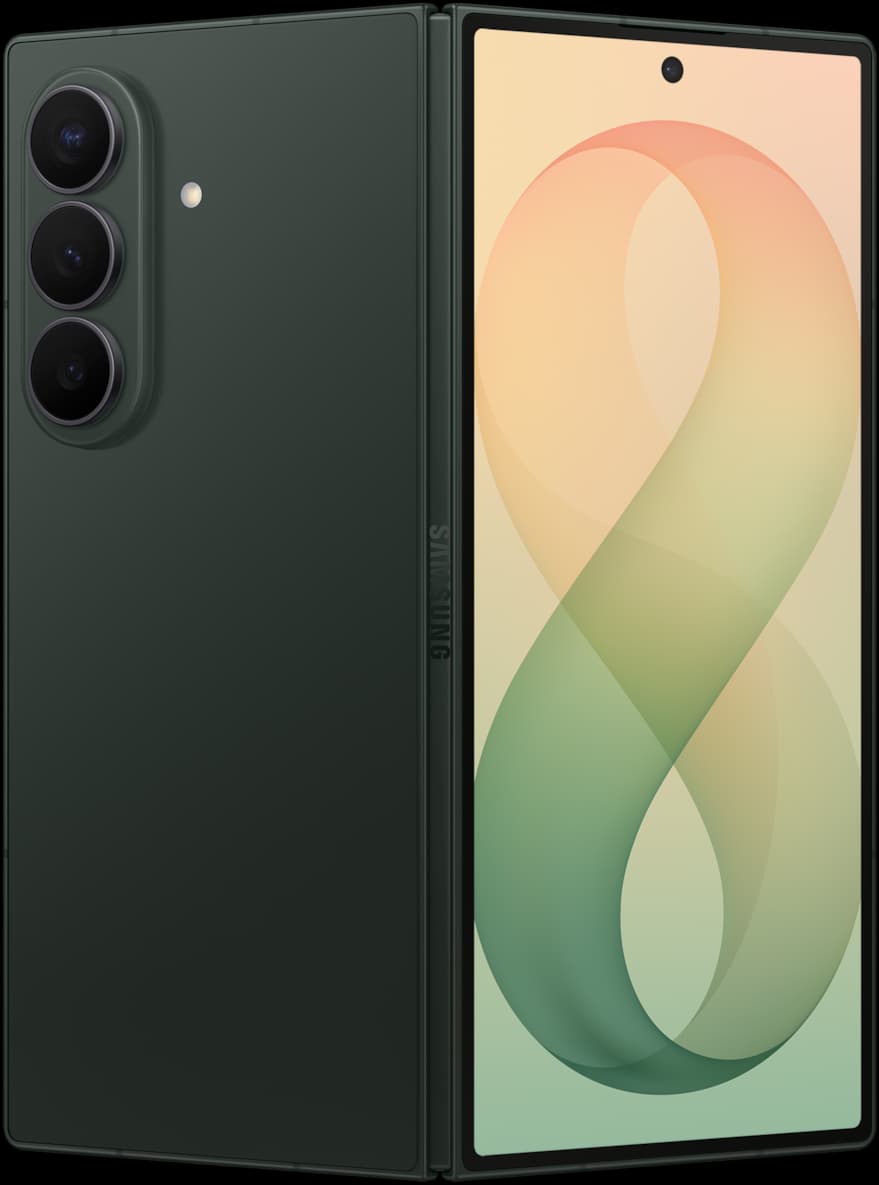
Galaxy Z Fold8. Folded, Fold8 measures 81.9 × 123.9 × 9.7 mm. Unfolded, it opens to 161.4 × 123.9 × 4.5 mm. That shorter height and wider folded footprint are the design story: the closed phone is meant to feel closer to a conventional smartphone aspect ratio than previous tall Folds.
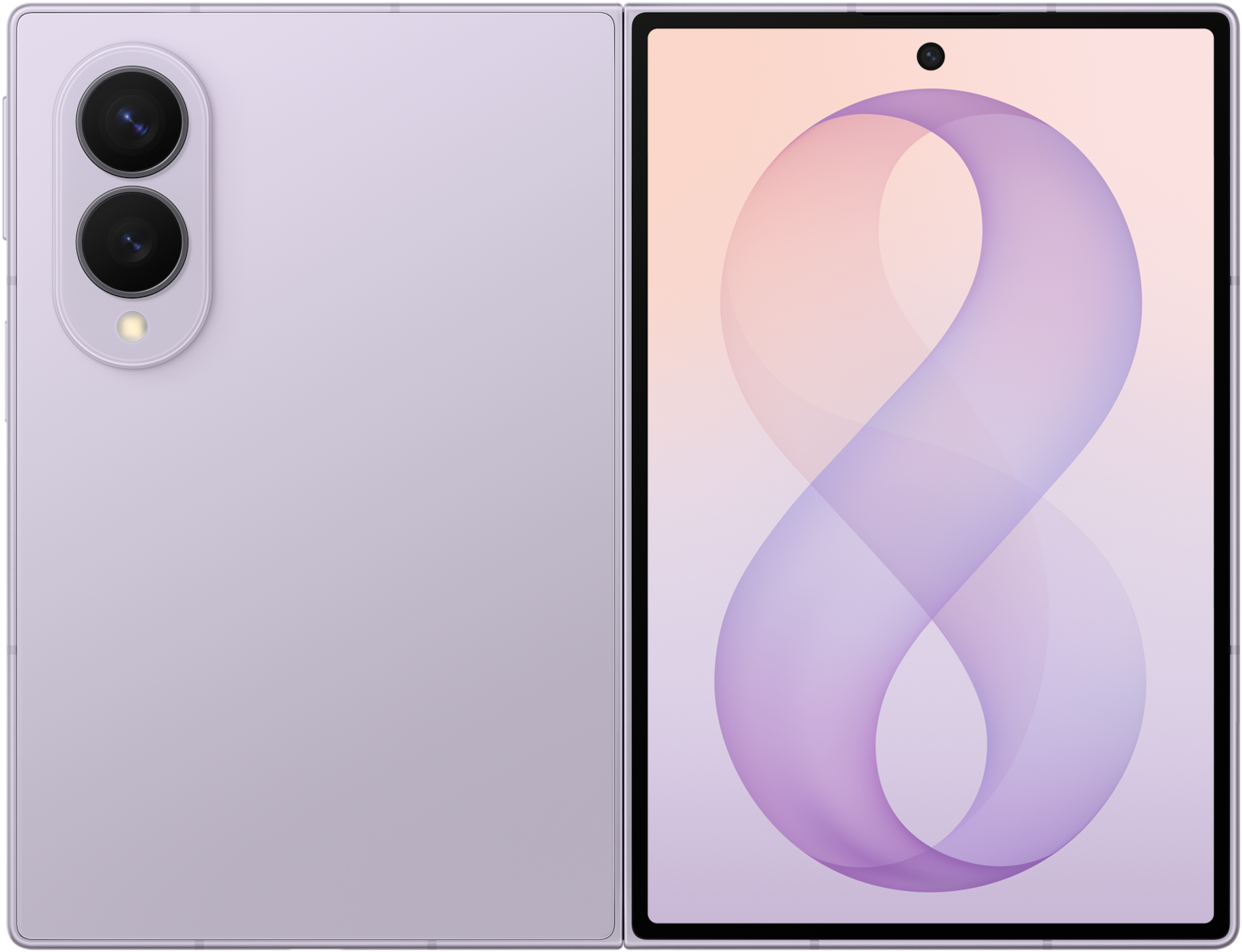
Galaxy Z Fold8 Ultra. Ultra stays in the familiar tall book-style silhouette at 72.8 × 158.4 × 8.9 mm folded and 143.2 × 158.4 × 4.1 mm unfolded. At 4.1 mm open, Samsung positions it as Galaxy’s slimmest Z Fold design yet, while the folded stack remains thinner than Fold8’s 9.7 mm closed body.
In the hand, that means two different compromises. Fold8 asks you to accept a thicker folded phone in exchange for a wider cover and shorter overall height. Ultra asks you to keep the taller closed profile in exchange for a slimmer open tablet plane and a more familiar Fold pocket shape.
Colores disponibles: Galaxy Z Fold8
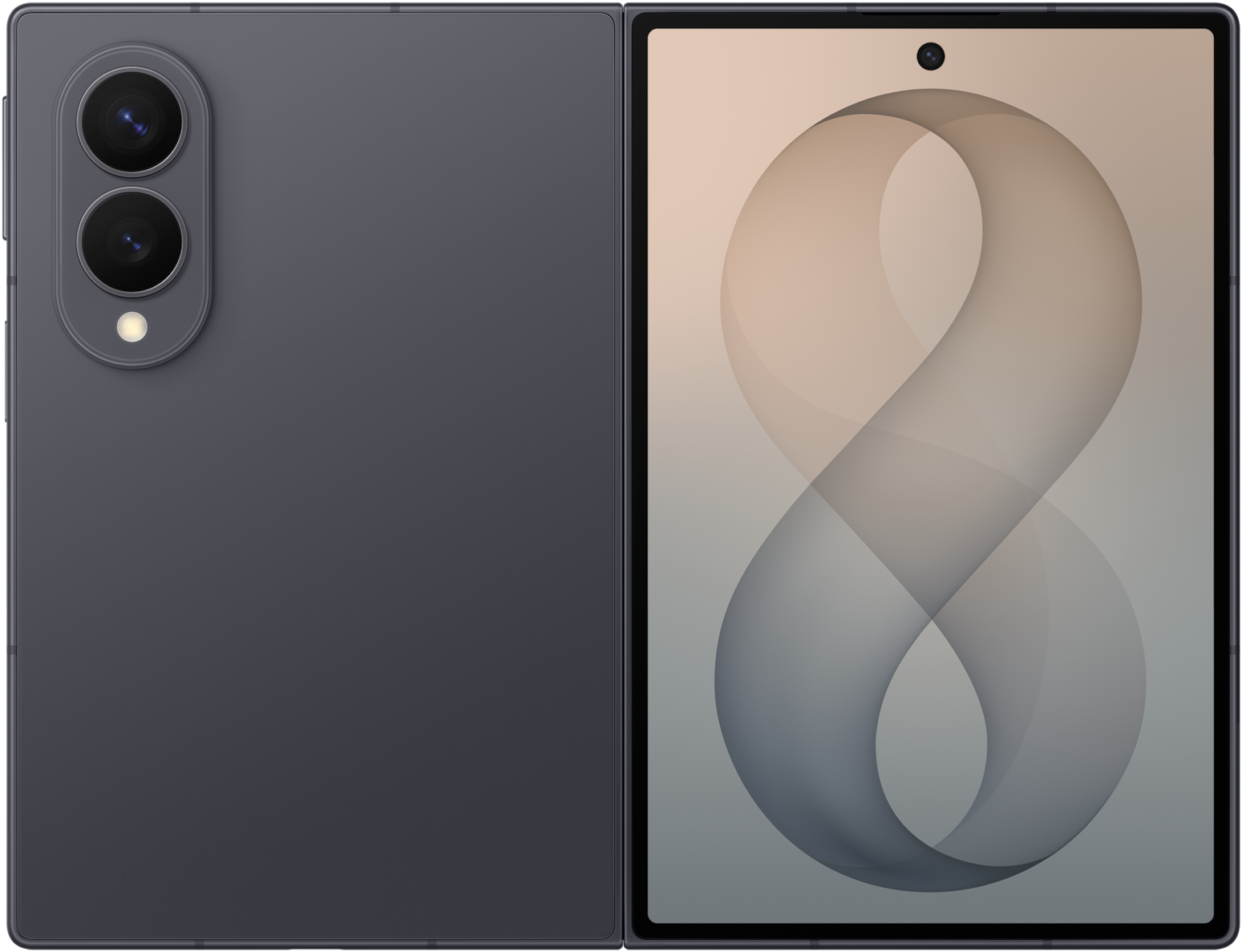
Graphite 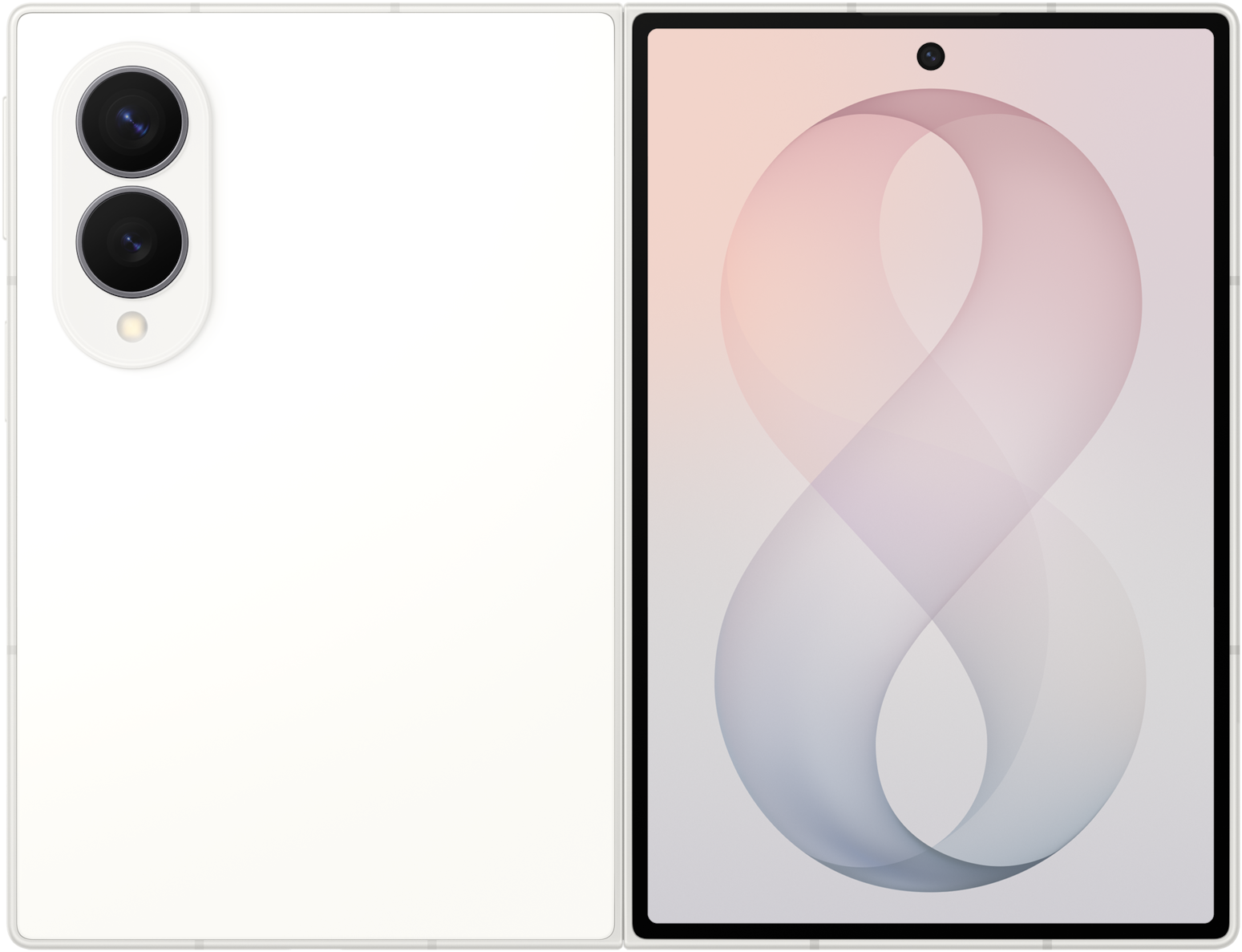
Cream 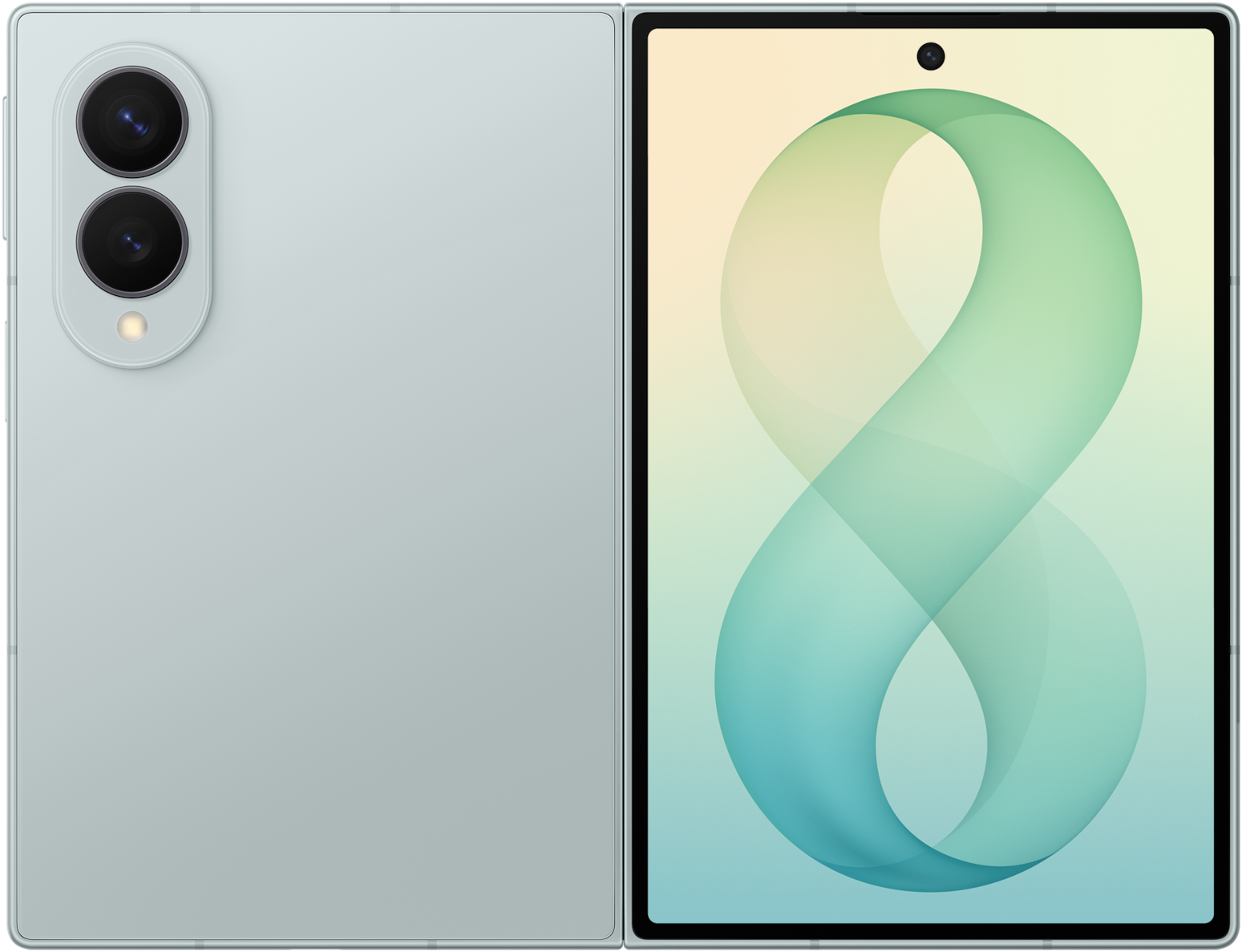
Pistachio
Colores disponibles: Galaxy Z Fold8 Ultra
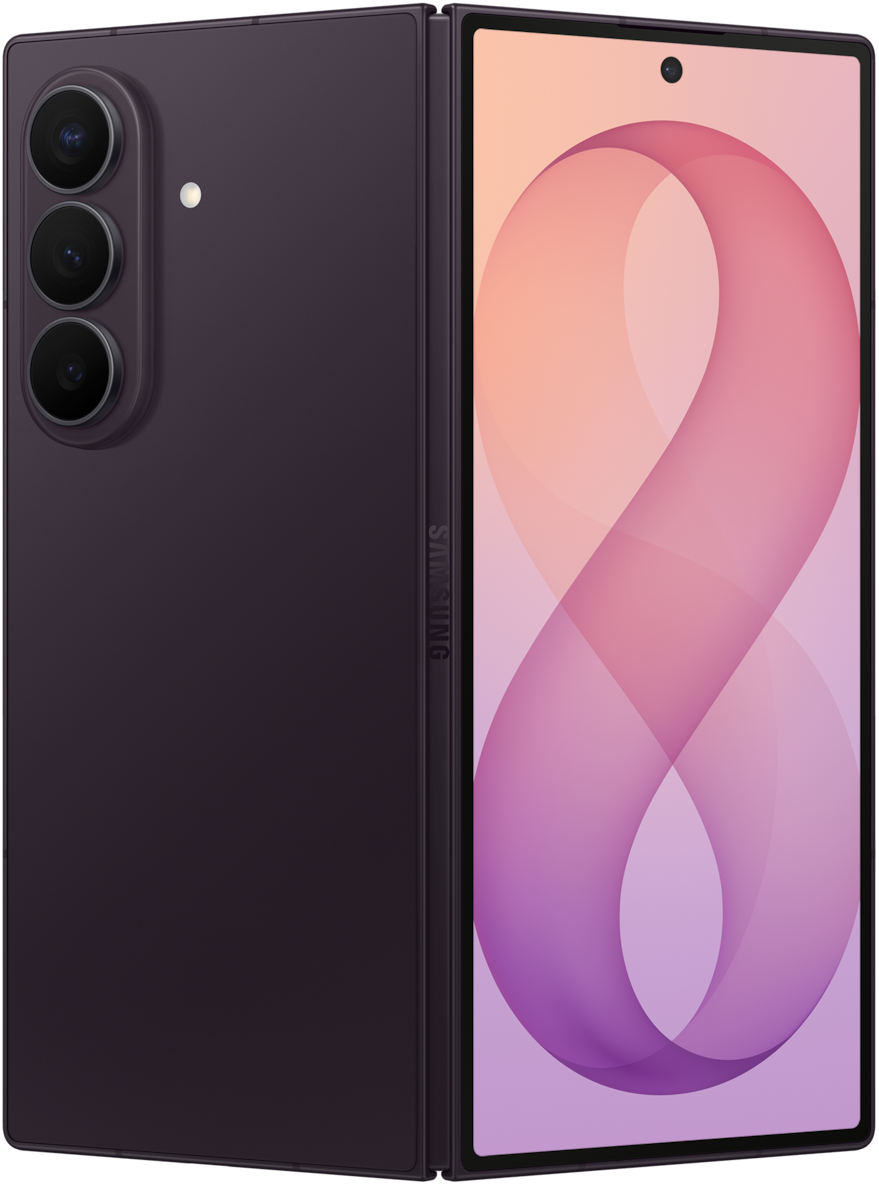
Violet Shadow 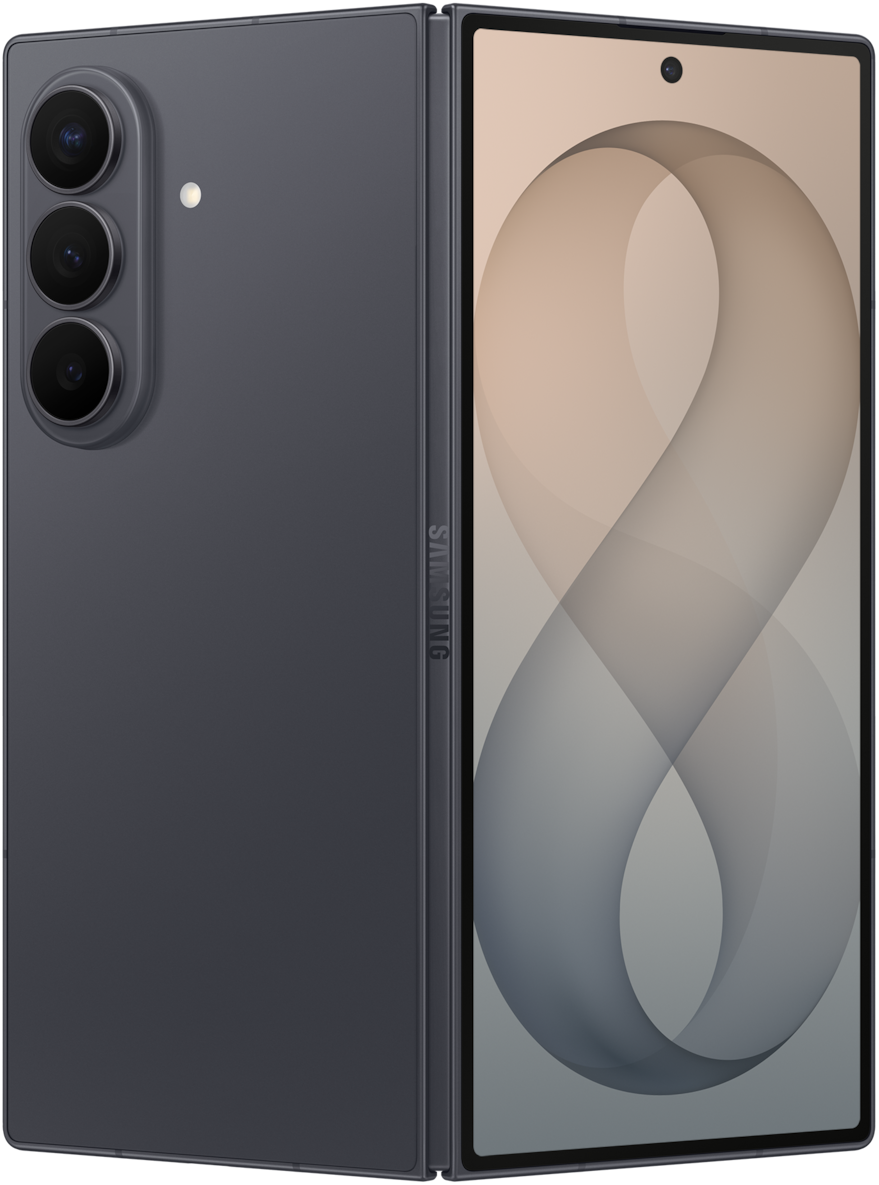
Graphite 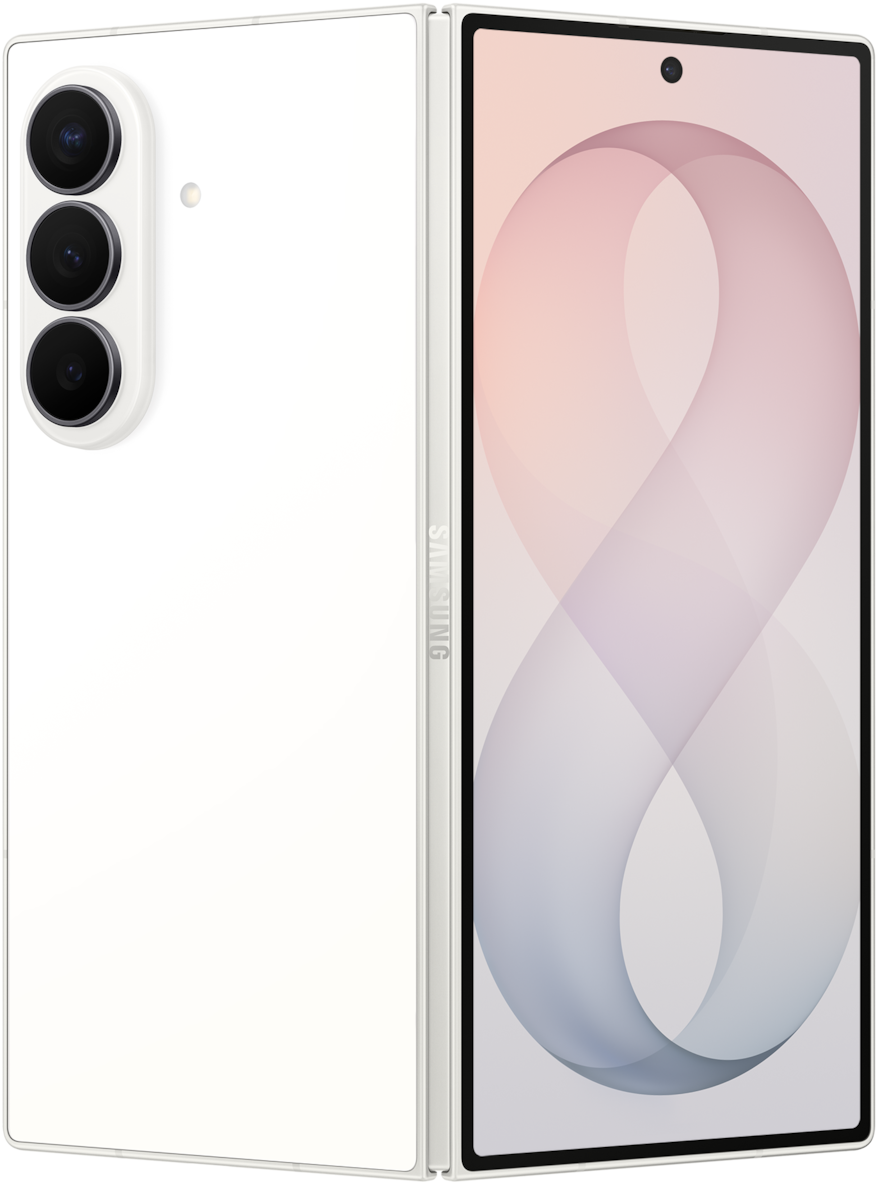
Cream
Folded and unfolded usability
Folded use is where Fold8 makes its case. Samsung designs the approximate 10:16 cover display around messaging, social feeds, browsing, and short-form video — the quick interactions people return to most often. Reviewers and Samsung’s own positioning both emphasize that the wider cover reduces the “tall strip of glass” feeling that defined earlier Folds.
Unfolded, Fold8’s 4:3 main display favors media, reading, and gaming sessions that benefit from a more square canvas. Rotate it, and the same ratio becomes comfortable for articles and e-books without needing a second device.
Ultra remains the better match for owners who already like tall Fold cover habits and want maximum inner workspace for split-screen productivity. The 8.0-inch main panel is the larger canvas for documents, dual apps, and creator workflows. If your day is mostly cover-screen messaging with occasional unfolding, Fold8 is the more natural daily driver. If you unfold constantly for work, Ultra keeps the bigger board.
Abre Galaxy Z Fold8 y Galaxy Z Fold8 Ultra juntos en la herramienta de comparación de tamaño de Sizometry.
Abrir comparación de tamañosDisplays
Both models use Dynamic AMOLED 2X panels with adaptive 120 Hz refresh, Vision Booster, and up to 3,000 nits peak brightness, plus Samsung’s low-reflection finish for outdoor visibility.
Galaxy Z Fold8 display setup:
• Cover: 5.5-inch Dynamic AMOLED 2X, 1972 × 1248 • Main: 7.6-inch Dynamic AMOLED 2X, 2448 × 1848
Galaxy Z Fold8 Ultra display setup:
• Cover: 6.5-inch Dynamic AMOLED 2X, 2520 × 1080 • Main: 8.0-inch Dynamic AMOLED 2X, 2504 × 2256
Ultra’s cover stays taller and more continuous with prior Fold generations. Fold8’s cover is smaller diagonally but much more phone-like in proportion. On the inner display, Ultra wins on absolute size; Fold8 wins on content-friendly 4:3 framing for many apps and videos.
Weight and portability
Fold8’s 201 g weight is the headline portability win — Samsung’s lightest Galaxy Z Fold yet. Ultra lands at 215 g, still manageable for a large foldable, but clearly the heavier of the two.
Closed thickness flips the story. Fold8’s 9.7 mm folded stack is the thicker pocket presence. Ultra’s 8.9 mm folded body and 4.1 mm open profile feel more refined when you open and close the device repeatedly. Choose Fold8 if you care most about lighter carry and a shorter closed height. Choose Ultra if you prefer a thinner folded stack and the slimmest open tablet feel Samsung currently offers in this line.
Performance
Both devices use Snapdragon 8 Elite Gen 5 for Galaxy and offer overlapping memory configurations up to 16 GB RAM with storage options through 1 TB, depending on market. Everyday speed, multitasking on the large inner display, and AI workloads sit on the same platform generation.
Ultra adds an expanded graphite cooling structure and a larger battery envelope aimed at sustained productivity and creation sessions. Fold8 still has flagship silicon, but Samsung’s positioning and early impressions lean Ultra when the workload is long-form multitasking, editing, or heat-heavy use. For typical browsing, messaging, media, and light productivity, both should feel fast.
Cameras
This is one of the sharpest splits in the lineup.
Galaxy Z Fold8 uses a dual rear setup:
• 50 MP wide with OIS and 2x optical-quality zoom • 50 MP ultrawide
Galaxy Z Fold8 Ultra uses a triple rear setup:
• 200 MP wide with OIS, 2x optical-quality zoom, and HDR in 200 MP mode • 50 MP ultrawide • 10 MP telephoto with 3x optical zoom and OIS
Both keep 10 MP cover and inner selfie cameras. Ultra also leans harder into creator tooling such as improved Nightography, 8K capture via the APV codec, and Cine LUT color control.
If optical zoom, high-resolution stills, and low-light creation matter, Ultra is the clear camera phone. If you mainly shoot with the main and ultrawide sensors and care more about the wider Fold body, Fold8’s dual 50 MP pair is intentionally simpler.
Battery and charging
Galaxy Z Fold8 carries a 4,800 mAh typical dual battery. Galaxy Z Fold8 Ultra moves up to 5,000 mAh typical.
Both support 45W wired charging, 20W Fast Wireless Charging, and Wireless PowerShare. Ultra also introduces a dual-path charging architecture with that 45W wired path, aimed at more efficient battery distribution during fast charging.
On paper, Ultra has the endurance edge for heavy unfolded work and creation. Fold8 still pairs a larger cell than many prior Folds with a lighter body, which should help all-day cover-first use. Real-world gaps will depend on brightness, radio conditions, and how often each display stays awake.
Durability and hinge
Across the new Galaxy Z series, Samsung’s Flex Titanium structure pairs a titanium-alloy film with an enhanced titanium plate. Samsung says the design strengthens display support, absorbs pressure and impact, reduces crease visibility over time, and helps unfolding feel smoother by balancing hinge mechanics, display tension, and magnetic force.
Both Fold8 and Fold8 Ultra also carry IP48 ingress protection — lab-rated for freshwater submersion up to 1.5 meters for up to 30 minutes, with the usual caveats that resistance is not permanent and beach or pool use is not advised.
In practical terms, durability and crease refinement are generational improvements shared by both models rather than a reason to pick one over the other. Hinge feel and crease visibility should be judged hands-on, but the official engineering story is common to the pair.
Consulta la comparación completa de especificaciones de Galaxy Z Fold8 frente a Galaxy Z Fold8 Ultra.
Comparar Galaxy Z Fold8 frente a Galaxy Z Fold8 UltraSoftware and Galaxy AI
Both phones ship with Android 17 and One UI 9, with Galaxy AI optimized for foldable layouts. Shared software themes from Samsung’s launch include richer Now Brief insights, Now Nudge suggestions that turn conversations into next steps, deeper Gemini Intelligence app automation, and Gemini Notebook workflows that benefit from Split view drag-and-drop on the larger inner displays.
Foldable-specific value shows up in multitasking: side-by-side apps, persistent workspaces, and AI tools that can use the extra screen room. Fold8 and Ultra share that software foundation. Ultra’s larger main display simply gives those productivity and creation workflows more room; Fold8 makes the same software feel more approachable for media-first and cover-first routines.
Samsung Knox, Personal Data Engine protections, and One UI 9’s AI Assistant Activity dashboard also apply across the lineup, so privacy and AI transparency are not a model-level differentiator here.
Key compromises
Galaxy Z Fold8 asks you to give up:
• A dedicated telephoto camera • Ultra’s larger 8.0-inch inner display and taller cover • The thinner 4.1 mm open profile
Galaxy Z Fold8 Ultra asks you to give up:
• Fold8’s lighter 201 g carry • The shorter, wider cover-display proportions that feel more like a regular phone • Some pocket simplicity that comes with Fold8’s reduced height
Neither model restores an integrated S Pen workflow. Buyers who need stylus-first note-taking still have to look elsewhere or use external accessories.
Which model should you choose?
Choose Galaxy Z Fold8 if:
• You want the lightest Galaxy Z Fold carry Samsung currently offers • Cover-screen typing, messaging, and social use matter more than a tall Fold habit • You prefer a 4:3 inner canvas for reading, video, and games • Dual rear cameras are enough for your photography
Choose Galaxy Z Fold8 Ultra if:
• You want the largest inner workspace and the familiar tall Fold silhouette • Camera flexibility, 3x optical zoom, and 200 MP detail are priorities • You lean on all-day unfolded productivity and the larger 5,000 mAh battery • You care about the slimmest open Fold profile in this generation
Final verdict
Galaxy Z Fold8 and Galaxy Z Fold8 Ultra succeed as a split strategy. Fold8 is the more interesting daily phone: lighter, shorter, wider on the cover, and built around content discovery. Ultra is the more complete foldable workstation: bigger canvas, stronger camera stack, larger battery, and the familiar tall Fold identity with this generation’s Flex Titanium and brightness upgrades.
If you are choosing only one, start with how you use a folded phone for the first hour of the day. If that hour is mostly one-handed cover use, Fold8 is the better fit. If that hour is already split-screen work, zoom photography, or long unfolded sessions, Fold8 Ultra is the one that matches the Ultra name.
Más comparativas de Samsung
- Comparar Galaxy Z Fold8 Ultra y Galaxy Z Flip8
- Comparar Galaxy Z Fold8 y Galaxy Z Flip8
- Comparar Galaxy Z Fold8 Ultra y Galaxy Z Fold7
- Comparar Galaxy Z Fold8 y Galaxy Z Fold7
- Comparar Galaxy Z Fold8 Ultra y Galaxy S26 Ultra
- Comparar Galaxy Z Fold8 Ultra y iPhone 17 Pro Max
- Comparar Galaxy Z Fold8 y iPhone 17 Pro Max
- Comparar Galaxy Z Fold8 Ultra y Pixel 10 Pro Fold
- Comparar Galaxy Z Fold8 y Pixel 10 Pro Fold
- Comparar Galaxy Z Flip8 y Galaxy Z Flip7