Insights
GUÍA
Confirmado
Galaxy Z Fold 8 vs Galaxy S26 Ultra: ¿cuál te encaja?
Compara el Galaxy Z Fold 8 y el Galaxy S26 Ultra por tamaño, peso, grosor, portabilidad, pantallas y usabilidad cotidiana para decidir qué flagship Samsung te conviene.
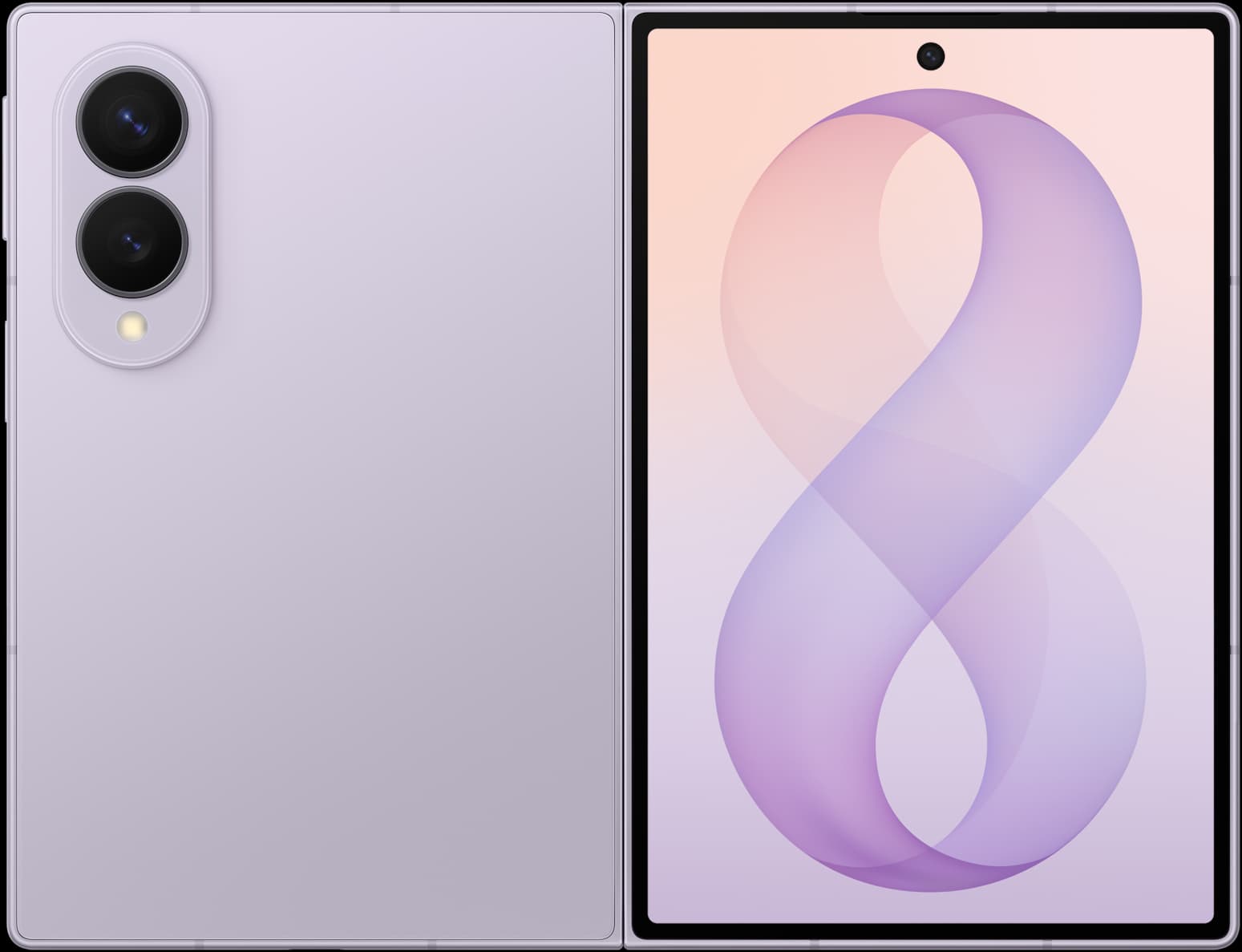
Physical size comparison
On paper, Fold 8 size and Fold 8 weight look competitive with a conventional flagship — until you account for the fold.
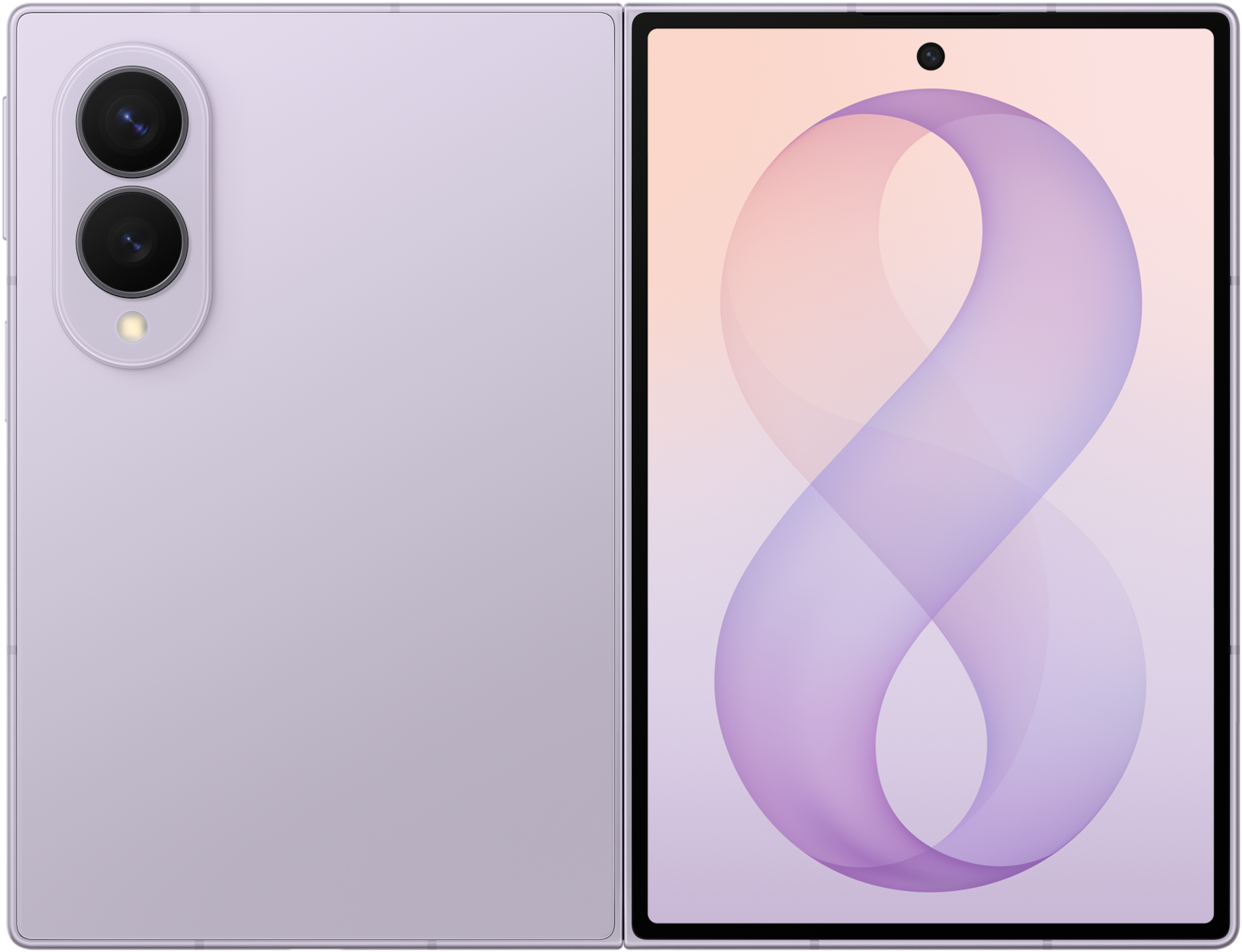
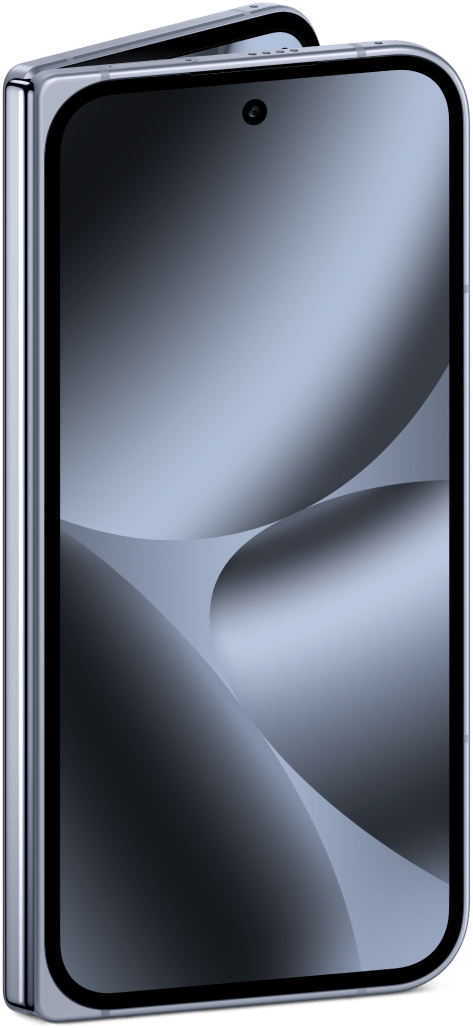
Galaxy Z Fold8 measures 81.9 × 123.9 × 9.7 mm folded and opens to 161.4 × 123.9 × 4.5 mm. It weighs 201 g. Closed, it is shorter and a little wider than a typical Ultra phone, with a thicker folded stack. Open, it becomes a wide tablet-like plane that is only 4.5 mm thick.
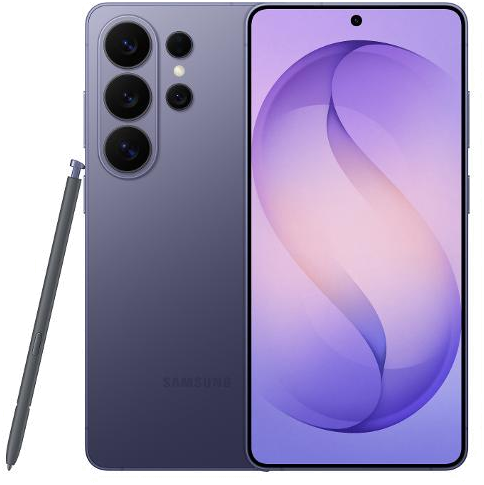
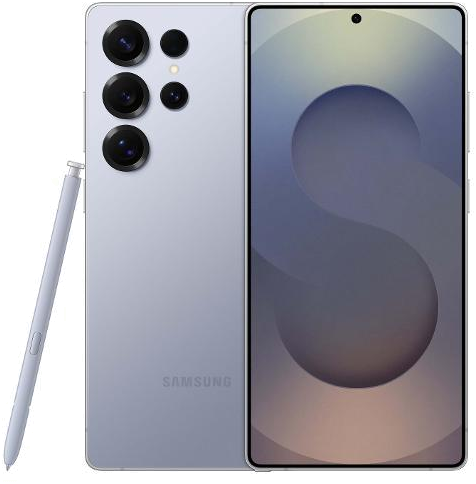
Galaxy S26 Ultra measures 163.6 × 78.1 × 7.9 mm and weighs 214 g. That is the familiar tall smartphone silhouette: taller than Fold8 when the foldable is closed, narrower side to side, and thinner in the pocket than Fold8’s 9.7 mm folded body.
Fold 8 vs S26 Ultra dimensions therefore tell two stories. Folded Fold8 is the shorter daily phone — easier to keep near the top of a jeans pocket — but the 9.7 mm closed thickness is the presence you notice first. S26 Ultra is the longer, thinner slab that sits like other recent Ultra phones. Weight favors Fold8 by 13 g, so the foldable is not the heavier option here; bulk comes from thickness and hinge volume, not mass alone.
Explorar detalles del dispositivo
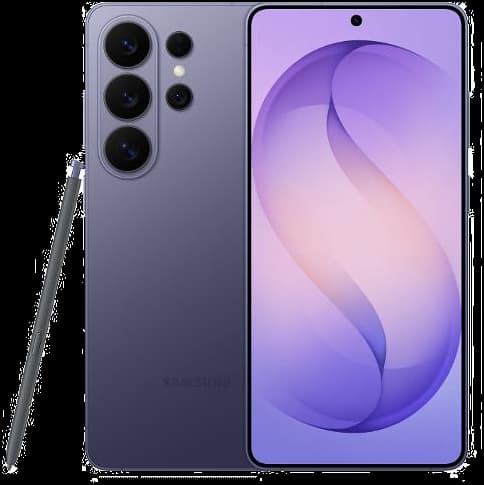
Pocketability
Pocket comfort is where Fold 8 vs S26 Ultra becomes tactile rather than numeric.
In jeans, Fold8’s shorter 123.9 mm height helps it sit higher. The trade-off is that 9.7 mm folded thickness and 81.9 mm width: it occupies more front-to-back space and can feel blockier when you sit down. Jacket pockets and bags are more forgiving — Fold8’s closed footprint is compact in height, and the open tablet mode only matters when you take it out.
S26 Ultra’s 7.9 mm thickness is the easier everyday slip into a tight pocket or slim case. Its 163.6 mm height is the longer silhouette that can dig deeper into a pocket. At 214 g it is slightly heavier than Fold8, so long carry shows up as length and mass rather than hinge bulk.
If you live in skinny jeans or minimal cases, S26 Ultra’s thinner profile usually wins. If you prefer a shorter closed height and accept a thicker foldable brick, Fold8’s pocket story is stronger than older tall Folds.
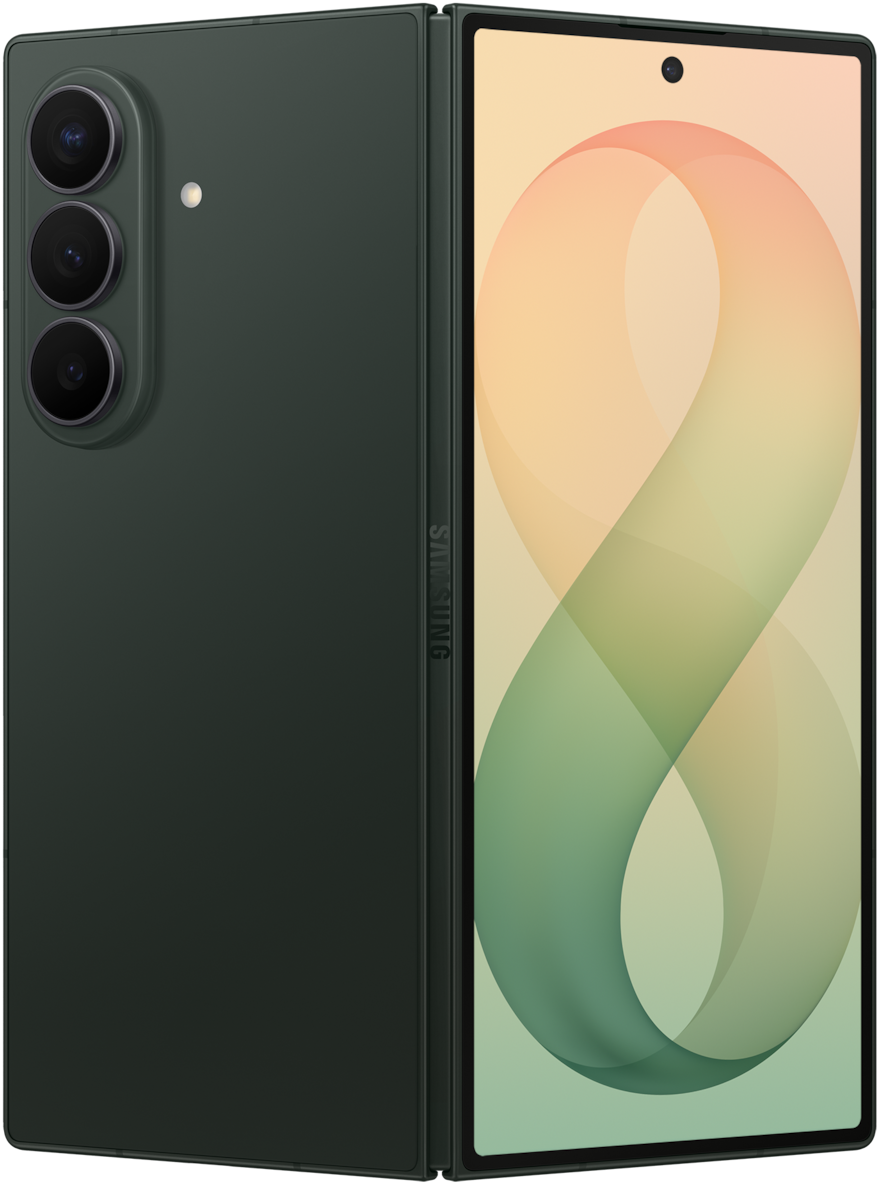
Colores disponibles: Galaxy Z Fold8
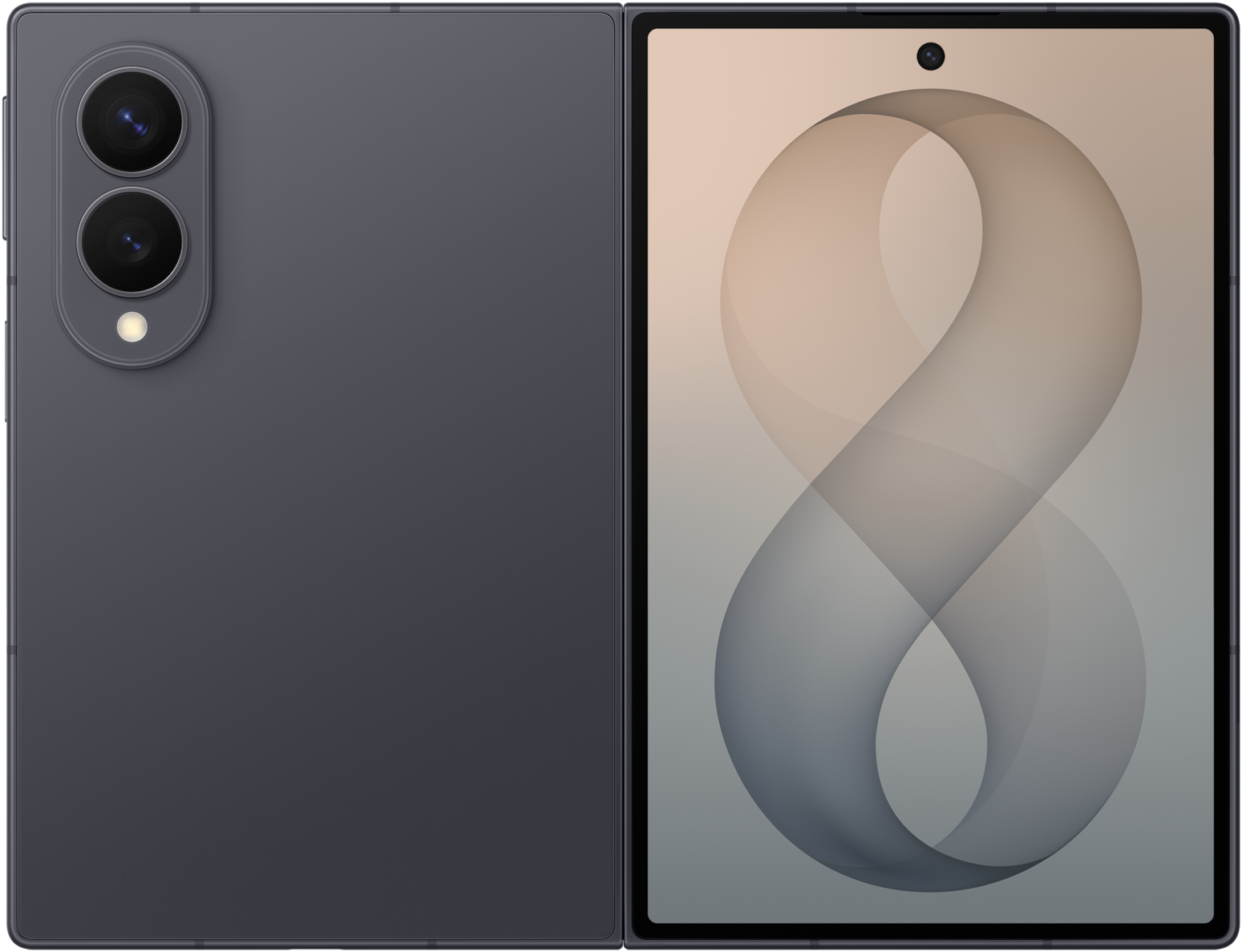
Graphite 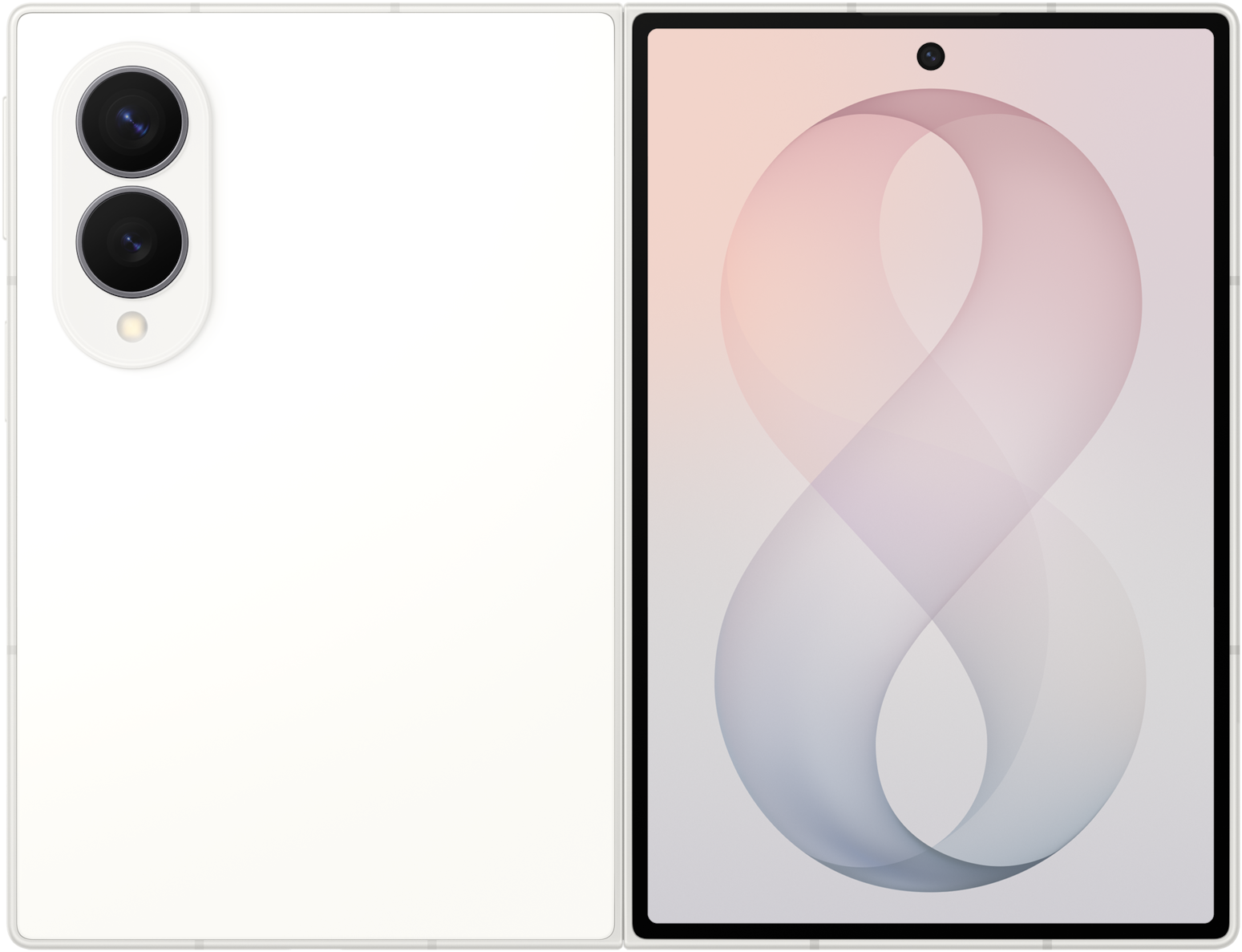
Cream 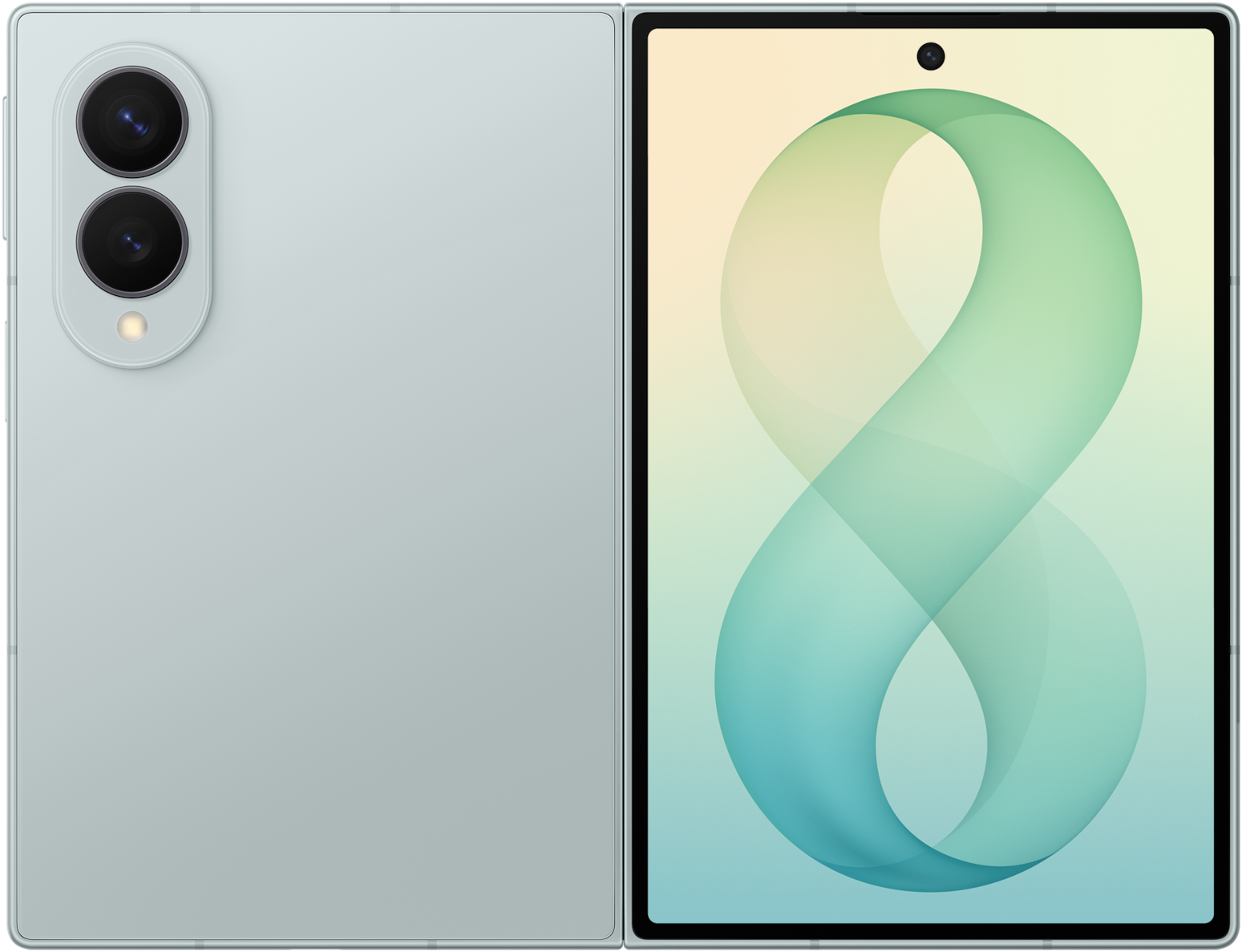
Pistachio
Colores disponibles: Galaxy S26 Ultra
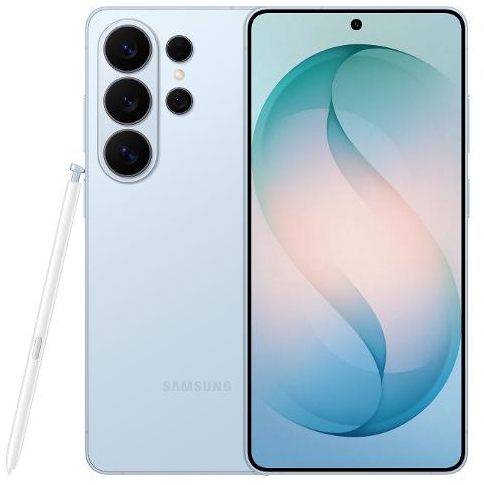
Sky Blue
Everyday usability
One-handed use favors different habits on each device.
S26 Ultra is a conventional large phone: reach across a 6.9-inch display with one hand is still a stretch for many people, but the single fixed body is predictable. Typing, gestures, and camera launch all happen on one glass plane without opening anything.
Fold8 folded puts a 5.5-inch cover display in front of you — Dynamic AMOLED 2X at 1972 × 1248 and 120 Hz. That cover is the daily phone for messaging, maps, and quick browsing. Samsung’s shorter, wider Fold8 proportions are meant to make cover typing and scrolling feel closer to a regular smartphone than earlier tall Fold covers. One-handed cover use is the Fold8 pitch; full one-handed control of the unfolded 7.6-inch panel is not realistic for most grips.
Cover display usability is the Foldable vs flagship phone fork in the road. If most of your day is notifications, chats, and short sessions, Fold8 asks you to live on the outer screen and unfold when you need space. S26 Ultra keeps one always-available 6.9-inch canvas with no hinge decision — simpler, and better if you dislike switching between two displays.
Abre Galaxy Z Fold8 y Galaxy S26 Ultra juntos en la herramienta de comparación de tamaño de Sizometry.
Abrir comparación de tamañosLarge screen experience
Unfolded, Fold8’s 7.6-inch main display (2448 × 1848, Dynamic AMOLED 2X, 120 Hz) is the productivity argument against S26 Ultra’s single 6.9-inch panel.
Multitasking benefits most. Side-by-side apps, drag-and-drop between windows, and persistent split layouts use the wider inner canvas in ways a tall Ultra phone cannot match without floating windows or constant app switching. Reading documents, PDFs, and long articles is more comfortable on the larger unfolded plane, especially in landscape. Video and media consumption also gain from the bigger panel, with less letterboxing depending on content aspect ratio.
S26 Ultra still covers everyday media well on 6.9 inches with Privacy Display hardware and up to 2,600 nits peak brightness. It does not become a mini tablet. For buyers who rarely need dual apps or tablet-scale reading, that is enough. For buyers who treat a phone as a portable desk — mail beside browser, notes beside reference, or video beside chat — Fold8’s inner display is the clearer fit.
Consulta la comparación completa de especificaciones de Galaxy Z Fold8 frente a Galaxy S26 Ultra.
Comparar Galaxy Z Fold8 frente a Galaxy S26 UltraCameras and performance
Both phones use Snapdragon 8 Elite Gen 5 for Galaxy with overlapping 12/16 GB RAM and 256 GB to 1 TB storage options. Everyday performance sits on the same platform generation — choose between them for cameras and battery packaging, not chip naming.
Galaxy Z Fold8 uses a dual rear setup: 50 MP wide with OIS and 2x optical-quality zoom, plus 50 MP ultrawide, with 10 MP cover and inner selfie cameras. Galaxy S26 Ultra uses a 200 MP wide, 50 MP ultrawide, 10 MP 3x telephoto, and 50 MP 5x/10x telephoto stack, plus a 12 MP front camera. If zoom and high-resolution stills matter, S26 Ultra is the stronger camera phone on paper.
Battery capacity favors S26 Ultra’s 5,000 mAh typical cell over Fold8’s 4,800 mAh typical pack, with faster listed wired and wireless charging on Ultra (60W / 25W versus Fold8’s 45W / 20W). Build ratings also differ: Fold8 is IP48, S26 Ultra is IP68. Fold 8 vs S26 Ultra is still decided by size and workflow first; cameras, charging, and IP rating refine the choice after the form factor fits.
Which phone should you buy?
Choose Galaxy Z Fold8 if you:
• Multitask frequently with split-screen apps and want a tablet-sized inner workspace • Read documents, articles, or long threads and prefer a larger unfolded canvas • Value cover-display daily driving with a shorter closed height and 201 g carry • Accept a thicker folded phone in exchange for large-screen productivity
Choose Galaxy S26 Ultra if you:
• Prefer a conventional flagship slab without a hinge or dual-display routine • Prioritize cameras, especially optical zoom and a fuller rear module • Want a thinner everyday device at 7.9 mm for pockets and one continuous screen • Prefer IP68 sealing and the simpler single-display Ultra workflow
Verdict
Galaxy Z Fold 8 vs Galaxy S26 Ultra is a philosophy split, not a trim-level upgrade. Fold8 wins when folded shortness, lighter weight, cover-first phone use, and a 7.6-inch productivity canvas matter more than a traditional Ultra silhouette. S26 Ultra wins when you want a thinner everyday flagship, a stronger camera system, and one large fixed display without unfolding.
Start with your pocket and your first hour of the day. If that hour needs split apps, documents, or tablet-scale reading, Fold8 fits. If that hour is camera shots, one-handed Ultra habits, and a slim single phone, S26 Ultra is the clearer match.
Últimas comparativas
- Comparar Galaxy Z Fold8 y Galaxy S26 Ultra
- Comparar Galaxy Z Fold8 Ultra y Galaxy S26 Ultra
- Comparar Galaxy Z Fold8 Ultra y Galaxy Z Fold8
- Comparar Galaxy Z Fold8 y Galaxy Z Flip8
- Comparar Galaxy Z Fold8 y Galaxy Z Fold7
- Comparar Galaxy Z Flip8 y Galaxy S26 Ultra
- Comparar Galaxy S26 Ultra y iPhone 17 Pro Max
- Comparar Galaxy Z Fold8 y Galaxy S25 Ultra
- Comparar Galaxy Z Fold8 y iPhone 17 Pro Max
- Comparar Galaxy Z Fold8 y Pixel 10 Pro Fold