Insights
GUÍA
Confirmado
Galaxy Z Fold 8 vs Fold 7: tamaño y diferencias de salto
Compara el Galaxy Z Fold 8 y el Galaxy Z Fold 7 por tamaño, grosor, peso, pantallas, portabilidad y motivos prácticos para actualizar.
Size comparison at a glance
Fold 8 vs Fold 7 size differences show up before either phone opens.
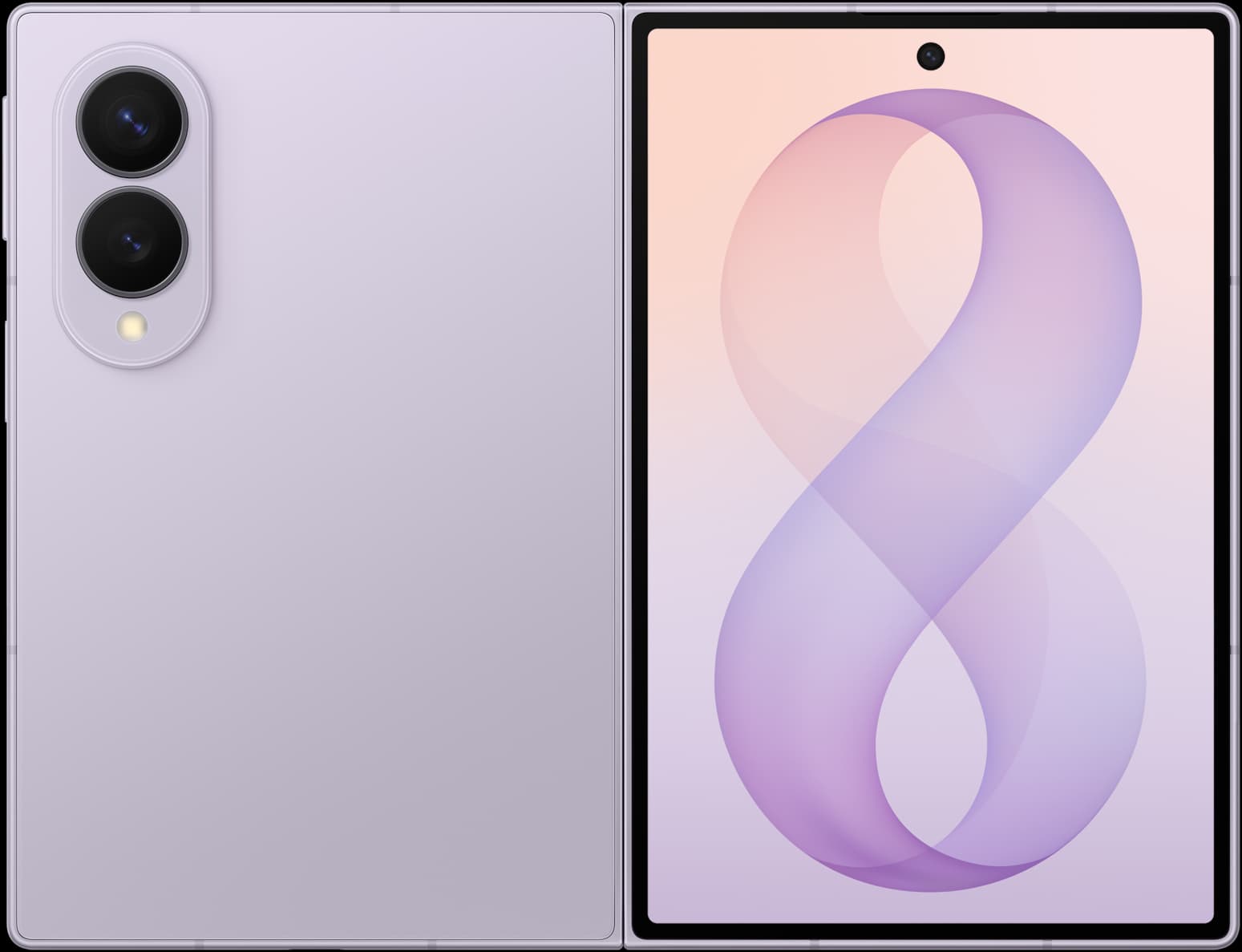
Galaxy Z Fold7 folded measures 72.8 × 158.4 × 8.9 mm and weighs 215 g. Unfolded, it opens to 143.2 × 158.4 × 4.2 mm.
Galaxy Z Fold8 folded measures 81.9 × 123.9 × 9.7 mm and weighs 201 g. Unfolded, it opens to 161.4 × 123.9 × 4.5 mm. Closed, Fold 8 is about 9.1 mm wider, about 34.5 mm shorter, 0.8 mm thicker, and 14 g lighter. Open, it is wider and shorter, and 0.3 mm thicker.
Those Fold 8 dimensions matter more than a “newer is thinner” story. Fold 8 is a shorter pocket rectangle with more cover width. Fold 7 remains the taller closed strip with the thinner folded stack. Prefer Fold 8 weight and closed height, and the newer model moves ahead. Prefer folded thinness and a familiar tall Fold pocket shape, and Fold 7 still wins.
Explorar detalles del dispositivo
Folded use and cover display
Cover-display usability is the biggest everyday split here.
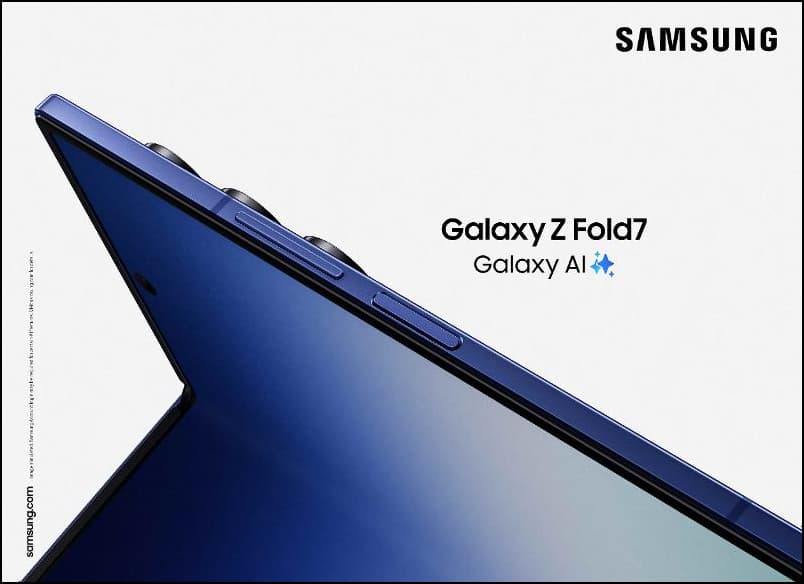
Fold 7’s cover is a 6.5-inch Dynamic AMOLED 2X panel at 2520 × 1080 — a tall front screen for messaging, notifications, and quick apps.
Fold 8’s cover is a 5.5-inch Dynamic AMOLED 2X panel at 1972 × 1248. The diagonal is smaller, but the closed body is much wider and shorter, so the cover is framed more like a compact conventional smartphone than a tall Fold strip. For one-handed use while folded, that proportion is Fold 8’s practical argument: thumbs travel a shorter vertical span, and cover typing, social feeds, and short browsing sit on a wider page.
That reading comes from verified proportions, not a hands-on review claim. Fold 7 owners who already like the tall cover may not feel underserved. Fold 8 fits better when conventional-phone reachability and cover-first use matter more than Fold 7’s tall front-screen height.
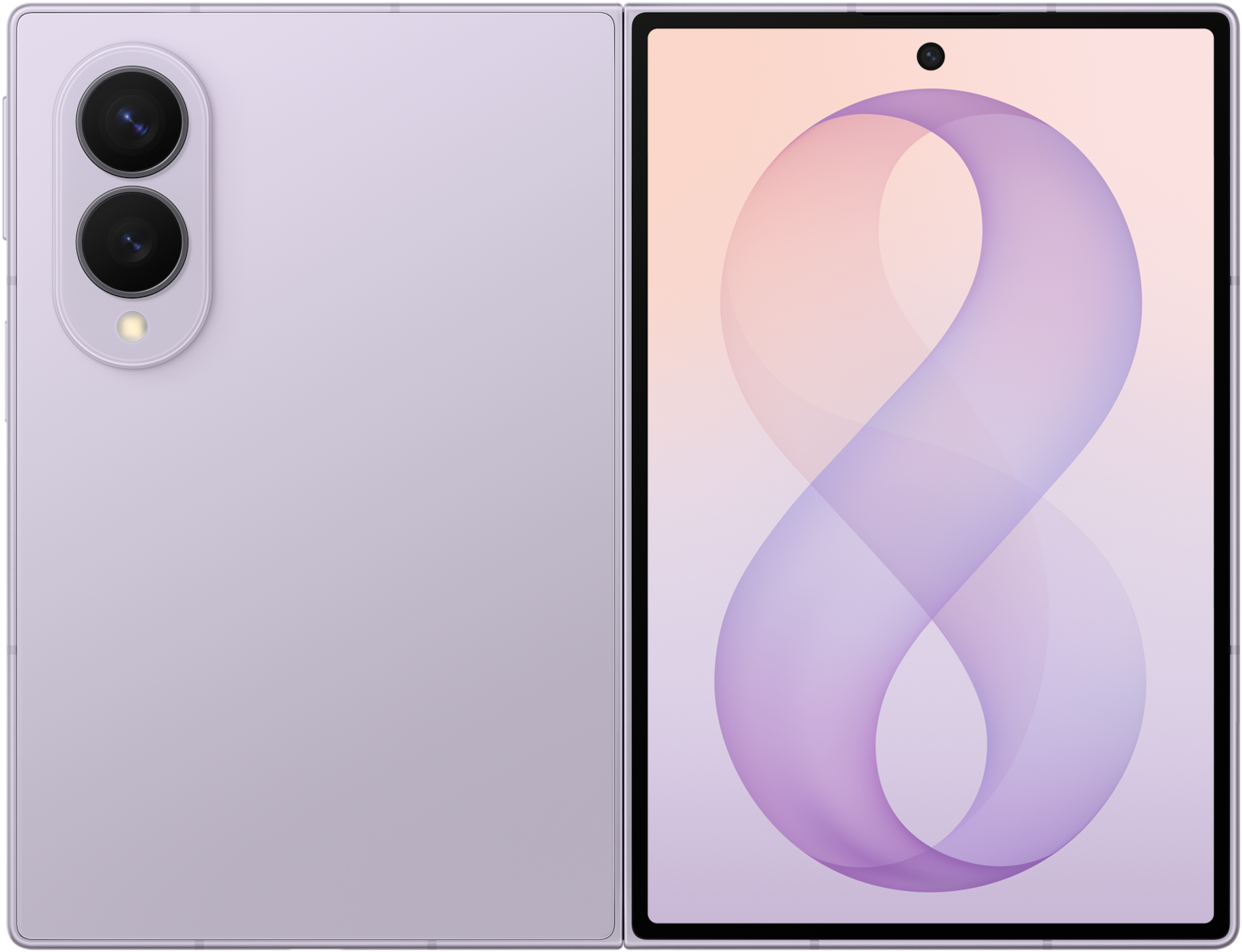
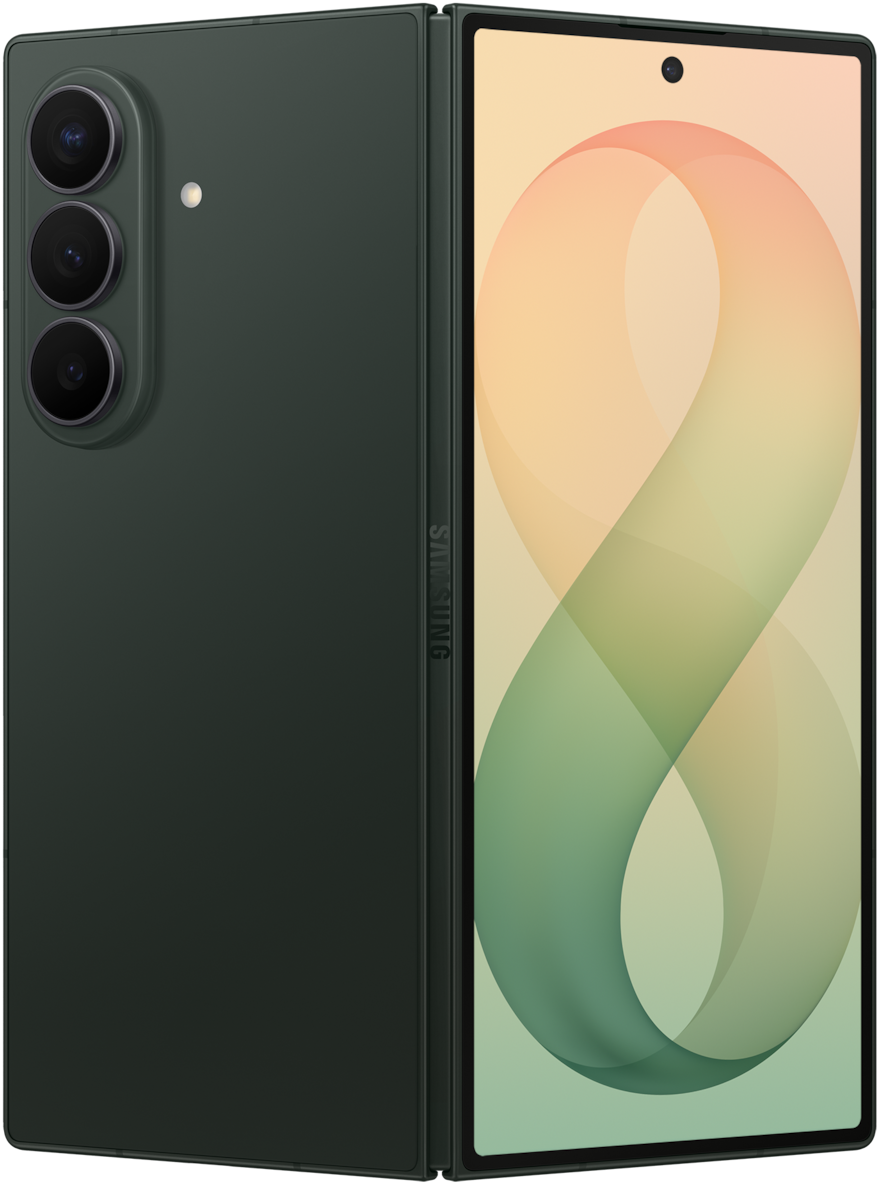
Colores disponibles: Galaxy Z Fold8
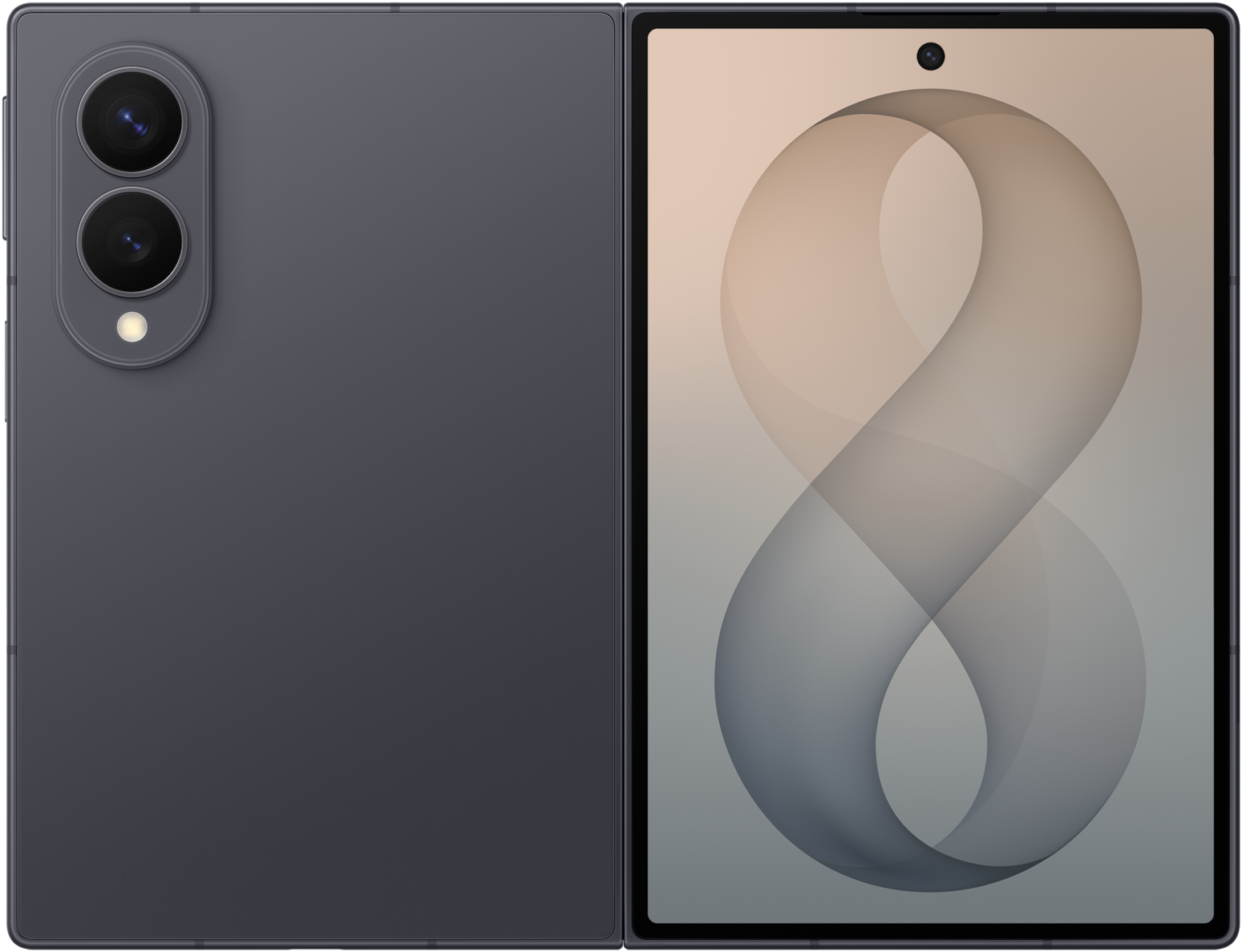
Graphite 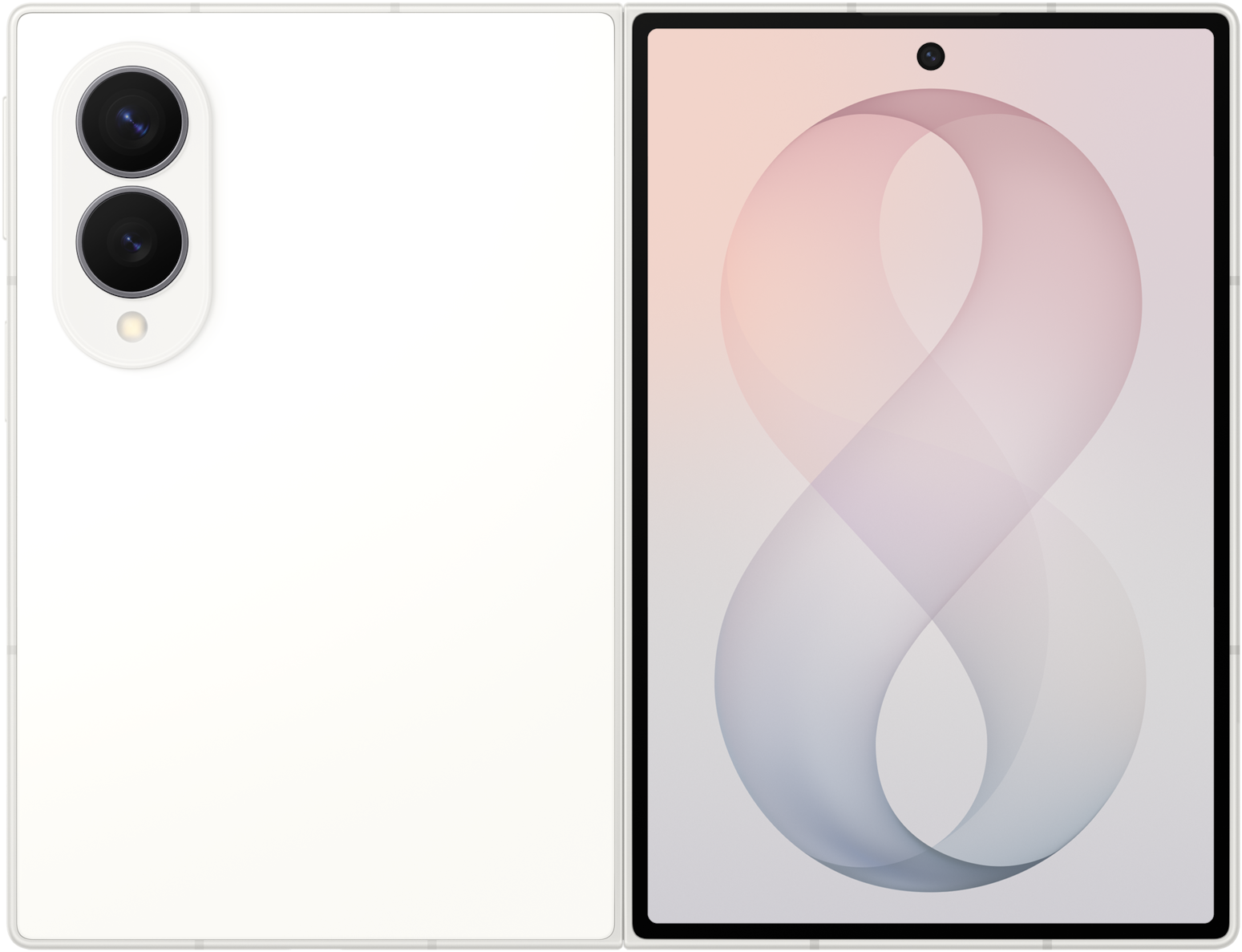
Cream 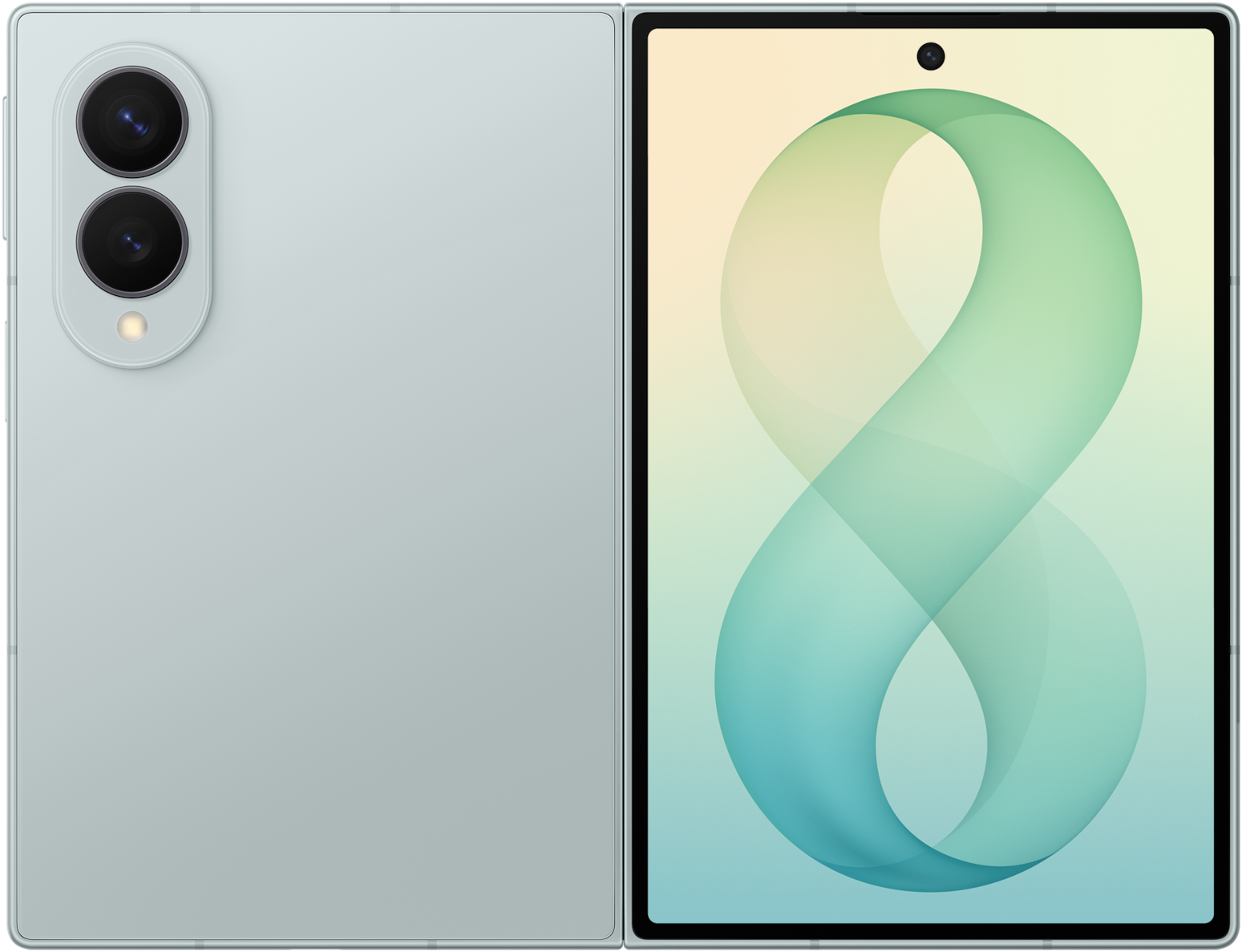
Pistachio
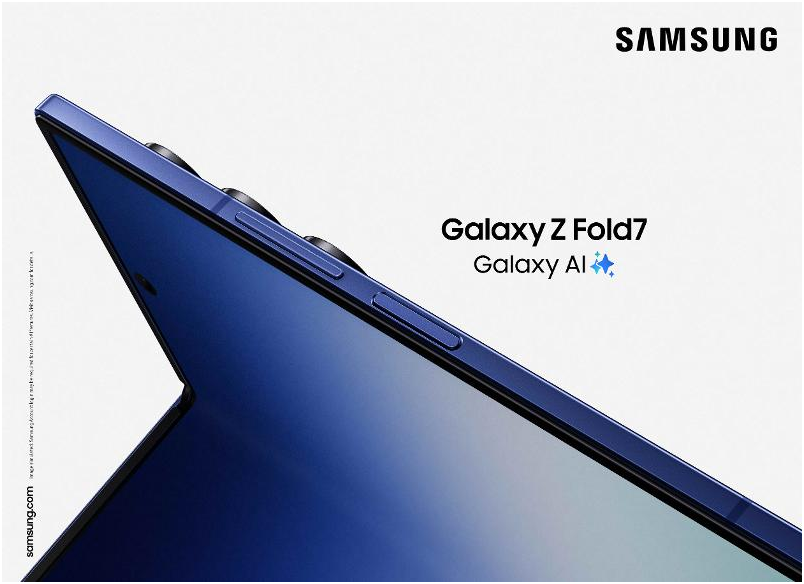
Colores disponibles: Galaxy Z Fold7
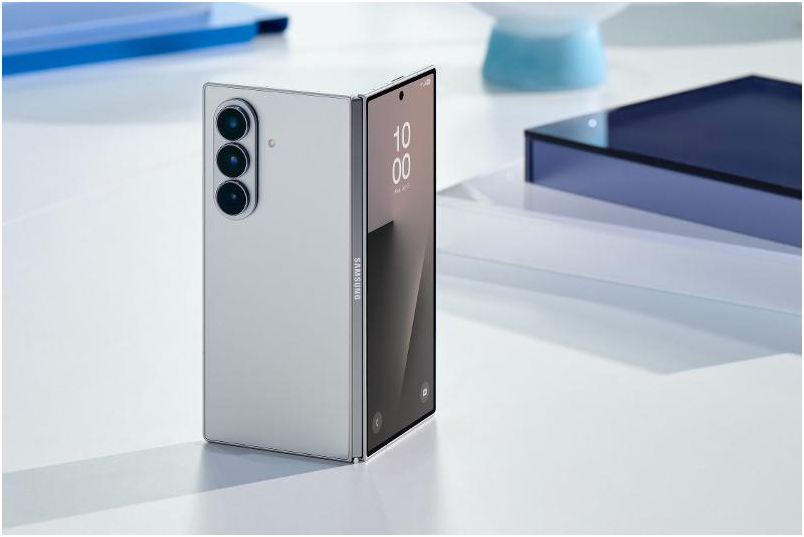
Titanium Silver Blue 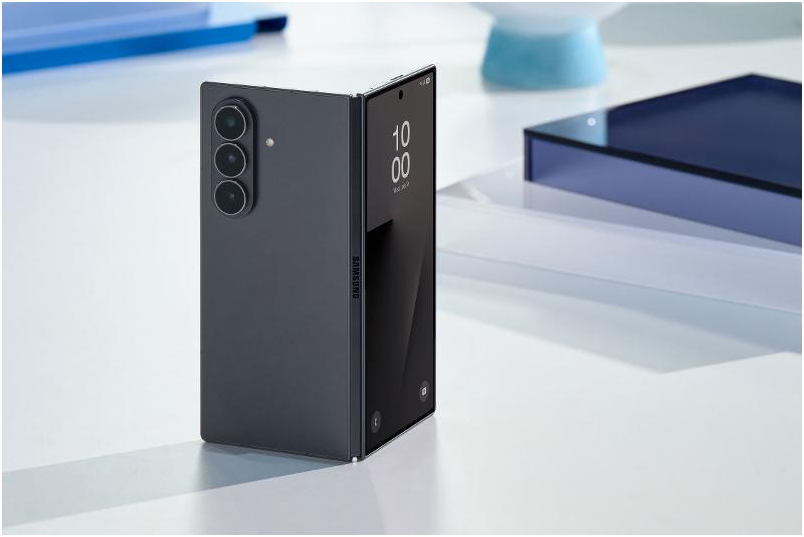
Jet Black
Unfolded experience
Open the phones and the inner-display story flips.
Fold 7’s main display is an 8.0-inch Dynamic AMOLED 2X panel at 2184 × 1968 with 120 Hz refresh and up to 2,600 nits peak brightness. Fold 8’s main display is a 7.6-inch Dynamic AMOLED 2X panel at 2448 × 1848 with 120 Hz refresh and up to 3,000 nits peak brightness. Fold 8 is the brighter peak-rated panel; Fold 7 keeps the larger diagonal and taller open footprint.
For multitasking, reading, media, and tablet-like use, Fold 7 still offers more absolute inner screen. Fold 8’s open body is wider and shorter, which suits a more square content canvas, but it is not a larger unfolded workspace. Split apps and long reading sessions still favor Fold 7’s 8.0-inch panel; shorter media sessions can still work well on Fold 8’s 7.6-inch panel.
Abre Galaxy Z Fold8 y Galaxy Z Fold7 juntos en la herramienta de comparación de tamaño de Sizometry.
Abrir comparación de tamañosPortability and weight
Portability is where Fold 8 makes its cleanest numerical case.
At 201 g, Fold 8 is 14 g lighter than Fold 7 — noticeable for pocket, bag, or hand carry without turning a large foldable into a compact phone. Closed height also helps Fold 8 sit lower in a pocket, while the wider 81.9 mm folded width and 9.7 mm folded thickness ask for more lateral room than Fold 7’s 72.8 × 8.9 mm closed stack.
Fold 8 is meaningfully easier to carry when lower weight and reduced closed height are the priority. It is not automatically easier to pocket in every clothing cut, because the wider and thicker folded body can offset some of the height gain. Fold 7 remains the thinner closed slab if pocket depth and a tall Fold outline matter more.
Design and durability
Both phones keep IP48 ingress protection. Fold 7 uses an Advanced Armor Aluminum frame with Corning Gorilla Glass Ceramic 2 on the front, Gorilla Glass Victus 2 on the back, and UTG with a titanium plate on the main display. Fold 8 moves to an Armor Aluminum frame, Gorilla Glass Ceramic 3 on the front, Victus 2 on the back, and Flex Titanium protection on the main display.
Those are confirmed materials and display-protection changes, not proof that Fold 8 survives drops or crease wear better in real life.
Consulta la comparación completa de especificaciones de Galaxy Z Fold8 frente a Galaxy Z Fold7.
Comparar Galaxy Z Fold8 frente a Galaxy Z Fold7Performance, cameras, and battery
Keep this part secondary to the size comparison.
Fold 8 moves to Snapdragon 8 Elite Gen 5 for Galaxy; Fold 7 used Snapdragon 8 Elite for Galaxy. Both offer overlapping 12 GB and 16 GB RAM options with storage through 1 TB, depending on market. That is a confirmed platform step, not a reason by itself to abandon a Fold 7 that already feels fast.
Cameras diverge more clearly. Fold 7’s rear system is a 200 MP wide with OIS, a 12 MP ultrawide, and a 10 MP telephoto with 3x optical zoom and OIS. Fold 8 uses a dual rear setup: a 50 MP wide with OIS and 2x optical-quality zoom, plus a 50 MP ultrawide. Both keep 10 MP cover and inner selfie cameras. Fold 8 does not inherit Fold 7’s dedicated telephoto.
Battery capacity and charging move in Fold 8’s favor on paper. Fold 8 lists a 4,800 mAh typical battery with 45W wired and 20W wireless charging. Fold 7 lists a 4,400 mAh typical battery with 25W wired charging. Larger capacity and faster wired charging are confirmed; real-world endurance still depends on use.
Who should choose the Fold 8?
Choose Galaxy Z Fold 8 if you are buying a new standard Fold and want the redesigned closed phone first. The strongest reasons are the shorter folded height, wider cover proportions, lighter 201 g carry, brighter peak-rated main display, newer Snapdragon platform, and the larger battery with faster wired charging.
Fold 8 makes the most sense when cover-first messaging, one-handed folded use, and pocket height matter more than Fold 7’s tall cover and larger 8.0-inch inner canvas. New buyers who want the familiar tall Fold silhouette with a bigger inner display should also consider Galaxy Z Fold8 Ultra.
Should Fold 7 owners upgrade?
Should I upgrade from Fold 7 to Fold 8? For many Fold 7 owners, keeping the current phone remains reasonable.
Upgrade if the taller Fold 7 cover still feels awkward for one-handed typing, if closed height and weight are daily annoyances, or if you specifically want Fold 8’s wider cover proportions, lighter body, newer chipset, larger battery capacity, and faster wired charging.
Stay on Fold 7 if you like the tall cover, rely on the larger 8.0-inch inner display, prefer the thinner 8.9 mm folded stack, or need the dedicated 3x telephoto camera. Fold 8 is a redesign with trade-offs, not a free upgrade across every dimension.
Verdict
Galaxy Z Fold 8 vs Fold 7 is a form-factor decision more than a radical generational leap. Fold 8 meaningfully changes portability and everyday foldable use when you care about shorter closed height, wider cover habits, and a lighter phone. Fold 7 still wins on absolute inner-display size, folded thinness, tall-cover familiarity, and telephoto camera hardware. Choose Fold 8 for the redesigned daily phone shape. Keep Fold 7 when the older tall Fold proportions still match how you actually use a foldable.