Insights
GUÍA
Confirmado
Autonomía del Galaxy Z Flip 8: ¿cuánto dura?
¿Es buena la batería del Galaxy Z Flip 8? Capacidad, carga, tiempo de pantalla encendida y uso real todo el día frente al Galaxy Z Flip 7 antes de comprar.
Overview
Battery life remains a top concern for foldable buyers because the form factor asks more of the power system than a single-slab flagship. Cover-display glances plus longer main-panel sessions change drain patterns even when the milliamp-hour number looks familiar.
Four factors shape Galaxy Z Flip 8 battery performance more than marketing slogans:
• Battery capacity sets the ceiling, but it is not the whole story. • Processor efficiency decides how much work each milliamp-hour can do. • Display behavior — brightness, refresh rate, and cover-screen use — often dominates daytime drain. • Charging habits decide whether a mid-day top-up is a convenience or a requirement.
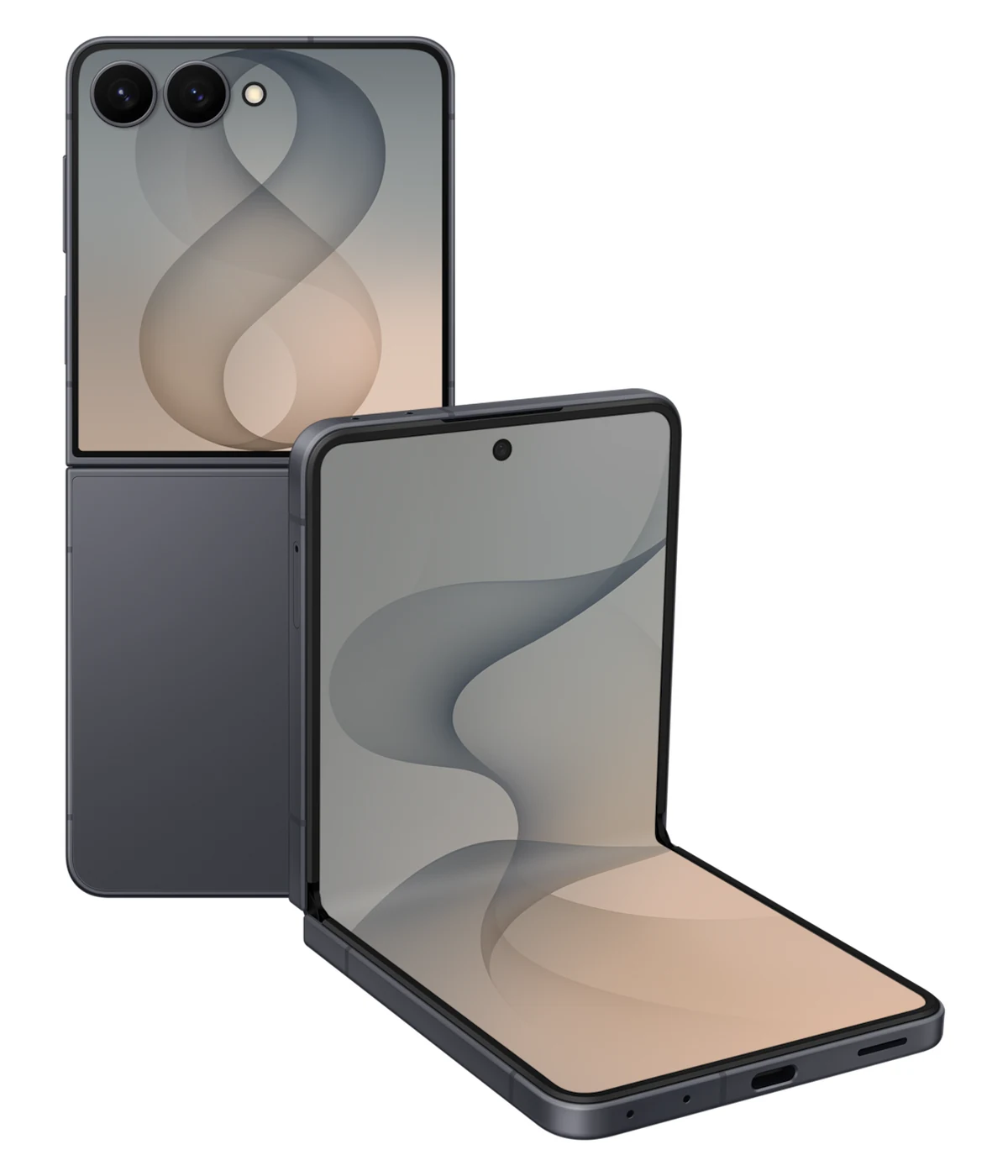
On paper, Galaxy Z Flip 8 keeps the same 4,300 mAh typical capacity as Galaxy Z Flip 7. The practical question is whether newer silicon and everyday habits make that pack feel more dependable. Compare Galaxy Z Flip 8 device details with Galaxy Z Flip 7, then open the Galaxy Z Flip 8 vs Galaxy Z Flip 7 comparison for full context.
Explorar detalles del dispositivo
Battery Specifications
Sizometry’s catalog lists Galaxy Z Flip 8 with a 4,300 mAh typical battery and a 4,174 mAh rated capacity. Wired charging is 25W, wireless charging is 15W, and Wireless PowerShare covers reverse wireless charging to compatible earbuds, watches, or another phone in a pinch.
Those are official-style specifications, not a lab endurance claim. Capacity describes the fuel tank; it does not promise fixed hours for every owner.
Compared with Galaxy Z Flip 7, the headline capacity does not jump — Flip 7 also lists 4,300 mAh typical and 4,174 mAh rated, with 25W wired charging plus wireless charging and PowerShare. Flip 8’s battery story is therefore less about a bigger cell and more about efficiency and how people use the cover and main displays. Buyers who expected a capacity bump should treat that as unmet on the spec sheet.
Everyday Battery Life
Is Galaxy Z Flip 8 battery good for a full day? For most mixed-use owners, yes — with the usual foldable caveats.
Light users who mostly message, check the cover display, take occasional photos, and browse in short bursts should usually finish with a comfortable reserve. Cover-screen glances are efficient when they replace full unlocks.
Average users — email, maps, social feeds, light streaming, and daytime camera use — are the group Flip 8 is aimed at. With adaptive brightness and sensible refresh behavior, a full day is a realistic baseline. Evening residual charge still varies with outdoor brightness and network conditions.
Heavy users who keep the main display open for long stretches, stream brightly, navigate continuously, or game in sessions should plan on a mid-day top-up more often. Compact foldables punish continuous screen-on workloads; a short wired charge or wireless desk pad usually restores evening comfort.
The honest answer: Galaxy Z Flip 8 battery life fits a normal mixed day, not unconstrained high-refresh gaming and navigation from morning to night without help.
Screen-on Time Expectations
Galaxy Z Flip 8 screen on time should be discussed as ranges by task, not as one heroic number. Published “battery test” charts vary by brightness, network, and cover versus main display use. Treat the notes below as expectations, not stopwatch guarantees.
Web browsing on Wi-Fi at moderate brightness is among the kinder workloads. Social media is hungrier because feeds autoplay video and keep radios and panels awake. YouTube and similar streaming sit in the middle-to-high drain band depending on resolution and whether you use the main display or short cover clips.
Camera previews spike power outdoors at high brightness. Gaming is the steep end: sustained GPU work plus a bright 120 Hz panel drains quickly. Navigation combines bright screen time with GPS and cellular radios, so long drives cost more than desk browsing.
Avoid unrealistic claims such as all-day gaming on one charge or a universal ten-hour mixed SOT. A Galaxy Z Flip 8 battery test in one lab will not match another climate or habit. Judge your mix: light messaging versus continuous maps-plus-video.
Charging Performance
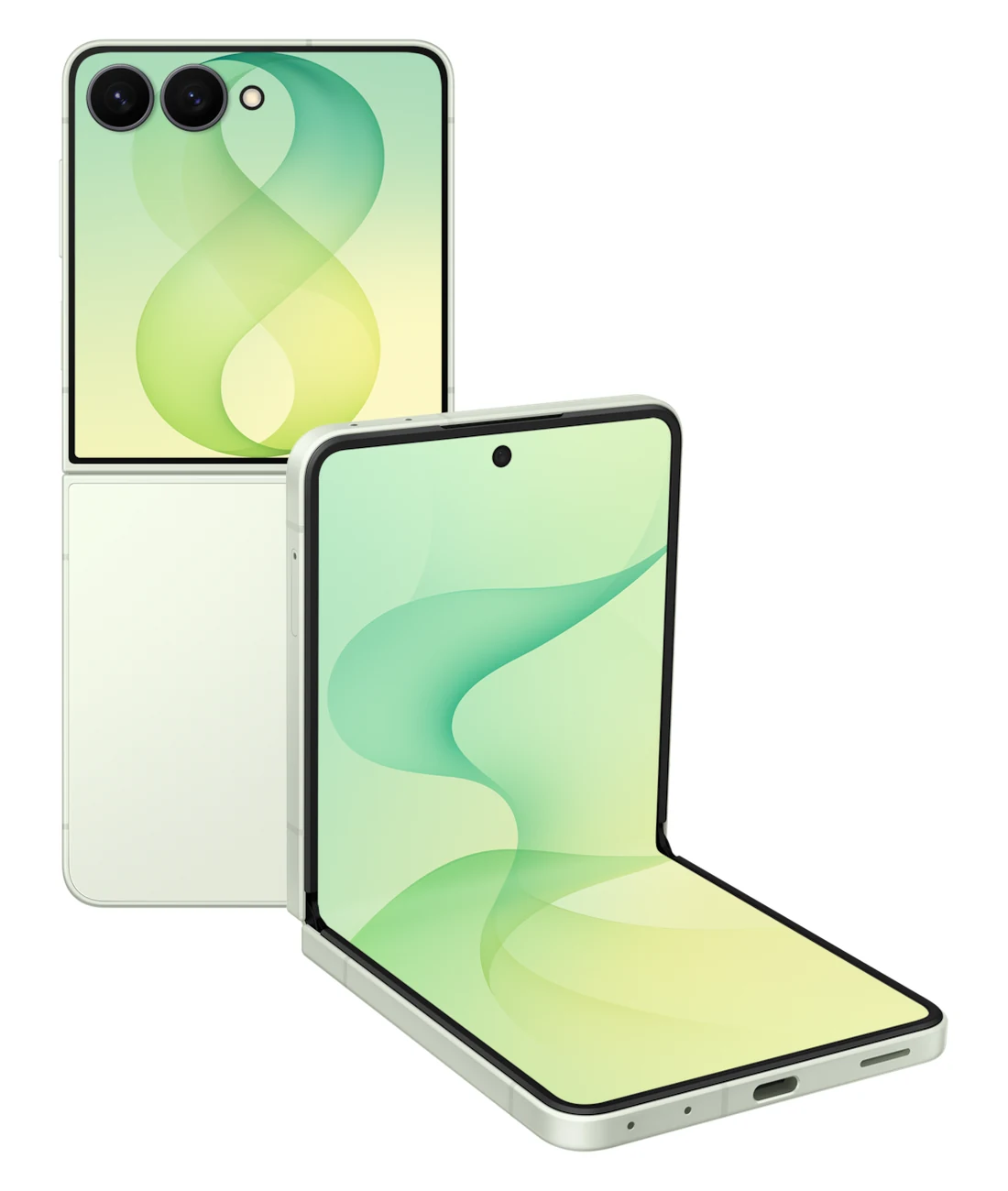
Galaxy Z Flip 8 charging is practical rather than class-leading. Official wired charging is 25W — enough for useful top-ups, but slower than the 45W wired charging on some larger Samsung foldables. A short cable session still recovers a meaningful chunk of the day.
Heat stays manageable on a desk or nightstand. Thick cases, soft bedding, wireless coils, and gaming-while-charging raise temperature; pause intensive use or remove the case if the phone feels warm.
Wireless charging at 15W favors convenience over speed. A nightstand or desk pad fits Flip ownership because the folded phone sits compactly between tasks. Reverse wireless charging rescues earbuds or a watch; it is not a substitute for a power bank on long days.
Practical habit: enable battery protection for overnight plugs, use wired 25W when time is short, and treat wireless as the set-and-forget option.
Gaming Battery Performance
Sustained gaming is where Galaxy Z Flip 8 battery life shows its limits most clearly. The main display, high refresh behavior, and flagship graphics load pull hard on a 4,300 mAh cell. Session length feels closer to other compact flagships than to large-battery gaming phones.
Thermal behavior matters as much as percentage drop. Extended play can warm the chassis and push the system to balance performance and power. Frame-rate stability may matter more than maximum settings for a few extra minutes.
Drain is steep by workload design, not because Flip 8 uniquely fails. Primary gamers should plan shorter sessions, lower brightness, or a nearby charger. Casual players between other tasks will notice far less impact.
Camera Battery Usage
Photography sessions drain more when the viewfinder stays active than when you snap and lock. Short photo walks fit a normal day; long museum, wedding, or travel shoots with constant preview and review add up.
Long video is heavier still. 4K recording combines sensor, processing, stabilization, and display work — treat extended 4K as a planned power event. Between clips, lock the phone or use the cover for quick checks.
Travel mixes camera spikes with maps and messaging. The pocketable closed form encourages frequent capture, which is great for memories and tougher on the gauge. Sightseeing days still favor a slim power bank even from a full morning charge.
Travel and Daily Commuting
For flights, Galaxy Z Flip 8 battery usually covers boarding, shorter-hop entertainment, messaging, and landing logistics if you start near full and manage brightness. Long-haul streaming with frequent unlocks argues for an airplane charger or power bank.
Commuting with podcasts, messages, and occasional maps is a sweet spot — cover checks reduce full-screen wakeups. Vacations and business trips stack photography, navigation, hotspot use, and late dinners. The battery is travel-capable for structured days; multi-stop camera-and-maps itineraries are where a compact charger earns its place.
Tips to Improve Battery Life
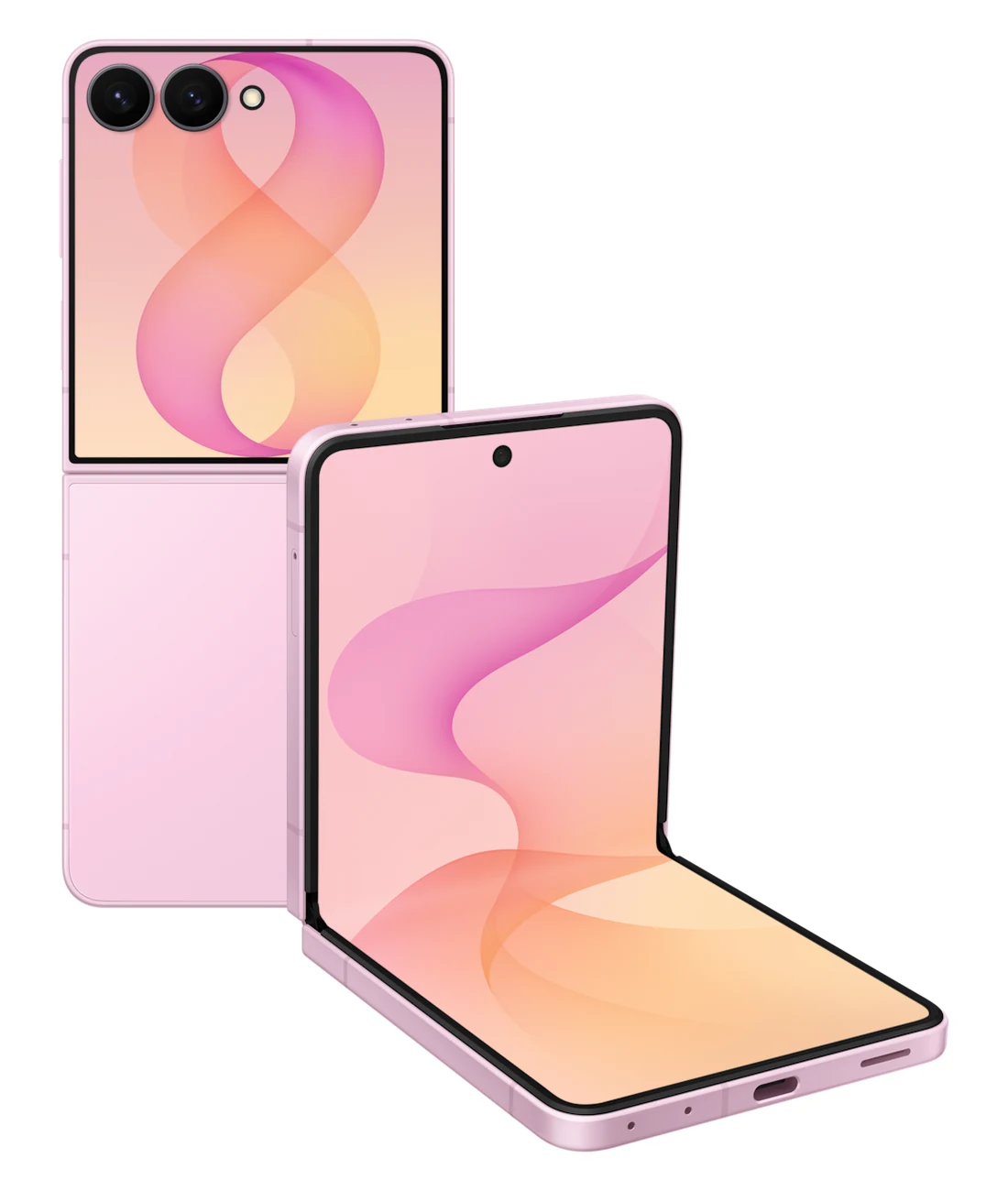
Small settings changes often matter more than hunting for a bigger milliamp-hour number.
Use adaptive brightness instead of leaving the panel pinned near maximum outdoors all day. Let refresh rate adapt rather than forcing the highest mode for every app. Review background apps, unused location access, and always-on widgets that wake the cover unnecessarily.
Charging habits help longevity and daily comfort: avoid constant 0–100 stress when a 20–80 style routine fits your schedule, and enable battery protection features for overnight charging when available on your software version. Wireless pads are convenient; wired 25W is better when time is short.
Cover-first habits are a Flip-specific advantage. Quick replies, timers, and media controls on the outer display can replace opening the main screen — and that is free endurance if your workflow allows it.
Should You Upgrade for Battery Life?
Flip 6 owners moving from an older, smaller-capacity generation have the clearest battery-related reason to consider Flip 8, especially alongside the newer platform and cover experience. Battery is part of a broader generation jump, not the only reason.
Flip 7 owners should be cautious about upgrading for battery life alone. Capacity matches on the catalog sheet, and charging stays near 25W wired. Efficiency gains may feel mild rather than transformative. Compare Galaxy Z Flip 8 vs Galaxy Z Flip 7 on the features you actually miss.
First-time foldable buyers can expect Galaxy Z Flip 8 battery life to be good enough for mainstream daily use if they accept that foldables reward moderate habits. Heavy users who already carry power banks with slab phones should assume they still will sometimes. Casual nightly chargers are the group most likely to stop worrying about the gauge.
Consulta la comparación completa de especificaciones de Galaxy Z Flip8 frente a Galaxy Z Flip7.
Comparar Galaxy Z Flip8 frente a Galaxy Z Flip7Sizometry Verdict
Galaxy Z Flip 8 battery life is credible all-day battery for mixed everyday use, not a breakthrough tank. Official capacity stays at 4,300 mAh typical with 25W wired, 15W wireless, and reverse wireless charging — so real-world satisfaction depends more on efficiency and habits than on a bigger cell.
Who will be satisfied: average owners, cover-display-friendly workflows, and anyone comparing Flip 8 with older Flip generations more than with giant-battery phablets. Who may still want a power bank: travelers with camera-heavy days, long navigators, and sustained gamers. Battery life alone rarely justifies a Flip 7-to-Flip 8 upgrade; buy Flip 8 for the overall package, and treat endurance as dependable rather than dramatic.