Motorola razr (2026) User Experience
Veredicto de Sizometry
Puntuaciones editoriales basadas en temas recurrentes de reseñas profesionales, pruebas hands-on y análisis de expertos.
Experiencia general de uso
7,5
de 10
A polished 2026 clamshell with pocket-friendly 188 g carry, mature cover-display workflows, Hello UI lightness, and flex-mode delight — held back by incremental upgrades, camera limits, and early-stage durability uncertainty.
Puntuaciones por categoría
Experiencia de cámara
7,0
Flexible flex-mode shooting shines; image quality solid for social use but trails Ultra-tier telephoto and low-light rivals.
Experiencia de batería
7,5
Full-day moderate use in early reports; improved versus 2025 razr without class-leading foldable endurance.
Uso con una mano
8,5
73.99 mm open width and 188 g weight among the best one-handed foldable ergonomics available.
Facilidad de transporte en el bolsillo
9,0
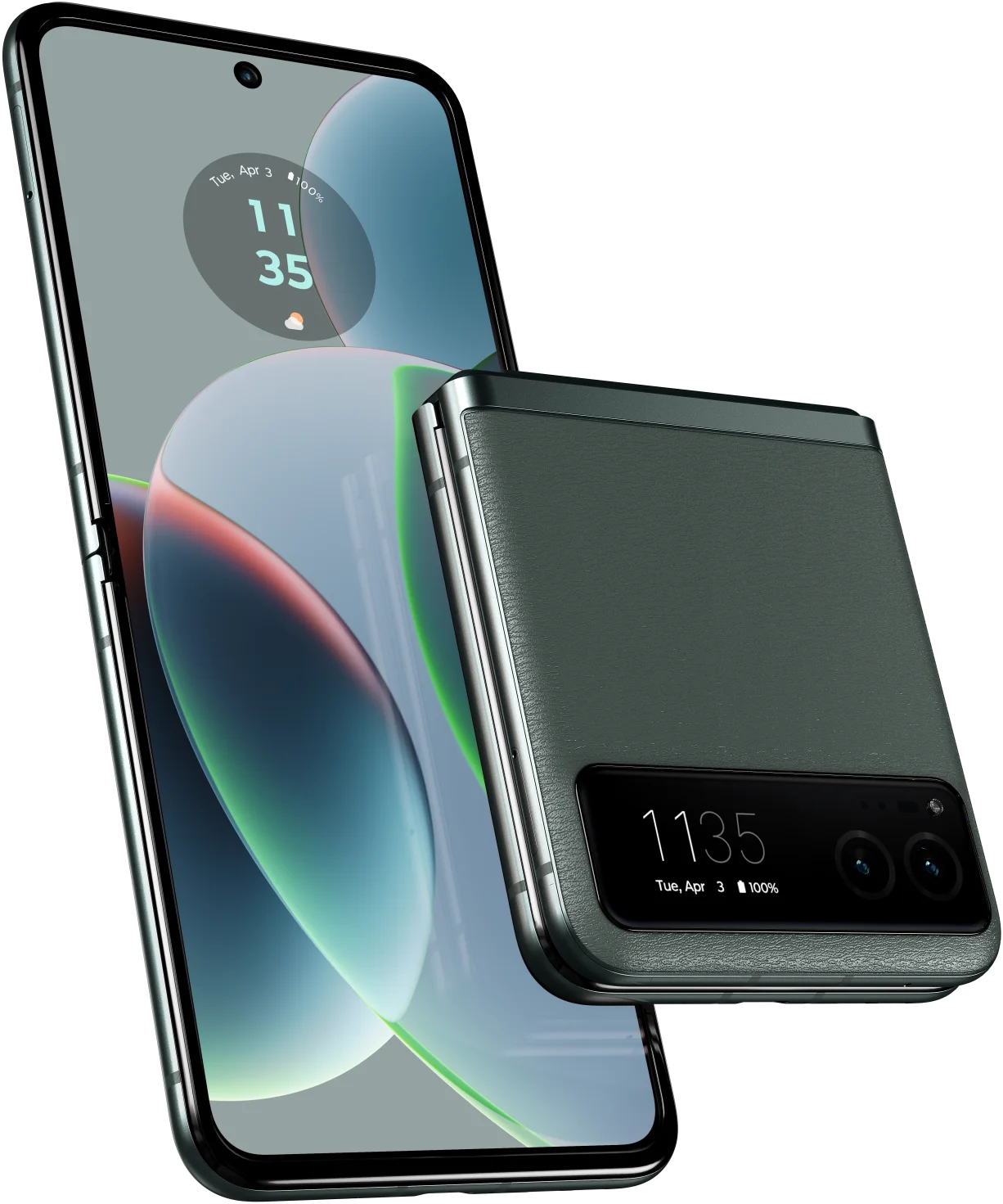
88.08 mm folded square footprint is the core reason to buy — pocket fit slabs cannot match.
Rendimiento sostenido
7,5
Smooth daily use with mild warmth under gaming; not a benchmark leader.
Calidad de construcción
7,5
Tight hinge feel and premium materials for the tier; long-term foldable durability still emerging.
Fortalezas
- Square folded footprint — exceptional pocket clamshell ergonomics
- Hello UI near-stock Android — lighter foldable software experience
- Flex-mode camera and compact 188 g carry
- Accessible razr entry versus razr+ and Galaxy Flip premiums
Debilidades
- Camera and zoom not class-leading versus flagship slabs
- Software update tenure shorter than Samsung foldable promises
- Incremental upgrade from 2025 for existing razr owners
- Early ownership — long-term hinge data still limited
Ideal para
- Pocketability-first buyers wanting clamshell style
- Near-stock Android fans cross-shopping Galaxy Z Flip7
- First-time foldable users seeking accessible pricing
- Social shooters who love flex-mode framing
Menos adecuado para
- Camera-chart shoppers comparing Ultra telephoto results
- Owners who demand longest foldable OS support
- Power users needing unrestricted cover-screen apps
- Satisfied razr 2025 owners without hardware complaints
Recomendación de actualización
Dispositivo actual: razr 2023 or 2024 owners
Recomendación: Muy recomendableNotas: Cover display, battery, and hinge refinements address multi-generation pain points.
Dispositivo actual: razr 2025 owners
Recomendación: Depende de tus prioridadesNotas: Meaningful but not revolutionary — worthwhile mainly if battery or cover brightness frustrated you.
Dispositivo actual: Galaxy Z Flip5 or Flip6 owners
Recomendación: Vale la pena considerarloNotas: Hello UI lightness and pricing may appeal; Samsung wins ecosystem and updates.
Dispositivo actual: Large slab flagship owners
Recomendación: Vale la pena considerarloNotas: Audition pocket fit and cover workflows — transformative if you will fold daily.
Dispositivo actual: Camera-first flagship owners
Recomendación: Probablemente innecesarioNotas: Compare razr+ or slab Ultra tiers before trading imaging for pocket form.
Conclusión
The Motorola razr (2026) earns respect as a style-first clamshell through its 88.08 mm folded pocket footprint, 188 g carry weight, mature cover-display habits, Hello UI's comparatively light software, and flex-mode camera flexibility. Its strongest appeal is fitting where slabs cannot while feeling more polished than early Razr reboots. Dominant trade-offs remain incremental gains over the 2025 razr, camera limits versus Ultra-tier rivals, cover-screen app restrictions for power users, and software update promises that trail Samsung. Pocketability loyalists should audition hinge feel in-store; camera and update hawks should compare razr+ or Galaxy Flip7 first.
Consulta su tamaño real junto a otro teléfono o tablet.
Abrir comparación de tamañosResumen
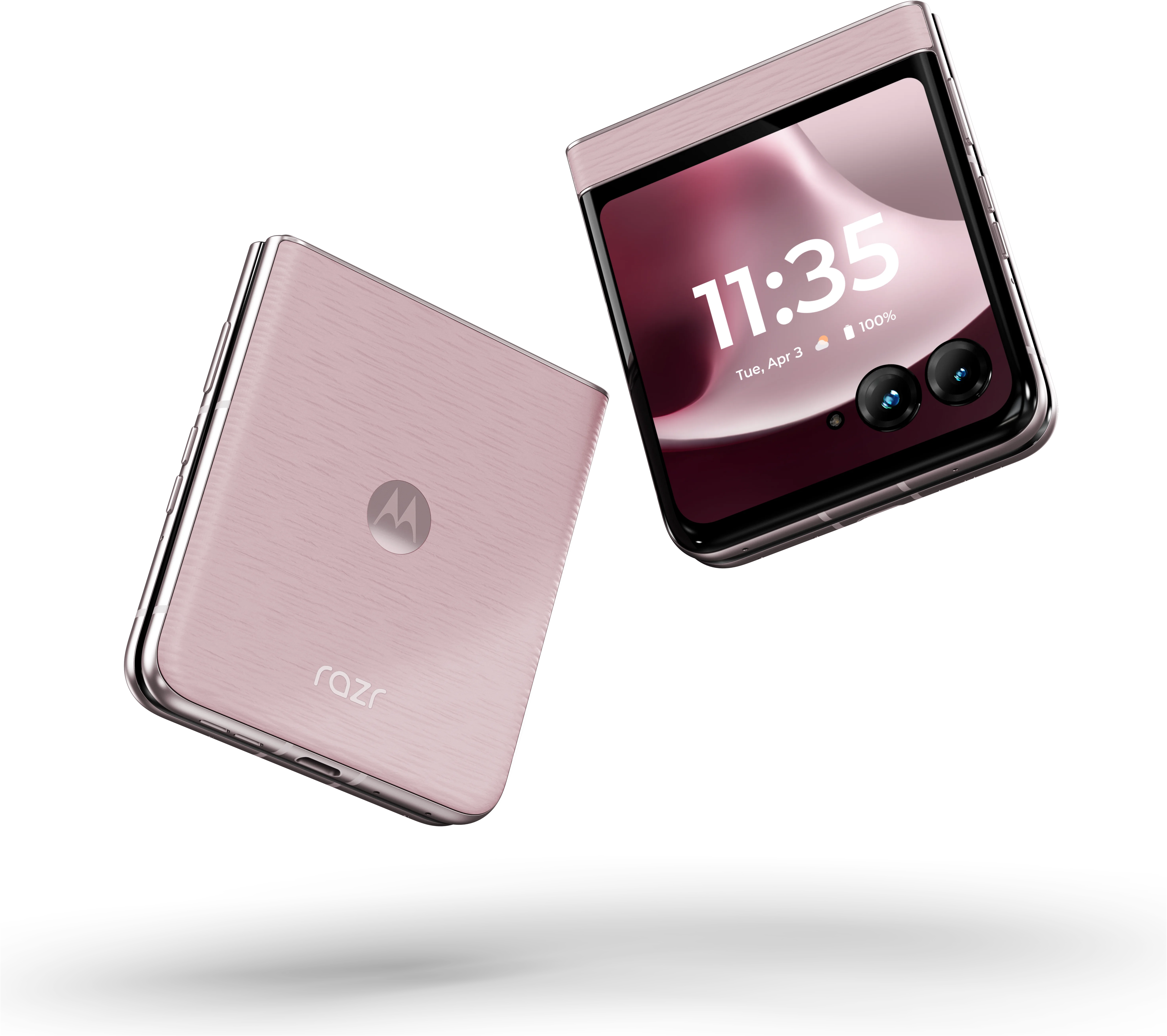
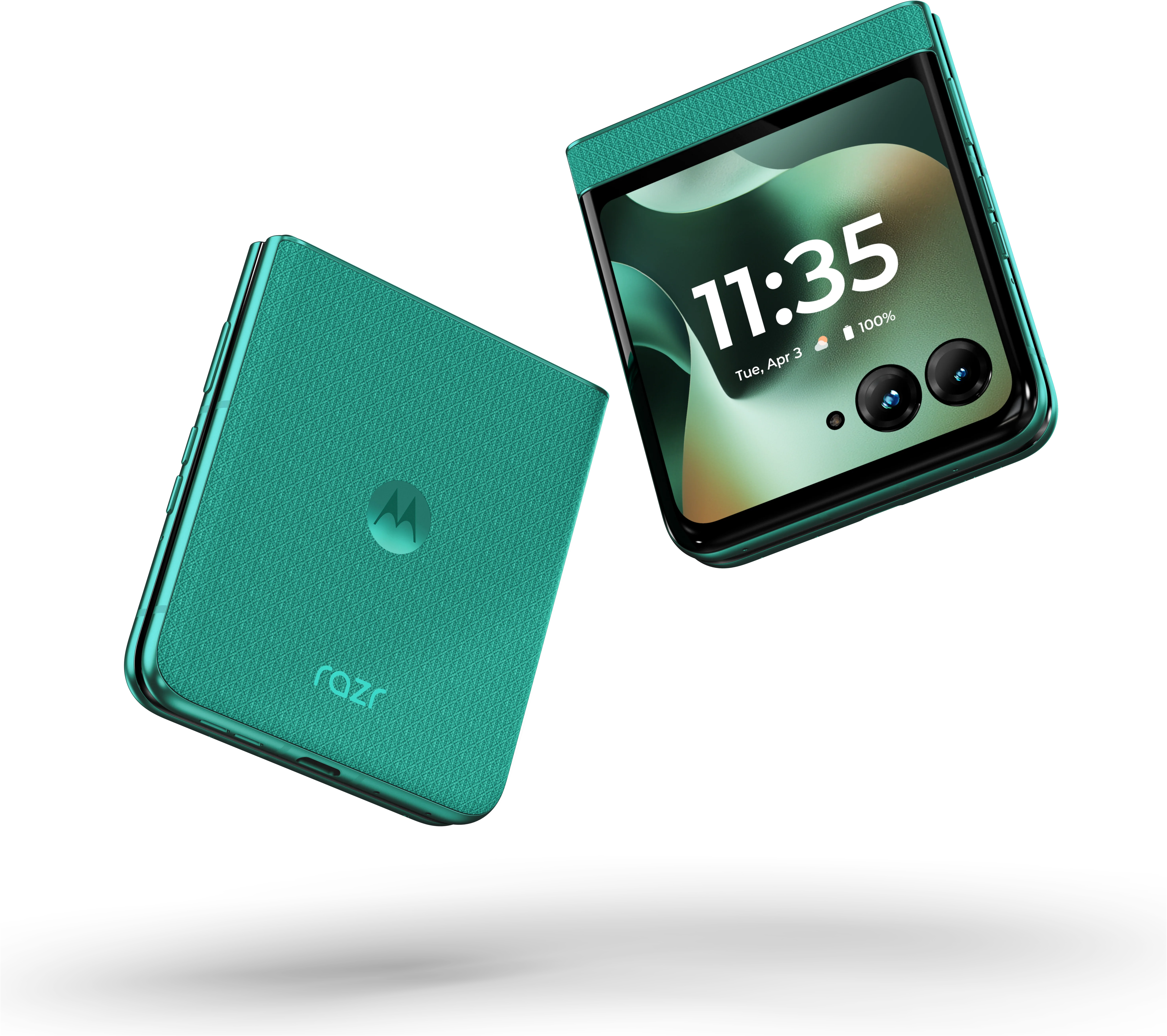
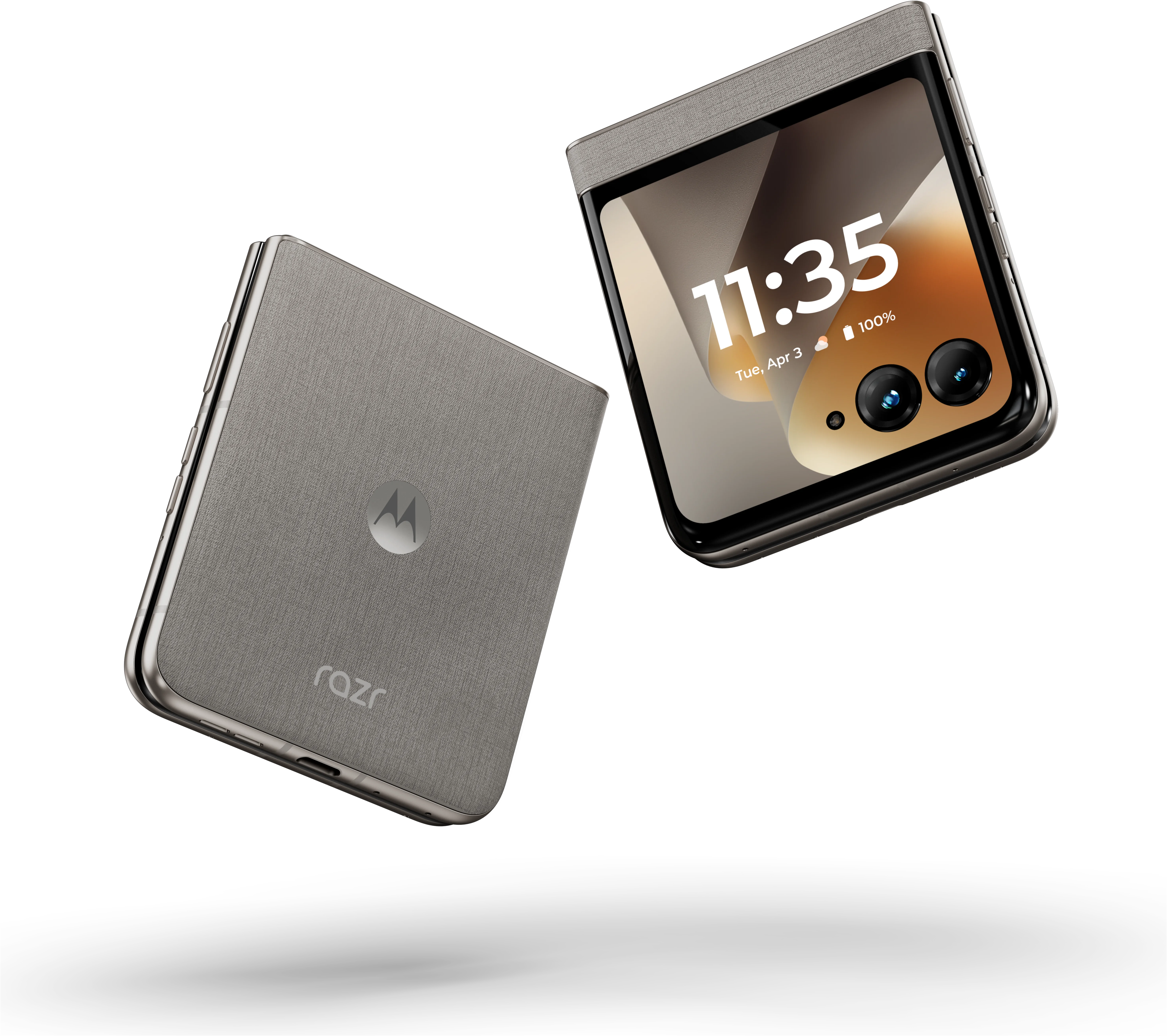
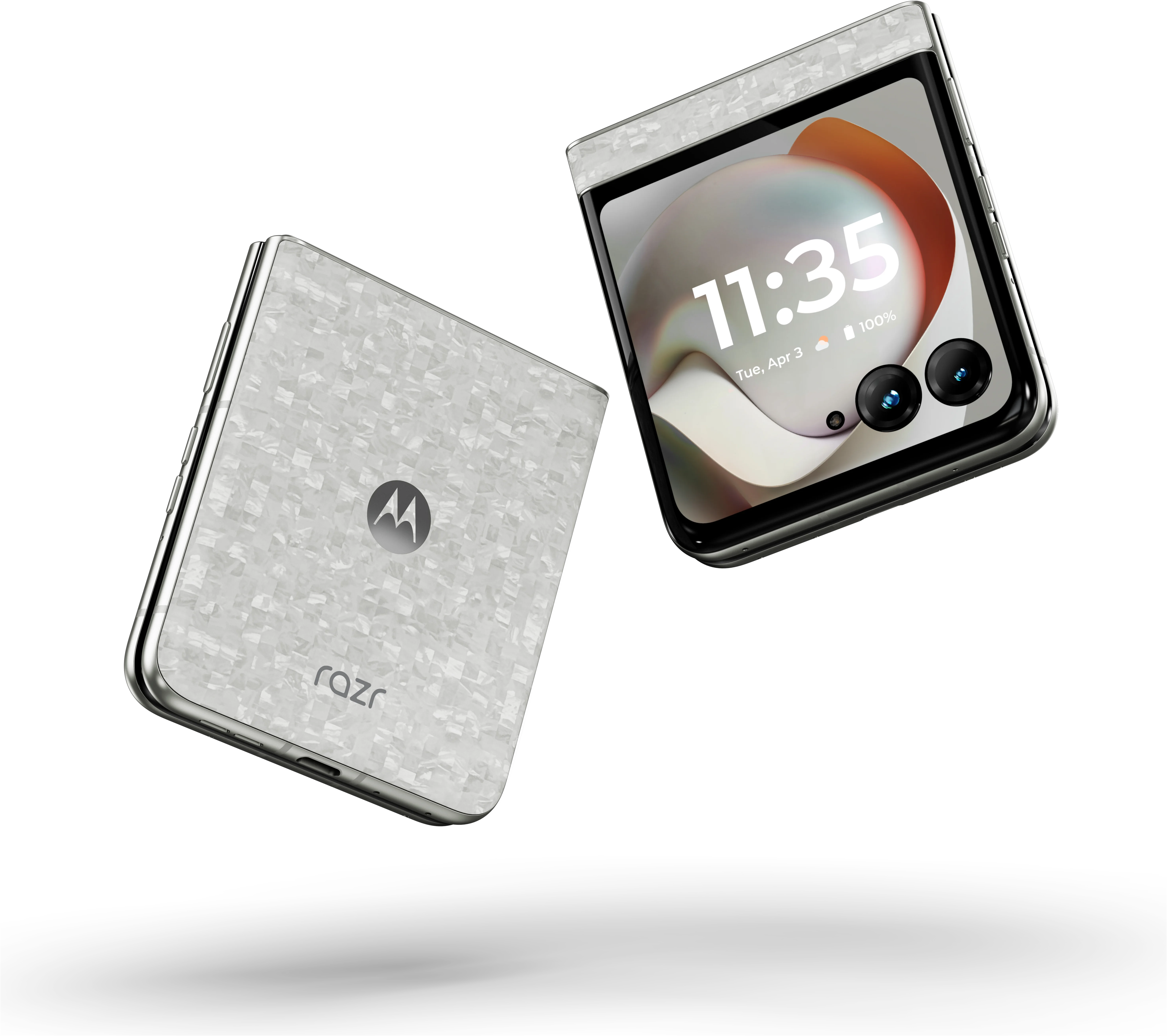
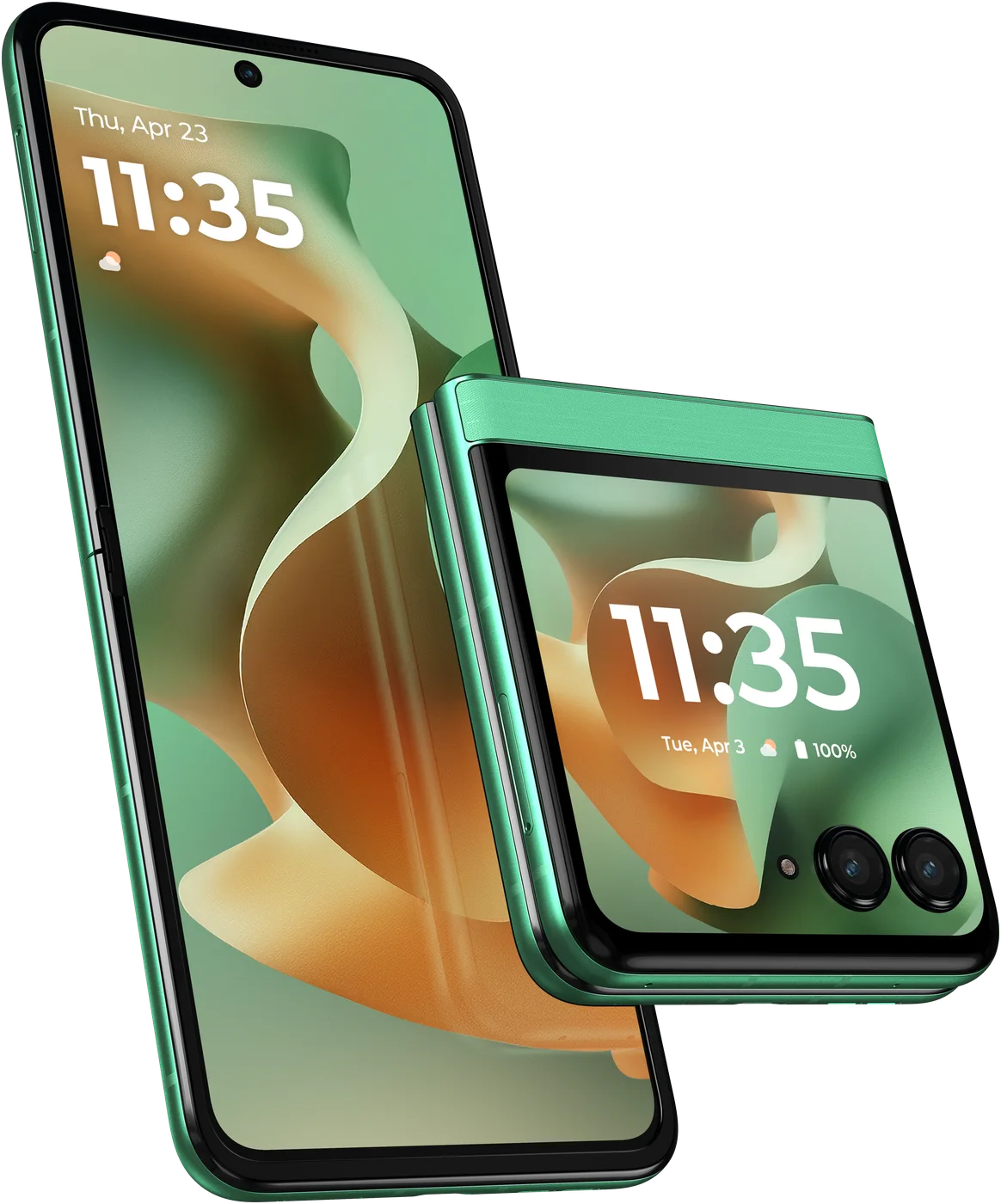
Across professional reviews and early owner discussions since the May 2026 launch, the Motorola razr (2026) is widely regarded as Motorola's most balanced clamshell foldable for buyers who want pocket-friendly flair without paying razr+ premiums. Recurring reports frame it as a refinement generation: folded dimensions of 73.99 mm wide, 88.08 mm tall, and 15.85 mm thick at 188 g produce a square carry profile that fits jacket coin pockets and small bags more naturally than slab flagships, while the inner canvas opens to a tall 171.3 mm phone that feels familiar to prior Razr owners.
The most repeated praise centers on Hello UI's comparatively light touch versus Samsung and vivo foldable skins, a cover display mature enough for quick replies and navigation glances, and flex-mode shooting that still delights social users months after purchase. The most repeated friction involves incremental rather than revolutionary upgrades from the 2025 razr — similar folded footprint, camera improvements described as solid rather than class-leading, and software update promises that trail Samsung's foldable tenure commitments. Because the device launched only weeks before this synthesis, long-term hinge and inner-screen durability data remain limited; confidence is appropriately labeled mixed rather than settled.
For readers evaluating handling before purchase, this summary focuses on real ownership after the first weeks — pocket fit folded, cover-screen habits, one-handed open use at 73.99 mm width, flex-mode ergonomics, and whether near-stock Android offsets spec-sheet gaps — rather than launch-stage benchmark rankings or promotional claims.
Consenso de la comunidad
A recurring theme is that the 2026 razr delivers the emotional compactness clamshell fans expect — the satisfying snap shut, the square folded silhouette, and the ability to half-fold for desk-propped video — while keeping weight at a manageable 188 g. Buyers cross-shopping Galaxy Z Flip7 more commonly cite Motorola's cleaner software and competitive pricing as differentiators, while Samsung wins ecosystem depth and longer update histories in the same threads.
Cover-display maturity generates steady positive mentions. Owners report spending meaningful portions of the day on the outer panel for notifications, music control, and quick selfies without unfolding, though power users still note app allowlist limits compared with Samsung Good Lock flexibility. Casual users describe the outer screen as finally large enough; enthusiasts still want broader third-party app support.
Camera sentiment is politely positive rather than ecstatic. The rear system is described as dependable for social sharing, flex-mode group shots, and cover-screen selfie framing, but telephoto reach and low-light leadership versus Galaxy Ultra or iPhone Pro tiers are rarely claimed. Most owners set expectations correctly for a style-first foldable.
Upgrade logic from razr 2024 or 2025 splits the community. Some describe the 2026 refresh as worthwhile for cover-display polish and battery tweaks; others view it as a lateral move unless their prior hinge or battery health pushed them to switch. First-time foldable buyers more commonly describe the razr (2026) as an accessible entry that passes a pocketability test slab phones cannot match.
Experiencia diaria
In daily use, the razr (2026) is consistently described as snappy for messaging, social apps, and camera launches on either display. Hello UI keeps animations smooth without the duplicate-app fatigue some Chinese skins introduce, and owners migrating from Pixel or older Motorola slabs report a short learning curve. Friction clusters around carrier bloat on some SKUs and occasional cover-to-inner display handoff quirks during the first software patch cycle.
The inner panel's tall aspect ratio suits scrolling feeds and chat threads, while the folded square becomes the default carry shape in pockets and small bags. Owners who commute by transit frequently praise the ability to scan cards and glance directions on the cover without opening the hinge in crowded spaces — a workflow slab phones approximate only with always-on lock screens.
Flex modes integrate into daily life for video calls, hands-free timers, and group selfies. The hinge holds intermediate angles reliably in early accounts, and the 188 g chassis feels light enough for prolonged half-fold viewing without the wrist fatigue wider phones cause. Table-flat fully open use is less common than partial fold propping.
Outdoor visibility on both panels receives mixed-but-improving mentions relative to 2025. Peak brightness is adequate for sunny cover-screen glances in most reports, though sensitive users still prefer shade for extended inner-screen reading. Stereo speaker output is described as good for a foldable, not class-leading.
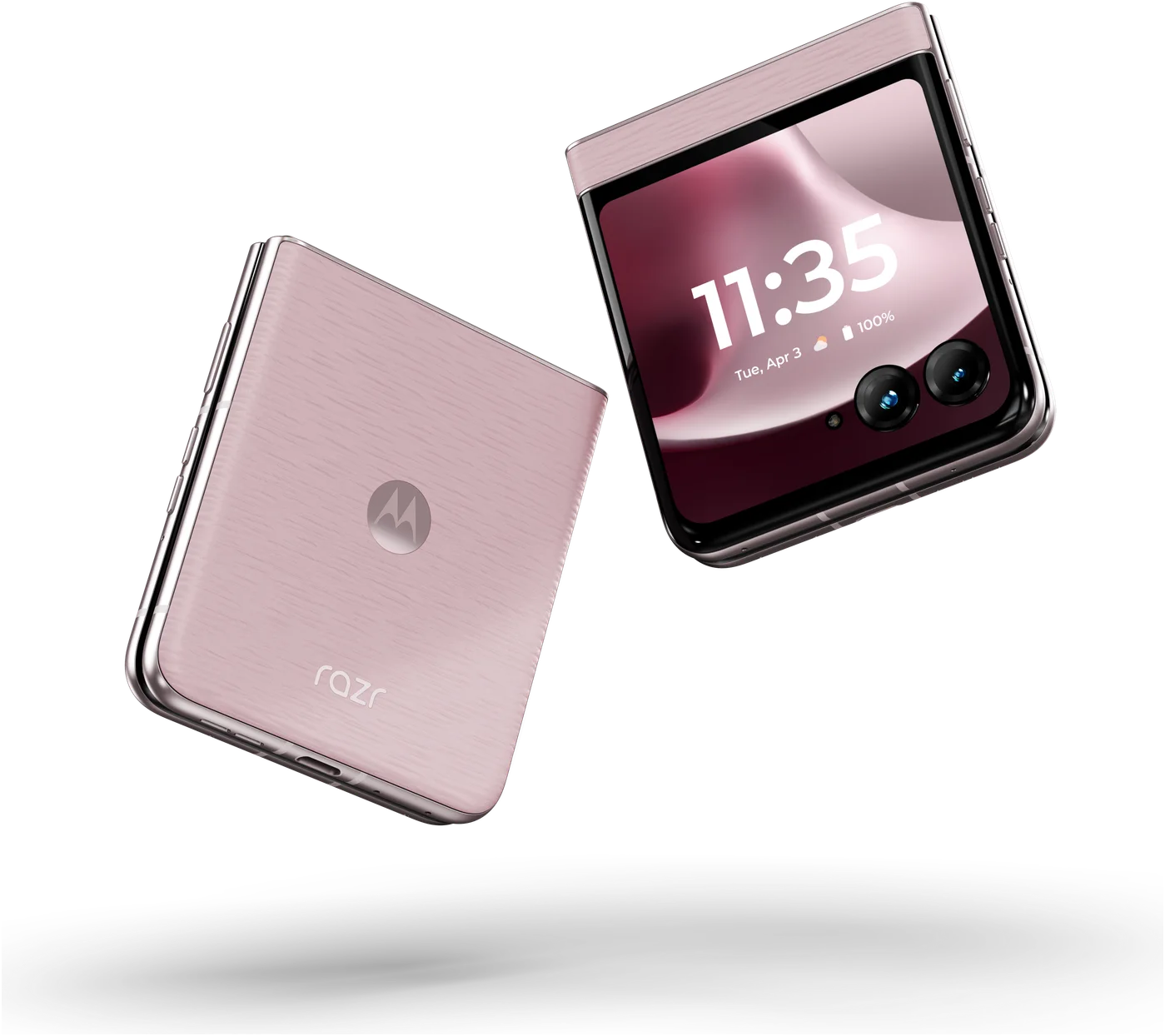
razr
Consulta las especificaciones completas, dimensiones, precios y modelos relacionados.
Experiencia de cámara
Camera feedback emphasizes flexibility across folded and open shooting rather than absolute image-quality leadership. Flex-mode group shots, cover-screen selfie framing, and quick rear-camera launches earn the strongest praise in professional and community threads. The system is described as dependable for social sharing and travel when expectations match a style-first foldable.
Low-light and zoom performance receive polite rather than ecstatic mentions. Owners comparing with Galaxy S26 or iPhone 17 Pro tiers notice processing and telephoto gaps; buyers who prioritize pocket form factor over camera charts report satisfaction.
Video capture suits everyday 4K clips with electronic stabilization. Creators wanting cinematic telephoto or extended 4K60 sessions must look elsewhere, though flex-mode vlogging without a stand earns genuine enthusiasm.
The camera app under Hello UI is described as straightforward compared with Samsung's busier interface. Processing speed is fine for single shots; burst capture during flex transitions appears occasionally in early bug threads.
Experiencia de batería
Typical daily reports from early owners align around full-day endurance for moderate use with an evening top-up for heavy camera or navigation days. Exact cell capacity varies by region, but the consensus frames battery as improved versus razr 2025 without matching large-slab stamina.
Wired charging speed is described as competitive for the class — fast enough for overnight-optional habits but not the headline 80W+ numbers some Chinese flagships advertise. Wireless charging availability depends on SKU; owners should verify regional specs before assuming desk-stand routines.
Foldable buyers more commonly accept battery trade-offs than slab shoppers. The razr (2026) is judged against other clamshells first; versus Galaxy Z Flip7, threads debate Motorola endurance against Samsung optimization without a single dominant winner in these early weeks.
Battery health data are inherently limited given the May 2026 launch. Early patterns suggest stable day-one behavior; long-term foldable cell aging remains an open question this article will update as community reports mature.
Experiencia de rendimiento
App launching and routine multitasking are consistently described as smooth for flagship-class expectations on the 2026 razr chipset. Owners rarely report lag under normal workloads, though synthetic benchmarks trail dedicated gaming phones clearly.
Thermal behavior under sustained load produces mild warmth in some accounts — navigation plus gaming combos appear in threads but rarely dominate complaints for buyers who chose the razr for form factor over charts.
Hello UI's near-stock feel reduces background bloat compared with heavier skins. Occasional cover-screen app resume stutter is reported in early patches; Motorola's update cadence will determine how quickly those frictions fade.
Owners expect several years of usable speed for social and camera workflows, though software update length remains a recurring concern versus Samsung foldables.
Uso con una mano
Opened at 73.99 mm wide, 171.3 mm tall, and 7.25 mm thick, the razr (2026) is among the more one-hand-friendly modern flagships when unfolded. The narrow width allows comfortable thumb reach across the keyboard and lower display for messaging — a meaningful advantage over 76–78 mm slab flagships that push one-handed typing to its limits.
Folded to 88.08 mm tall, the device becomes a dense square that fits entirely in one palm for quick cover-screen interactions. Right-handed users describe flicking open with a thumb while walking as a learned motion that feels natural within days. The 188 g weight is light enough for extended single-hand cover use without pronounced wrist fatigue.
Reachability at the top of the inner display still requires hand shifting on the tall 171.3 mm canvas, as on all modern phones. Owners with smaller hands note that one-handed use works well for common tasks but benefits from gesture navigation and keyboard float modes for top-target taps.
Case choice affects flip ergonomics: slim cases preserve the satisfying snap of fold closure, while bulky options widen the folded square and reduce pocket elegance. Many owners favor minimal cases or skins that protect hinge corners without adding noticeable girth.
Ventajas
- 73.99 mm open width praised as excellent for one-handed typing and browsing
- Compact 88.08 mm folded height enables full palm cover-screen control
- Light 188 g weight comfortable for extended single-hand use
Desventajas
- 171.3 mm open height still pushes top-of-screen reach
- Folded 15.85 mm thickness feels dense in tight grips
- Camera bump shifts balance when gripping folded for photography
Cabida en bolsillo
In standard men's jeans and jacket pockets, owners report the razr (2026) fits more comfortably than any slab flagship they carried previously — a direct result of the 88.08 mm folded height and square footprint. The device slides into coin pockets and small compartments that reject 160 mm tall rectangles.
Women's pocket compatibility improves relative to large slabs but remains imperfect. The square folded shape distributes volume differently; some owners note corner pressure in very shallow front pockets despite the light 188 g carry weight.
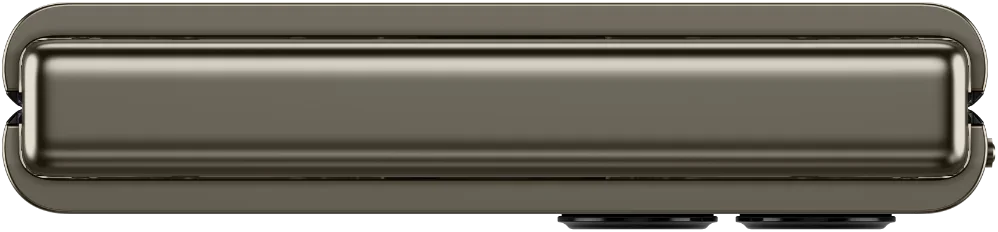
At 15.85 mm folded thickness, the razr is not as slim as the razr+ 2026's 15.32 mm profile, yet still acceptable for everyday carry. Owners upgrading from razr 2025 describe pocket fit as familiar rather than transformative.
Removing the folded phone from seated positions is generally easy given the compact height. The clamshell form reduces the tall-phone poke that 171 mm slabs exhibit in shorter jean pockets when carried open — though most owners keep it folded in transit.
Ventajas
- Square 88.08 mm folded footprint fits pockets slabs cannot
- 188 g carry weight lighter than most large-screen flagships
- Clamshell closure protects inner display in crowded pockets
Desventajas
- 15.85 mm folded thickness still noticeable versus flat slabs
- Women's shallow pockets remain a category-wide pain point
- Hinge side can catch on tight pocket linings without a case
Comodidad en sesiones largas
For extended inner-display reading and video watching, owners describe comfortable sessions when the device is lap-supported or half-folded in flex mode. The 7.25 mm open thickness and 188 g weight reduce wrist fatigue compared with heavier foldables and large slabs during 30–60 minute stretches.
Cover-screen-only sessions — commuting scroll, messaging marathons, music control — benefit from the compact folded square. Owners report less hand cramp than on wide slabs during short bursts, though long typing still moves to the inner panel.
Fully flat table use for typing or video calls is less stable than partial flex mode because of the camera plateau. Many owners prop the phone partway folded rather than lay it fully open on hard surfaces.
Gaming on the inner display is described as capable for casual titles but warm over sustained sessions. Fast-paced games more commonly move to the cover screen or external controllers in early owner reports.
Ventajas
- 188 g chassis reduces fatigue during flex-mode video viewing
- Narrow 73.99 mm grip comfortable for prolonged scrolling
- Half-fold hinge angles reliable for desk-propped calls
Desventajas
- Camera bump complicates stable flat-table inner use
- Inner display gaming can warm chassis over long sessions
- Tall open canvas encourages two-hand use for top reach
Calidad de construcción
Hinge feel and fold resistance receive broadly positive early mentions — a reassuring snap without excessive stiffness. Motorola's clamshell heritage shows in fit and finish that owners describe as tighter than first-generation Razr reboots, though long-term wear data are still accumulating.
IP rating varies by market; buyers should confirm regional sealing before assuming poolside confidence. The aluminum-and-glass construction feels premium for the tier without matching razr+ material upgrades.
Inner display crease visibility is described as present but less distracting than early foldable years. Owners still treat the panel with care and frequently use cases that protect the hinge corridor.
Early ownership accounts emphasize style-first practicality with honest compromises — more pocketable and fun than camera-first slabs, with update-policy and telephoto limits tempering enthusiasm for spec hunters.
Lo que los propietarios valoran con frecuencia
- Compact 88.08 mm folded footprint — best-in-class pocket clamshell
- Hello UI near-stock Android — lighter than Samsung foldable skins
- Flex-mode camera and video-call flexibility without accessories
- Light 188 g weight comfortable for all-day carry
- Satisfying hinge snap and style-first design that still feels special
- Cover display mature enough for quick tasks without unfolding
Puede no encajar
- Telephoto and low-light photographers comparing with Ultra-tier slabs
- Owners demanding longest foldable software support guarantees
- Power users who need unrestricted cover-screen app ecosystems
- razr 2025 owners unless battery or hinge health forces an upgrade
¿Estás considerando otro modelo de Motorola razr (2026)?
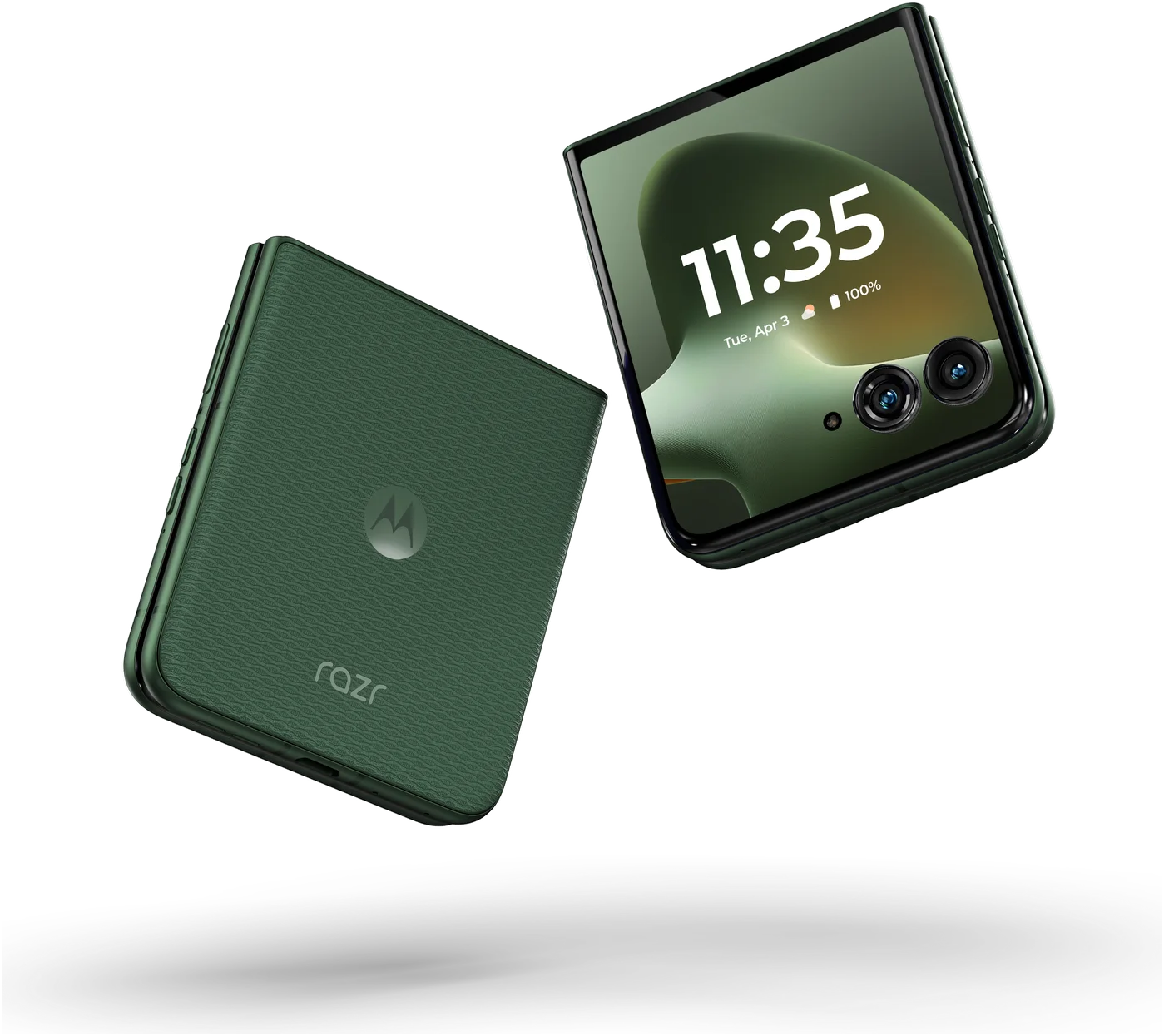
Dispositivos de tamaño similar
Este resumen se basa en informes recurrentes de discusiones públicas.