
Samsung
Galaxy Watch6 44mm vs OPPO Watch S
Resumen del dispositivo
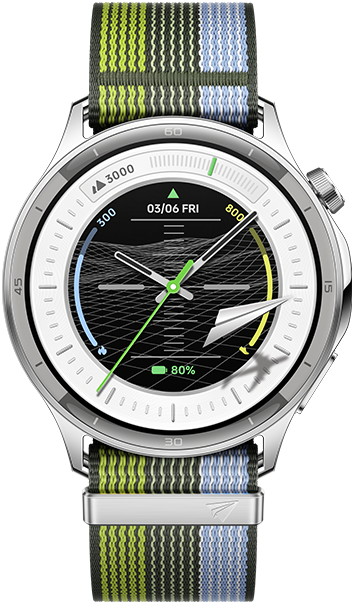
OPPO
OPPO Watch S
Especificaciones completas
| Información básica | ||
|---|---|---|
| Año de lanzamiento | 2023 | 2025 |
| Precio inicial | — | — |
| Tamaño de pantalla | 1.5-inch | 1.5-inch |
| Dimensiones | 42.8 mm × 44.4 mm × 9.0 mm | 45.0 mm × 45.0 mm × 8.9 mm |
| Peso | 33 g | 35 g |
| Material frontal | Sapphire crystal | Glass |
| Material trasero | — | PA + 55% fiberglass |
| Pantalla | ||
| Tecnología de pantalla | Super AMOLED | AMOLED |
| Resolución | 480 × 480 | 464 × 464 |
| Brillo máximo | 2000 nits | 3000 nits |
| Protección | Sapphire crystal | Glass |
| Rendimiento | ||
| Chipset | Exynos W930 Dual-Core 1.4GHz | BES2800BP MCU |
| RAM | 2 GB | — |
| Almacenamiento | 16 GB | — |
| Almacenamiento ampliable | No | No |
| Batería y carga | ||
| Capacidad de batería | 425 mAh | — |
| Estándar de carga | Wireless charging (WPC) with Fast Charging | Integrated magnetic charging cable |
| Tipo de batería | Lithium-ion | Lithium-ion |
| Capacidad típica | — | 339 mAh |
| Capacidad nominal | — | 330 mAh |
| Conectividad | ||
| Celular | LTE (optional models), GPS, GLONASS, Galileo, BDS | Dual-band GPS L1+L5 / multi-GNSS |
| Wi‑Fi | Wi‑Fi 2.4GHz & 5GHz | — |
| Bluetooth | Bluetooth 5.3 | Bluetooth 5.2 |
| NFC | Sí | Sí |
| Construcción y durabilidad | ||
| Marco | Armor aluminum | Stainless steel |
| Protección contra ingreso | 5ATM / IP68 / MIL-STD-810H | 5 ATM / IP68 |
Información básica
Año de lanzamiento
- Galaxy Watch6 44mm
- 2023
- OPPO Watch S
- 2025
Precio inicial
- Galaxy Watch6 44mm
- —
- OPPO Watch S
- —
Tamaño de pantalla
- Galaxy Watch6 44mm
- 1.5-inch
- OPPO Watch S
- 1.5-inch
Dimensiones
- Galaxy Watch6 44mm
- 42.8 mm × 44.4 mm × 9.0 mm
- OPPO Watch S
- 45.0 mm × 45.0 mm × 8.9 mm
Peso
- Galaxy Watch6 44mm
- 33 g
- OPPO Watch S
- 35 g
Material frontal
- Galaxy Watch6 44mm
- Sapphire crystal
- OPPO Watch S
- Glass
Material trasero
- Galaxy Watch6 44mm
- —
- OPPO Watch S
- PA + 55% fiberglass
Pantalla
Tecnología de pantalla
- Galaxy Watch6 44mm
- Super AMOLED
- OPPO Watch S
- AMOLED
Resolución
- Galaxy Watch6 44mm
- 480 × 480
- OPPO Watch S
- 464 × 464
Brillo máximo
- Galaxy Watch6 44mm
- 2000 nits
- OPPO Watch S
- 3000 nits
Protección
- Galaxy Watch6 44mm
- Sapphire crystal
- OPPO Watch S
- Glass
Rendimiento
Chipset
- Galaxy Watch6 44mm
- Exynos W930 Dual-Core 1.4GHz
- OPPO Watch S
- BES2800BP MCU
RAM
- Galaxy Watch6 44mm
- 2 GB
- OPPO Watch S
- —
Almacenamiento
- Galaxy Watch6 44mm
- 16 GB
- OPPO Watch S
- —
Almacenamiento ampliable
- Galaxy Watch6 44mm
- No
- OPPO Watch S
- No
Batería y carga
Capacidad de batería
- Galaxy Watch6 44mm
- 425 mAh
- OPPO Watch S
- —
Estándar de carga
- Galaxy Watch6 44mm
- Wireless charging (WPC) with Fast Charging
- OPPO Watch S
- Integrated magnetic charging cable
Tipo de batería
- Galaxy Watch6 44mm
- Lithium-ion
- OPPO Watch S
- Lithium-ion
Capacidad típica
- Galaxy Watch6 44mm
- —
- OPPO Watch S
- 339 mAh
Capacidad nominal
- Galaxy Watch6 44mm
- —
- OPPO Watch S
- 330 mAh
Conectividad
Celular
- Galaxy Watch6 44mm
- LTE (optional models), GPS, GLONASS, Galileo, BDS
- OPPO Watch S
- Dual-band GPS L1+L5 / multi-GNSS
Wi‑Fi
- Galaxy Watch6 44mm
- Wi‑Fi 2.4GHz & 5GHz
- OPPO Watch S
- —
Bluetooth
- Galaxy Watch6 44mm
- Bluetooth 5.3
- OPPO Watch S
- Bluetooth 5.2
NFC
- Galaxy Watch6 44mm
- Sí
- OPPO Watch S
- Sí
Construcción y durabilidad
Marco
- Galaxy Watch6 44mm
- Armor aluminum
- OPPO Watch S
- Stainless steel
Protección contra ingreso
- Galaxy Watch6 44mm
- 5ATM / IP68 / MIL-STD-810H
- OPPO Watch S
- 5 ATM / IP68
Diferencias clave
Las diferencias medidas más relevantes de tamaño y peso — sin un ganador general.
Ancho
OPPO Watch S
2.2 mm más ancho
Alto
OPPO Watch S
0.6 mm más alto · diferencia menor
Grosor
Grosor muy similar
Peso
Peso muy similar