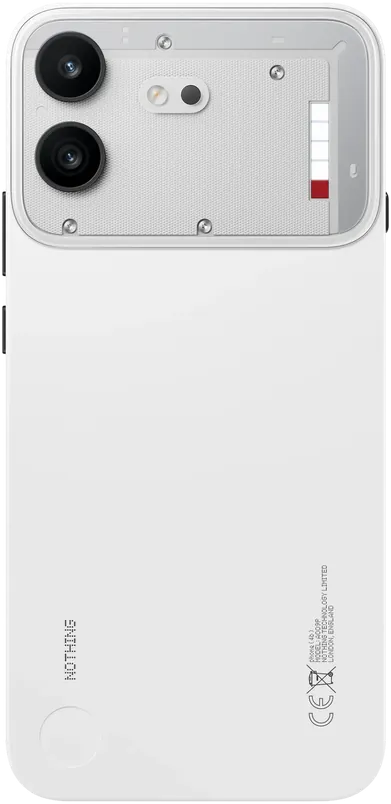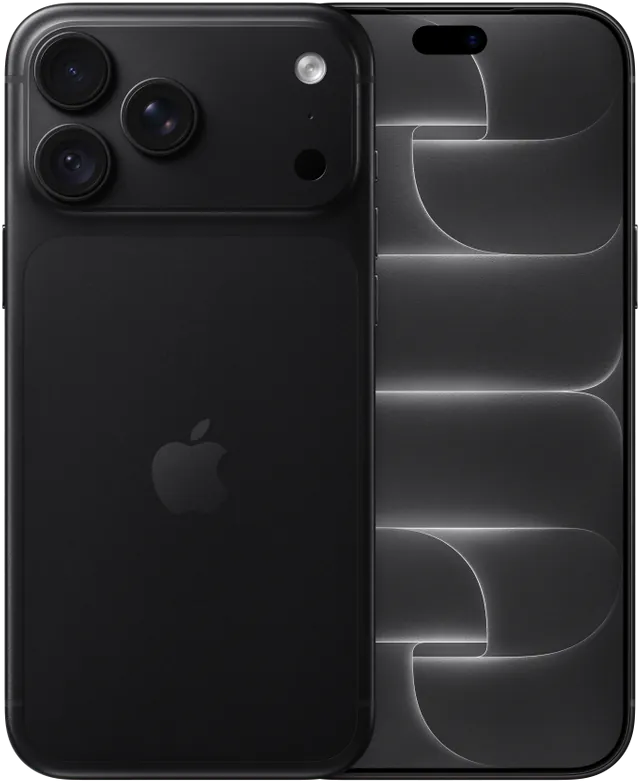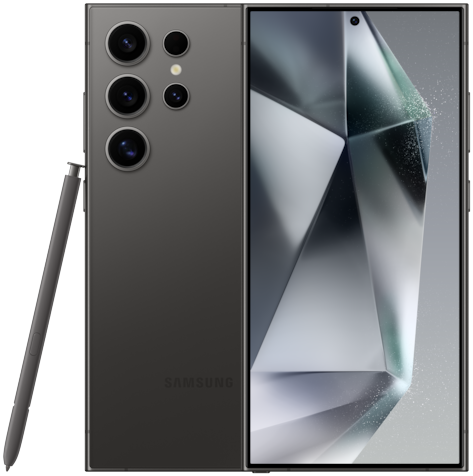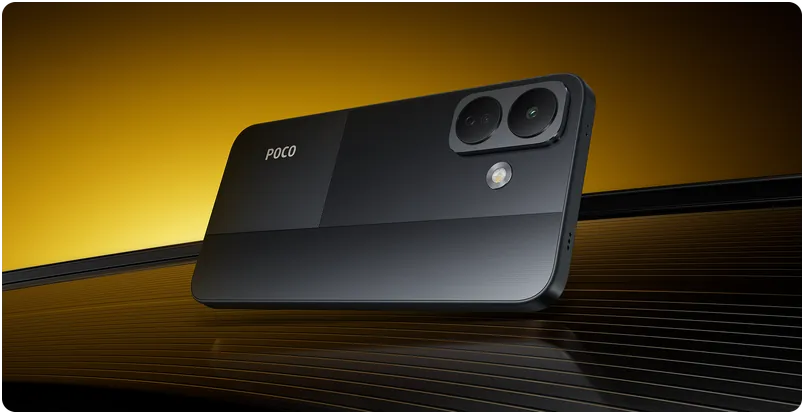
Official manufacturer render.
POCO
X8
- 6.8-inch AMOLED
- Snapdragon 6s Gen 4
- 223 g
- 8340 mAh
Physical specifications
6.8"
Display size
223 g
Weight
163.4 mm
Height
78.3 mm
Width
8.6 mm
Thickness
19:9
Aspect ratio
Release and pricing
- Announced
- March 17, 2026
- Released
- March 17, 2026
Display
- Display size
- 6.8"
- Display technology
- AMOLED
- Resolution
- 2772 × 1280
- Refresh rate
- 120 Hz
Performance
- Chipset
- Snapdragon 6s Gen 4
- RAM
- 6 GB, 8 GB, 12 GB
- Storage
- 128 GB, 256 GB
Battery & charging
- Typical capacity
- 8340 mAh
- Wired charging
- 67 W
Cameras
- Rear cameras
- Wide · 50 MP; Depth · 2 MP
- Front cameras
- Front · 16 MP
Build & durability
- Ingress protection
- IP66/IP68/IP69/IP69K
Sizometry Analysis
Overall Score
7.0
out of 10
A large, heavy, value midranger defined by an 8340 mAh cell, a 6.83-inch 120Hz AMOLED, and unusually complete IP sealing — trading the X8 Pro's compactness and the Pro Max's chipset for capacity-per-price.
Category scores
Camera
6.0
Serviceable 50 MP main and 16 MP front with a 2 MP depth secondary; no OIS callout and limited versatility versus Pro siblings.
Battery and charging
8.5
8340 mAh delivers standout midrange endurance; 67W is solid but slower than the Pros' 100W.
Performance
6.5
Snapdragon 6s Gen 4 handles daily work well but is the weakest silicon in the X8 family.
Handling and portability
5.5
78.27 × 163.45 × 8.6 mm and 223 g make this the bulkiest, least one-hand-friendly X8.
Build quality
8.0
IP66/IP68/IP69/IP69K sealing is a standout midrange durability story despite the heavy chassis.
Value
8.0
Big battery, big AMOLED, and thorough IP at the entry price of the X8 lineup.
Strengths
- 8340 mAh capacity for long midrange days
- 6.83-inch 120Hz AMOLED for media and maps
- IP66/IP68/IP69/IP69K sealing uncommon at this tier
- Clear value positioning versus Pro siblings
Weaknesses
- Heaviest and widest X8 at 223 g / 78.27 mm
- 67W charging behind Pro 100W
- Snapdragon 6s Gen 4 trails both Dimensity Pros
- Basic 50+2 camera stack without OIS callout
Best for
- Battery-and-value midrange shoppers
- Large-screen media and commute users
- Buyers who want serious IP sealing without flagship spend
- Owners stepping up from older sealed or small-battery phones
Less suitable for
- One-handed or pocket-minimal users
- Gamers who want the strongest X8 chipset
- Buyers prioritizing 100W charge speed
- Photography-led shoppers wanting OIS main versatility
Upgrade recommendation
Current device: Older large-battery midrange owners
Recommendation: Strongly recommendedNotes: 8340 mAh, modern 120Hz AMOLED, and multi-IP sealing are a clear daily upgrade.
Current device: Shoppers comparing X8 vs X8 Pro
Recommendation: Depends on prioritiesNotes: Stay on X8 for capacity and value; move to Pro for size, 100W, and Dimensity 8500-Ultra.
Current device: Performance-first X8 shoppers
Recommendation: Depends on prioritiesNotes: X8 Pro Max better matches big-screen endurance with Dimensity 9500s and 100W.
Current device: Camera enthusiasts
Recommendation: Probably unnecessaryNotes: Base X8 camera hardware is not the reason to buy into this family.
Everyday usability
Estimated from device dimensions and weight.
One-handed use
AverageOne-handed use is possible, though two hands will often feel easier.
Pocket friendliness
AveragePocketable, but you will notice its height and width in tighter pockets.
Carry comfort
HeavyHeavier in the hand; longer sessions may feel more tiring.
Reading and media
A large canvas for reading, video, and longer on-screen sessions.
Gaming
LimitedIts hardware is intended more for everyday tasks than demanding games.
Bottom line
The POCO X8 is the oversized battery phone of the X8 trio: 8340 mAh, a 6.83-inch 120Hz AMOLED, and rare midrange IP66 through IP69K sealing in a 223 g body. It is not the compact daily driver (that is the X8 Pro) and not the performance max (that is the X8 Pro Max). Buy it when endurance and value outweigh chipset ambition, charge speed, and one-handed comfort.
Models and configurations
- Storage
- 128 GB256 GB
- RAM
- 6 GB8 GB12 GB
Compare this device at its real-world size.
Use the Sizometry Tool to compare dimensions, thickness, and weight with other devices.
Open Tool →