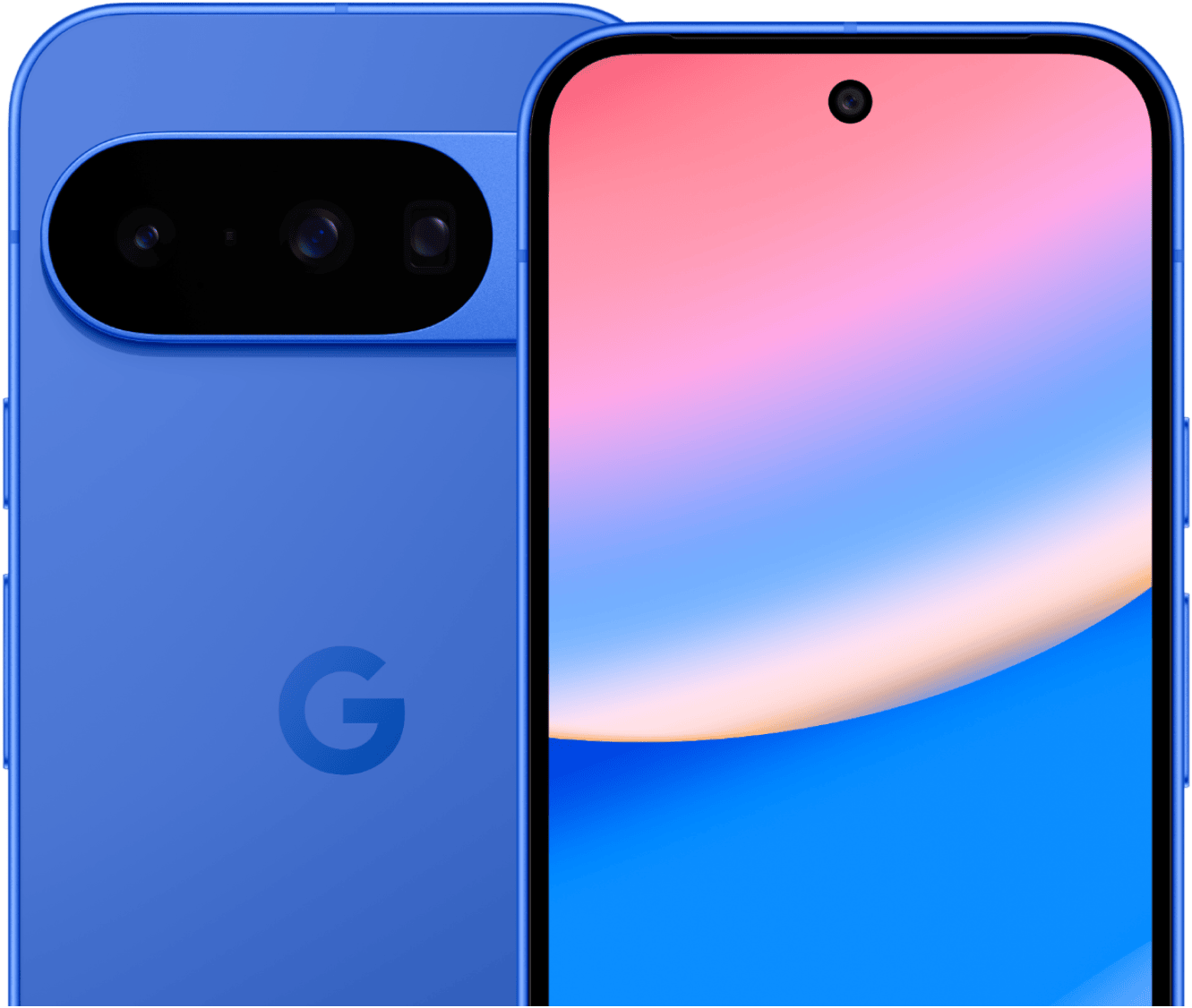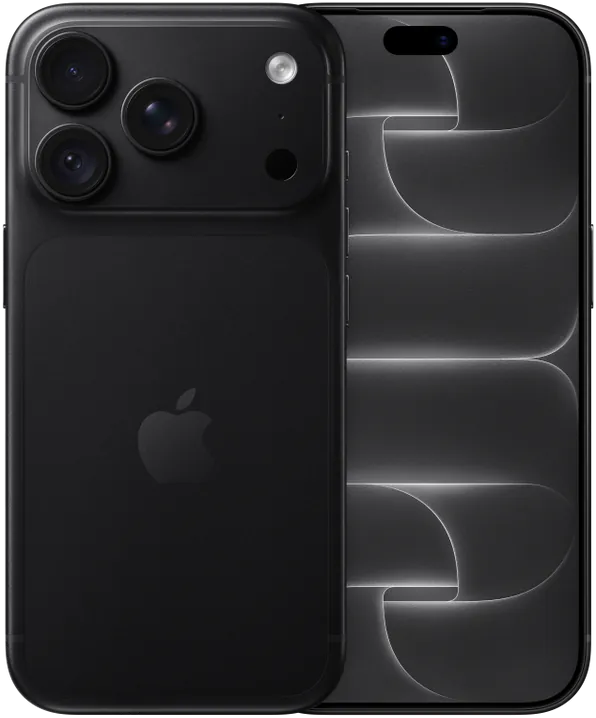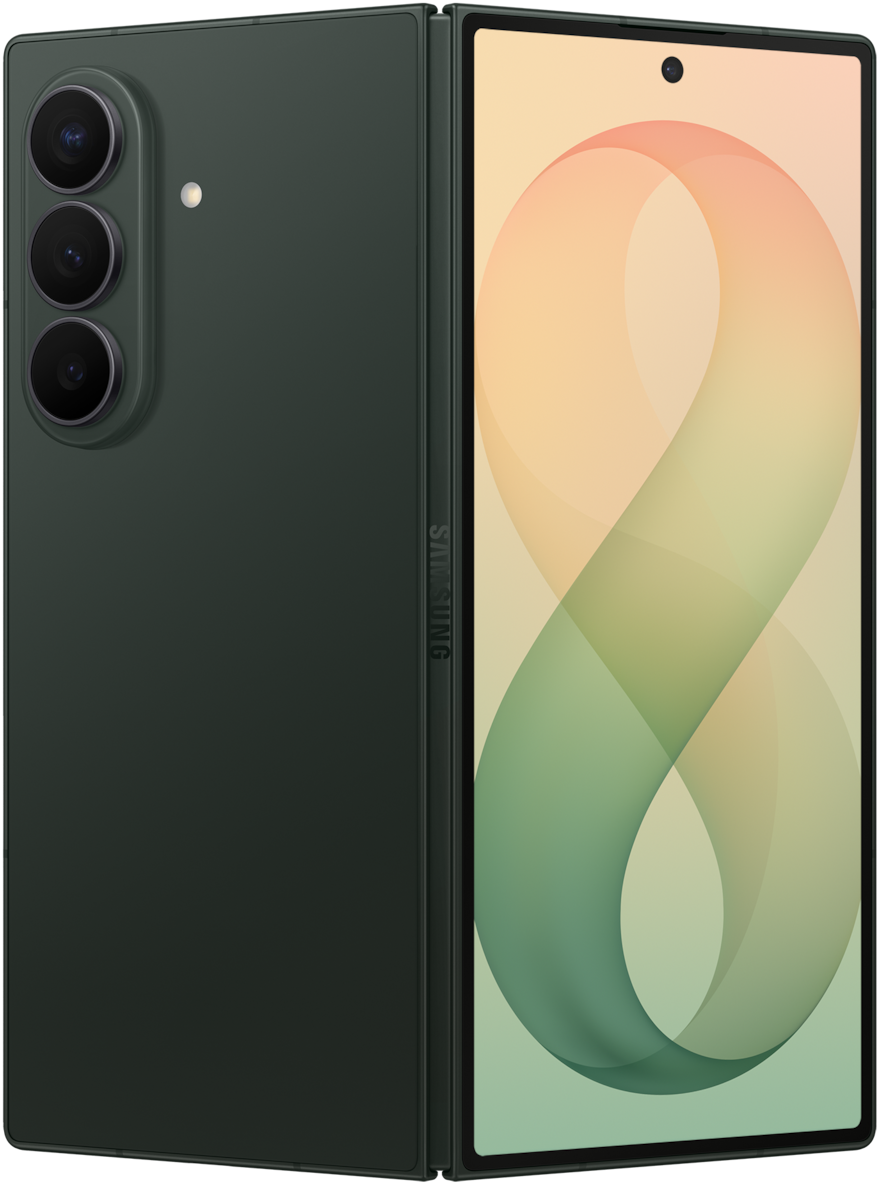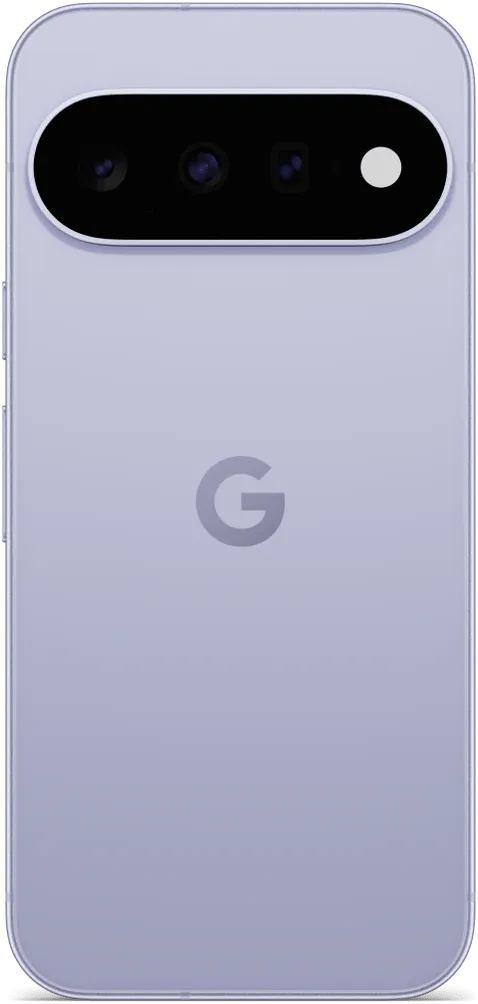
Official manufacturer render.
Pixel 11
- 6.3-inch Actua OLED
- Google Tensor G6
- 197 g
- 4985 mAh
- From $899
Available colors
Selected: Frost
Physical specifications
6.3"
Display size
197 g
Weight
152.8 mm
Height
72.0 mm
Width
8.6 mm
Thickness
19:9
Aspect ratio
Release and pricing
- Announced
- August 12, 2026
- Released
- August 20, 2026
- Starting price
- $899
- Market
- US
- Configuration
- 256 GB
Display
- Display size
- 6.3"
- Display technology
- Actua OLED
- Resolution
- 1080 × 2424
- Refresh rate
- 120 Hz
- Peak brightness
- 3000 nits
- Protection
- Corning Gorilla Glass Victus 2
Performance
- Chipset
- Google Tensor G6
- RAM
- 12 GB
- Storage
- 256 GB, 512 GB
Battery & charging
- Typical capacity
- 4985 mAh
- Wired charging
- 30 W
- Wireless charging
- 25 W
- Charging standard
- USB-C PPS, Qi2.2
Cameras
- Rear cameras
- Wide · 48 MP · ƒ/1.70 · OIS; Ultra Wide · 13 MP · ƒ/2.2; Telephoto · 10.8 MP · ƒ/3.1 · 5x Optical Zoom · OIS
- Front cameras
- Selfie · 10.5 MP · ƒ/2.2
- Video recording
- 4K at 24/30/60 fps
Build & durability
- Frame
- Spacecraft-grade aluminum
- Back
- Corning Gorilla Glass Victus 2
- Front
- Corning Gorilla Glass Victus 2
- Ingress protection
- IP68
Connectivity
- Cellular
- 5G, LTE
- Wi‑Fi
- Wi-Fi 6E
- Bluetooth
- Bluetooth 6
- USB
- USB-C 3.2
- NFC
- Yes
- eSIM
- Yes
- Satellite
- Satellite SOS
Sizometry Analysis
Overall Score
8.0
out of 10
A light, compact Google flagship at 197 g with Tensor G6, Qi2.2 wireless charging, and a triple camera that matches Pixel 10's 5x pattern — held back mainly by 30W wired charging and sensors that still trail the Pro stack.
Category scores
Camera
8.0
Solid 48 / 13 / 10.8 MP 5x triple with OIS for the price tier; sensors and selfie still sit below the Pro stack, and the pattern matches Pixel 10 rather than advancing it.
Battery and charging
7.5
4985 mAh covers moderate-to-busy days; 30W wired charging trails the Pro XL, while 25W Qi2.2 wireless improves on Pixel 10's 15W Qi2.
Performance
7.5
Fast Tensor G6 daily use with 12 GB RAM; compact thermals and no 16 GB option limit sustained-heavy workloads.
Handling and portability
9.0
Lightest family member at 197 g with a 72.0 × 152.8 × 8.6 mm footprint built for one-handed carry.
Build quality
8.0
Solid Victus 2 glass-and-aluminum build with IP68 matching the Pro slabs at a lower price.
Value
8.5
At $899 with flagship Pixel software positioning and the lightest family carry, it is the clearest value play versus Pro siblings — not a telephoto leap over Pixel 10.
Strengths
- Lightest handling in the Pixel 11 family at 197 g
- Tensor G6 and 25W Qi2.2 wireless charging versus Pixel 10
- 256 GB storage floor and lower price than Pro siblings
- IP68 Victus 2 build matching Pro durability class
Weaknesses
- 30W wired charging trails rivals and the Pro XL's 45W peak
- Sensors and selfie behind the Pro camera stack
- Display and Wi-Fi sit a tier below Pro specifications
- Camera megapixel pattern unchanged versus Pixel 10
Best for
- Buyers prioritizing light one-handed handling and value pricing
- Upgraders from Pixel 8 / 9 dual-camera phones seeking optical 5x without Pro spend
- Shoppers who want Tensor G6 and Qi2.2 wireless gains over Pixel 10 without Pro sensors
- Buyers who want mainstream Pixel hardware without Pro-tier spend
Less suitable for
- Photography enthusiasts who want Pro sensors, 8K video, and a 42MP selfie
- Heavy users who need the fastest wired charging in the family
- Power multitaskers who want optional 16 GB RAM and Wi-Fi 7
- Pixel 10 owners whose main goal is a new telephoto camera
Upgrade recommendation
Current device: Pixel 8 or older
Recommendation: Strongly recommendedNotes: Tensor G6, dedicated 5x telephoto versus older dual-camera standards, brighter modern display ratings, and a fresh update clock address several generations of aging hardware.
Current device: Pixel 9 series
Recommendation: Worth consideringNotes: Meaningful when moving from Pixel 9's dual-camera catalog stack to optical 5x, plus Tensor G6 and Qi2.2 wireless charging.
Current device: Pixel 10
Recommendation: Depends on prioritiesNotes: Cameras match on the 48 / 13 / 10.8 MP 5x pattern; consider mainly for Tensor G6, 197 g versus 204 g, and 25W Qi2.2 versus 15W Qi2.
Current device: Pixel 11 Pro considered
Recommendation: Depends on prioritiesNotes: Trades Pro sensors, Super Actua display, and connectivity ceiling for lower price and lighter carry.
Current device: iPhone or Galaxy switcher
Recommendation: Worth consideringNotes: Choose on Pixel software preference, compact mass, and camera priorities versus ecosystem fit — not charging leadership.
Everyday usability
Estimated from device dimensions and weight.
One-handed use
ComfortableIts width suits comfortable one-handed reach for many users.
Pocket friendliness
ExcellentIts footprint fits standard pockets more easily than larger phones.
Carry comfort
BalancedWeight sits in a balanced range for everyday holding and carrying.
Reading and media
Adequate for everyday browsing, messages, and short video.
Gaming
SuitableIts hardware should handle most modern games, though demanding titles may benefit from adjusted settings.
Bottom line
The Pixel 11 earns its place as the light, affordable family pick — 197 g, Tensor G6, Qi2.2 wireless charging, and Pro-matching IP68 at $899 — not as the phone that invents optical 5x for Google's standard model.
Models and configurations
- Storage
- 256 GB512 GB
- Connectivity
- 5GLTE
- Colors
- FrostPistachioHibiscusObsidian
- RAM
- 12 GB
- SIM configuration
- eSIM
Compare this device at its real-world size.
Use the Sizometry Tool to compare dimensions, thickness, and weight with other devices.
Open Tool →