OnePlus
Device summary
OnePlus
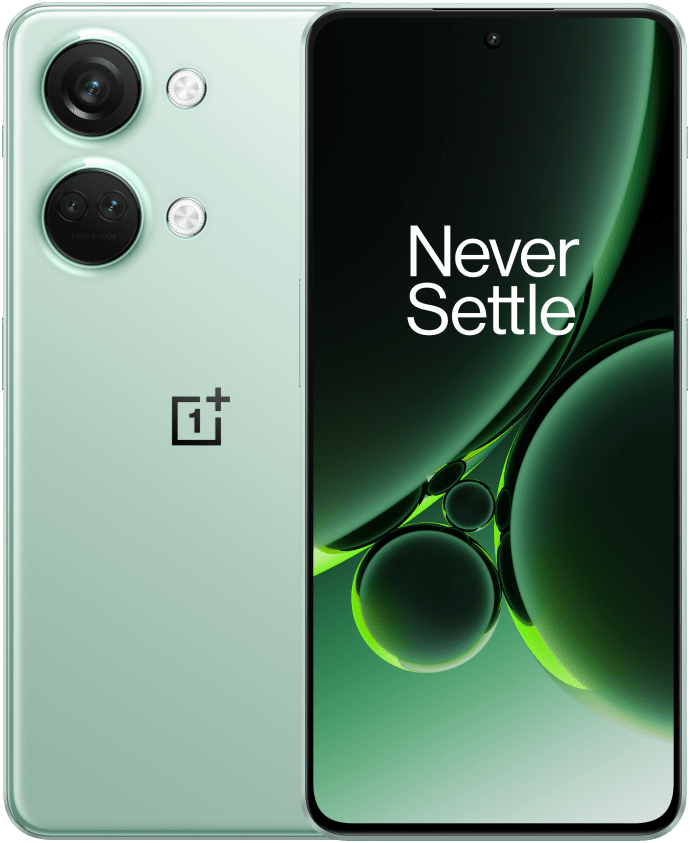
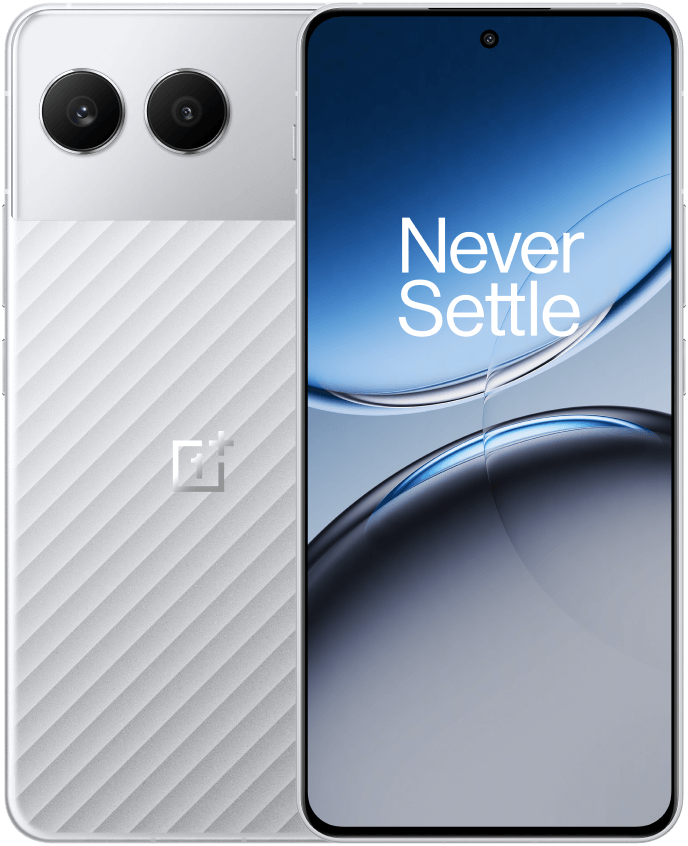
Nord 4
Full specifications
| Basic information | ||
|---|---|---|
| Release year | 2023 | 2024 |
| Starting price | — | — |
| Display size | 6.7-inch | 6.7-inch |
| Dimensions | 75.1 mm × 162.6 mm × 8.1 mm | 75.0 mm × 162.6 mm × 8.0 mm |
| Weight | 194 g | 200 g |
| Front material | — | — |
| Back material | — | — |
| Display | ||
| Resolution | 2772 × 1240 | 2772 × 1240 |
| Refresh rate | 120 Hz | 120 Hz |
| Display technology | — | AMOLED |
| Peak brightness | — | 2150 nits |
| Performance | ||
| Chipset | MediaTek Dimensity 9000 | Snapdragon 7 Plus Gen 3 |
| GPU | Arm Mali-G710 MC10 | Adreno 732 |
| RAM | 8 GB, 16 GB | 12 GB, 16 GB |
| Storage | 128 GB, 256 GB | 256 GB, 512 GB |
| Expandable storage | No | No |
| Battery & charging | ||
| Wired charging | 80 W | 100 W |
| Charging standard | SUPERVOOC | SUPERVOOC |
| Typical capacity | 5000 mAh | 5500 mAh |
| Connectivity | ||
| Cellular | 5G, LTE | 5G, LTE |
| Wi‑Fi | Wi-Fi 6 | Wi-Fi 6 |
| Bluetooth | Bluetooth 5.3 | Bluetooth 5.4 |
| NFC | Yes | Yes |
Key differences
The most meaningful measured gaps in size and weight — not an overall winner.
Weight
Nord 3 5G
6 g lighter · minor difference
Height
Very similar height
Width
Very similar width
Thickness
Very similar thickness
What these size differences mean
Calculated from the dimensions shown, rounded to 0.1 mm and 1 g. Percentages use the smaller measurement as the reference. Fold and rotation settings affect the dimensions compared.
- Nord 3 5G is 0.1 mm (0.1% relative to Nord 4) wider. Check this difference against the width of your current device and pocket opening.
- Both have the same listed height (162.6 mm) at the displayed precision. This describes the body outline; screen diagonal alone does not tell you the overall size.
- Nord 3 5G is 0.1 mm (1.3% relative to Nord 4) thicker. Cases and camera protrusions can change the clearance you need.
- Nord 3 5G is 6 g lighter. This is the listed device-weight difference, not a measured comfort rating.
Use these figures to compare physical size. They do not establish one-handed reach, pocket fit, durability or an overall winner.
Size in everyday life
Picture it in your front pocket.
2018 US jeans study · 20 brands · 80 pairs · Approx. 32-inch waists
Nord 3 5G
Nord 4
Sources and measurement notes
Sizometry compares published specifications and calculates differences. These are not hands-on measurements or tests of comfort, performance or pocket fit.
Check the exact model, year, region and configuration on the linked page. References may cover several variants. Folded and unfolded dimensions differ; cases and camera protrusions may change the space a device needs. Drawings share a relative scale and are not calibrated to life size on your screen.
Nord 3 5G vs Nord 4 Size Comparison
User Experience Summary
Nord 4
Strengths
- Distinctive aluminum unibody design — sturdy and thermally advantageous
- 5500mAh battery with fast 100W wired charging
- Snapdragon 7+ Gen 3 delivers strong daily and gaming performance
Compromises
- 8MP ultrawide camera trails the strong 50MP main sensor
- Metal unibody construction makes repairs harder and pricier
- Battery and performance show gradual decline after software updates