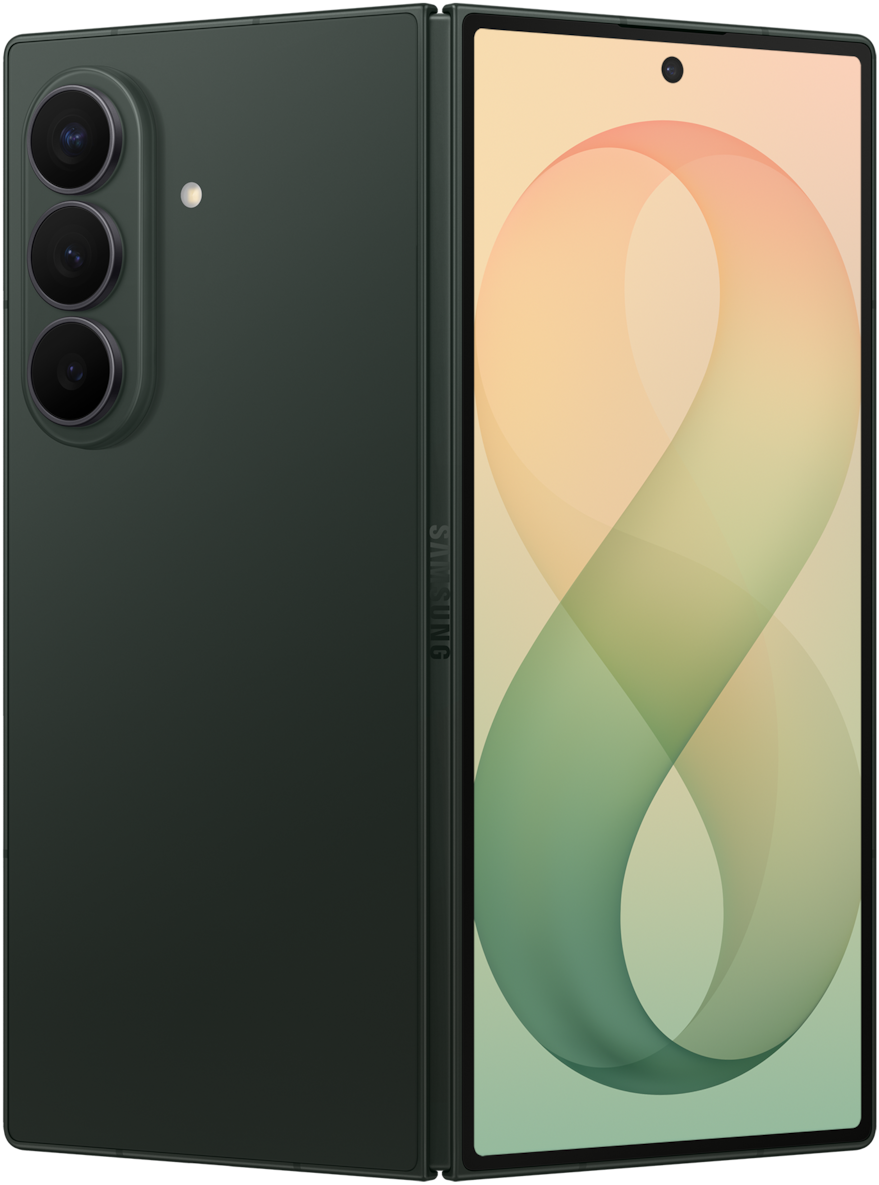
Samsung
Device summary
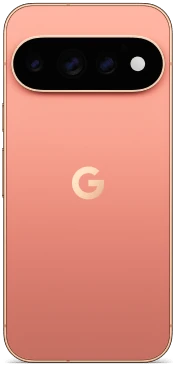
Pixel 11 Pro
Full specifications
| Basic information | ||
|---|---|---|
| Release year | 2026 | 2026 |
| Starting price | $2,100 | $1,099 |
| Display size | 6.5-inch | 6.3-inch |
| Dimensions | 72.8 mm × 158.4 mm × 8.9 mm | 71.9 mm × 152.7 mm × 8.4 mm |
| Weight | 215 g | 204 g |
| Front material | Corning Gorilla Glass Ceramic 3 | Corning Gorilla Glass Victus 2 |
| Back material | Corning Gorilla Glass Victus 2 | Corning Gorilla Glass Victus 2 |
| Display | ||
| Cover display size | 6.5" | — |
| Display technology | Dynamic AMOLED 2X | Super Actua LTPO OLED |
| Cover display technology | Dynamic AMOLED 2X | — |
| Resolution | 2504 × 2256 | 1280 × 2856 |
| Cover resolution | 2520 × 1080 | — |
| Refresh rate | 120 Hz | 120 Hz |
| Cover refresh rate | 120 Hz | — |
| Peak brightness | 3000 nits | 3600 nits |
| Protection | Flex Titanium (main) | Corning Gorilla Glass Victus 2 |
| Performance | ||
| Chipset | Snapdragon 8 Elite Gen 5 for Galaxy | Google Tensor G6 |
| RAM | 12 GB, 16 GB | 12 GB, 16 GB |
| Storage | 256 GB, 512 GB, 1024 GB | 256 GB, 512 GB, 1024 GB |
| Expandable storage | No | — |
| Cameras | ||
| Main camera | Wide · 200 MP · ƒ/1.7 · 2x Optical Quality Zoom · OIS | Wide · 50 MP · ƒ/1.68 · OIS |
| Ultra-wide camera | Ultra Wide · 50 MP · ƒ/1.9 | Ultra Wide · 48 MP · ƒ/1.7 |
| Telephoto camera | Telephoto · 10 MP · ƒ/2.4 · 3x Optical Zoom · OIS | Telephoto · 48 MP · ƒ/2.8 · 5x Optical Zoom · OIS |
| Front cameras | Cover selfie · 10 MP · ƒ/2.2; Inner selfie · 10 MP · ƒ/2.2 | Selfie · 42 MP · ƒ/2.2 |
| Video recording | — | 8K at 24/30 fps, 4K at 24/30/60 fps |
| Battery & charging | ||
| Wired charging | 45 W | 30 W |
| Wireless charging | 20 W | 25 W |
| Charging standard | 45W wired charging, Fast Wireless Charging 20W, Wireless PowerShare | USB-C PPS, Qi2.2 |
| Typical capacity | 5000 mAh | 4850 mAh |
| Rated capacity | 4854 mAh | — |
| Connectivity | ||
| Cellular | 5G, LTE | 5G, LTE |
| Wi‑Fi | Wi‑Fi 7 | Wi-Fi 7 |
| Bluetooth | Bluetooth 6.0 | Bluetooth 6 |
| USB | USB‑C | USB-C 3.2 |
| NFC | — | Yes |
| eSIM | — | Yes |
| Satellite | — | Satellite SOS |
| Build & durability | ||
| Frame | Armor Aluminum | Spacecraft-grade aluminum |
| Ingress protection | IP48 | IP68 |
Key differences
The most meaningful measured gaps in size and weight — not an overall winner.
Height
Galaxy Z Fold8 Ultra
5.7 mm taller
Weight
Pixel 11 Pro
11 g lighter
Thickness
Pixel 11 Pro
0.5 mm thinner
Width
Galaxy Z Fold8 Ultra
0.9 mm wider · minor difference
What these size differences mean
Calculated from the dimensions shown, rounded to 0.1 mm and 1 g. Percentages use the smaller measurement as the reference. Fold and rotation settings affect the dimensions compared.
- Galaxy Z Fold8 Ultra is 0.9 mm (1.3% relative to Pixel 11 Pro) wider. Check this difference against the width of your current device and pocket opening.
- Galaxy Z Fold8 Ultra is 5.7 mm (3.7% relative to Pixel 11 Pro) taller. This describes the body outline; screen diagonal alone does not tell you the overall size.
- Galaxy Z Fold8 Ultra is 0.5 mm (6% relative to Pixel 11 Pro) thicker. Cases and camera protrusions can change the clearance you need.
- Pixel 11 Pro is 11 g lighter. This is the listed device-weight difference, not a measured comfort rating.
Use these figures to compare physical size. They do not establish one-handed reach, pocket fit, durability or an overall winner.
Size in everyday life
Picture it in your front pocket.
2018 US jeans study · 20 brands · 80 pairs · Approx. 32-inch waists
Galaxy Z Fold8 Ultra
Pixel 11 Pro
Sources and measurement notes
Sizometry compares published specifications and calculates differences. These are not hands-on measurements or tests of comfort, performance or pocket fit.
Galaxy Z Fold8 Ultra
Check the exact model, year, region and configuration on the linked page. References may cover several variants. Folded and unfolded dimensions differ; cases and camera protrusions may change the space a device needs. Drawings share a relative scale and are not calibrated to life size on your screen.