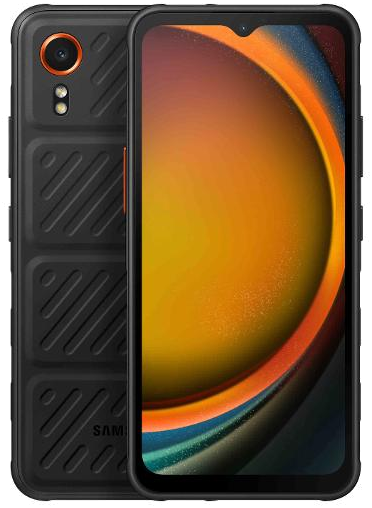
Samsung
Device summary
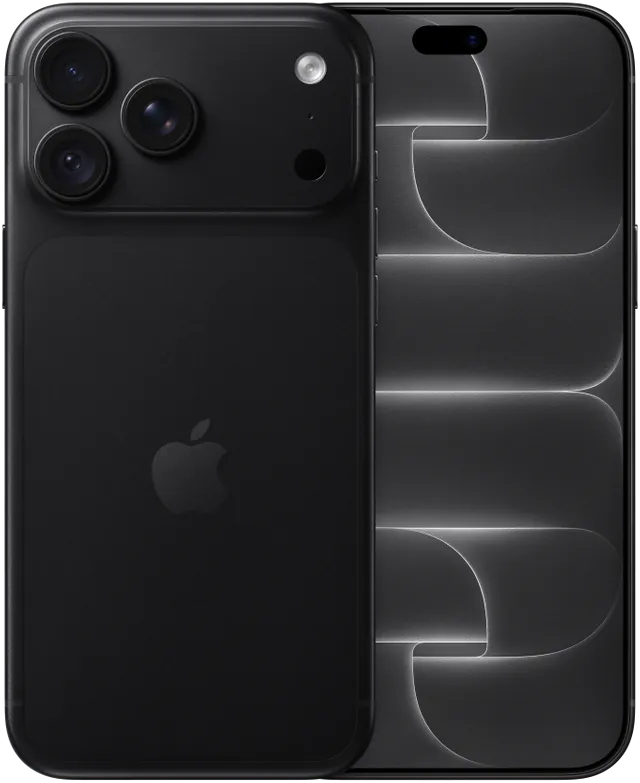
Apple
iPhone 18 Pro Max
Full specifications
| Basic information | ||
|---|---|---|
| Release year | 2024 | 2026 |
| Starting price | — | $1,299 |
| Display size | 6.6-inch | 6.9-inch |
| Dimensions | 80.1 mm × 169.0 mm × 10.2 mm | 78.0 mm × 163.4 mm × 8.8 mm |
| Weight | 240 g | 249 g |
| Front material | — | Ceramic Shield 2 |
| Back material | — | Ceramic Shield |
| Display | ||
| Display technology | PLS LCD | Super Retina XDR OLED |
| Resolution | 1080 × 2408 | 2868 × 1320 |
| Refresh rate | 60 Hz | 120 Hz |
| Peak brightness | — | 3000 nits |
| Protection | — | Ceramic Shield 2 |
| Performance | ||
| Chipset | MediaTek Dimensity 6100+ | Apple A20 Pro |
| RAM | 6 GB | — |
| Storage | 128 GB | 256 GB, 512 GB, 1024 GB, 2048 GB |
| Expandable storage | Yes | No |
| Cameras | ||
| Main camera | Wide · 50 MP · ƒ/1.8 | Fusion Main · 48 MP · ƒ/1.48–ƒ/4.0 · 24 mm · Second-generation sensor-shift OIS |
| Ultra-wide camera | — | Fusion Ultra Wide · 48 MP · ƒ/2.2 · 13 mm |
| Telephoto camera | — | Fusion Telephoto · 48 MP · ƒ/2.8 · 100 mm · 4× optical zoom · 3D sensor-shift OIS |
| Front cameras | Selfie · 5 MP · ƒ/2.0 | Center Stage · 18 MP · ƒ/1.9 |
| Video recording | — | 4K Dolby Vision up to 120 fps, ProRes up to 4K at 120 fps |
| Battery & charging | ||
| Wired charging | 15 W | — |
| Wireless charging | — | 25 W |
| Charging standard | Super Fast Charging | USB-C, MagSafe up to 25W, Qi2 up to 25W |
| Video playback (Manufacturer claim) | — | 45 h |
| Streamed video (Manufacturer claim) | — | 40 h |
| Battery type | — | Built-in rechargeable lithium-ion |
| Typical capacity | 4050 mAh | — |
| Connectivity | ||
| Cellular | 5G, LTE, 3G, 2G | 5G (sub-6 GHz and mmWave), Gigabit LTE |
| Wi‑Fi | Wi-Fi 5 | Wi‑Fi 7 (802.11be) |
| Bluetooth | Bluetooth 5.3 | Bluetooth 6 |
| USB | USB Type-C | USB-C (USB 3, up to 10Gb/s) |
| NFC | Yes | Yes |
| eSIM | Yes | Yes |
| Satellite | — | Emergency SOS via satellite |
| Build & durability | ||
| Ingress protection | IP68 | IP68 |
| Frame | — | Aluminum unibody |
Key differences
The most meaningful measured gaps in size and weight — not an overall winner.
Height
Galaxy XCover7
5.6 mm taller
Thickness
iPhone 18 Pro Max
1.4 mm thinner
Weight
Galaxy XCover7
9 g lighter · minor difference
Width
Galaxy XCover7
2.1 mm wider
What these size differences mean
Calculated from the dimensions shown, rounded to 0.1 mm and 1 g. Percentages use the smaller measurement as the reference. Fold and rotation settings affect the dimensions compared.
- Galaxy XCover7 is 2.1 mm (2.7% relative to iPhone 18 Pro Max) wider. Check this difference against the width of your current device and pocket opening.
- Galaxy XCover7 is 5.6 mm (3.4% relative to iPhone 18 Pro Max) taller. This describes the body outline; screen diagonal alone does not tell you the overall size.
- Galaxy XCover7 is 1.4 mm (15.9% relative to iPhone 18 Pro Max) thicker. Cases and camera protrusions can change the clearance you need.
- Galaxy XCover7 is 9 g lighter. This is the listed device-weight difference, not a measured comfort rating.
Use these figures to compare physical size. They do not establish one-handed reach, pocket fit, durability or an overall winner.
Size in everyday life
Picture it in your front pocket.
2018 US jeans study · 20 brands · 80 pairs · Approx. 32-inch waists
Galaxy XCover7
iPhone 18 Pro Max
Sources and measurement notes
Sizometry compares published specifications and calculates differences. These are not hands-on measurements or tests of comfort, performance or pocket fit.
Galaxy XCover7
No source link is recorded for this model yet. Treat its listed figures as unverified.
Check the exact model, year, region and configuration on the linked page. References may cover several variants. Folded and unfolded dimensions differ; cases and camera protrusions may change the space a device needs. Drawings share a relative scale and are not calibrated to life size on your screen.
Galaxy XCover7 vs iPhone 18 Pro Max Size Comparison
Related size comparisons
User Experience Summary
Galaxy XCover7
Strengths
- IP68 dust and water resistance with MIL-STD-810H drop and shock certification
- User-replaceable battery enables fast field swaps without powering down
- Glove-friendly touch input and Knox Vault enterprise-grade data security
Compromises
- Single utility-focused camera trails consumer phones in versatility and quality
- 15W charging is notably slow compared with mainstream smartphones
- 60Hz display refresh rate feels dated next to mid-range consumer alternatives