Samsung
Device summary
Samsung
Galaxy XCover7 Pro
Full specifications
| Basic information | ||
|---|---|---|
| Release year | 2024 | 2025 |
| Starting price | — | $600 |
| Display size | 6.6-inch | 6.6-inch |
| Dimensions | 80.1 mm × 169.0 mm × 10.2 mm | 79.9 mm × 168.6 mm × 10.2 mm |
| Weight | 240 g | 240 g |
| Front material | — | Corning Gorilla Glass Victus+ |
| Back material | — | — |
| Display | ||
| Display technology | PLS LCD | PLS LCD |
| Resolution | 1080 × 2408 | 2408 × 1080 |
| Refresh rate | 60 Hz | 120 Hz |
| Protection | — | Corning Gorilla Glass Victus+ |
| Performance | ||
| Chipset | MediaTek Dimensity 6100+ | Snapdragon 7s Gen 3 |
| RAM | 6 GB | 6 GB |
| Storage | 128 GB | 128 GB |
| Expandable storage | Yes | Yes |
| Cameras | ||
| Main camera | Wide · 50 MP · ƒ/1.8 | Wide · 50 MP · ƒ/1.8 |
| Ultra-wide camera | — | Ultra Wide · 8 MP · ƒ/2.2 |
| Front cameras | Selfie · 5 MP · ƒ/2.0 | Front · 13 MP · ƒ/2.2 |
| Battery & charging | ||
| Wired charging | 15 W | — |
| Charging standard | Super Fast Charging | USB‑C and POGO pin charging; user-replaceable battery |
| Typical capacity | 4050 mAh | 4350 mAh |
| Connectivity | ||
| Cellular | 5G, LTE, 3G, 2G | 5G, LTE |
| Wi‑Fi | Wi-Fi 5 | Wi‑Fi 6E |
| Bluetooth | Bluetooth 5.3 | Bluetooth 5.4 |
| USB | USB Type-C | USB 3.2 Type‑C |
| NFC | Yes | Yes |
| eSIM | Yes | Yes |
| Build & durability | ||
| Ingress protection | IP68 | IP68; MIL-STD-810H |
| Basic information | ||
|---|---|---|
| Release year | 2024 | 2025 |
| Starting price | — | $600 |
| Display size | 6.6-inch | 6.6-inch |
| Dimensions | 80.1 mm × 169.0 mm × 10.2 mm | 79.9 mm × 168.6 mm × 10.2 mm |
| Weight | 240 g | 240 g |
| Front material | — | Corning Gorilla Glass Victus+ |
| Back material | — | — |
| Display | ||
| Display technology | PLS LCD | PLS LCD |
| Resolution | 1080 × 2408 | 2408 × 1080 |
| Refresh rate | 60 Hz | 120 Hz |
| Protection | — | Corning Gorilla Glass Victus+ |
| Performance | ||
| Chipset | MediaTek Dimensity 6100+ | Snapdragon 7s Gen 3 |
| RAM | 6 GB | 6 GB |
| Storage | 128 GB | 128 GB |
| Expandable storage | Yes | Yes |
| Cameras | ||
| Main camera | Wide · 50 MP · ƒ/1.8 | Wide · 50 MP · ƒ/1.8 |
| Ultra-wide camera | — | Ultra Wide · 8 MP · ƒ/2.2 |
| Front cameras | Selfie · 5 MP · ƒ/2.0 | Front · 13 MP · ƒ/2.2 |
| Battery & charging | ||
| Wired charging | 15 W | — |
| Charging standard | Super Fast Charging | USB‑C and POGO pin charging; user-replaceable battery |
| Typical capacity | 4050 mAh | 4350 mAh |
| Connectivity | ||
| Cellular | 5G, LTE, 3G, 2G | 5G, LTE |
| Wi‑Fi | Wi-Fi 5 | Wi‑Fi 6E |
| Bluetooth | Bluetooth 5.3 | Bluetooth 5.4 |
| USB | USB Type-C | USB 3.2 Type‑C |
| NFC | Yes | Yes |
| eSIM | Yes | Yes |
| Build & durability | ||
| Ingress protection | IP68 | IP68; MIL-STD-810H |
Key differences
The most meaningful measured gaps in size and weight — not an overall winner.
Height
Very similar height
Width
Very similar width
Thickness
Very similar thickness
Weight
Very similar weight
Height, width, thickness, and weight are very similar between these devices.
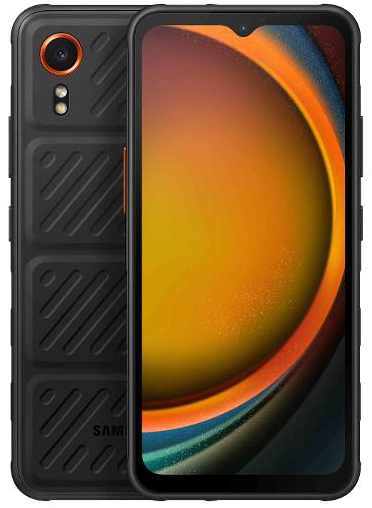
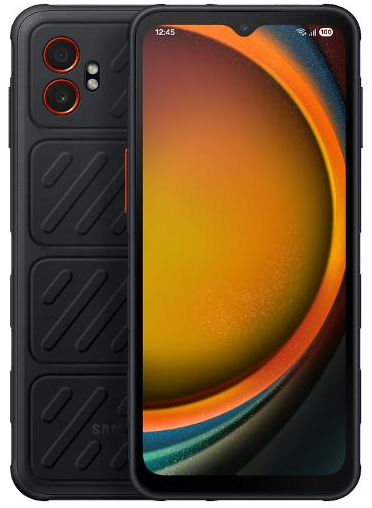
Galaxy XCover7 vs Galaxy XCover7 Pro Size Comparison
User Experience Summary
Galaxy XCover7
Strengths
- IP68 dust and water resistance with MIL-STD-810H drop and shock certification
- User-replaceable battery enables fast field swaps without powering down
- Glove-friendly touch input and Knox Vault enterprise-grade data security
Compromises
- Single utility-focused camera trails consumer phones in versatility and quality
- 15W charging is notably slow compared with mainstream smartphones
- 60Hz display refresh rate feels dated next to mid-range consumer alternatives
Galaxy XCover7 Pro
Strengths
- User-replaceable 4350mAh battery swaps for uninterrupted multi-shift field work
- IP68 MIL-STD-810H rugged sealing with glove, wet-touch, and programmable keys
- Knox enterprise manageability, POGO charging, loud speakers, and seven-year updates
Compromises
- Outdoor display brightness criticized versus consumer Galaxy S and iPhone panels
- Back panel can unseat on hard drops — requires case discipline and post-impact checks
- 240 g heavy chassis and modest cameras at ~$600 enterprise pricing